Anthozoa in crisis
113 records. Red List version 2026-1
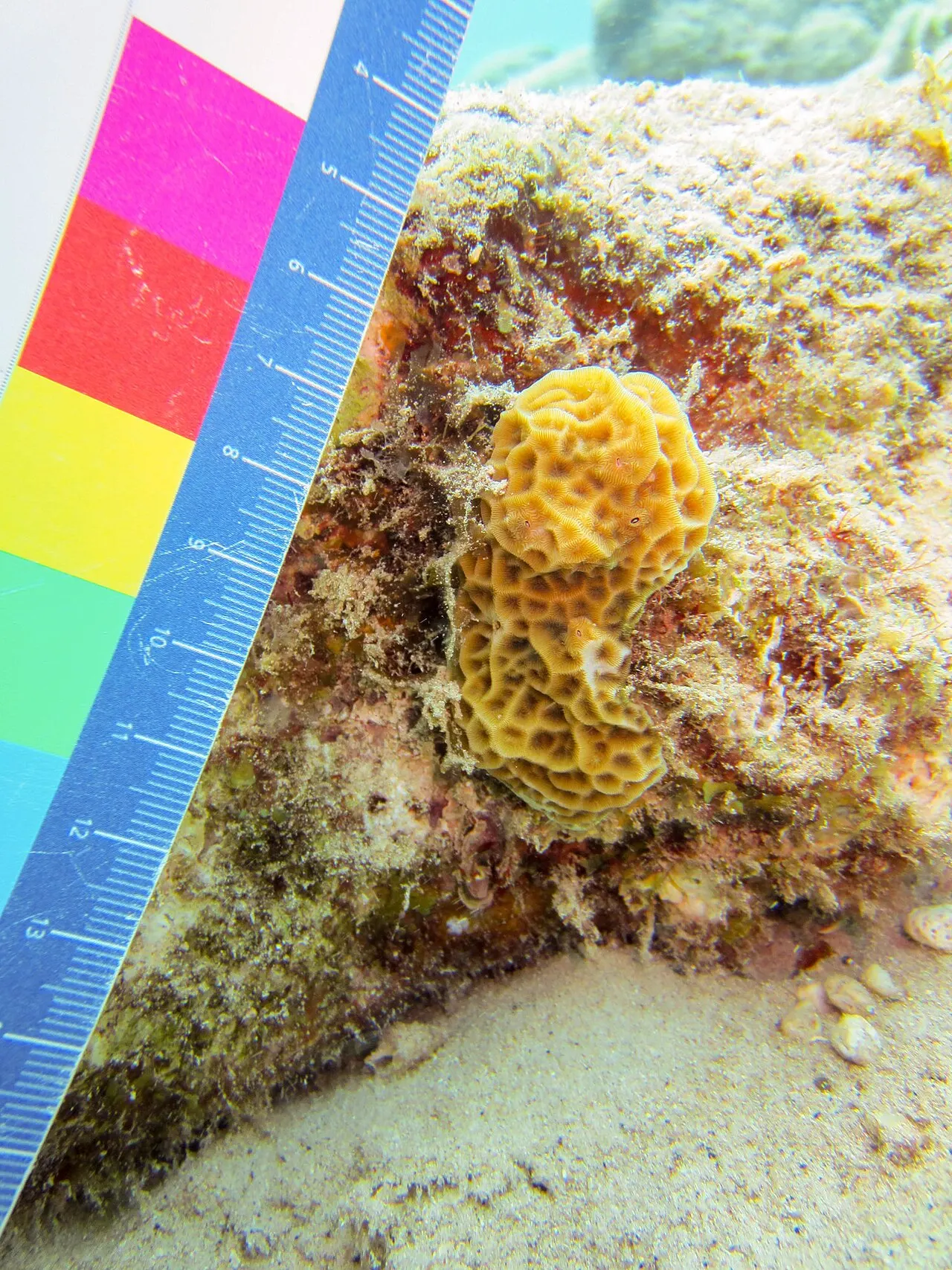
In this catalog, Anthozoa stands for corals and sea anemones. We list 113 corals and anemones that the IUCN Red List records as threatened enough to be Critically Endangered, Endangered or Extinct in the Wild: 24 Critically Endangered and 89 Endangered.
The biggest groups are the orders Scleractinia (112) and Actiniaria (1), and the families with the most listed species are Acroporidae (68), Faviidae (9) and Merulinidae (7). The full list below is grouped by order.
A class is a filing shelf, not a measure of risk: it says nothing about how fast any one species is declining. Status and assessment years come from the IUCN Red List (version 2026-1); how to read an IUCN assessment explains what the categories and criteria mean, and each record links to its own assessment.
Status breakdown
113 records: Critically Endangered 24; Endangered 89.
All species
Scleractinia (112)
- Acropora aculeus EN
- Acropora acuminata EN
- Acropora anthocercis EN
- Acropora aspera EN
- Acropora carduus EN
- Acropora cytherea EN
- Acropora divaricata EN
- Acropora donei EN
- Acropora echinata EN
- Acropora elseyi EN
- Acropora florida EN
- Acropora glauca EN
- Acropora globiceps EN
- Acropora grandis EN
- Acropora hemprichii EN
- Acropora latistella EN
- Acropora listeri EN
- Acropora longicyathus EN
- Acropora loripes EN
- Acropora lutkeni EN
- Acropora microclados EN
- Acropora monticulosa EN
- Acropora nana EN
- Acropora nasuta EN
- Acropora palmerae EN
- Acropora paniculata EN
- Acropora polystoma EN
- Acropora pulchra EN
- Acropora retusa EN
- Acropora secale EN
- Acropora solitaryensis EN
- Acropora squarrosa EN
- Acropora subulata EN
- Acropora valenciennesi EN
- Acropora vaughani EN
- Acropora verweyi EN
- Acropora yongei EN
- Agaricia humilis CR
- Agaricia lamarcki CR
- Agaricia tenuifolia CR
- Astreopora cucullata EN
- Astreopora listeri EN
- Caulastraea echinulata EN
- Cladocora caespitosa EN
- Ctenactis albitentaculata EN
- Ctenella chagius CR
- Danafungia scruposa EN
- Dendrogyra cylindrus CR
- Diploria labyrinthiformis CR
- Elkhorn coral Acropora palmata CR
- Eusmilia fastigiata CR
- Helioseris cucullata CR
- Isopora crateriformis EN
- Isopora palifera EN
- Leaf plate montipora Montipora capricornis EN
- Lithophyllon concinna EN
- Lithophyllon repanda EN
- Lobophyllia hemprichii EN
- Madracis decactis CR
- Meandrina brasiliensis CR
- Meandrina meandrites CR
- Merulina scabricula EN
- Micromussa lordhowensis EN
- Montipora aequituberculata EN
- Montipora altasepta EN
- Montipora caliculata EN
- Montipora capitata EN
- Montipora circumvallata EN
- Montipora cryptus EN
- Montipora danae EN
- Montipora digitata EN
- Montipora efflorescens EN
- Montipora florida EN
- Montipora foliosa EN
- Montipora grisea EN
- Montipora hispida EN
- Montipora informis EN
- Montipora nodosa EN
- Montipora patula CR
- Montipora peltiformis EN
- Montipora setosa EN
- Montipora spongodes EN
- Montipora spumosa EN
- Montipora tuberculosa EN
- Montipora turtlensis EN
- Montipora venosa EN
- Montipora vietnamensis EN
- Mussismilia braziliensis CR
- Mussismilia harttii EN
- Mussismilia leptophylla CR
- Mycetophyllia danaana CR
- Mycetophyllia ferox CR
- Orbicella annularis EN
- Orbicella faveolata EN
- Oulophyllia crispa EN
- Pavona duerdeni EN
- Pectinia alcicornis EN
- Pectinia lactuca EN
- Pleuractis paumotensis EN
- Pocillopora damicornis EN
- Pocillopora elegans EN
- Pocillopora ligulata EN
- Pocillopora meandrina EN
- Porites attenuata EN
- Porites duerdeni CR
- Porites evermanni EN
- Pseudodiploria strigosa CR
- Scolymia cubensis CR
- Scolymia lacera CR
- Siderastrea siderea CR
- Staghorn coral Acropora cervicornis CR
- Stylophora subseriata EN
Actiniaria (1)
- Ivell's sea anemone Edwardsia ivelli CR
The A to Z index lists the species with a full account; the catalog search finds any record by name.
Quick answers
- How many corals and anemones are in this catalog?
- 113, listed by the IUCN Red List as 24 Critically Endangered, 89 Endangered.
- What is Anthozoa?
- Here, Anthozoa means corals and sea anemones. It is a taxonomic class used to group the catalog.
- Where do the statuses come from?
- From the IUCN Red List (version 2026-1), with a link to each species' assessment on iucnredlist.org.