Photographs and a status. Not a charity, not a pet shop.
Updated 12 November 2026
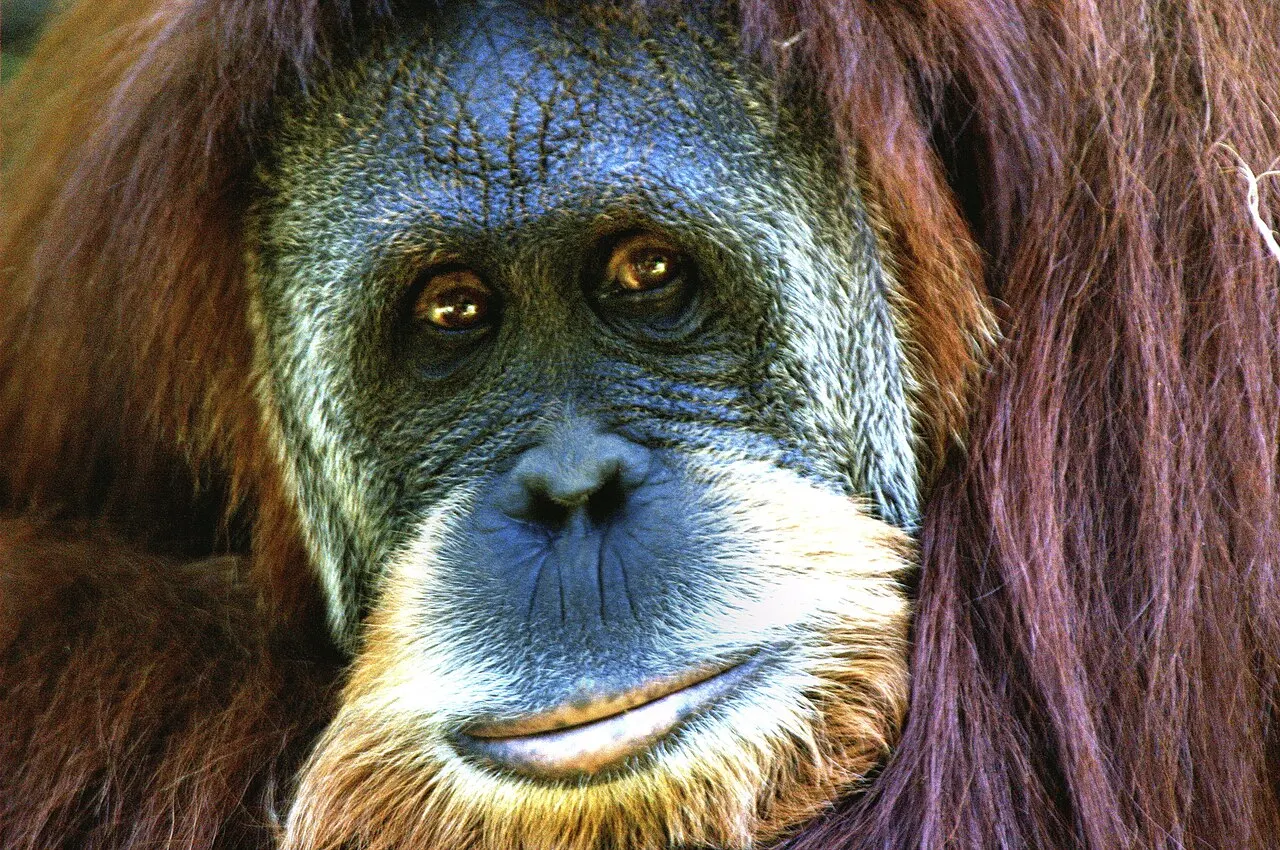
We are not a wildlife charity and we do not take donations. The catalog is built from Wikidata (IUCN category), Wikimedia Commons photographs, GBIF taxonomy matches, and species accounts adapted from the public encyclopedia article (Wikipedia, CC BY-SA 4.0) and those structured fields. Status, assessment year and criteria come from The IUCN Red List of Threatened Species (version 2026-1, checked 10 November 2026), with a link to each assessment; where no assessment matched, the Wikidata category stays. We do not copy Red List assessments. Population figures, when a public article states them, are quoted with that caveat — confirm them on the recovery programme and on iucnredlist.org. Wikipedia text is CC BY-SA.
The map plots country pins we can attach. The stats page counts this catalog, not the living world.
The legality pages answer one question: may a private person keep this animal as a pet in a given US state? The checker and the state pages cover 27 animals in all 50 states and DC, and every answer links to the rule it rests on. A state we could not confirm says "not verified yet", never "allowed". State law is only the floor: county and city rules still need a phone call. How the rows are researched and checked, and what we could not read, is on how we check exotic pet laws.
Contact: hello@creaturesincrisis.org
Quick answers
- Are you a conservation NGO?
- No. We publish a catalog and explain why some pets are illegal. We link to real organizations.
- How do you pay for the site?
- The site is paid for by advertising. Ads are served by Google AdSense and are marked as ads. We do not choose them, they do not change what a page says, and conservation links are never paid. If a page ever carries an affiliate link, it will be marked. How ads handle your data is on the privacy page.
- How do I contact you?
- hello@creaturesincrisis.org
- Who writes the legality pages, and can I trust them?
- The research and checking are done by AI research agents reading the primary sources, and every row has a second, independent check. No lawyer has reviewed them and they are not legal advice. Use the source links, and tell us about any mistake.