Endangered
Branch coral
Acropora florida
The branch coral (Acropora florida) is a stony reef coral found across the Indian Ocean and western Pacific, usually in shallow water. The IUCN rated it Near Threatened in 2008 and 2014, then Endangered in 2024, in a reassessment that put most Indo-Pacific acroporid corals in that category.
How to recognise it
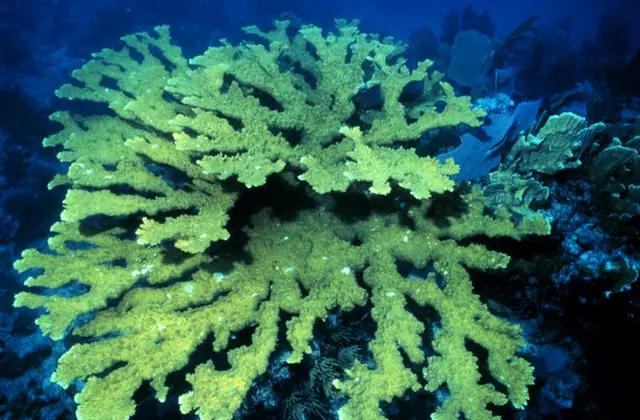
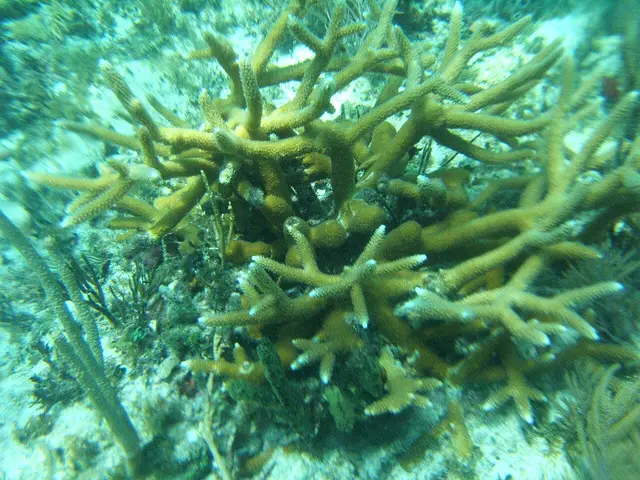
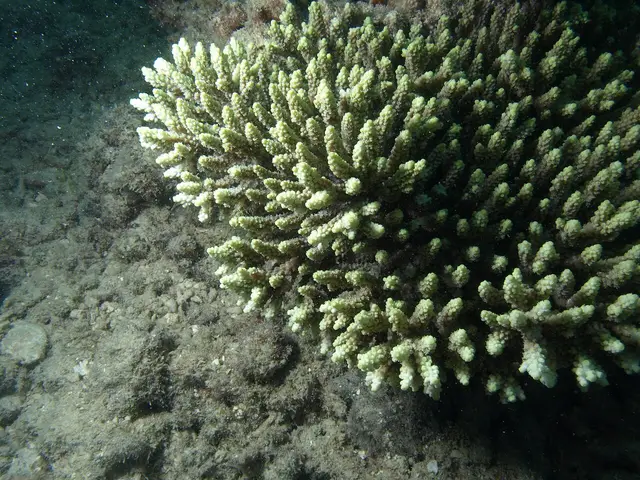
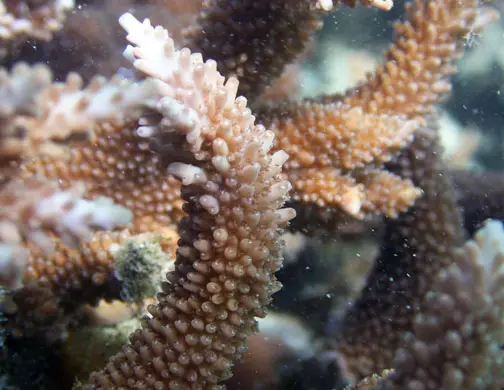
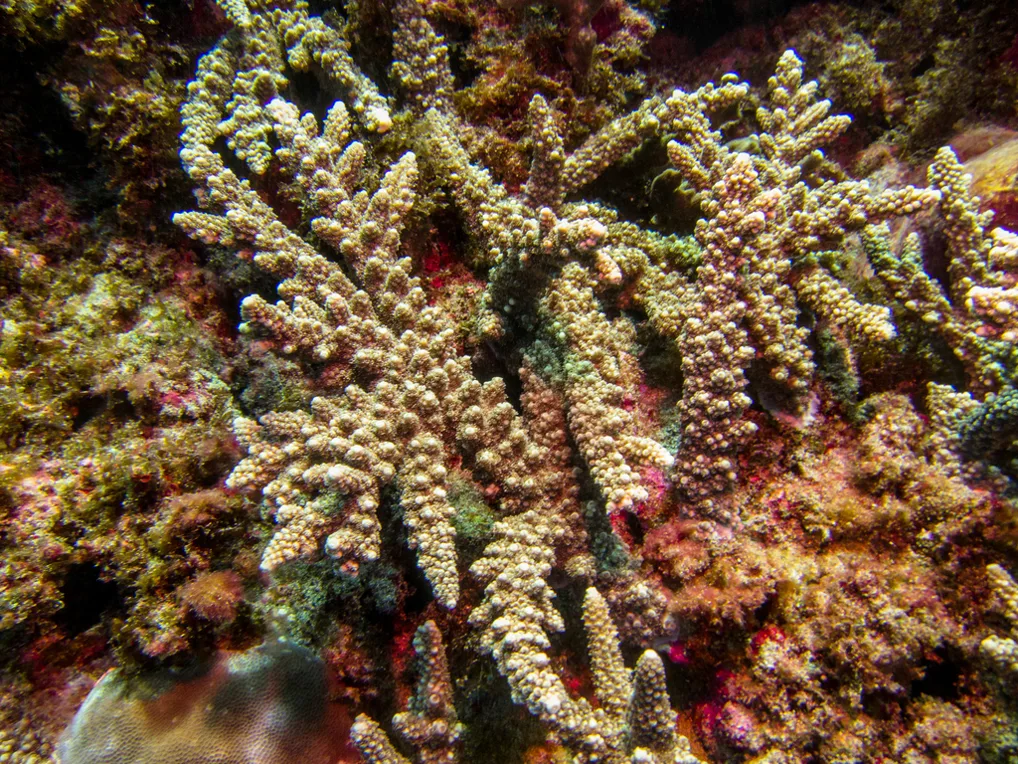
Colonies are built of thick branches that stand upright or lie flat, with short stubby side branches and small knob-like branchlets. They grow from a sprawling or encrusting base, and in turbid water colonies can get very large.
Colour is usually brown, sometimes pinkish-brown, and occasionally bright green. The dominant colour, and how far the main branches fuse together, vary from region to region. A look-alike is Acropora vermiculata, which has scale-like radial corallites. The branch coral is treated as a species complex, so identification can be tricky.
Where it lives
It's widespread. The Red List records it from more than 50 countries and territories, from Mozambique, Madagascar, Kenya, Somalia and the Maldives across to Australia, Papua New Guinea, Japan, China, Fiji and the Cook Islands. The Corals of the World database counts records or strong predictions in 94 ecoregions, covering about 71 percent of the Indo-Pacific ones and none in the Atlantic.
Colonies sit on reef tops, walls and slopes. The IUCN gives a depth range of 3 to 40 metres, while other accounts say down to about 30 metres. The species is described as common within that range.
Pins are Wikidata “endemic to” fields. Orange dots, when present, are GBIF occurrence tiles — survey bias included.
How it lives
Like other reef-building corals, it hosts tiny algae in its tissue. These can supply up to 90 percent of the energy a coral needs, and the polyp tentacles catch plankton for the rest. The assessment puts its generation length at 10 years.
Why it is in trouble
No single pressure dominates in the assessment. It lists many low-impact threats, among them temperature extremes, storms, sediment from erosion, coastal development, tourism and recreation, shipping lanes and small-scale harvest. The population trend is decreasing, and the species was assessed under criteria A3ce.
The coral specialists behind the Red List reassessment name climate change as the main threat to reef-building corals. A University of Portsmouth summary says 340 of 774 assessable reef-building species are now threatened, and that 191 of 279 Indo-Pacific acroporid species are Endangered. Those are group figures, not specific to this coral.
What is being done
Stony corals are listed on CITES Appendix II, which regulates international trade. The assessment calls for protecting and managing sites, restoring habitat and species recovery work, and lists captive propagation and a genome resource bank as actions. Whether the species occurs in protected areas is recorded as unknown.
Sources
Written for this catalog in our own words from the sources below, checked against them on 12 November 2026. Population figures are estimates and carry the year they were made. Status and assessment year: IUCN. 2026. The IUCN Red List of Threatened Species. Version 2026-1. iucnredlist.org.