Endangered
Acropora retusa
Acropora retusa
Acropora retusa is a stony coral that builds flat plates with short, thick, spiky branches on shallow, wave-swept reefs. It ranges from the western Indian Ocean to French Polynesia. The IUCN rated it Endangered in 2024, with the population decreasing, and the United States lists it as threatened.
How to recognise it
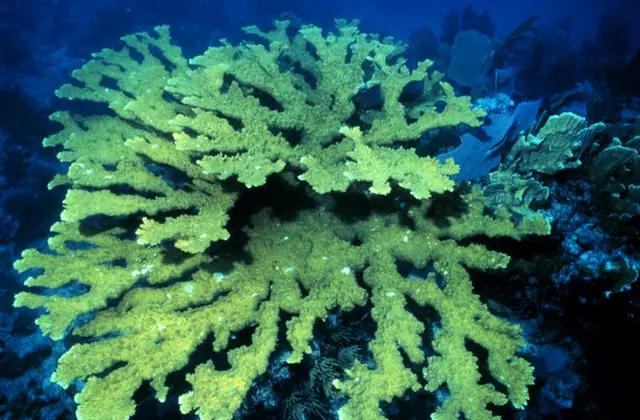
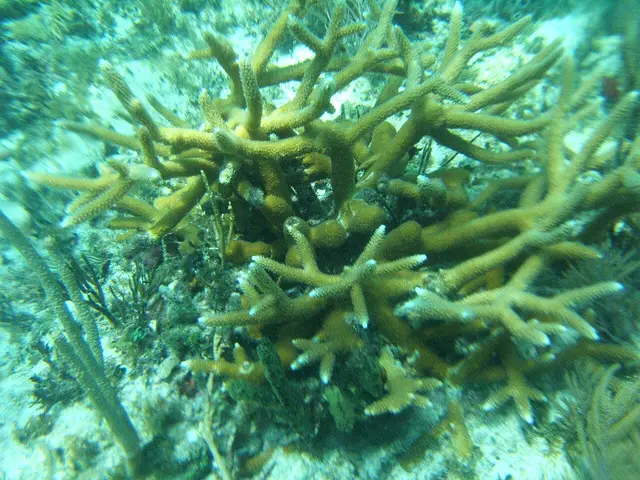
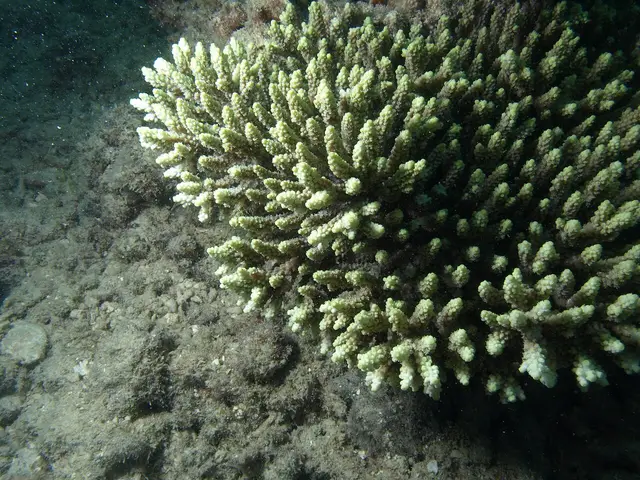
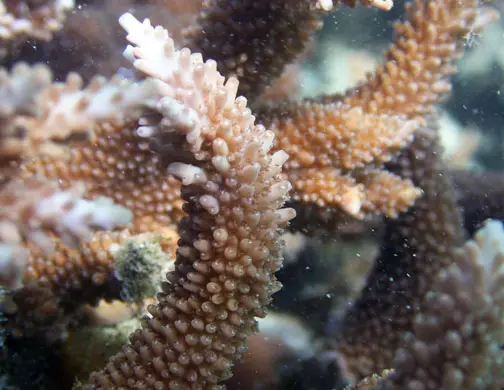
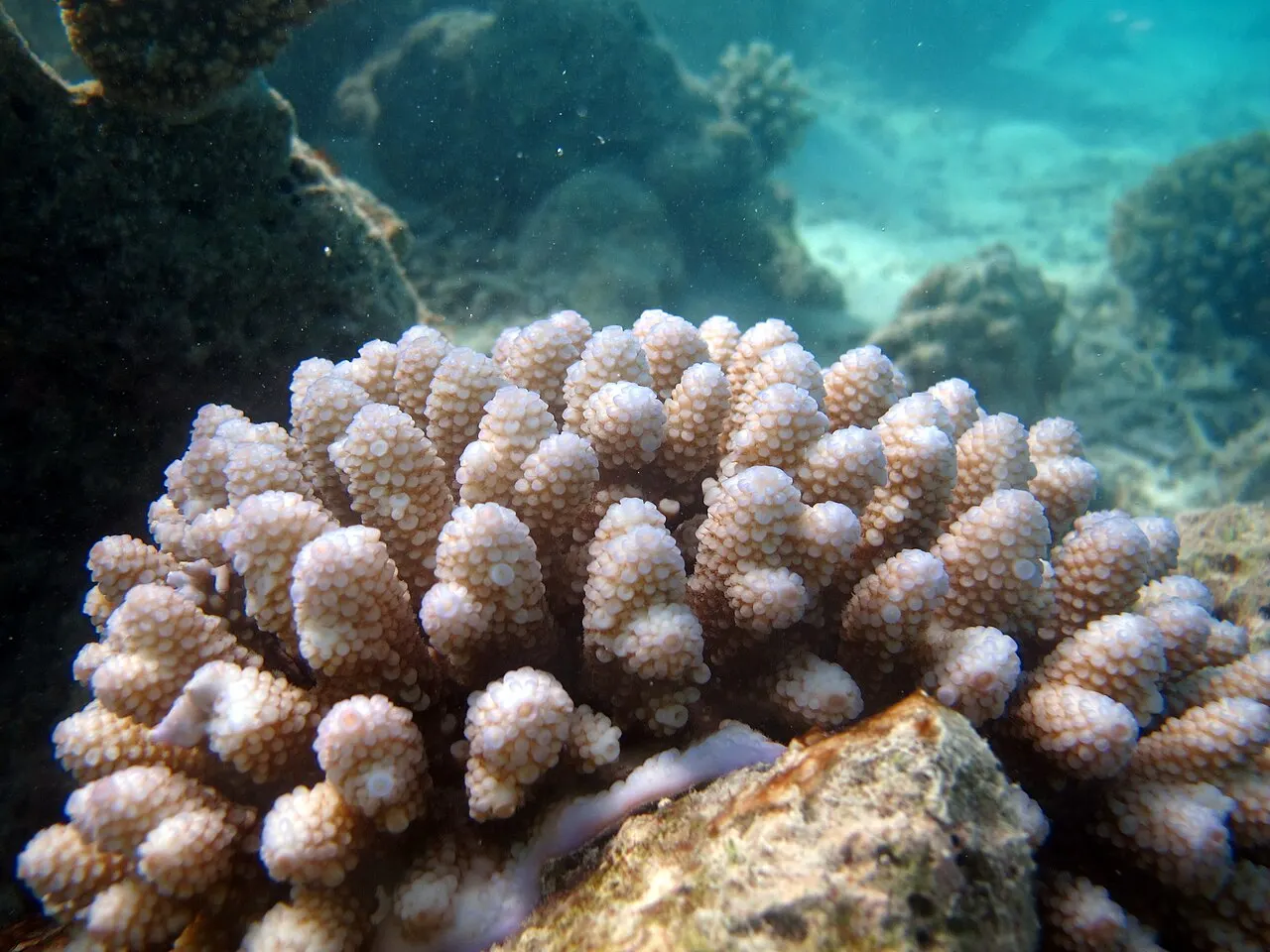
A colony is a set of flat plates covered in short, thick, finger-like branches. The radial corallites (the small cups that hold individual polyps) vary in length, which gives the surface a rough, spiky look. Colonies are usually brown or green.
Most are small. NOAA gives a typical diameter of about 10 inches (25 cm), though a few reach around 40 inches (1 m).
Where it lives
The Red List records it as native to more than 40 countries and territories, from Egypt, Saudi Arabia, Madagascar and Mozambique in the west, through the Philippines, Indonesia and Papua New Guinea, to Fiji, Tonga, French Polynesia and the Pitcairn Islands in the Pacific. In United States waters it occurs in American Samoa and the Pacific Remote Island Areas, and NOAA's overview also lists Guam.
It is a coral reef species. NOAA describes it on shallow forereefs and other shallow, high-energy settings, and the Red List gives a depth range of about 1 to 28.5 m.
Pins are Wikidata “endemic to” fields. Orange dots, when present, are GBIF occurrence tiles — survey bias included.
Why it is in trouble
Like other branching and plate Acropora, it is hit hard by warming seas. NOAA lists ocean warming and acidification, disease, habitat degradation, pollution washing off the land, unsustainable fishing and small population size among its threats. The Red List also scores shipping lanes, storms and flooding, sedimentation, coastal building and recreation as ongoing pressures, each at low impact.
The 2024 assessment records a continuing decline in the area the species occupies. It projects a population reduction of about 61 percent, citing declining habitat extent and quality and the effects of pathogens, pollutants and similar factors, and uses a generation length of 10 years. It does not describe the population as severely fragmented.
What is being done
The United States listed Acropora retusa as threatened under the Endangered Species Act in a rule published on 10 September 2014 that took effect on 10 October 2014. It also sits on CITES Appendix II. NOAA designated critical habitat in American Samoa, the only US location covered, in a final rule published on 15 July 2025.
NOAA completed a recovery status review in 2023, and a five-year review completed in 2024 found no change warranted to the listing of any of 15 listed corals, this one included. The Red List lists site protection and management, habitat restoration, species recovery and captive propagation among conservation actions, but records it as unknown whether the species occurs in a protected area.
A note on names
The Red List places the name Acropora pocilloporina among the synonyms of this species, so some older reef surveys may use that name for the same coral.
Sources
Written for this catalog in our own words from the sources below, checked against them on 12 November 2026. Population figures are estimates and carry the year they were made. Status and assessment year: IUCN. 2026. The IUCN Red List of Threatened Species. Version 2026-1. iucnredlist.org.