Critically Endangered
Bahia Brain Coral
Mussismilia braziliensis
Mussismilia braziliensis is a reef-building stony coral found only in Brazil. The IUCN Red List rated it Critically Endangered in 2022, based on past and projected losses of reef area and quality, and its population is still decreasing. It forms large domes on shallow reefs off Bahia.
How to recognise it
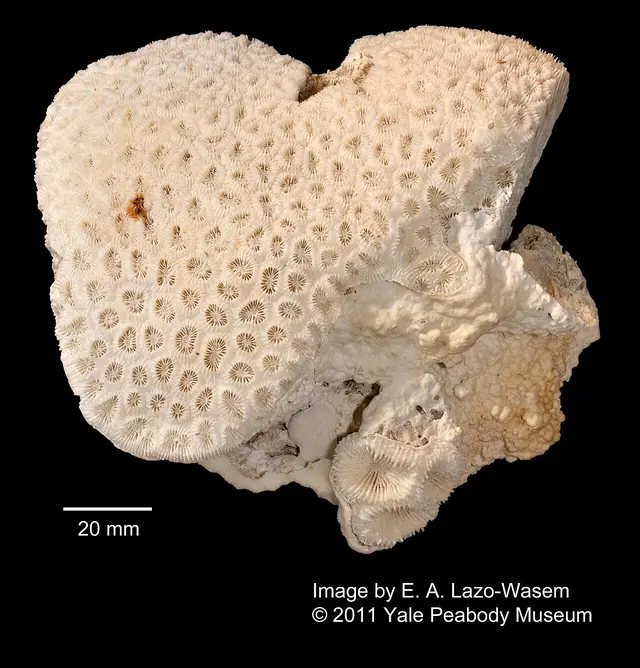
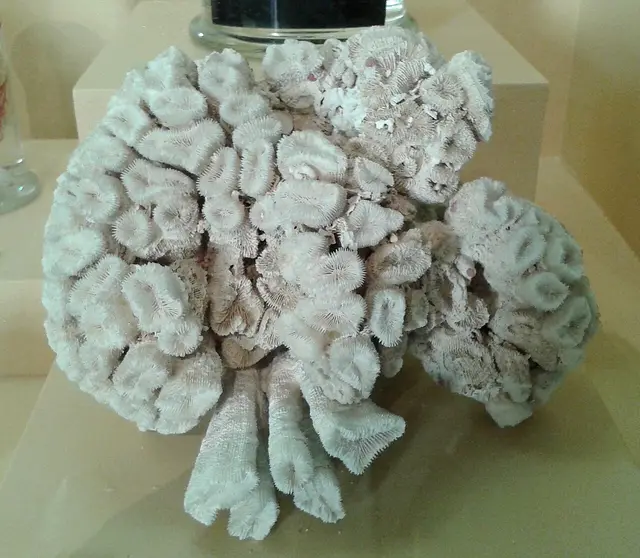
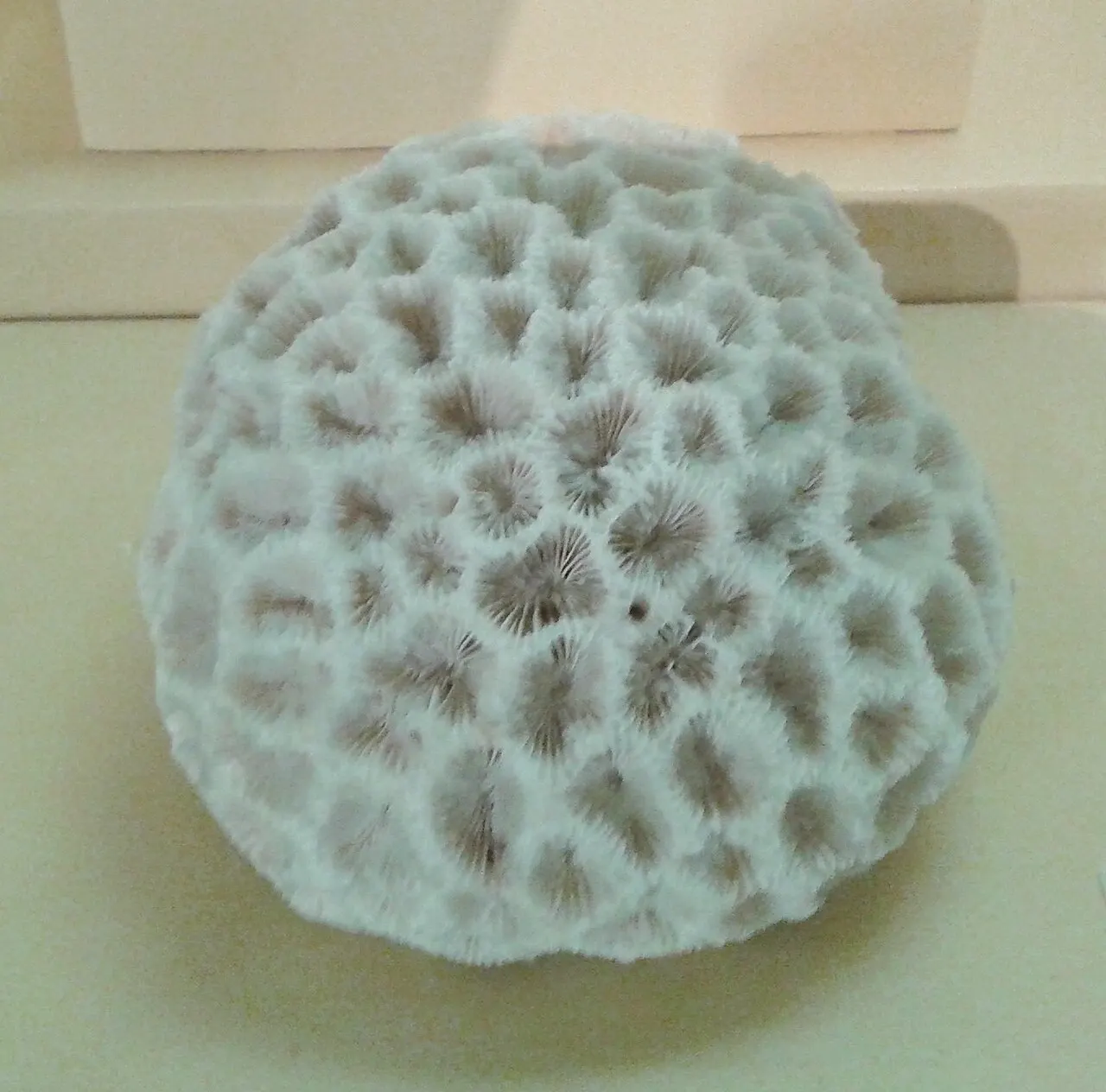
Colonies are massive and usually form large, irregular domes on reef tops. The cups (corallites) are packed tightly together, about 8 to 10 mm across, and the colour is a mix of blue-grey, green and yellow.
Telling it from its relatives is harder than it seems. A 2024 study of 132 Mussismilia colonies from Bahia, 38 of them this species, found that differences in cup size, septa count and the spines on the septa help separate the species. It also warned that field identification and video transects, which show only the top of a colony, can lead to misidentification.
Where it lives
The genus Mussismilia occurs only off Brazil's Atlantic coast, and this species is restricted to shallow reefs in Bahia State and the Abrolhos reefs. The IUCN lists coral reef habitat in Brazil only, from the surface down to 25 metres, with an estimated area of occupancy of 416 (square kilometres, the IUCN's unit for this measure).
Abrolhos is an archipelago off southern Bahia. Its national marine park covers about 91,300 hectares.
Pins are Wikidata “endemic to” fields. Orange dots, when present, are GBIF occurrence tiles — survey bias included.
How it lives
Like others in its genus, it is reportedly a hermaphroditic broadcast spawner on an annual cycle, releasing eggs and sperm into open water. It also shelters and feeds other animals. In one reef study the parrotfish Sparisoma amplum was its most frequent predator, and a crab, Trapezia hirsutus, reportedly depends on it more than on other Mussismilia species.
Why it is in trouble
The IUCN assessment estimates a reduction of about 47 percent in the past and about 30 percent ongoing, with an 80 percent reduction projected, based on declining reef area and habitat quality. It lists threats from coastal development, soil erosion and silt, shipping lanes, tourism and recreation, harvest of the coral, storms and temperature extremes. Warming seas and bleaching also threaten the genus.
This coral is listed in CITES Appendix II, which monitors international trade.
What is being done
The IUCN lists site protection and management, habitat restoration, species recovery, captive propagation and a genome resource bank among its conservation actions. It records the species in at least one protected area. The Abrolhos Marine National Park, which covers most of the archipelago, was established in 1983.
Sources
Written for this catalog in our own words from the sources below, checked against them on 12 November 2026. Population figures are estimates and carry the year they were made. Status and assessment year: IUCN. 2026. The IUCN Red List of Threatened Species. Version 2026-1. iucnredlist.org.
- IUCN Red List assessment
- Mussismilia (encyclopedia article)
- 2024 study of Mussismilia morphology in Bahia, Journal of the Marine Biological Association of the UK
- Oliveira et al. 2019 bioRxiv preprint on Mussismilia habitat modelling
- Abrolhos Marine National Park (encyclopedia article)
- SeaLifeBase, Mussismilia braziliensis
- Reeflex coral lexicon, Mussismilia braziliensis