Brazil
62 catalog pins
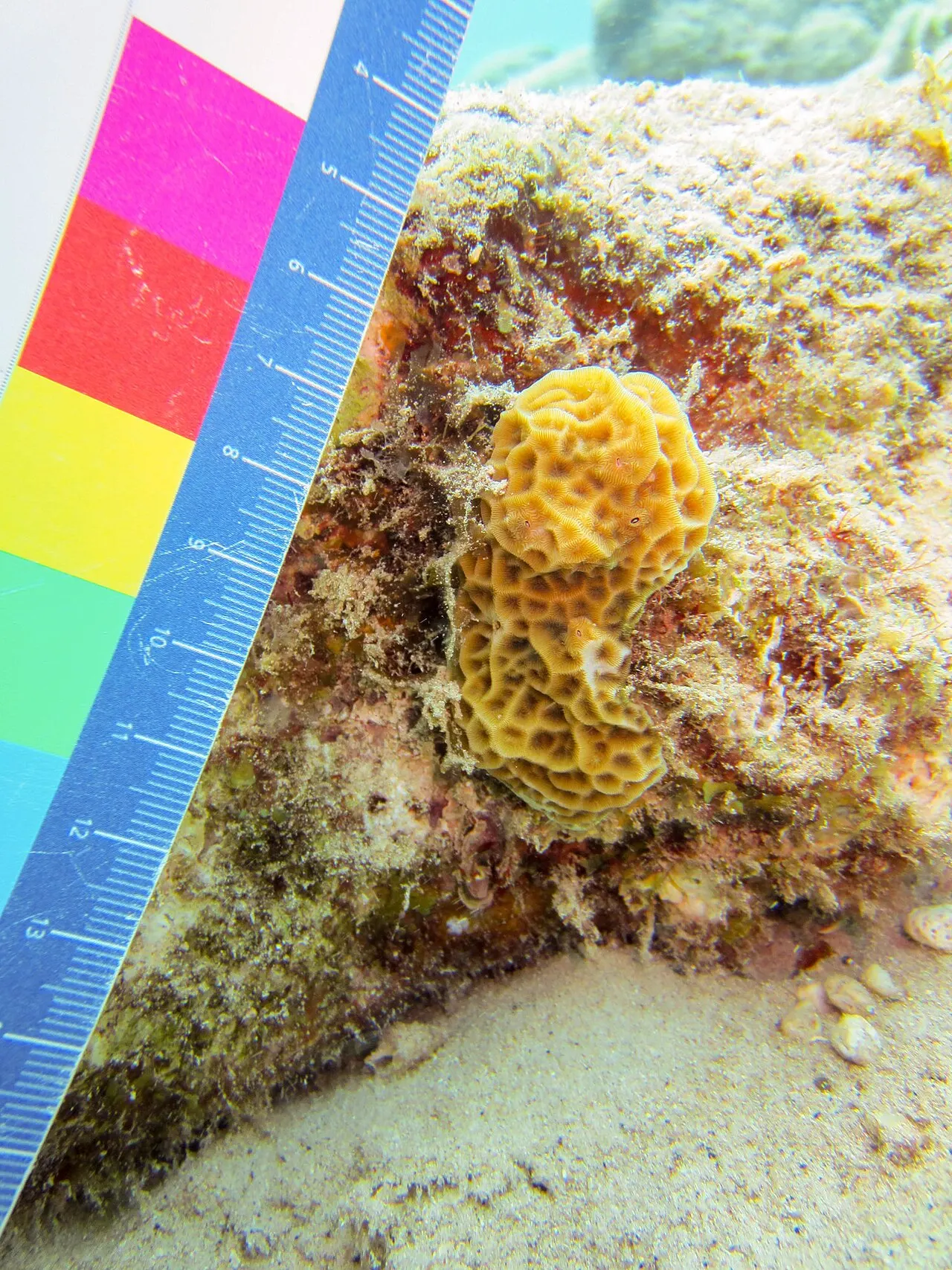
62 animals in this catalog carry a structured country pin for Brazil. That is a filing fact, not a claim that the crisis is only here.
The photograph is one of those animals: Lowrelief Lettuce Coral. Open a dossier for the text, the status, and the map. Use the world map to jump to another country. Confirm official distributions on the Red List.
Brazil is the largest country in South America and one of the world's megadiverse nations. The CBD profile counts six terrestrial biomes and three large marine ecosystems, and ranks the country second only to Indonesia for species endemism (another line of the same profile gives it first). The biomes are the Amazon, Cerrado, Atlantic Forest, Caatinga, Pantanal and Pampas.
Two of them, the Atlantic Forest and the Cerrado, are listed as biodiversity hotspots. Threatened animals are recorded across the country because so many species live nowhere else and so much of their habitat has been converted to farmland, pasture and cities.
Where the pressure comes from
The CBD profile says habitat loss is by far the most significant cause driving species toward threatened status. It also lists alien species and disease, overexploitation, monoculture, pollution and climate change.
The Atlantic Forest shows the scale. It once covered about 1,300,000 sq km around 1500, and the figures for its loss differ (over 85% in one passage of the source, almost 88% in another). Roughly 40% of its vascular plants and up to 60% of its vertebrates are endemic. In one study of fragments, community biomass fell to 60% of the original in plots under 25 hectares.
The coast adds another set of cases. The CBD profile notes that Brazil holds the only reef environments in the South Atlantic, along 3,000 km of the northeast coast.
What is being done
Brazil ratified the CBD in 1994, and ICMBio, the federal conservation institute, was created in 2007 when the older agency IBAMA was divided. The profile says Brazil created more protected areas, by number and extent, than any other country in 2006 to 2010. By mid-2010 the share of each biome protected ranged from 27.1% in the Amazon to 3.1% in the coastal and marine zone.
Abrolhos Marine National Park, established on 6 April 1983, covers about 91,300 hectares and protects coral formations. In the Atlantic Forest, the Pact for Atlantic Forest Restoration has assembled over 100 businesses, agencies and NGOs with a goal of restoring 15 million hectares by 2050.
Reading the catalog for Brazil
The catalog's list for Brazil is mixed. Records with no class recorded are the largest group, and the most common families are Characidae and Rivulidae. Birds, reptiles and amphibians follow in equal numbers, then mammals and corals. A varied list like this fits a country with so many habitats.
Sources for this section
- CBD country profile, Brazil: biomes, hotspots, threats, reef statement, protected areas, strategy dates
- Wikipedia, Wildlife of Brazil: biomes list
- Wikipedia, Atlantic Forest: extent, loss, endemism, fragmentation, restoration pact
- Wikipedia, Abrolhos Marine National Park: establishment date, size, reefs
What the catalog records for Brazil
The catalog has 62 animals with a country pin for Brazil: 29 Critically Endangered and 33 Endangered. By GBIF class the largest groups are unknown (16), Aves (8), Squamata (8), Amphibia (8). The families with the most records are Characidae (5), Rivulidae (4), Faviidae (3). A pin means a structured source (Wikidata or a GBIF match) places the animal in Brazil; it does not say the animal lives only there.
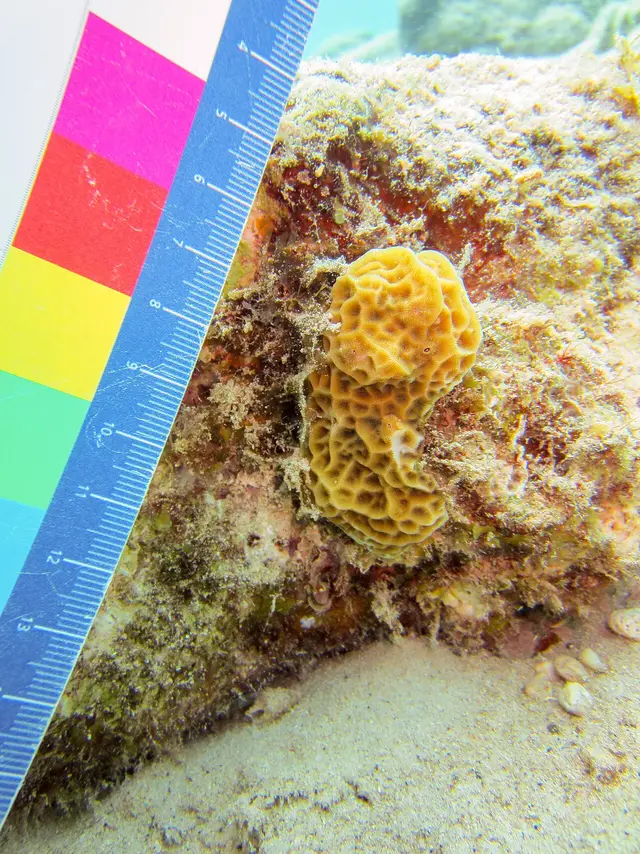 CR
Lowrelief Lettuce Coral
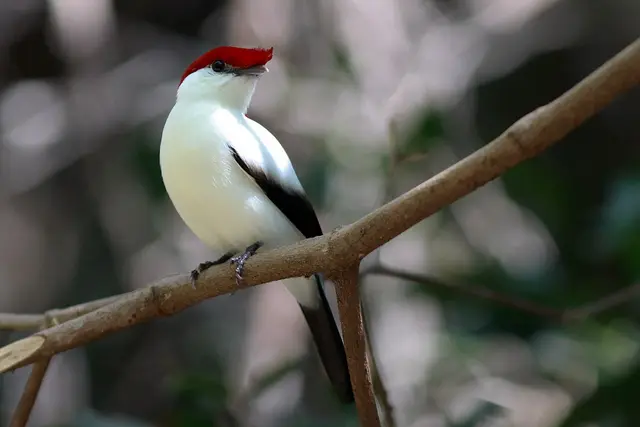 CR
Araripe Manakin
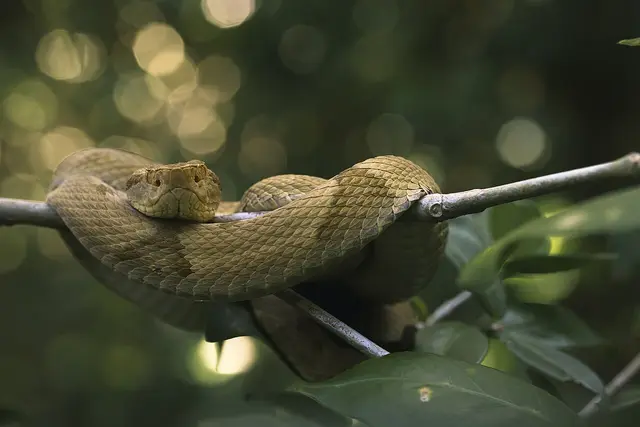 CR
Golden lancehead
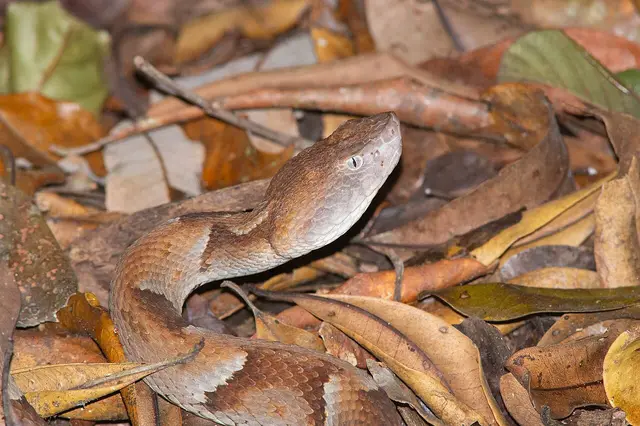 CR
Bothrops muriciensis
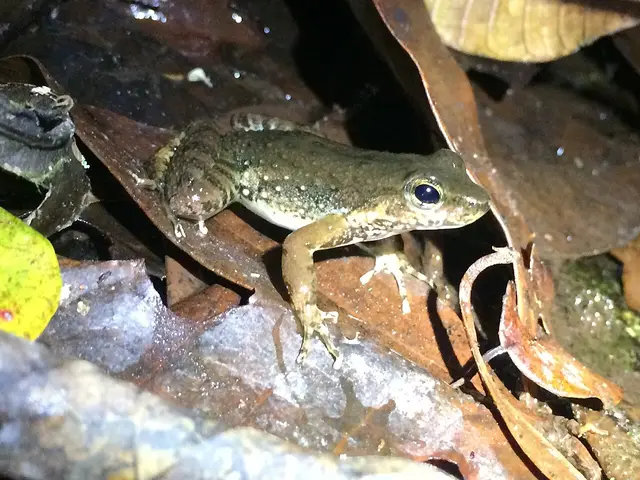 CR
Crossodactylus dantei
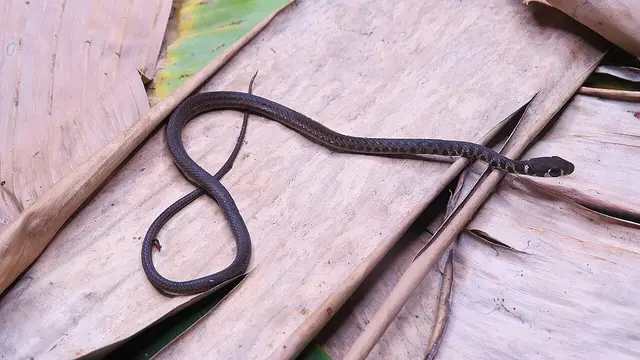 CR
Echinanthera cephalomaculata
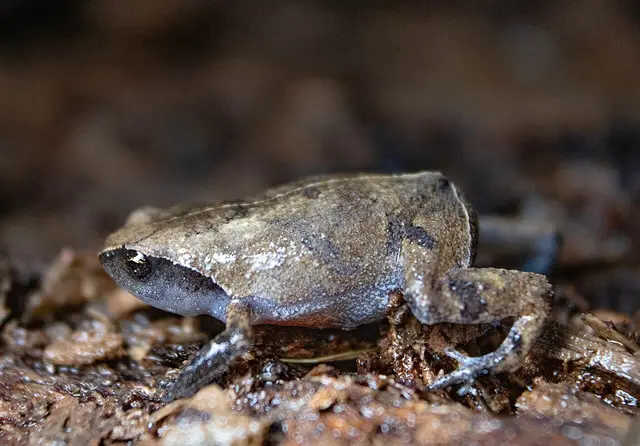 CR
Euparkerella robusta
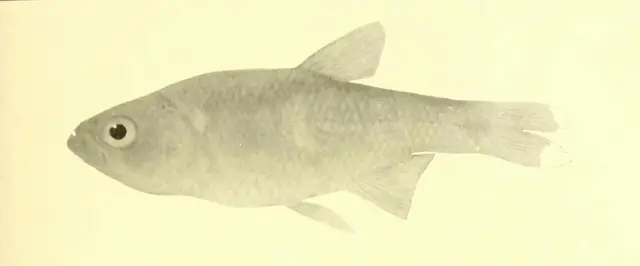 CR
Hasemania maxillaris
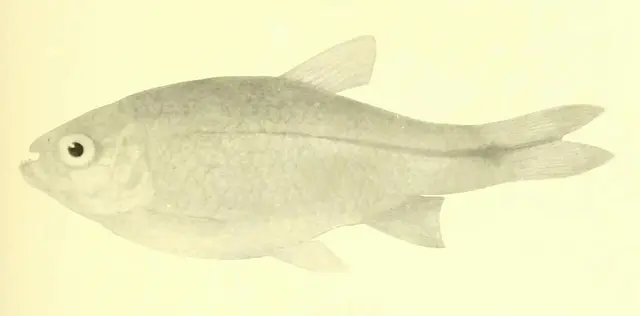 CR
Hasemania melanura
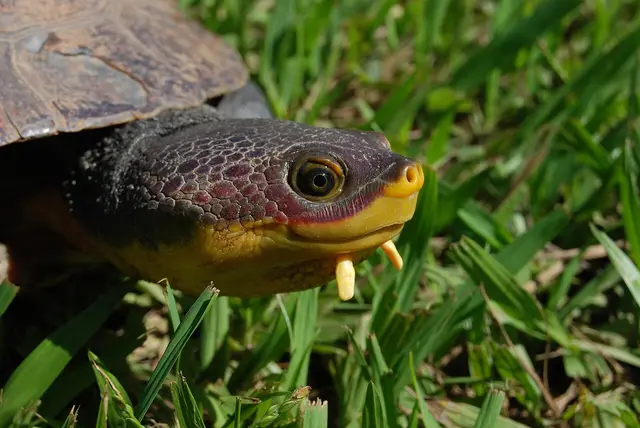 CR
Hoge's side-necked turtle
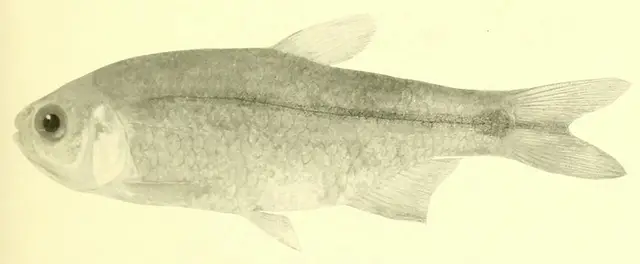 CR
Hyphessobrycon taurocephalus
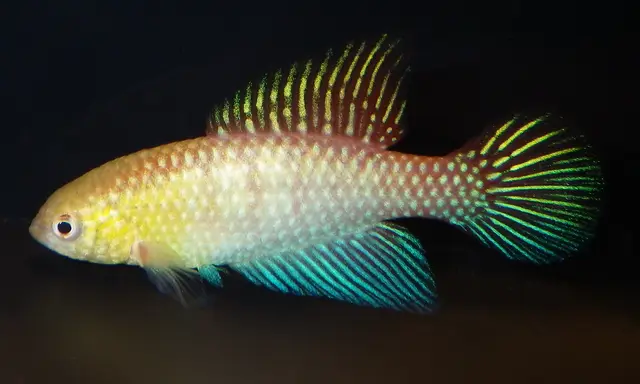 CR
Hypsolebias shibattai
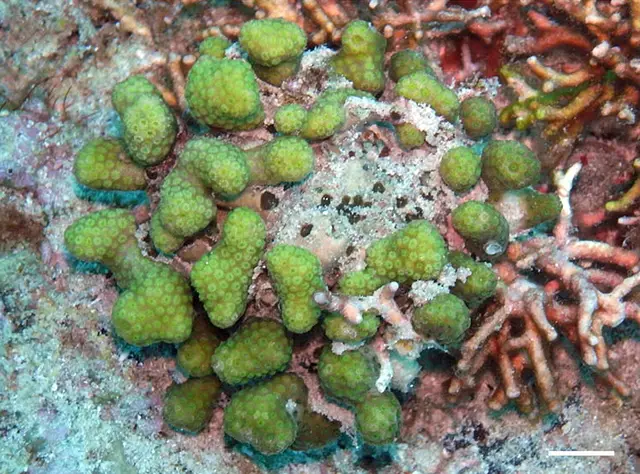 CR
Ten-ray Star Coral
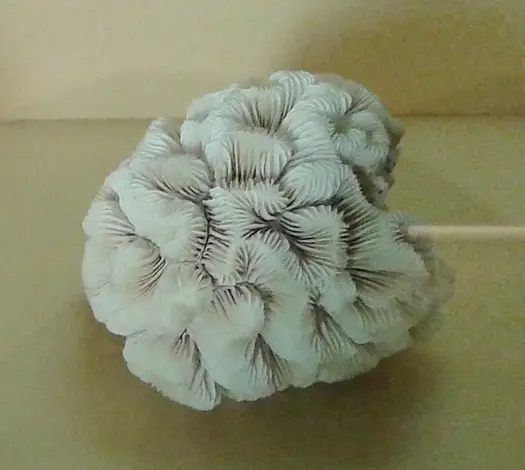 CR
Brazilian maze coral
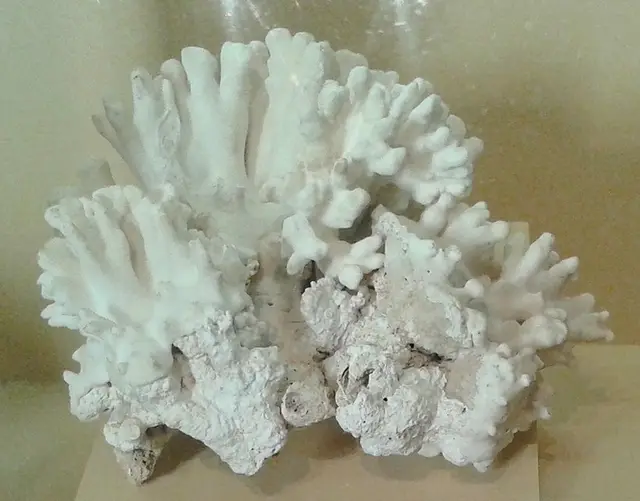 CR
Millepora nitida
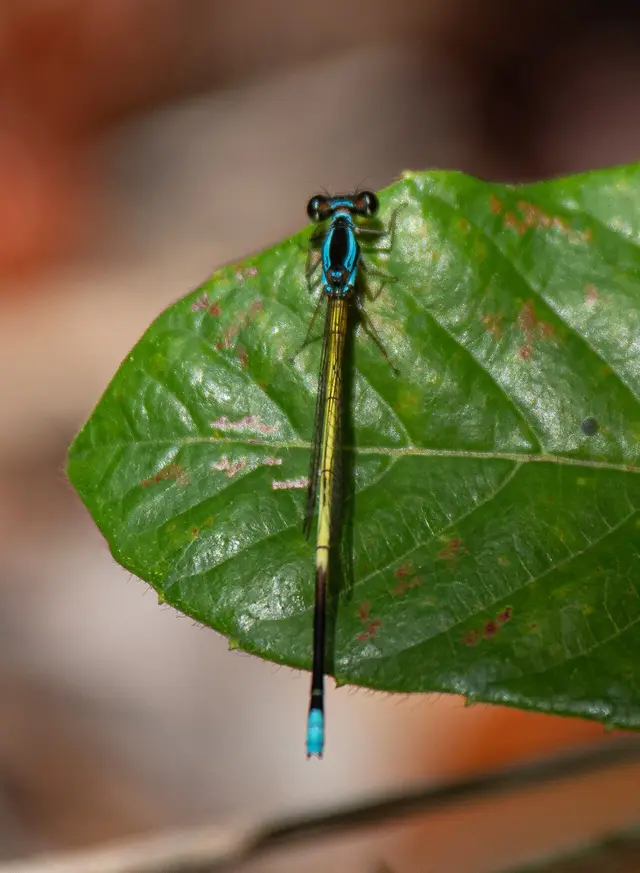 CR
Minagrion ribeiroi
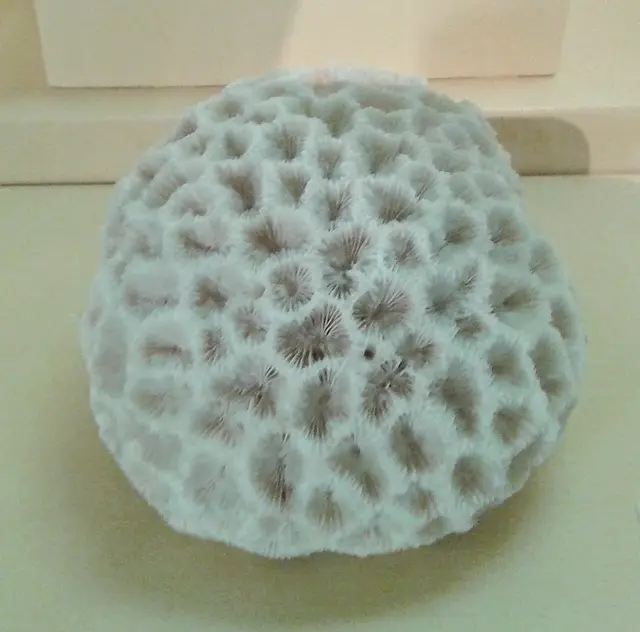 CR
Bahia Brain Coral
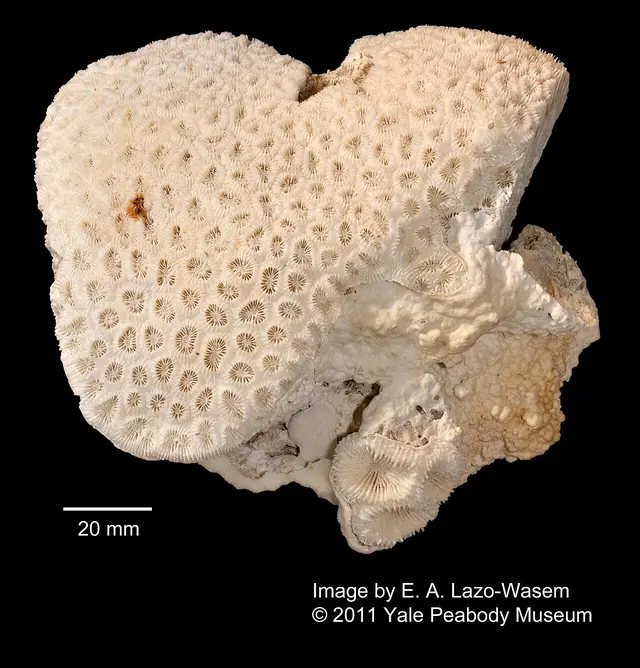 CR
Mussismilia leptophylla
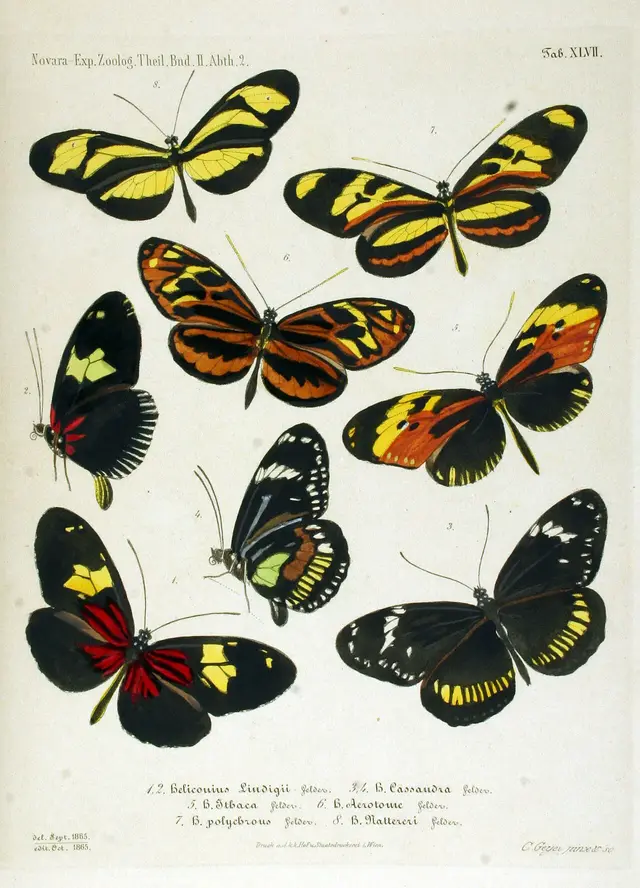 CR
Natterer's Longwing
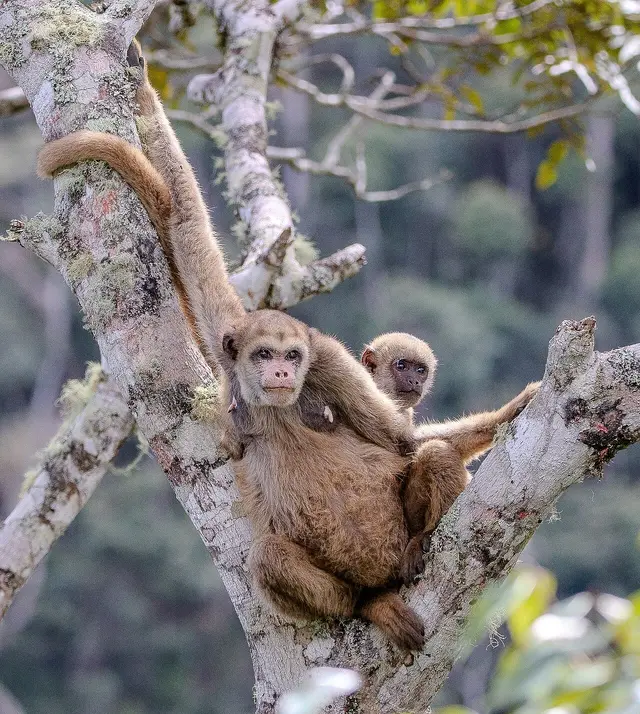 CR
Northern muriqui
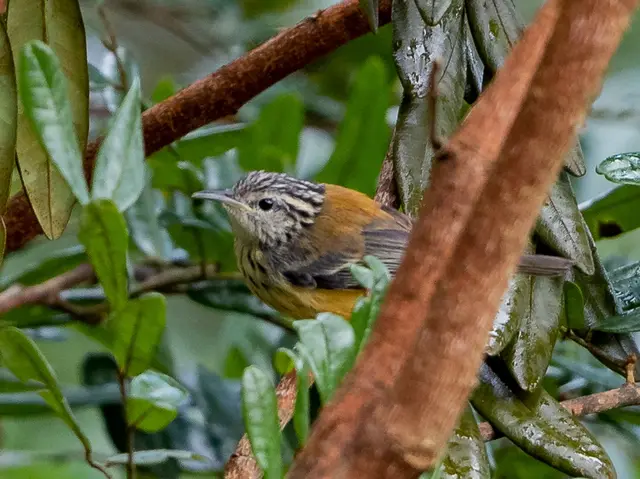 CR
Orange-bellied Antwren
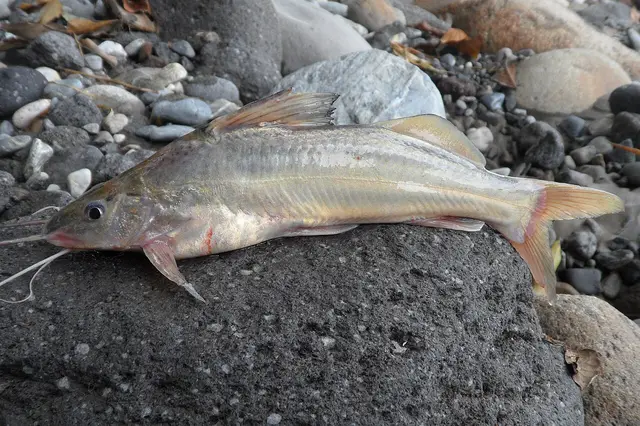 CR
Pimelodus grosskopfii
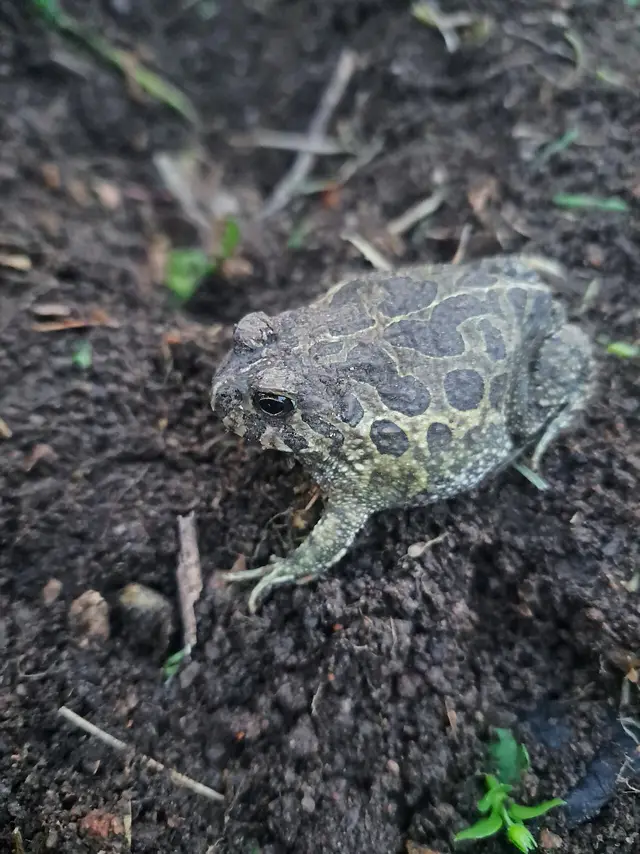 CR
Proceratophrys palustris
CRAraripe manakin
Showing the first 24. Total pins: 62.
Quick answers
- Do all these animals live only in Brazil?
- No. A pin means a Wikidata place field resolved here. Official ranges can be wider.
- Is this a government list?
- No. It is a slice of this catalog.