Endangered
Mussismilia harttii
Mussismilia harttii
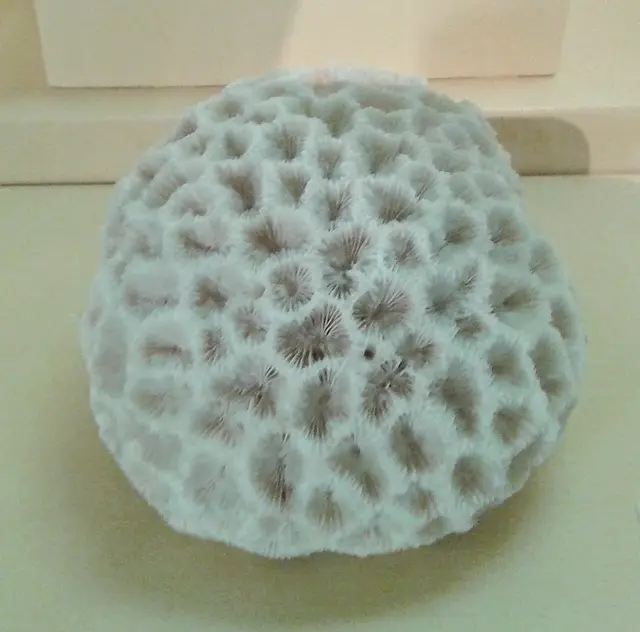
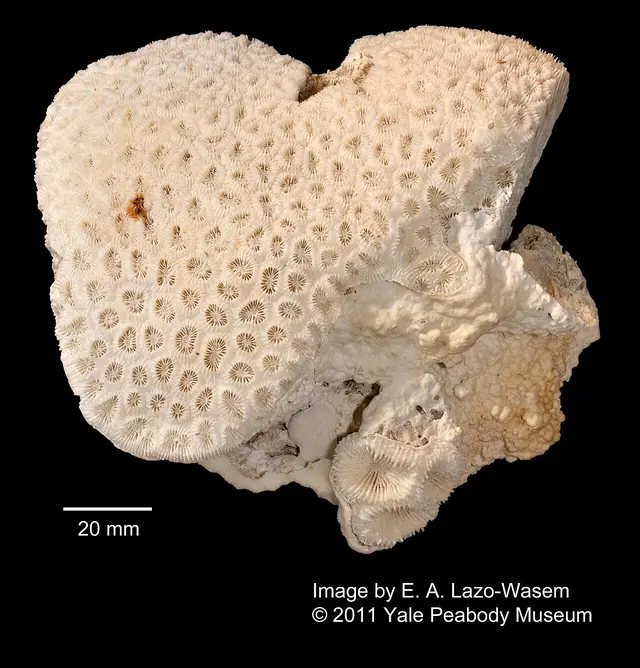
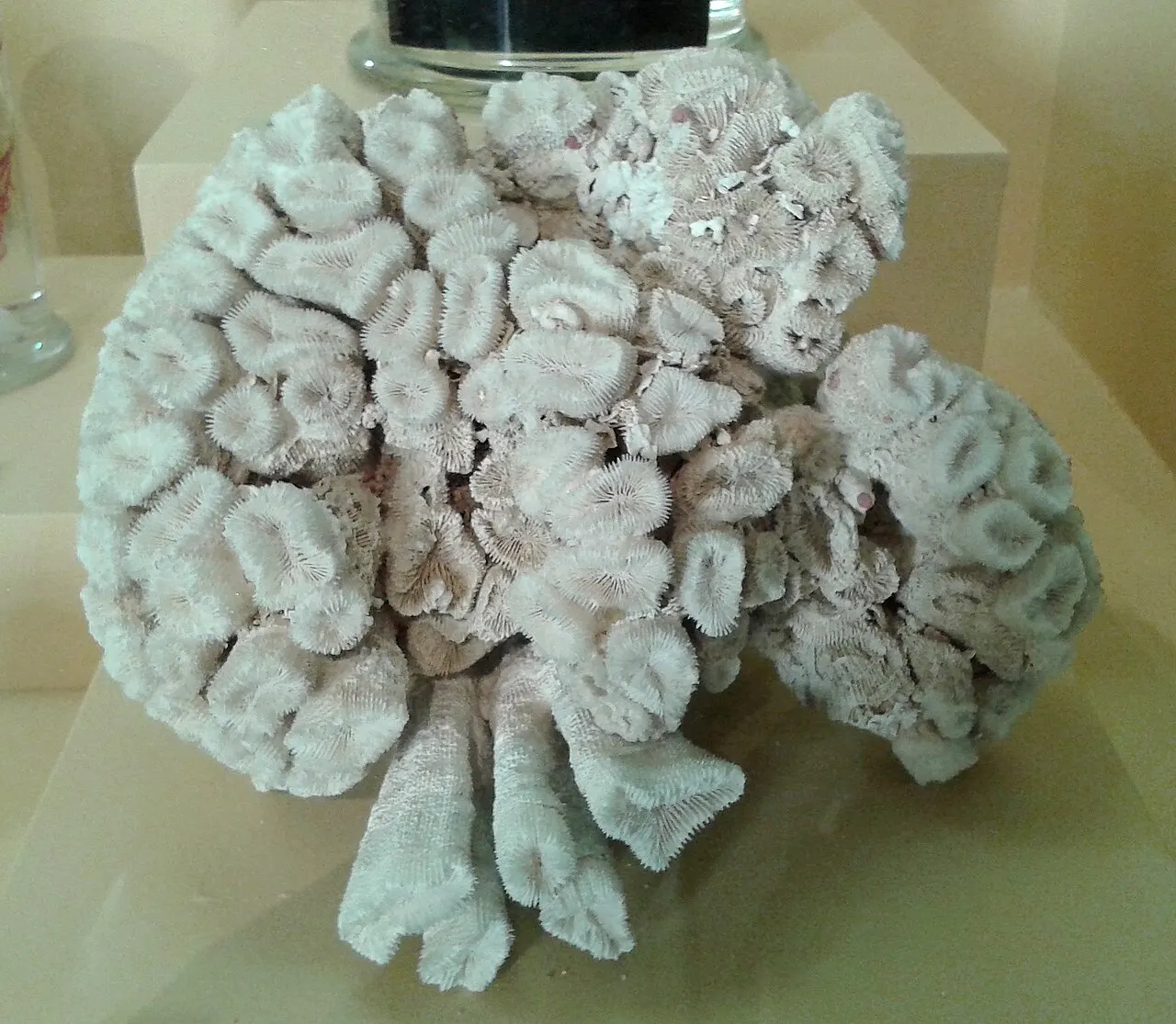
Mussismilia harttii is a stony coral found only on the reefs of Brazil, where it builds large bluish-grey colonies of tube-like corallites. It is often called a brain coral. The IUCN Red List rated it Endangered in 2022, after Data Deficient in 2008, estimating that its population has fallen by about half.
How to recognise it
Colonies are built from rounded, tube-shaped corallites averaging 15 to 20 mm across, and a colony is often more than a metre wide. The tubes are usually not joined at the base, or only by dead connections, so pieces break off and scatter easily. The living tissue is mostly bluish-grey, and the septa inside each cup have rounded, bead-like teeth.
Where it lives
Its whole range is in Brazil. The IUCN lists the species for Brazil alone, on rocky reefs and coral reefs from the surface down to about 50 m, and estimates the area it actually occupies at about 504 square km. It is reported to range from Ceara to Espirito Santo, mostly at 2 to 6 m, with isolated records far deeper.
It prefers shallow, turbid reef water, which suits the sediment-rich reefs of the Brazilian coast. Reef guides call it common. The related genus Mussismilia is confined to Brazil's Atlantic coast.
Pins are Wikidata “endemic to” fields. Orange dots, when present, are GBIF occurrence tiles — survey bias included.
How it lives
Corals of this genus get energy two ways, from algae living in their tissue and by catching zooplankton. Mussismilia harttii is a hermaphrodite that spawns, releasing eggs and sperm into open water, on an annual cycle averaging about 11 months.
A 2022 Frontiers in Marine Science study describes the species it monitored, M. harttii among them, as ecologically relevant reef builders that also shelter fish and invertebrates, so losses affect the reef itself and not just the coral.
Why it is in trouble
The IUCN estimates a population reduction of about 50 percent, based on an index of abundance and on loss of reef habitat, and lists the trend as decreasing. Its threat list covers high sea temperatures, storms, sedimentation, shipping lanes, coastal housing and industry, tourism and recreation, and small-scale harvest.
Heat is the clearest recent blow. The Frontiers study surveyed three reefs off Maragogi, Alagoas, at about 3 to 8 m depth after the severe 2020 thermal stress event and found an average of 32.6 percent of M. harttii colonies dead per transect, with up to 55 percent on some transects. Surveys were not possible from March to June 2020, so the peak of the event was missed.
What is being done
The species occurs in at least one protected area, and the Maragogi reefs surveyed lie inside the Costa dos Corais marine protected area. The IUCN lists habitat restoration, site protection and management, captive breeding, genome banking and species recovery as actions needed. All stony corals, this one included, are on CITES Appendix II, which controls international trade through permits.
Sources
Written for this catalog in our own words from the sources below, checked against them on 12 November 2026. Population figures are estimates and carry the year they were made. Status and assessment year: IUCN. 2026. The IUCN Red List of Threatened Species. Version 2026-1. iucnredlist.org.