Costa Rica
12 catalog pins
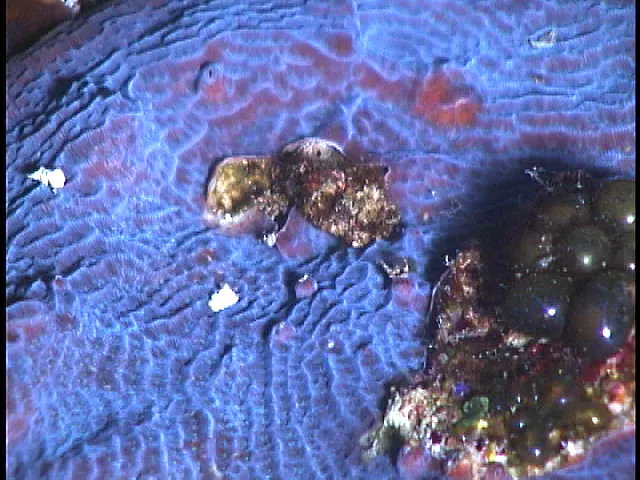
12 animals in this catalog carry a structured country pin for Costa Rica. That is a filing fact, not a claim that the crisis is only here.
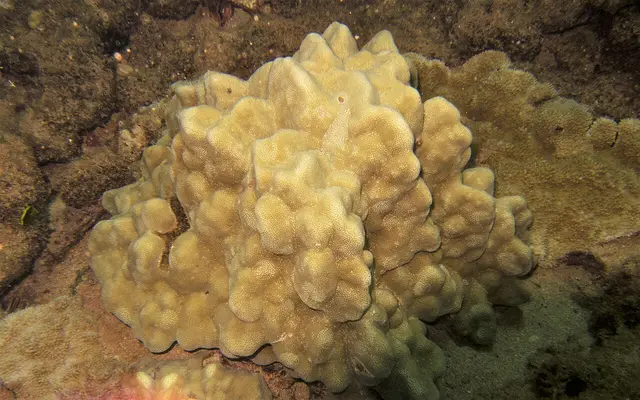
The photograph is one of those animals: Lamarck's Sheet Coral. Open a dossier for the text, the status, and the map. Use the world map to jump to another country. Confirm official distributions on the Red List.
Costa Rica is a small Central American country between the Pacific and the Caribbean. A land bridge with Panama formed about 3 to 5 million years ago and let North and South American plants and animals mix. An overview credits the country with twelve climatic zones and roughly 4 to 5% of the world's estimated species (the article gives both figures).
Recorded groups include about 175 amphibian species, about 225 reptiles, over 250 mammals and 941 birds (a count that includes Cocos Island). Habitats range from cloud forest and dry forest to mangroves and coral reefs.
Where the pressure comes from
The CBD profile lists habitat loss from land-use change, mining, overexploitation, pollution and sedimentation, climate change, and the spread of pineapple, rice, sugarcane and oil palm, which can encroach on river margins. Habitat is fragmented, and a high share of cloud forests is unprotected.
Amphibians have been hit hard. Monteverde Cloud Forest Reserve is estimated to have lost 40% of its frog and toad species since 1987. The golden toad was last seen in 1989. The CBD profile notes a recent positive trend for amphibians, though the group remains highly vulnerable. Coral reefs have improved slightly from the losses of the 1980s and 1990s but are still vulnerable.
What is being done
Over 27% of the land has protected status, according to an overview. UNESCO sites include Talamanca-La Amistad (1983), Cocos Island National Park (1997) and the Guanacaste Conservation Area (1999). Cocos Island lies about 550 km southwest of the mainland, and its World Heritage listing was extended in 2002 to a marine zone of 1,997 km2. Illegal poaching of large marine species in its waters is called a main concern.
A 1998 Biodiversity Law (No. 7788) and a national biodiversity strategy for 2000 to 2005 set the policy frame. A fuel tax funds payments to landowners who keep forest standing. Forest cover has held at about 52% since 2010, according to the CBD.
Reading the catalog for Costa Rica
The catalog's list for Costa Rica has 12 animals: 8 Critically Endangered and 4 Endangered. Corals (Anthozoa) are the largest group with 6 records, then amphibians with 2. Craugastor escoces, a frog, is among the Critically Endangered, and the Galapagos damsel appears too. Reef corals and amphibians are two groups the CBD profile describes as highly vulnerable.
Sources for this section
- CBD country profile, Costa Rica: threats, amphibians, coral reefs, cloud forest gap, forest cover, NBSAP and law dates
- Wildlife of Costa Rica (Wikipedia): land bridge, species counts, climatic zones, protected share, UNESCO sites, Monteverde amphibian losses, golden toad
- Cocos Island National Park (Wikipedia): distance, 1997 and 2002 World Heritage listing, marine area, poaching
What the catalog records for Costa Rica
The catalog has 12 animals with a country pin for Costa Rica: 8 Critically Endangered and 4 Endangered. By GBIF class the largest groups are Anthozoa (6), unknown (3), Amphibia (2), Squamata (1). The families with the most records are Faviidae (3), Agariciidae (2), Cichlidae (2). A pin means a structured source (Wikidata or a GBIF match) places the animal in Costa Rica; it does not say the animal lives only there.
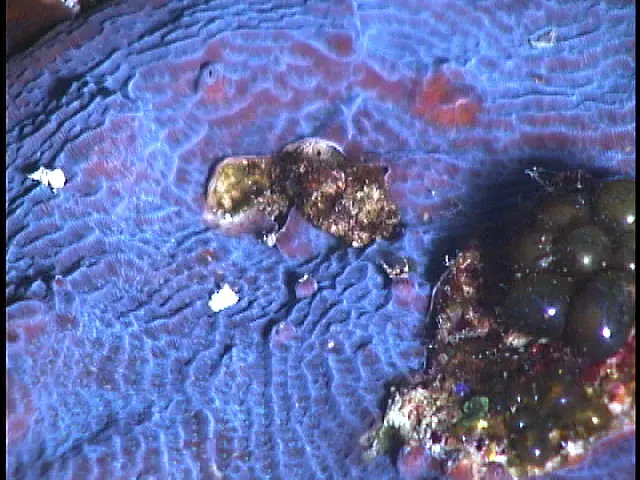 CR
Lamarck's Sheet Coral
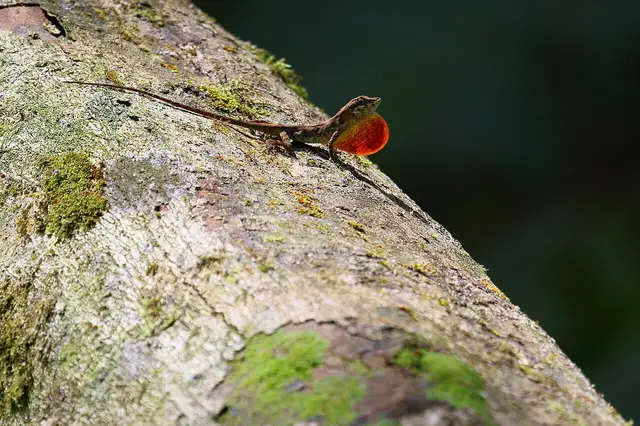 CR
Anolis monteverde
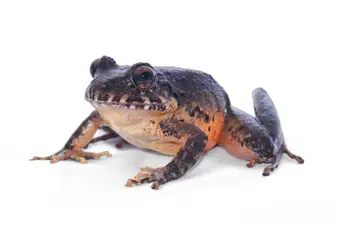 CR
Craugastor escoces
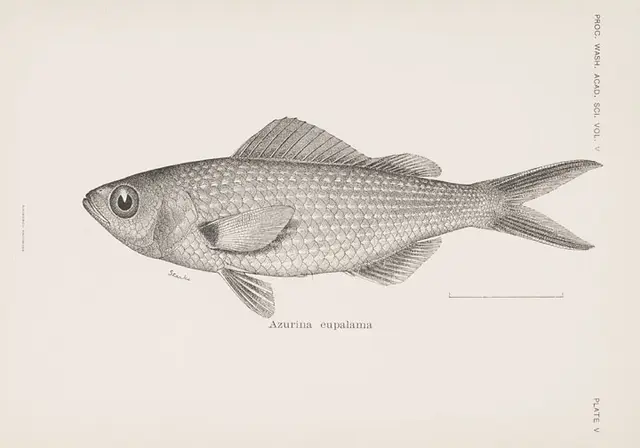 CR
Galapagos damsel
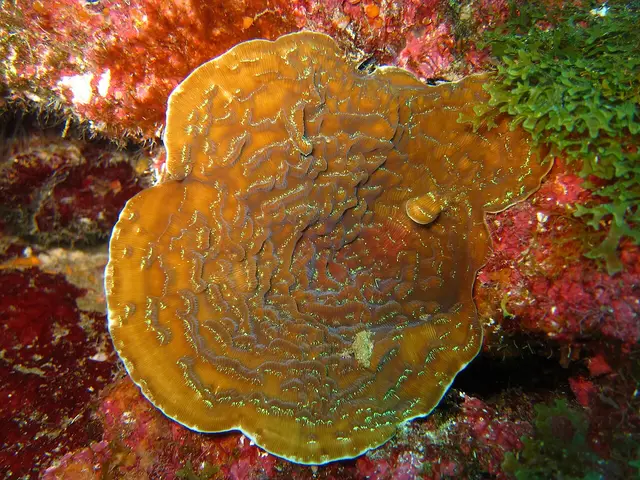 CR
Sunray Lettuce Coral
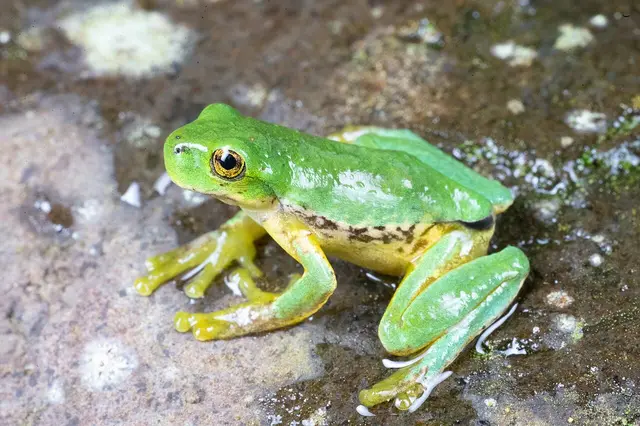 CR
Isthmohyla pictipes
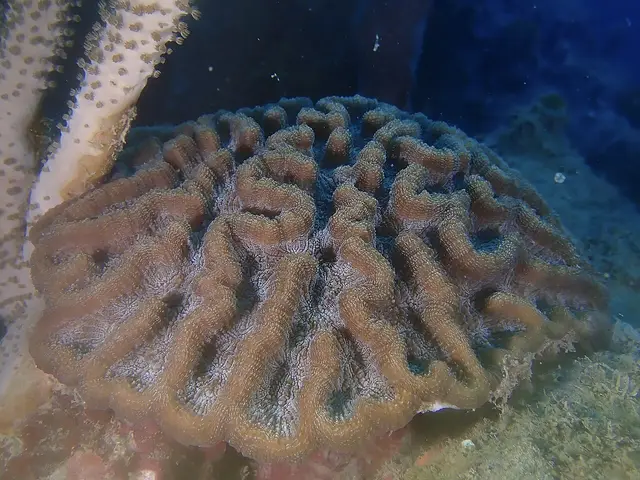 CR
Lowridge cactus coral
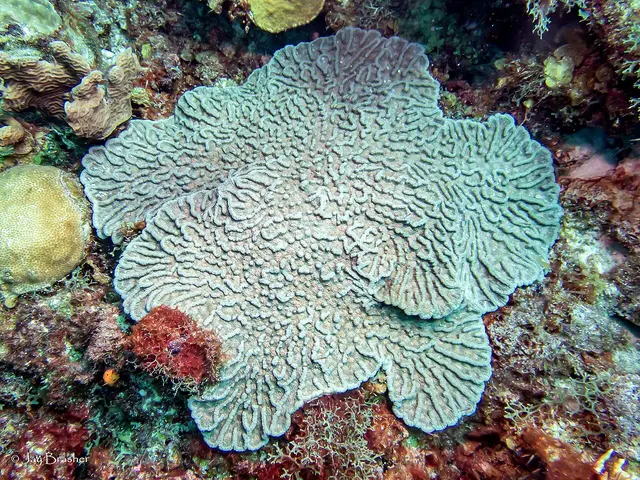 CR
Rough Cactus Coral
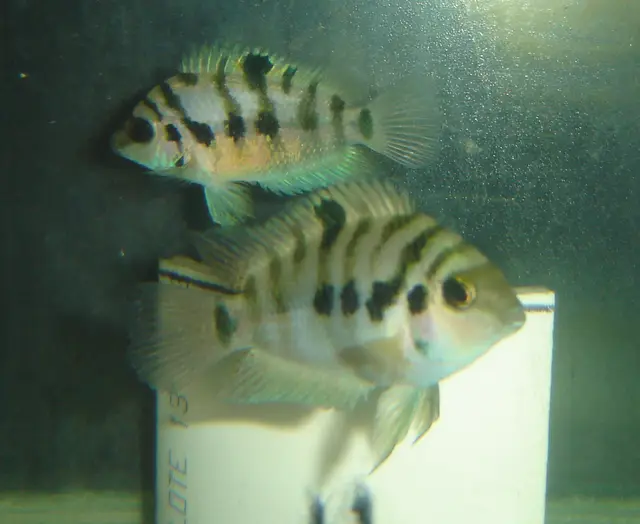 EN
Panama Convict Cichlid
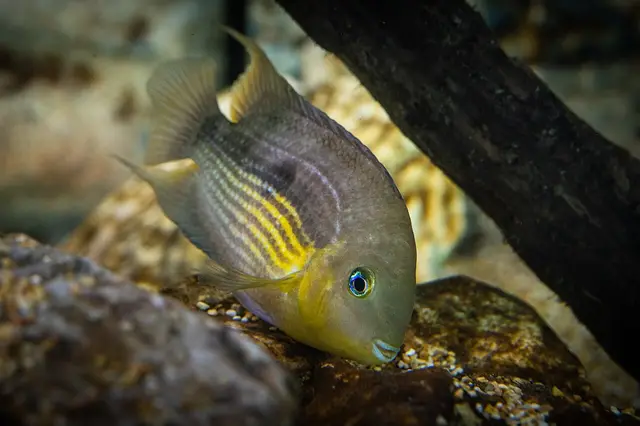 EN
Myrna's Cichlid
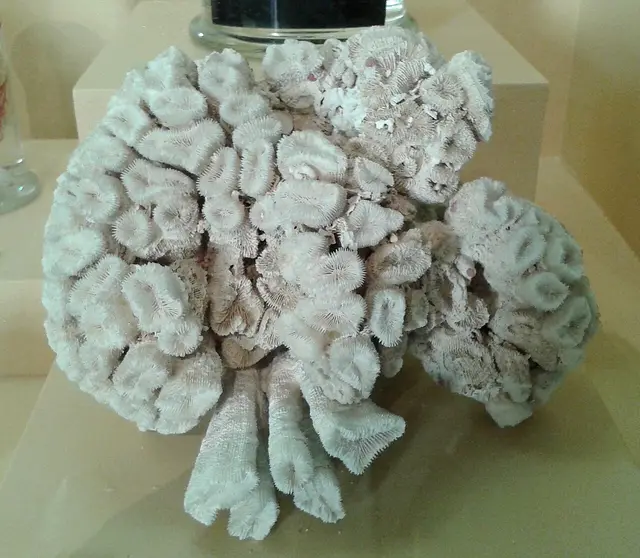 EN
Mussismilia harttii
 EN
Porites evermanni
Total pins: 12.
Quick answers
- Do all these animals live only in Costa Rica?
- No. A pin means a Wikidata place field resolved here. Official ranges can be wider.
- Is this a government list?
- No. It is a slice of this catalog.