Critically Endangered
Isthmohyla pictipes
Isthmohyla pictipes
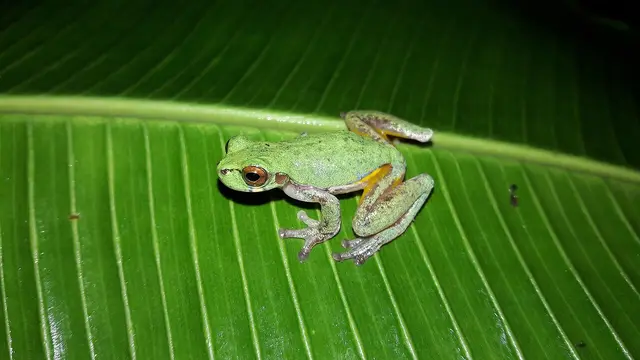
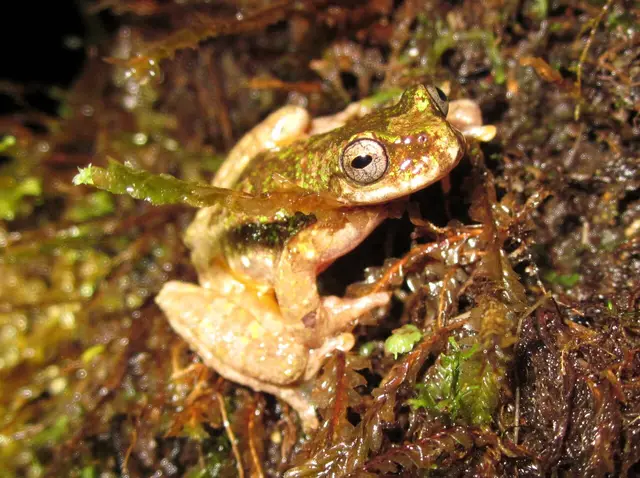
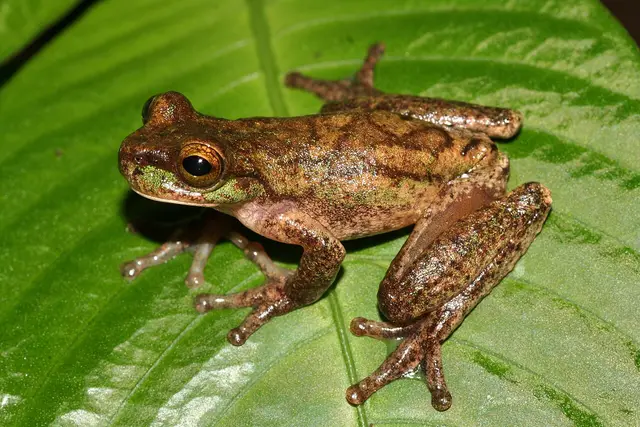
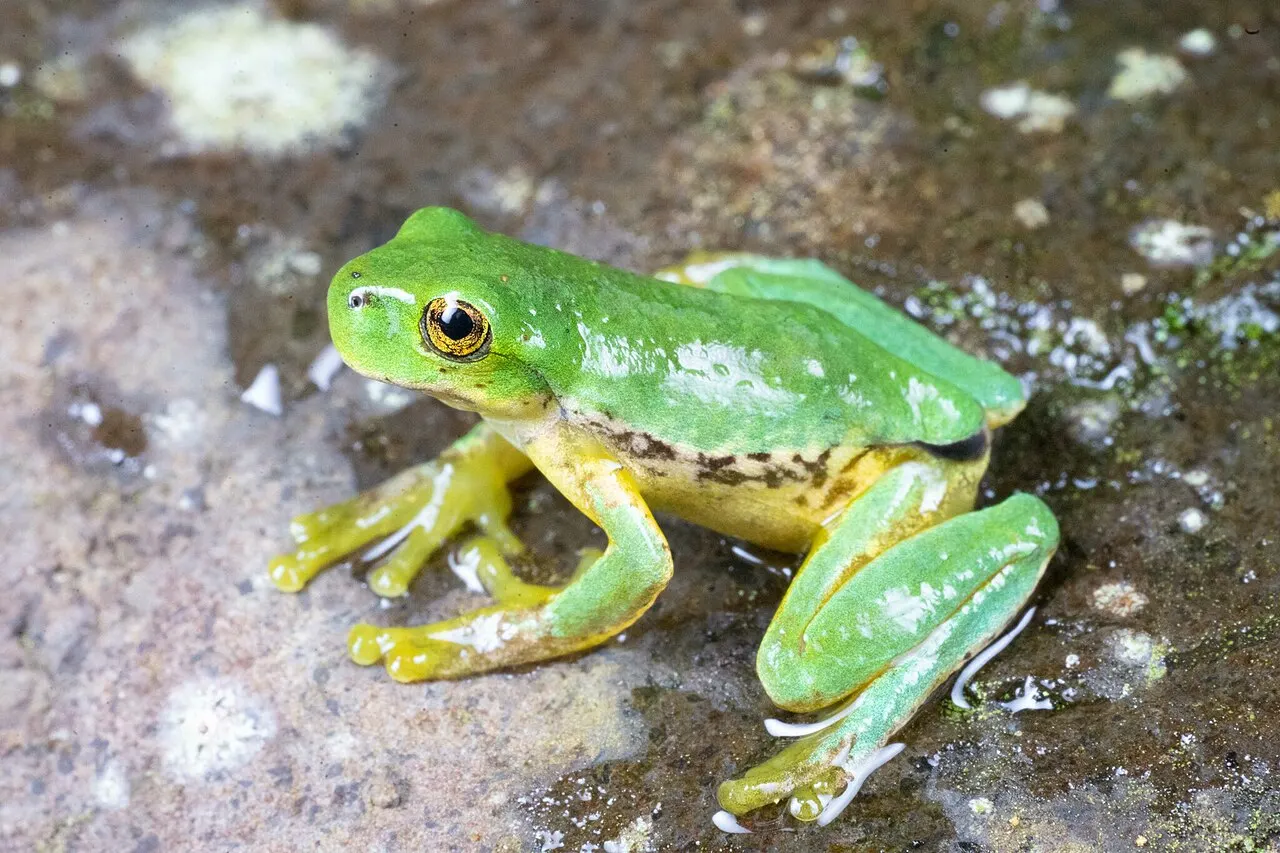
Isthmohyla pictipes is a stream-dwelling treefrog of the Costa Rican highlands, and possibly Panama, found in montane forest between roughly 1,930 and 2,800 metres. The IUCN rated it Critically Endangered in 2020, with an estimated population of 249 and a shrinking, fragmented range. Costa Rican surveys found it again around 2020.
What it is
Isthmohyla pictipes belongs to the Hylidae, the treefrog family, and to the genus Isthmohyla. Edward Drinker Cope described it in 1875 under the genus Hyla. The IUCN gives its English name as Pico Blanco treefrog.
A 2020 paper in Zootaxa by Wagner Chaves-Acuña and colleagues described its colour variation, the form of adults and tadpoles, and differences between sites. It also discussed the features that separate the frog from two similar species, Isthmohyla tica and Isthmohyla xanthosticta, and reported that its underside fluoresces.
Where it lives
The Red List gives Costa Rica and Panama as its range, although some other sources say the frog is known from Costa Rica and possibly Panama. The 2020 Zootaxa paper reports recent records from the Cordillera de Talamanca in Costa Rica, roughly two decades after the frog was last registered.
Its habitats are permanent rivers and streams, including waterfalls, and subtropical or tropical moist montane forest. The assessment records an elevation range of 1,930 to 2,800 metres and says the frog does not migrate.
Pins are Wikidata “endemic to” fields. Orange dots, when present, are GBIF occurrence tiles — survey bias included.
Why it is in trouble
The 2020 assessment gives a population estimate of 249, with about 50 animals in the largest subpopulation. The population is recorded as severely fragmented and still declining, and the area it occupies is shrinking too. Those figures place it in the Critically Endangered category under criterion C2a(i), which covers very small, declining populations.
The threats the IUCN lists include housing and urban development, small-holder farming, herbicides and pesticides, droughts, and unintentional losses from small-scale harvest of other resources. Its stresses are ecosystem conversion and degradation, and death of individual animals.
What is being done
The frog occurs in at least one protected area. The assessment lists site and area management, site and area protection, resource and habitat protection, and captive breeding as conservation actions. It does not record a captive population in place.
The Zootaxa paper says its findings should help future population assessments and conservation plans. The long gap since the previous record means surveys are still needed to learn where the remaining animals live.
Sources
Written for this catalog in our own words from the sources below, checked against them on 12 November 2026. Population figures are estimates and carry the year they were made. Status and assessment year: IUCN. 2026. The IUCN Red List of Threatened Species. Version 2026-1. iucnredlist.org.