Panama
7 catalog pins
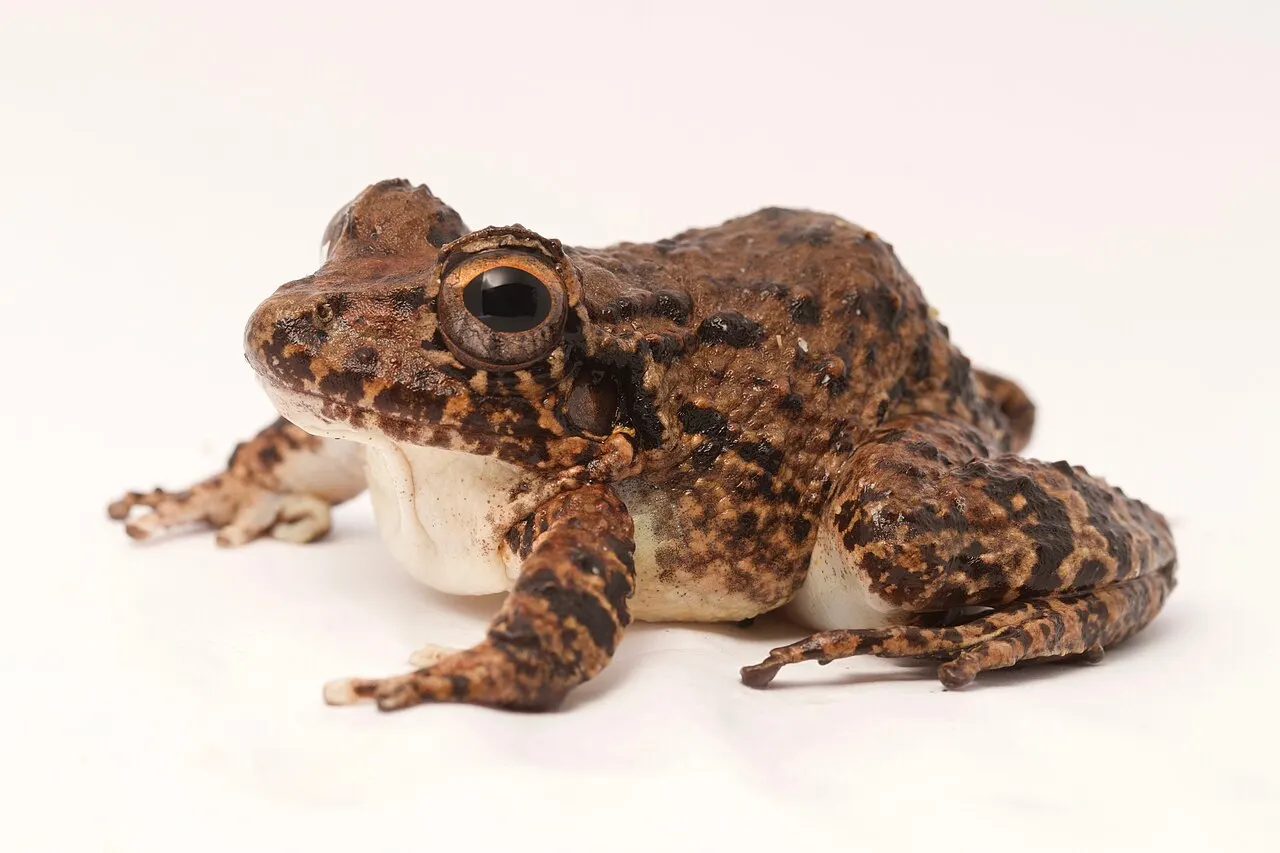
7 animals in this catalog carry a structured country pin for Panama. That is a filing fact, not a claim that the crisis is only here.
The photograph is one of those animals: Vanishing Rainfrog. Open a dossier for the text, the status, and the map. Use the world map to jump to another country. Confirm official distributions on the Red List.
Panama is a narrow land bridge between Central and South America, with the Caribbean Sea to the north and the Pacific Ocean to the south. Jungle covers around 40 percent of the land.
Panama's profile for the Convention on Biological Diversity (a draft, undated) mentions forests, mountain ecosystems, dry forest, coral reefs and river systems among its habitats. It counts 57 Key Biodiversity Areas, 53 of them also Important Bird Areas.
Where the pressure comes from
The profile ties the main threats to the expansion of the agricultural frontier. It adds hardwood extraction, gold and copper mining, building in the buffer zones of protected areas, pollution from agrochemicals and sewage, and overharvesting of lobster and crab in Bocas del Toro. Tree cover has fallen by more than half since the 1940s, according to a Wikipedia summary of the country's wildlife.
Disease is a separate problem. The chytrid fungus collapsed the El Cope population of the Panamanian golden frog in 2004 and reached El Valle, the frog's home, in 2006. The BBC filmed the species in the wild for the last time that year, and it is now treated as possibly extinct in the wild.
What is being done
Reported protected-area coverage differs by source. The draft profile gives about 38.66 percent of the national area (35.85 percent land, 2.81 percent marine), while a Wikipedia summary says 25 percent of the territory. Darien National Park is the largest in Central America and a UNESCO World Heritage site. Coiba National Park, created in 1992 and listed by UNESCO in 2005, covers an island of 494 square kilometres plus 38 smaller islands.
For frogs, the Houston Zoo founded the El Valle Amphibian Conservation Center in 2005. More than 50 institutions in North America and Panama keep golden frogs in captivity, and Panama has marked National Golden Frog Day on August 14 since 2010.
Reading the catalog for Panama
The catalog's list for Panama has 7 animals. Corals (Anthozoa) are the largest group in that list, followed by single records for an amphibian, a bird and a freshwater shrimp, plus one record with no class. Not every pin reflects a confirmed population in Panama, and Panama is rarely a species' only home.
Sources for this section
- CBD country profile, Panama: habitats, 57 KBAs, protected-area share, threats
- Wikipedia, Panama wildlife: 40 percent forest, tree cover loss, 25 percent protected, Darien
- Wikipedia, Coiba National Park: 1992 park, 2005 World Heritage, 760 fish species
- Wikipedia, Panamanian golden frog: chytrid 2004 and 2006, captive programmes, Golden Frog Day
- Wikipedia, Stony coral tissue loss disease: spread and mortality, Meandrina
What the catalog records for Panama
The catalog has 7 animals with a country pin for Panama: 4 Critically Endangered and 3 Endangered. By GBIF class the largest groups are Anthozoa (3), Amphibia (1), Aves (1), unknown (1). The families with the most records are Faviidae (2), Craugastoridae (1), Meandrinidae (1). A pin means a structured source (Wikidata or a GBIF match) places the animal in Panama; it does not say the animal lives only there.
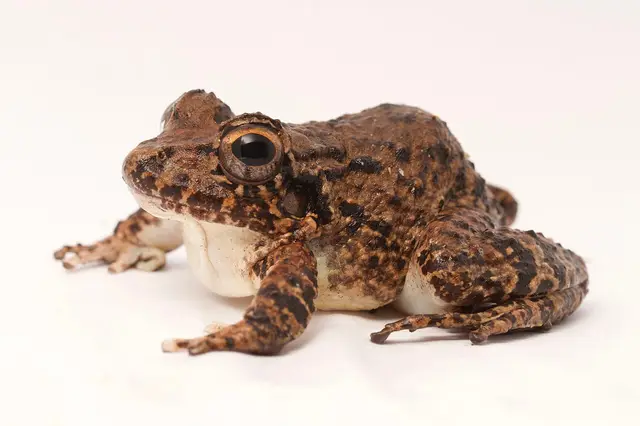 CR
Vanishing Rainfrog
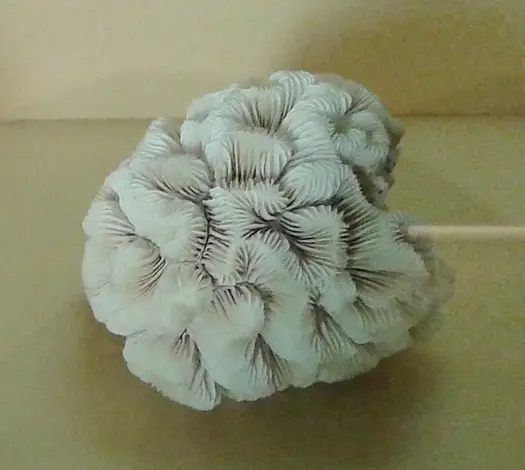 CR
Brazilian maze coral
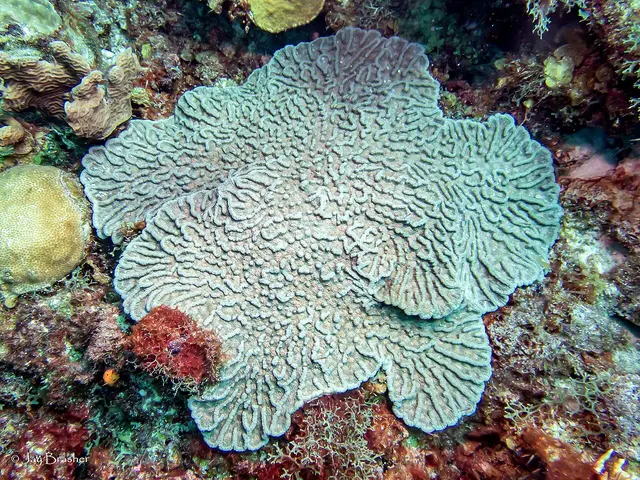 CR
Rough Cactus Coral
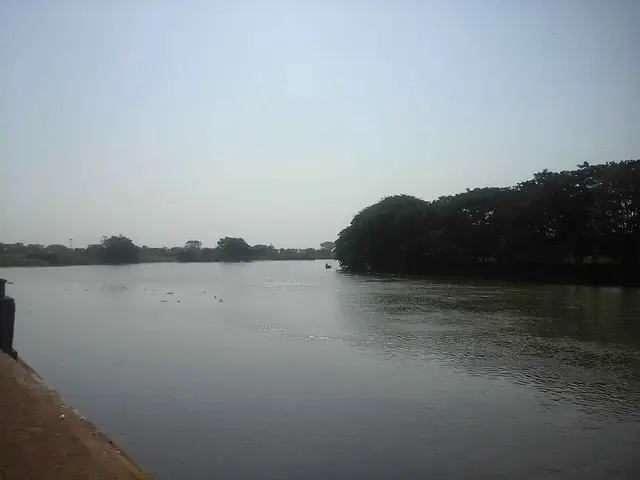 CR
Subandean parakeet
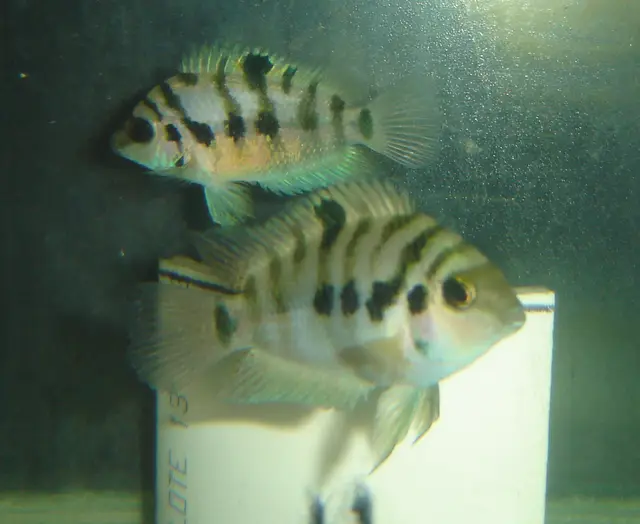 EN
Panama Convict Cichlid
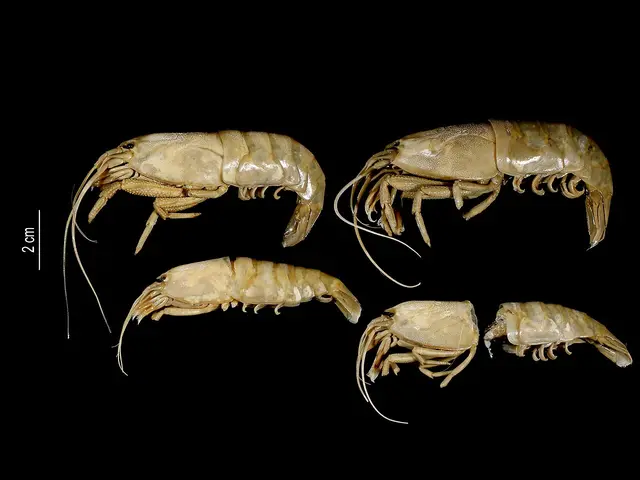 EN
Atya intermedia
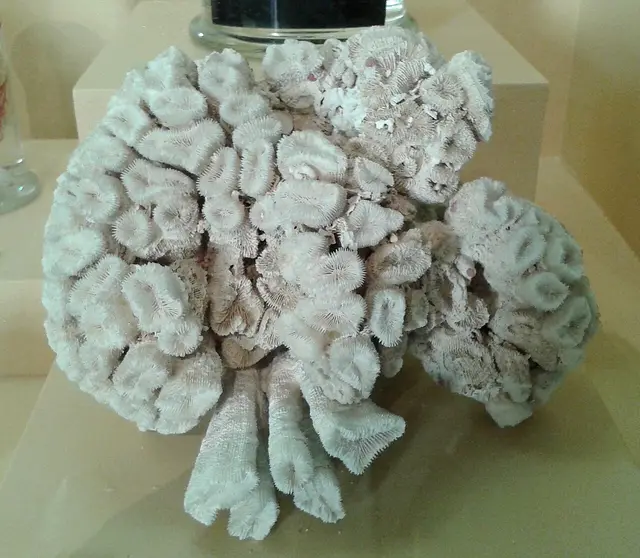 EN
Mussismilia harttii
Total pins: 7.
Quick answers
- Do all these animals live only in Panama?
- No. A pin means a Wikidata place field resolved here. Official ranges can be wider.
- Is this a government list?
- No. It is a slice of this catalog.