Bivalvia in crisis
58 records. Red List version 2026-1
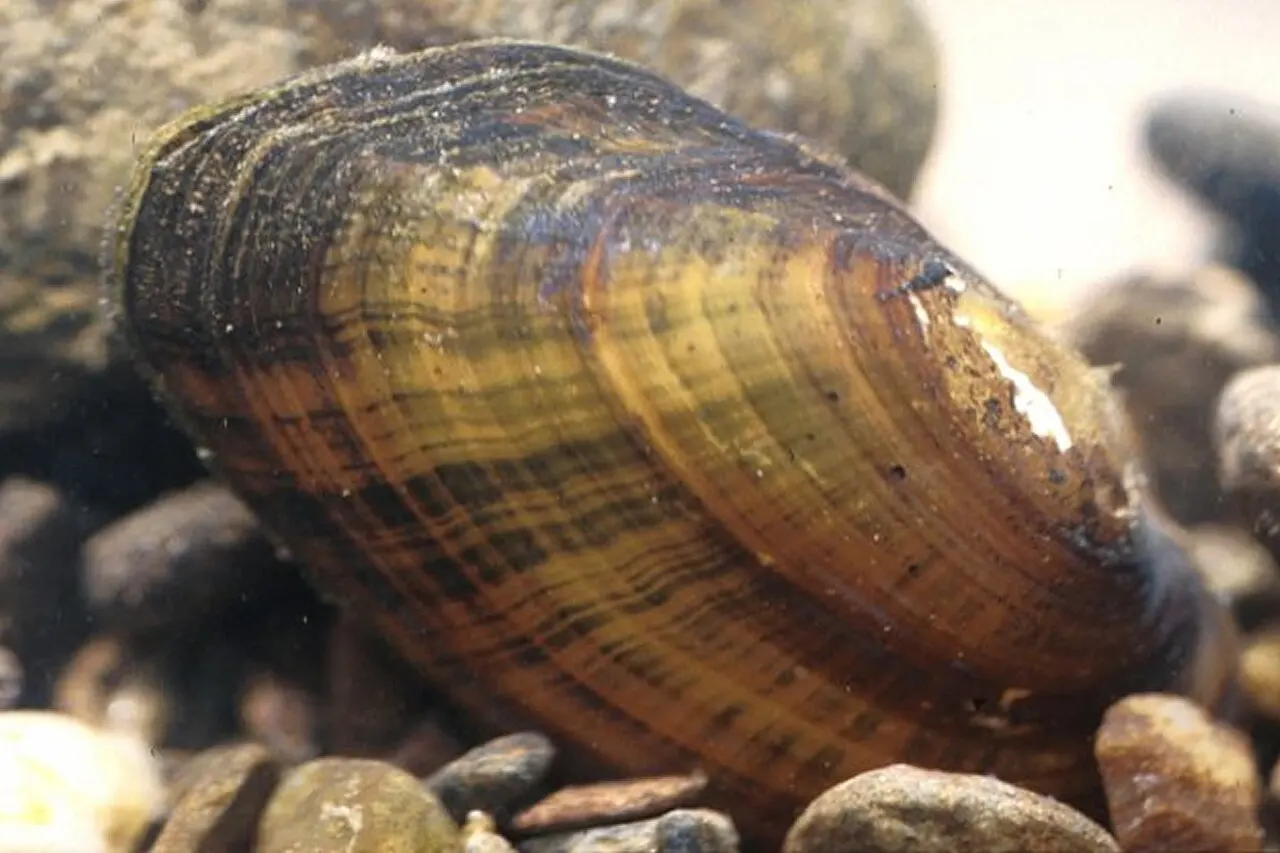
In this catalog, Bivalvia stands for clams, mussels, oysters and their relatives. We list 58 bivalves that the IUCN Red List records as threatened enough to be Critically Endangered, Endangered or Extinct in the Wild: 33 Critically Endangered and 25 Endangered.
The biggest groups are the orders Unionida (55), Cardiida (2) and Ostreida (1), and the families with the most listed species are Unionidae (52), Margaritiferidae (3) and Cardiidae (2). The full list below is grouped by order.
A class is a filing shelf, not a measure of risk: it says nothing about how fast any one species is declining. Status and assessment years come from the IUCN Red List (version 2026-1); how to read an IUCN assessment explains what the categories and criteria mean, and each record links to its own assessment.
Status breakdown
58 records: Critically Endangered 33; Endangered 25.
All species
Unionida (55)
- Altamaha spinymussel Elliptio spinosa EN
- Appalachian elktoe Alasmidonta raveneliana CR
- Arcidens wheeleri EN
- Arkansas fatmucket Lampsilis powellii EN
- Carolina heelsplitter Lasmigona decorata CR
- Club naiad Pleurobema clava CR
- Coosa moccasinshell Medionidus parvulus EN
- Cracking Pearlymussel Hemistena lata CR
- Cumberland monkeyface pearly mussel Quadrula intermedia EN
- Cumberland pigtoe Pleurobema gibberum CR
- Cumberlandia monodonta EN
- Cumberlandian combshell Epioblasma brevidens CR
- Cyprogenia stegaria CR
- Dromus dromas CR
- Epioblasma torulosa CR
- Epioblasma triquetra EN
- Fat threeridge Amblema neislerii CR
- Fine-rayed pigtoe pearly mussel Fusconaia cuneolus EN
- freshwater pearl mussel Margaritifera margaritifera EN
- Golf stick pearly mussel Obovaria retusa CR
- Gulf moccasinshell Medionidus penicillatus CR
- Hamiota altilis EN
- Higgins' eye pearly mussel Lampsilis higginsii EN
- Lampsilis virescens CR
- Lemiox rimosus CR
- Louisiana pearlshell Margaritifera hembeli CR
- Medionidus acutissimus EN
- Microcondylaea bonellii CR
- Modellnaia siamensis CR
- Narrow pigtoe Fusconaia escambia EN
- Obovaria subrotunda EN
- Ochlockonee moccasinshell Medionidus simpsonianus CR
- Orange-footed pimpleback mussel Plethobasus cooperianus CR
- Oval pigtoe Pleurobema pyriforme EN
- Oyster mussel Epioblasma capsaeformis EN
- Pale lilliput naiad Toxolasma cylindrellus CR
- Parvaspina steinstansana CR
- Pegias fabula CR
- Plethobasus cyphyus EN
- Pleuronaia dolabelloides EN
- Popenaias popei Popenaias popeii CR
- Potomida littoralis EN
- Purple bean Villosa perpurpurea CR
- Reginaia rotulata EN
- Rough pigtoe pearly mussel Pleurobema plenum CR
- Shiny pigtoe Fusconaia cor CR
- Southern clubshell Pleurobema decisum EN
- Southern pigtoe Pleurobema georgianum CR
- Theliderma sparsa CR
- Thick shelled river mussel Unio crassus EN
- Unio delphinus EN
- Unio tumidiformis CR
- Villosa fabalis EN
- White warty-back pearly mussel Plethobasus cicatricosus CR
- Winged mapleleaf Quadrula fragosa CR
Cardiida (2)
- Southern giant clam Tridacna derasa EN
- Tridacna gigas CR
Ostreida (1)
- Pinna nobilis Pinna rudis CR
The A to Z index lists the species with a full account; the catalog search finds any record by name.
Quick answers
- How many bivalves are in this catalog?
- 58, listed by the IUCN Red List as 33 Critically Endangered, 25 Endangered.
- What is Bivalvia?
- Here, Bivalvia means clams, mussels, oysters and their relatives. It is a taxonomic class used to group the catalog.
- Where do the statuses come from?
- From the IUCN Red List (version 2026-1), with a link to each species' assessment on iucnredlist.org.