Endangered
Medionidus acutissimus
Medionidus acutissimus
The Alabama moccasinshell (Medionidus acutissimus) is a small freshwater mussel of the Mobile River basin in the southeastern United States. It has vanished from the big rivers and survives in scattered tributaries. The IUCN rated it Endangered in 1996, and it is federally listed as Threatened.
How to recognise it
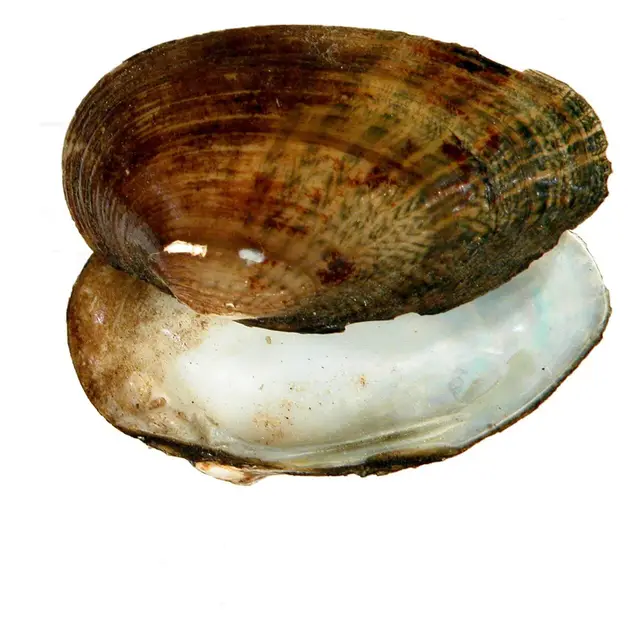
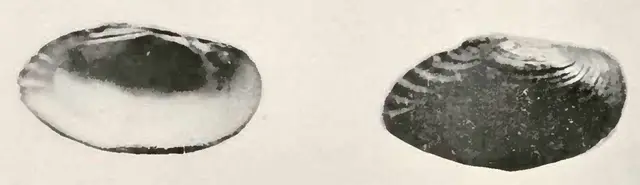
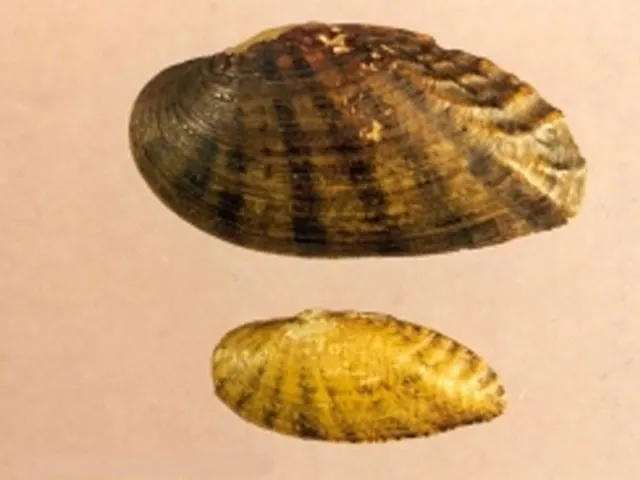
It's a small, narrow, elliptical mussel with a thin shell. The U.S. Fish and Wildlife Service gives a maximum length of 55 mm, though other accounts put adults at about 3 cm. The outside is yellow to brownish yellow, with broken green rays, and the nacre inside is mostly translucent with a salmon-pink patch.
Isaac Lea described the species in 1831.
Where it lives
Historically it occurred in the Alabama, Tombigbee, Black Warrior, Cahaba and Coosa rivers and their tributaries, across Alabama, Mississippi, Georgia and Tennessee. The U.S. Fish and Wildlife Service says it has disappeared from the main channels of all of them. Today it persists in small, separate populations in tributaries of the Tombigbee, Black Warrior, Conasauga (Tennessee) and Coosa systems, including Holly Creek in Georgia.
When the Service designated critical habitat in 2004, it found the species had once occupied 16 of the habitat units chosen for the 11 mussels in that rule and then occupied 7. Of the remaining populations, the one in the Sipsey Fork of the Black Warrior River reportedly appears stable, and numbers are reportedly highest in streams of Bankhead National Forest, where it is said to be common in some places.
Pins are Wikidata “endemic to” fields. Orange dots, when present, are GBIF occurrence tiles — survey bias included.
How it lives
It favours sand, gravel or cobble shoals with moderate to strong current in streams and small rivers. Mussels of this group live embedded in the bottom. Adults filter particles from the water and juveniles pick organic material from the sediment, though mussel diets are not well understood.
Females carry eggs from October to June and move to the surface of the river bed between March and June. They have a black mantle lure that may attract host fish. The larvae must spend a parasitic stage on a fish before dropping off as juveniles. Successful hosts include one topminnow and several darter species.
Why it is in trouble
The Service names habitat loss and degradation as the main cause of decline. In the Mobile River basin, dams and the reservoirs behind them have cut surviving populations off from each other, in some cases for 20 to 50 years. Sedimentation, mining in streams, water withdrawal and pollution also damage the places mussels need. Small isolated populations can be wiped out by a random event, and the Service noted that a report on the Sipsey Fork found listed mussels there, including the dark pigtoe, had been significantly reduced by the 2000 drought.
The IUCN assessment dates from 1996 and uses criteria A1ce+2ce, an older system. It records the species as present in the United States and gives no population figure or trend.
What is being done
The Alabama moccasinshell was listed as Threatened under the U.S. Endangered Species Act on March 17, 1993. In 2004 the Service designated critical habitat, 26 habitat units totalling about 1,760 km of rivers and streams across Alabama, Mississippi, Georgia and Tennessee, shared with ten other listed Mobile basin mussels. The Service also treats reintroduction into suitable stretches as a way to widen these mussels' ranges.
Sources
Written for this catalog in our own words from the sources below, checked against them on 12 November 2026. Population figures are estimates and carry the year they were made. Status and assessment year: IUCN. 2026. The IUCN Red List of Threatened Species. Version 2026-1. iucnredlist.org.