Endangered
Coosa moccasinshell
Medionidus parvulus
The Coosa moccasinshell (Medionidus parvulus) is a small freshwater mussel from the Mobile River basin in the south-eastern United States. The IUCN Red List rated it Endangered in 2012. Once found in several river systems, it now survives in a few short stretches of two streams, plus one reintroduced site.
How to recognise it
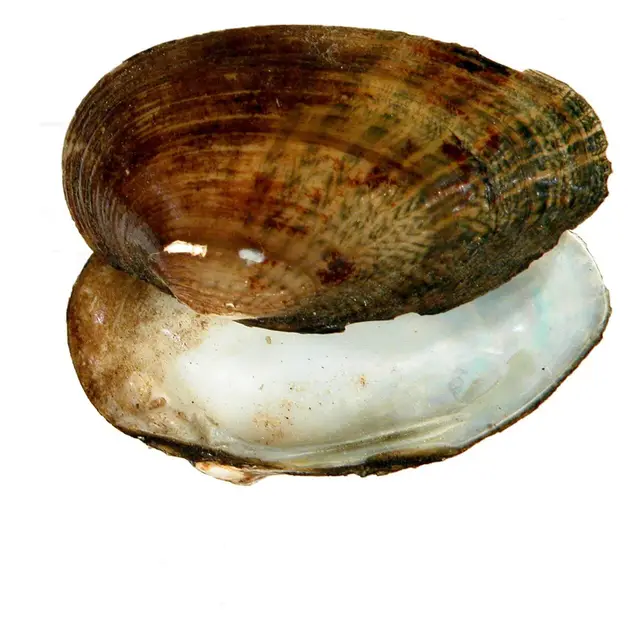
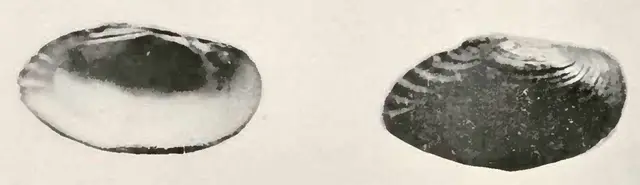
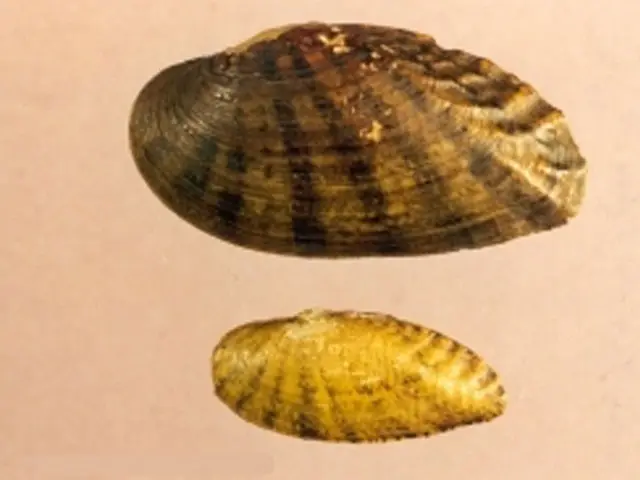
It is a small mussel, usually up to about 4 cm long, with a thin, fragile shell that is dark brown or yellow-brown. The inside of the shell is blue, sometimes with pink patches. It is hard to tell from the closely related Alabama moccasinshell, whose rear end is usually more pointed.
Where it lives
The species was described by Isaac Lea in 1860. It was once reported from the Coosa and Cahaba rivers and the Sipsey Fork of the Black Warrior River, and their tributaries, across Alabama, Georgia and Tennessee. It has since vanished from the main channels of all of them.
A 2018 recovery plan amendment says it has been confirmed only in the Conasauga River and its tributary Holly Creek since the species was listed. It occupies about 3 km of Holly Creek in Georgia and 4 km of the Conasauga in Tennessee, with a further reintroduced population in the Little Cahaba River in Alabama. It lives in sand, gravel or cobble shoals where the current is moderate to strong.
Pins are Wikidata “endemic to” fields. Orange dots, when present, are GBIF occurrence tiles — survey bias included.
How it lives
Females are believed to carry developing young from about October to June. The larvae, called glochidia, are held in packets and have to attach to a fish host to develop into juvenile mussels. Females display a modified flap of tissue that acts as a lure to attract fish. The federal species profile does not name its host fish.
Little else is known. Diet is poorly understood, though adults are believed to filter small particles from the water.
Why it is in trouble
The IUCN lists sewage, solid waste, mining and quarrying, soil erosion and silting, dams and oil spills as threats, and it describes a continuing decline in its area of occupancy. Habitat loss and degradation were the main reasons for federal listing.
Surveys of the rest of its old range have turned up few individuals.
What is being done
The mussel was listed as endangered under the US Endangered Species Act in 1993, and critical habitat was designated in 2004. Of the nine critical habitat units drawn for it, it is found in only one, in very low numbers. A recovery plan dates from 2000, and a December 2018 amendment sets targets of at least six stable populations, plus one more in the Cahaba or Black Warrior basin.
The Alabama Aquatic Biodiversity Center holds the species as a captive population and has developed propagation methods. In one reintroduction, 59 mussels were released into the Little Cahaba River in Bibb County, and 4 of them were still alive when the site was checked in 2014.
Sources
Written for this catalog in our own words from the sources below, checked against them on 12 November 2026. Population figures are estimates and carry the year they were made. Status and assessment year: IUCN. 2026. The IUCN Red List of Threatened Species. Version 2026-1. iucnredlist.org.