Endangered
Plethobasus cyphyus
Plethobasus cyphyus
The sheepnose (Plethobasus cyphyus) is a thick-shelled freshwater mussel of rivers in the American Midwest and Southeast. The IUCN Red List rated it Endangered in 2014. It has disappeared from roughly three-quarters of its historical range and survives in about 22 waterways.
How to recognise it
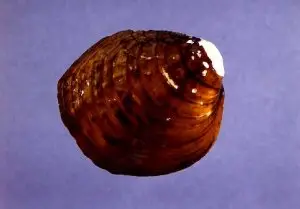
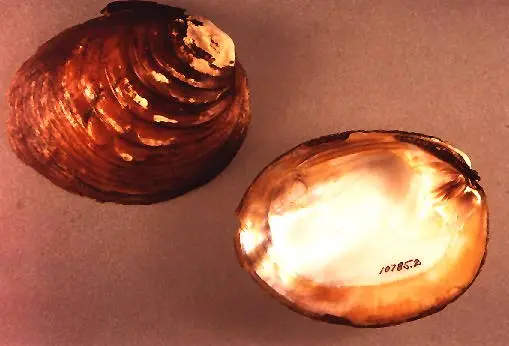
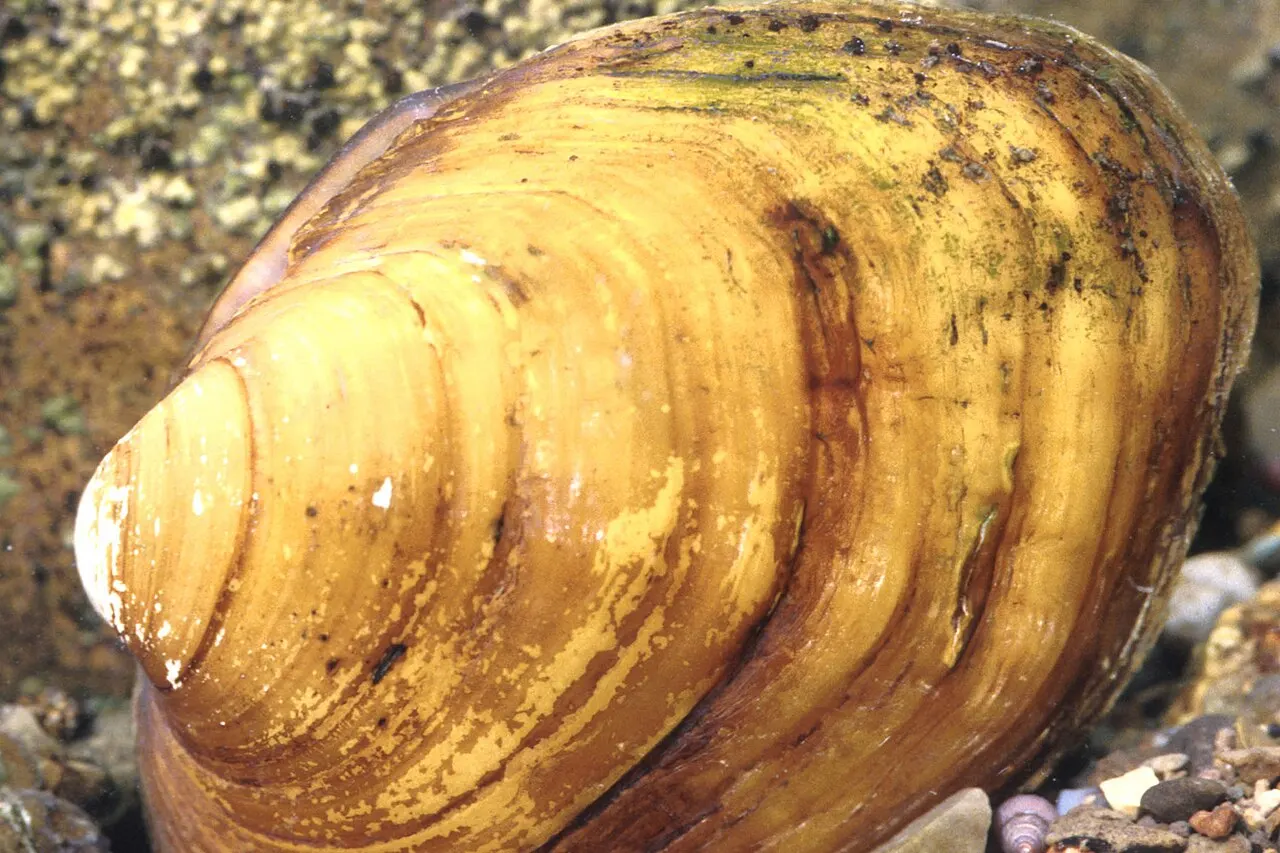
It's a medium-sized, heavy-shelled mussel that grows to nearly 5.5 inches (about 14 cm). The shell is yellowish brown to dull brown, mostly smooth and shiny. A single row of wide bumps runs along its length, with a slight dip in the shell beside the row. Young mussels may show two raised ridges, and males and females look alike.
Older names include bullhead and clear profit. Rafinesque described it in 1820.
Where it lives
It lives in medium to large rivers, usually on shallow shoals with moderate to fast current over coarse sand, gravel and clay. It turns up in riffles only a few inches deep and also in runs deeper than six metres in big rivers.
The U.S. Fish and Wildlife Service counts 79 streams where it once occurred, across the Upper Mississippi, Lower Missouri, Ohio, Cumberland, Tennessee and Lower Mississippi basins. Living populations are now known from 22 waterways, in the Upper Mississippi, Ohio, Tennessee and Lower Mississippi basins. No live sheepnose has been seen in the Lower Missouri or Cumberland basins for more than twenty years.
Pins are Wikidata “endemic to” fields. Orange dots, when present, are GBIF occurrence tiles — survey bias included.
How it lives
Adults filter plankton and other fine particles from the water. Individuals live at least about 30 years and are thought to mature at around age 5.
Breeding depends on fish. Spawning is in May and June, and the female broods eggs in her gills until the larvae (glochidia) are released in July and August. They come packed in clear mucus masses, each holding several hundred larvae, that resemble fish prey. A fish that eats or swims through one can pick up larvae, which grow into juveniles on its gills or fins and then drop off. Mimic shiners and sauger have been seen as natural hosts, and laboratory work shows many more fish can serve.
Why it is in trouble
The Red List cites mining and quarrying, silt washing into rivers, dams, and accidental harvest, and records a decreasing trend, a badly fragmented population and a generation time of 12 to 25 years. Federal biologists name contaminants, changes to river flow, alteration of the surrounding land, loss of connection between river stretches and invasive species.
Because the young ride on fish, a river that loses its host fish or its connection between stretches can lose its mussels too.
What is being done
The sheepnose has been listed as endangered under the U.S. Endangered Species Act since 2012. In October 2024 the Fish and Wildlife Service announced a recovery plan covering it and three other mussels, built around captive rearing, habitat work, reducing threats and partnerships. The plan is guidance rather than a regulation.
Hatcheries are working with sheepnose. The Dale Hollow National Fish Hatchery's 2023 mussel update lists 40 sheepnose among its new or newly reared experimental lots. The hatchery says its reared mussels are counted and returned to rivers.
Sources
Written for this catalog in our own words from the sources below, checked against them on 12 November 2026. Population figures are estimates and carry the year they were made. Status and assessment year: IUCN. 2026. The IUCN Red List of Threatened Species. Version 2026-1. iucnredlist.org.