Critically Endangered
Theliderma sparsa
Theliderma sparsa
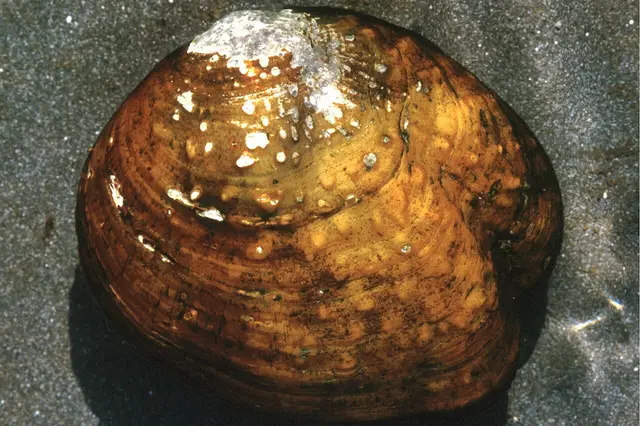
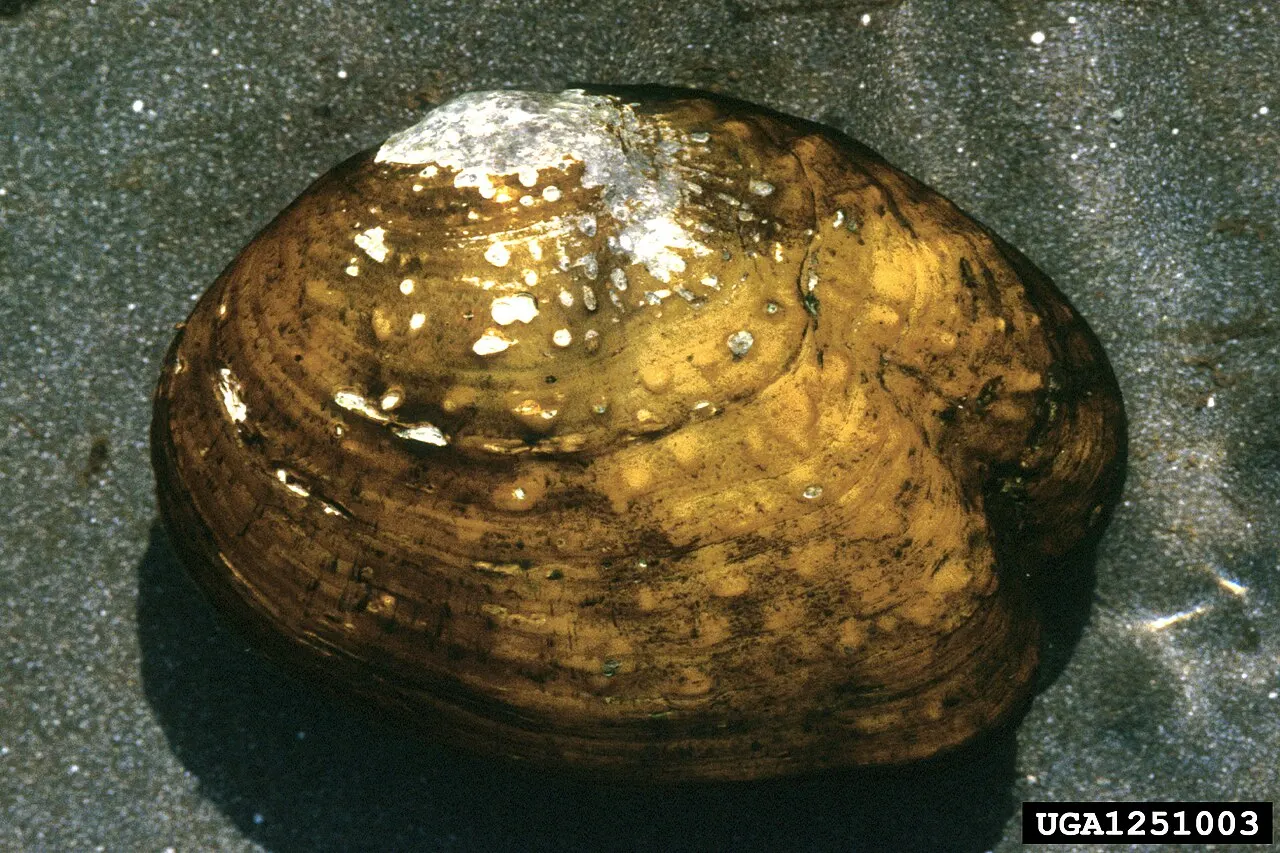
The Appalachian monkeyface (Theliderma sparsa), also called the Appalachian rockshell, is a freshwater mussel from the upper Tennessee River basin in Virginia and Tennessee. The IUCN rated it Critically Endangered in 1996. Fewer than 50 living animals have been documented in about 20 years, nearly all in one stretch of the Powell River.
How to recognise it
It's a river mussel in the family Unionidae, described by Isaac Lea in 1841 and for many years placed in the genus Quadrula. Adults reach about 80 mm. Virginia's wildlife agency gives a lifespan of up to 44 years.
Where it lives
The species is found only in the United States, historically in rivers of southwest Virginia and east Tennessee. Poor water quality and habitat destruction have eliminated it from other streams in the upper Tennessee basin. The remaining population sits in a stretch of the Powell River on the Virginia and Tennessee border, described as 20 miles long by the US Fish and Wildlife Service and as 10 to 20 miles by Virginia's wildlife agency.
It favours isolated patches of shallow to deep runs and riffles, with moderate to fast flow over gravel and sand.
Pins are Wikidata “endemic to” fields. Orange dots, when present, are GBIF occurrence tiles — survey bias included.
How it lives
Like other freshwater mussels, its larvae develop on the gills of a fish before dropping off as juveniles. Finding the right host took years. In 2019, crews tested 20 fish species without success. In 2020 they tried nine more, and longnose dace gave the first success. Blotched chub, streamline chub and western blacknose dace also worked.
The blotched chub, a rare minnow about 4 inches long, produced the most juveniles and was named the preferred host in 2020. The slender chub, the mussel's earlier known host, is believed to be locally extinct in the Powell, and captive breeding with it is not an option.
Why it is in trouble
Poor water quality and habitat destruction across the upper Tennessee basin are named as the cause of its disappearance from other streams. Mussels are also sensitive to fertilizers and pesticides, and silt from eroding stream banks that have lost their vegetation can smother them.
Searches turn up very few animals. Crews that spent 78 hours at Powell River sites in 2018 found just five live adults. Over three spring seasons, the state recovery team found only eight in total, three of them female.
What is being done
The mussel has been federally listed as endangered since 1976. At the Aquatic Wildlife Conservation Center in Marion, Virginia, staff raised 165 young from the eight wild-caught adults. They released 125 into the Clinch River in Russell County, Virginia, and kept 40 in captivity for future efforts. Across the host fish trials, close to 1,000 juveniles have been produced.
Partners plan to release young across the Powell River, spreading them out to increase genetic variety. A Fish and Wildlife Service article on the work says the team is not out of the woods yet, and wild numbers remain tiny.
Sources
Written for this catalog in our own words from the sources below, checked against them on 12 November 2026. Population figures are estimates and carry the year they were made. Status and assessment year: IUCN. 2026. The IUCN Red List of Threatened Species. Version 2026-1. iucnredlist.org.