Critically Endangered
Modellnaia siamensis
Modellnaia siamensis
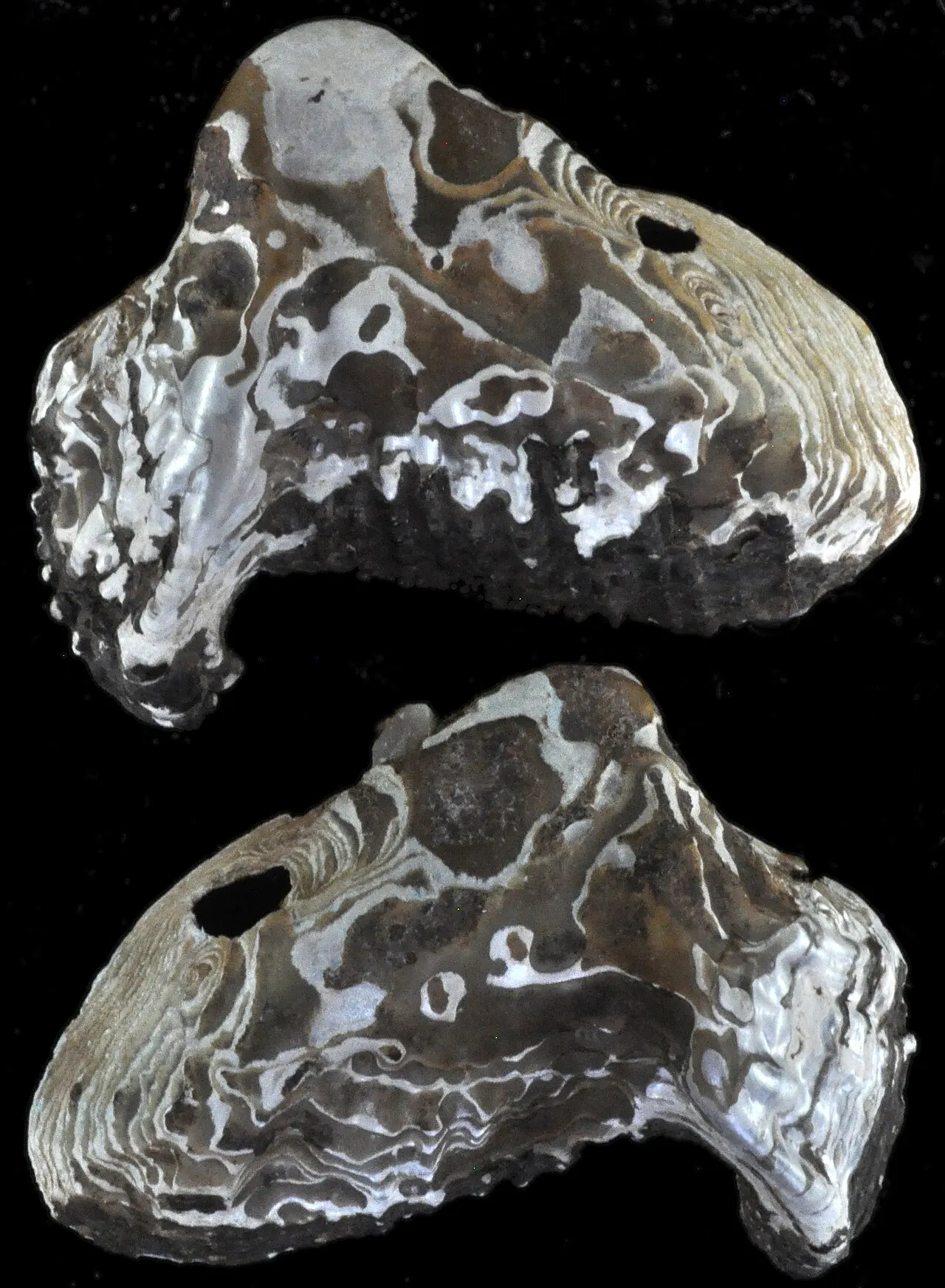
Modellnaia siamensis is a freshwater mussel known only from the Mun River in northeastern Thailand. The IUCN Red List rated it Critically Endangered in 2019 and flags it as possibly extinct, because the last record dates from 1974. It is the only species in its genus.
How to recognise it
Modellnaia siamensis was described by the German malacologist R. A. M. Brandt in 1974. He gave it its own genus and even its own subfamily, Modellnaiinae, though it sits in the freshwater mussel family Unionidae.
What made it stand out was its behaviour as much as its looks. A 2007 profile from the MUSSEL Project says it acts a little like the cementing mussels of the family Etheriidae, which fix themselves to hard surfaces. Its internal anatomy, which the profile traces to a 1978 study by Heard and Hanning, places it with the ordinary unionids. Cementing has evolved more than once among this group of mussels, and the profile calls Modellnaia the only known example among the Unionoidea.
Where it lives
Only the Mun River is known. A paratype held in the Paris natural history museum came from a spot about 6 km west of the village of Ban Tha Tum. The Mun is the largest tributary of the Mekong. Nothing outside this river has ever been reported.
The IUCN assessment lists a single location, an area of occupancy of about 4 square km, and an elevation of 50 to 100 m. Its habitat is permanent rivers and streams.
Pins are Wikidata “endemic to” fields. Orange dots, when present, are GBIF occurrence tiles — survey bias included.
Why it is in trouble
The 2019 assessment records the population as decreasing and lists dams, soil erosion and sedimentation, and pollution of unrecorded type as threats. Pak Mun Dam, a 136 MW dam on the Mun completed in 1994, has been documented to block fish migration and cut fish numbers upstream, though no study links it to this mussel specifically.
A 2019 review of species that have gone missing lists it as missing, with the last record dated 1974. That doesn't prove it's gone. Mussels are small, hide in river bottoms and are rarely surveyed, so a remnant population could exist unnoticed.
What is being done
Very little is on record. The assessment says there is no recovery plan, no monitoring scheme and no captive population, and that no conservation sites have been identified. Site protection is the only conservation action listed as needed. Finding out whether any living animals remain is the obvious first step.
Sources
Written for this catalog in our own words from the sources below, checked against them on 12 November 2026. Population figures are estimates and carry the year they were made. Status and assessment year: IUCN. 2026. The IUCN Red List of Threatened Species. Version 2026-1. iucnredlist.org.




