Thailand
21 catalog pins
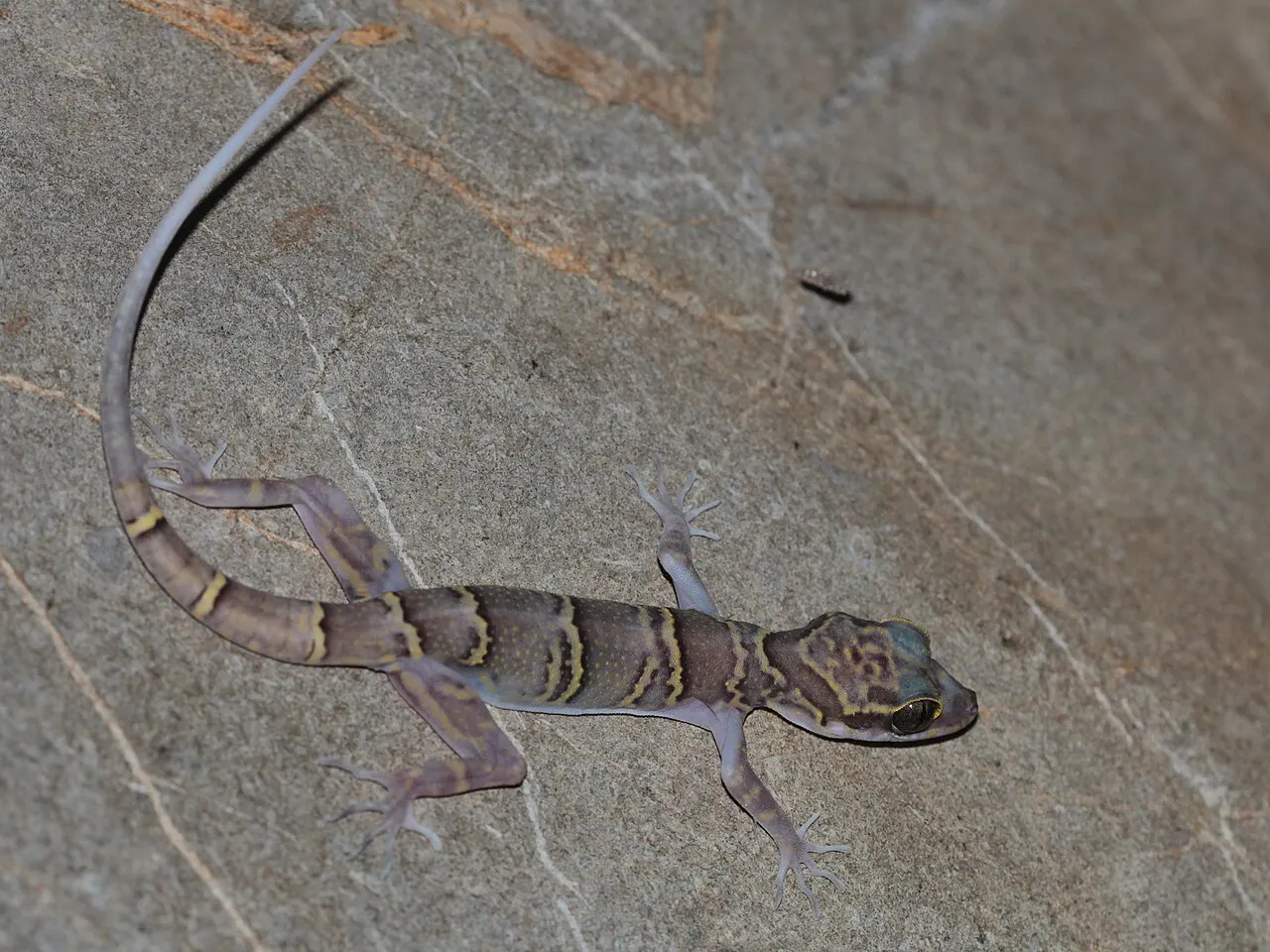
21 animals in this catalog carry a structured country pin for Thailand. That is a filing fact, not a claim that the crisis is only here.
The photograph is one of those animals: Cyrtodactylus chanhomeae. Open a dossier for the text, the status, and the map. Use the world map to jump to another country. Confirm official distributions on the Red List.
Thailand runs from the Andaman Sea on its west coast, through the mountains and lowland rivers of the mainland, to the Gulf of Thailand in the east. That gives it forests, mangroves, seagrass beds, coral reefs and big river systems like the Mekong. The national biodiversity profile lists about 15,000 plant species, roughly 8% of the world total, and mangroves along about 36% of the coastline.
Animals end up on the threatened lists here for a mix of reasons: forest that has been cleared, rivers that have been dammed or overfished, and reefs under heavy use. Forest cover fell from 53.35% in 1961 to 32.1% in 2009, according to that same profile.
Where the pressure comes from
The country's own biodiversity profile names illegal hunting, forest burning, illegal logging, destructive fishing, tourism pressure, pollution, invasive species and coral bleaching. The profile also names illegal wood cutting and shrimp farming as threats to mangroves. A 2007 survey of reefs off Surat Thani Province rated 5% as good, 24% fair, 52% poor and 13% very poor.
Rivers matter just as much. The Mekong giant catfish once ranged across nearly the whole Mekong, from Vietnam to Yunnan. Recorded catches fell from 11 fish in 2000 to 5 in 2002, and dams, overfishing and lost spawning grounds are the usual explanations. It is believed to survive now only in small, isolated populations, though the source is not consistent about where.
What is being done
Khao Yai became Thailand's first national park in 1961, and Khao Sam Roi Yot the first marine park in 1966. As of 2019 the country had 156 national parks, and protected areas of all kinds covered about 31% of its territory. The Department of National Parks, Wildlife and Plant Conservation has run them since 2002.
For the giant catfish, wild fishing is illegal in Thailand, Laos and Cambodia, though catches continue. Thailand's Fisheries Department released about 10,000 captive-bred fish between 2000 and 2003, into reservoirs rather than the river itself. The species is also in CITES Appendix I.
Reading the catalog for Thailand
The catalog's list for Thailand mixes habitats. Anthozoa (corals) is the largest named class in the facts for this country, and Acroporidae (a reef coral family) and Cyprinidae (carps and minnows) are the biggest families. Freshwater fish, mussels, crustaceans, geckos and a frog sit alongside the reef corals.
A list like this shows what has been assessed and recorded, not a full census of risk.
Sources for this section
- CBD country profile, Thailand: plant species, mangrove share, forest cover 1961 and 2009, threats, 2007 reef survey
- Mekong giant catfish (Wikipedia): range, catch figures 2000 to 2002, fishing bans, breeding releases, CITES
- List of national parks of Thailand (Wikipedia): first parks 1961 and 1966, 156 parks in 2019, 31% protected, DNP created 2002
What the catalog records for Thailand
The catalog has 21 animals with a country pin for Thailand: 7 Critically Endangered and 14 Endangered. By GBIF class the largest groups are unknown (6), Anthozoa (5), Squamata (3), Bivalvia (2). The families with the most records are Cyprinidae (3), Acroporidae (3), Gekkonidae (2). A pin means a structured source (Wikidata or a GBIF match) places the animal in Thailand; it does not say the animal lives only there.
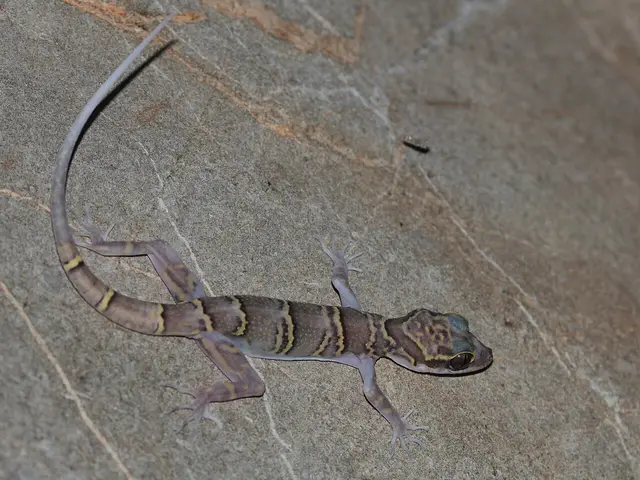 CR
Cyrtodactylus chanhomeae
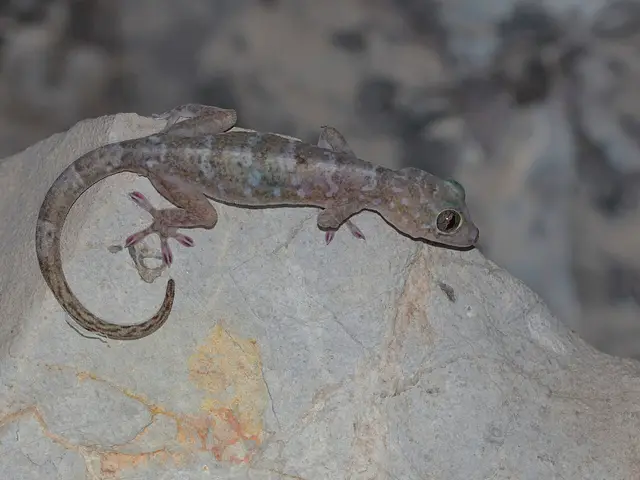 CR
Lauhachinda's cave gecko
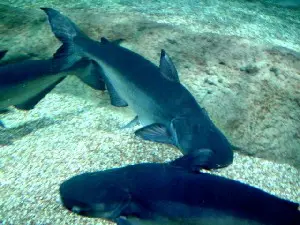 CR
Mekong giant catfish
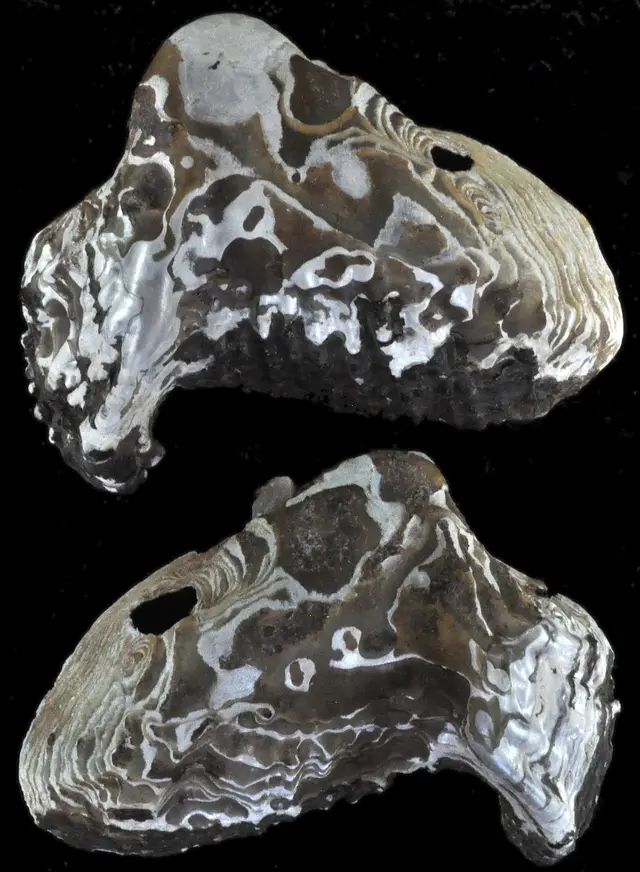 CR
Modellnaia siamensis
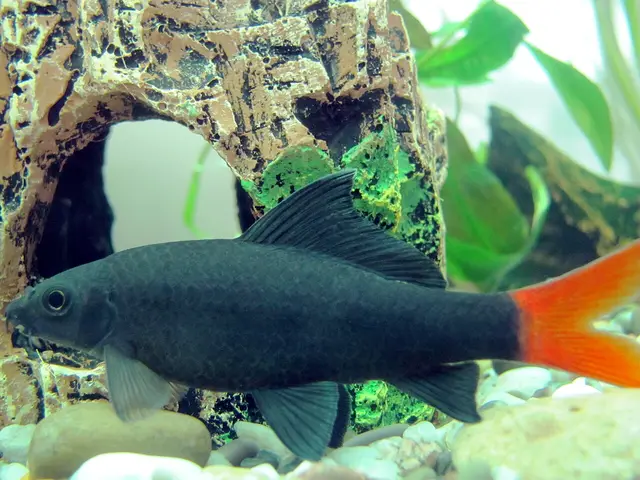 CR
Red-tailed black shark
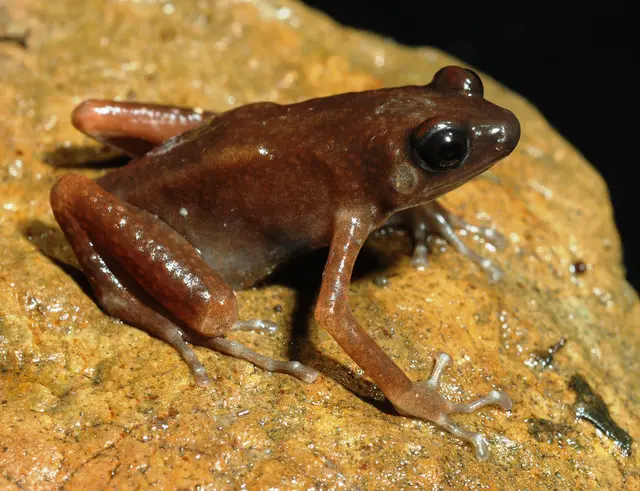 CR
Siamophryne
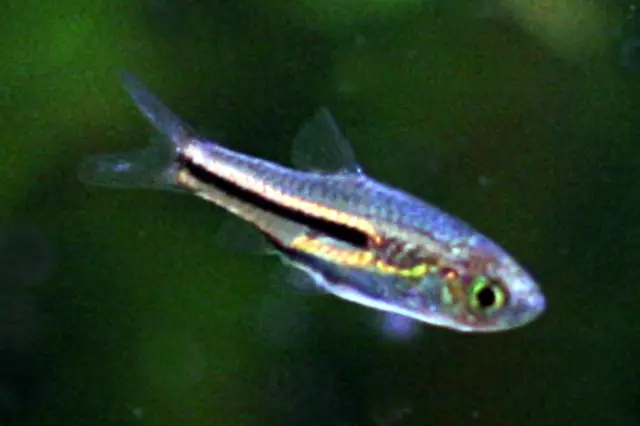 CR
Trigonostigma somphongsi
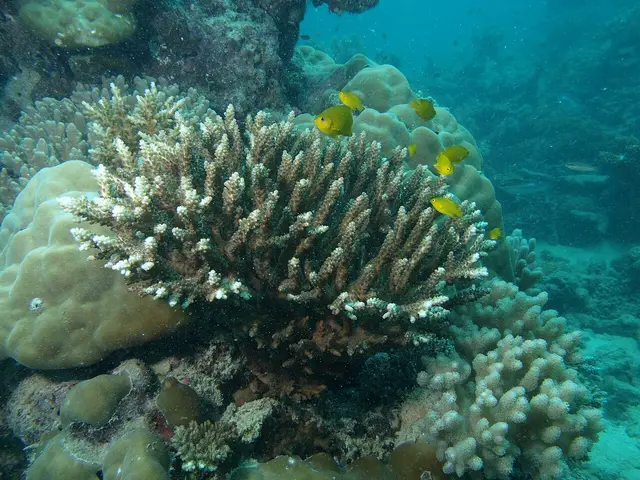 EN
Acropora divaricata
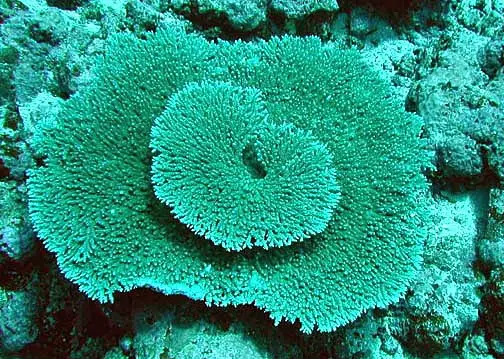 EN
Acropora glauca
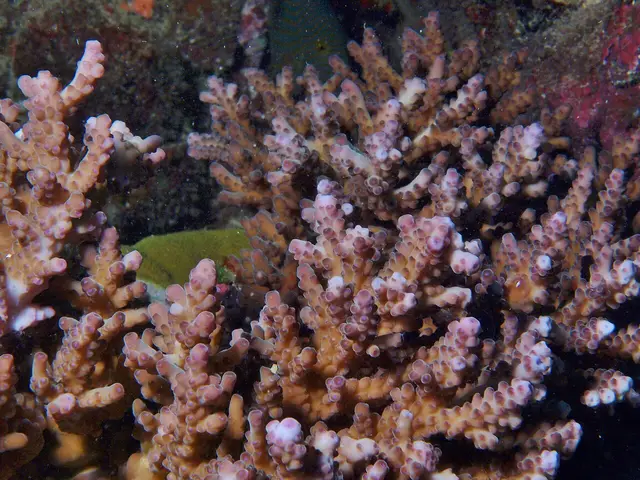 EN
Knobsnout parrotfish
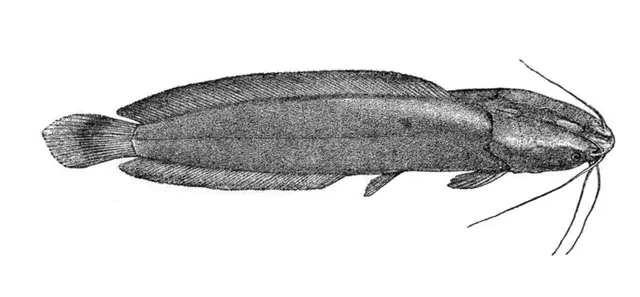 EN
Wagur
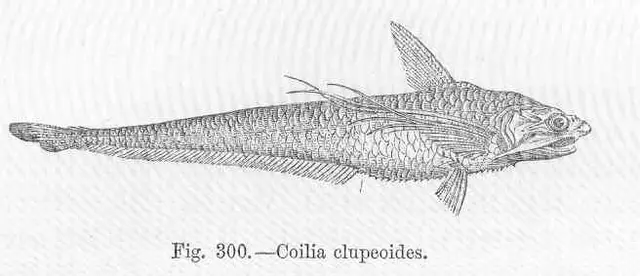 EN
Osbeck's grenadier anchovy
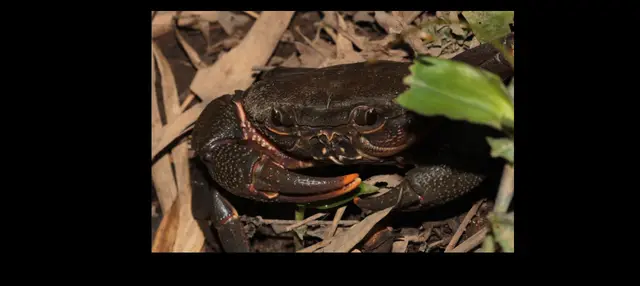 EN
Iomon nan
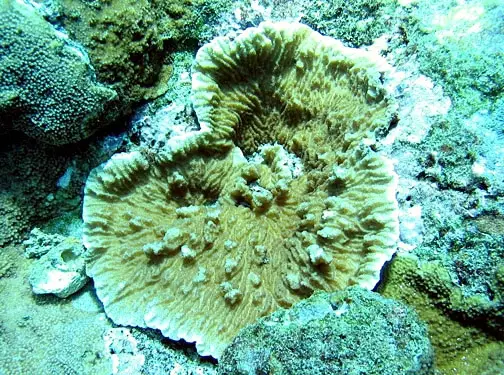 EN
Crispy crust coral
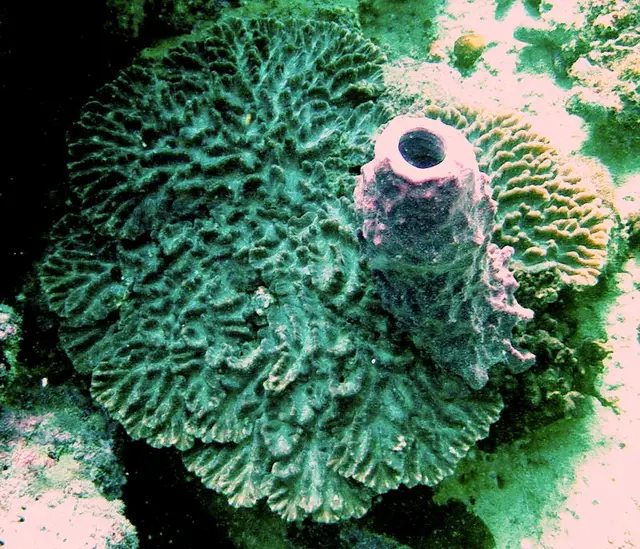 EN
Pectinia lactuca
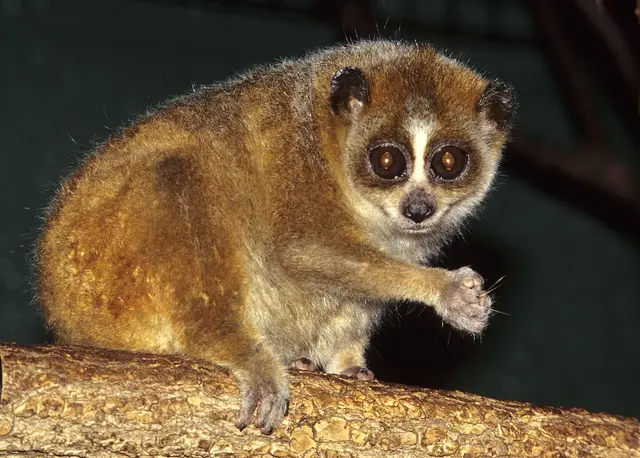 EN
Pygmy slow loris
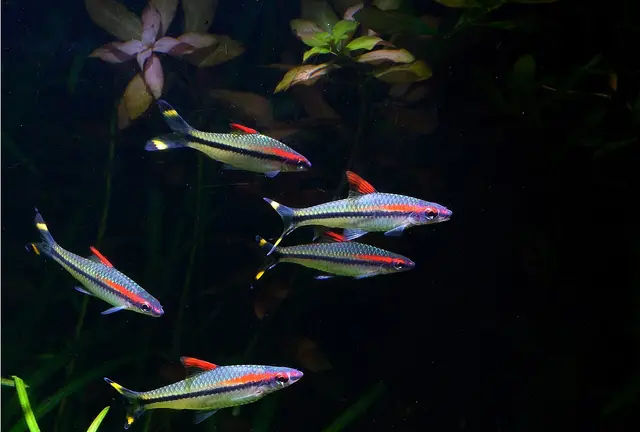 EN
Sahyadria denisonii
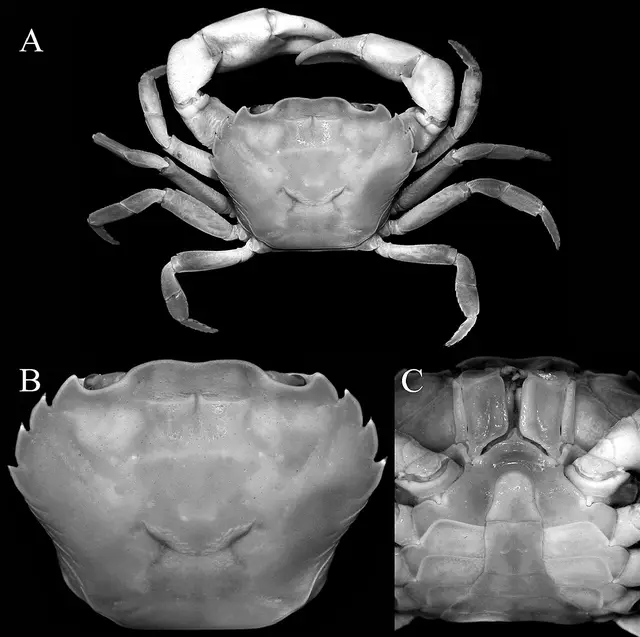 EN
Salangathelphusa anophrys
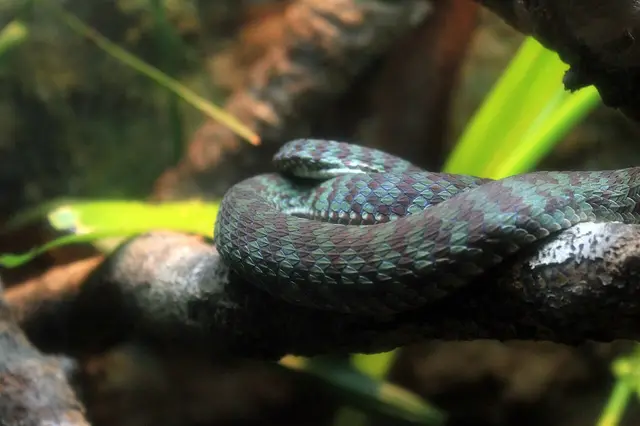 EN
Trimeresurus kanburiensis
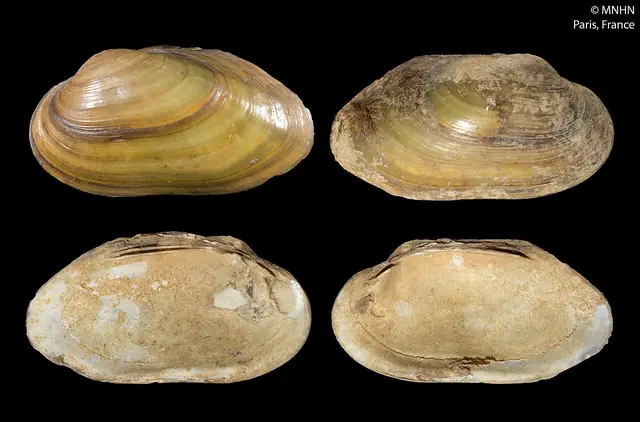 EN
Dolphin Freshwater Mussel
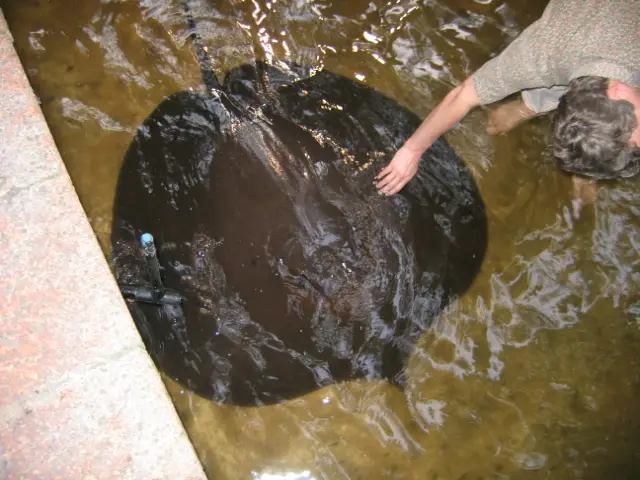 EN
Giant freshwater stingray
Total pins: 22.
Quick answers
- Do all these animals live only in Thailand?
- No. A pin means a Wikidata place field resolved here. Official ranges can be wider.
- Is this a government list?
- No. It is a slice of this catalog.