Critically Endangered
Cyrtodactylus chanhomeae
Cyrtodactylus chanhomeae
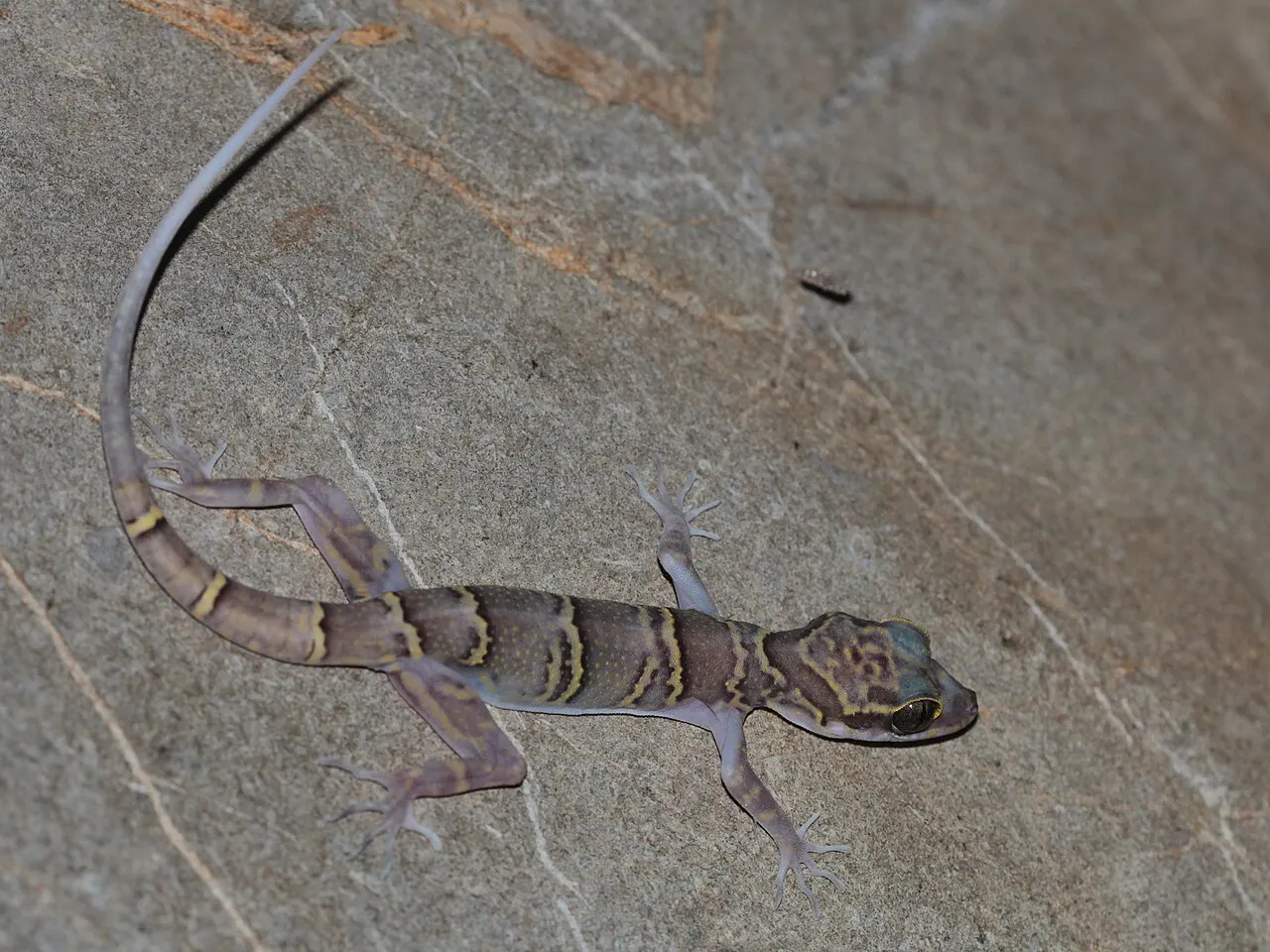
Chanhom's bent-toed gecko (Cyrtodactylus chanhomeae) is a cave-dwelling lizard from Saraburi Province in central Thailand, known from a handful of limestone sites. It was described in 2003 and is Critically Endangered, as assessed by the IUCN in 2018.
How to recognise it
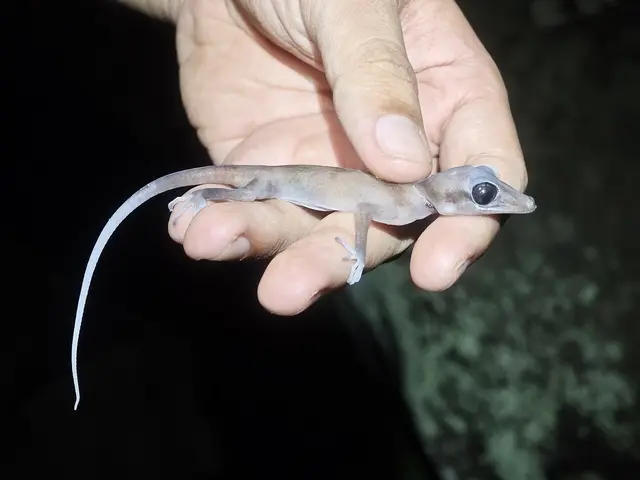
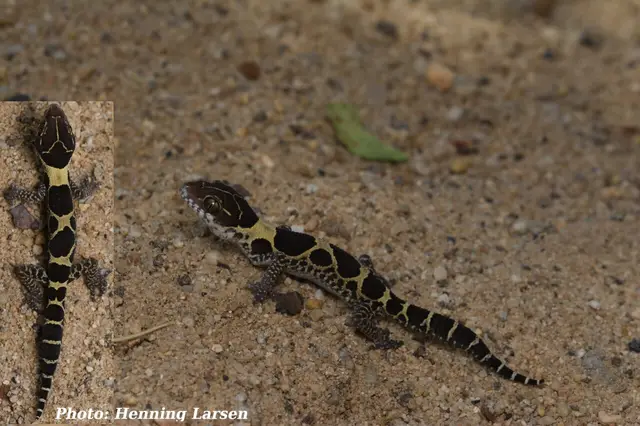
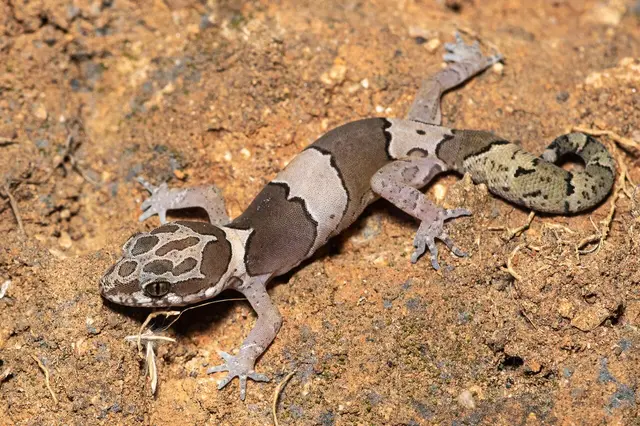
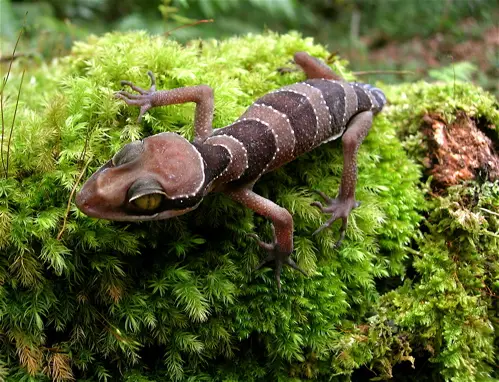
This is a slender gecko with long limbs and digits. The largest of the type specimens measured about 79 mm from snout to vent. Its back carries purplish-brown bands edged with yellowish cream, and the underside of the tail has broad, enlarged plates. Males have 32 to 34 pore-bearing scales in a continuous row across the pelvic and thigh region.
It lays eggs. English names include Saraburi cave gecko.
Where it lives
The species is endemic to Thailand and known from Saraburi Province. The type locality is Phraya Chattan Cave in Phra Phutthabat District. A caving database also lists it from nearby Thep Nimit Cave and Sri Wilai Cave, and on the surface at several temples built on karst hills. The Reptile Database still says it is known only from the type locality, so the number of sites varies by source.
The IUCN treats it as a single location. The extent of occurrence is about 149 square kilometres and the area occupied about 8 square kilometres. The assessment names caves as its habitat.
Pins are Wikidata “endemic to” fields. Orange dots, when present, are GBIF occurrence tiles — survey bias included.
Why it is in trouble
The 2018 assessment records a decreasing population and ongoing loss of habitat. Mining and quarrying are listed as threats, though their scope and severity are marked unknown. So is intentional use, meaning collection of the gecko itself, which the assessment says does not involve international trade.
The stresses named are conversion and degradation of its habitat, and deaths of individual animals. No population estimate exists.
What is being done
The assessment lists site protection and harvest management as the actions needed. It also records that the species does not occur in any protected area.
Who it is named for
The scientific name honours Dr. Lawan Chanhome of the Queen Saovabha Memorial Institute in Bangkok, a researcher on Thailand's venomous snakes. Aaron Bauer, Montri Sumontha and Olivier Pauwels described the gecko in 2003.
Sources
Written for this catalog in our own words from the sources below, checked against them on 12 November 2026. Population figures are estimates and carry the year they were made. Status and assessment year: IUCN. 2026. The IUCN Red List of Threatened Species. Version 2026-1. iucnredlist.org.