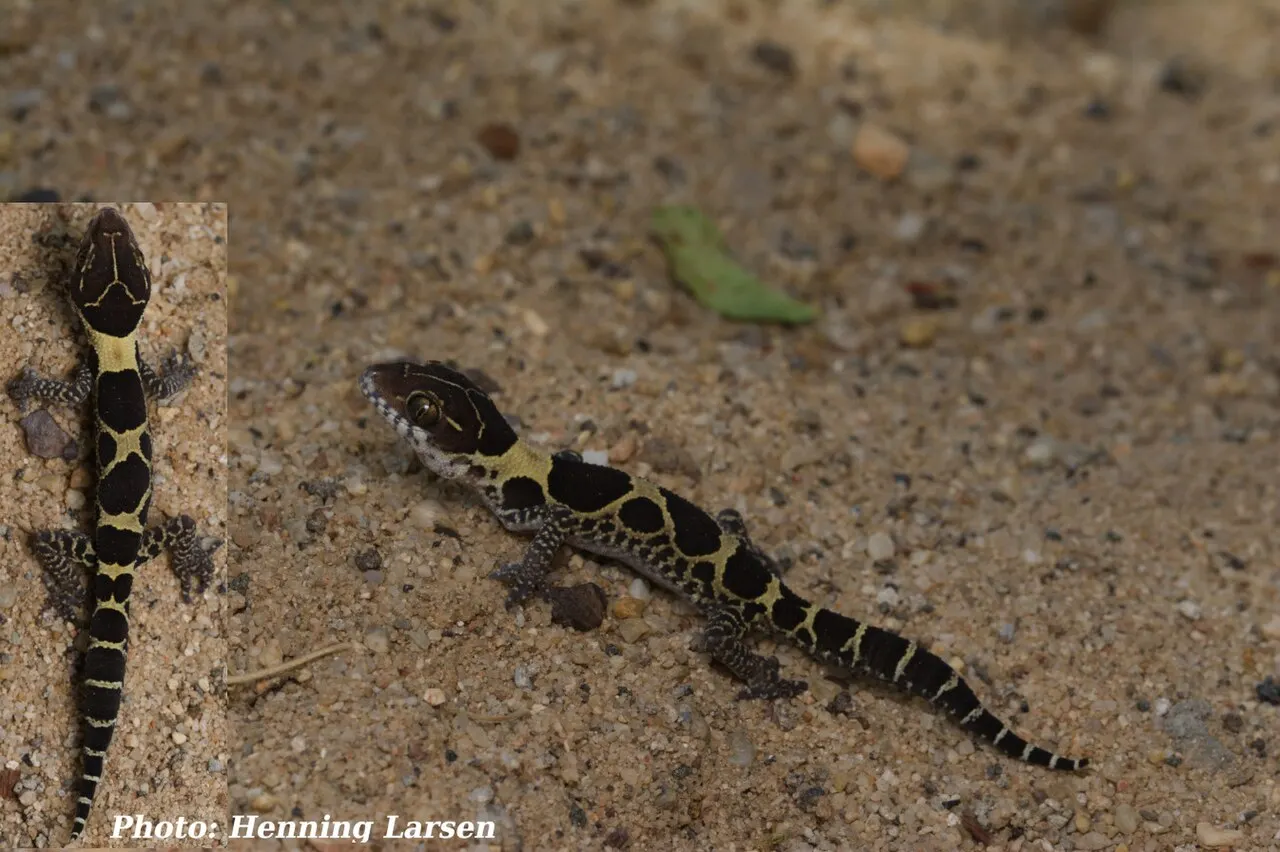
Endangered
Brevidactyl Bow-fingered Gecko
Cyrtodactylus brevidactylus
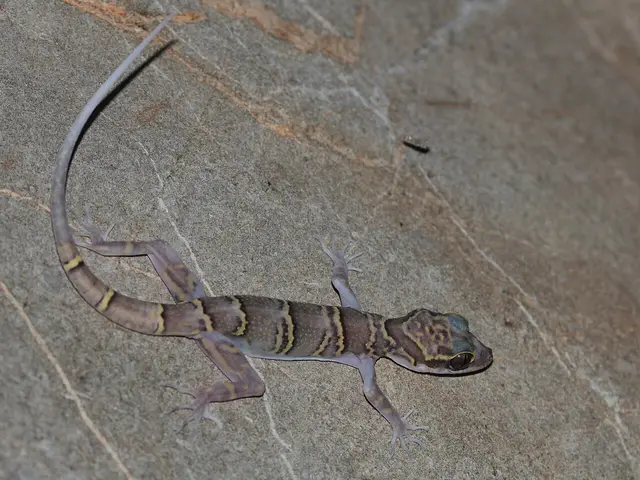
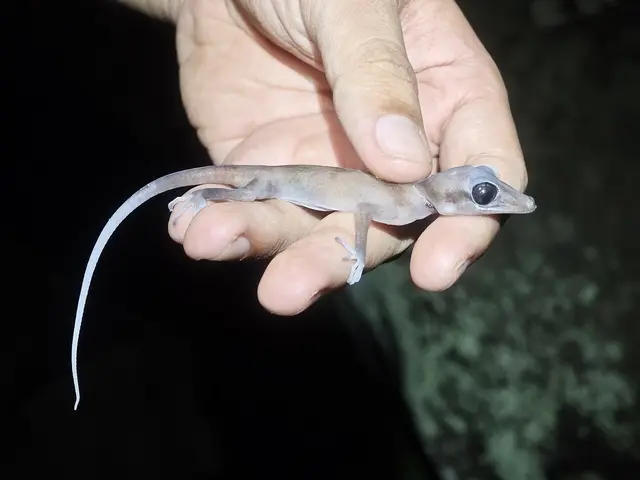
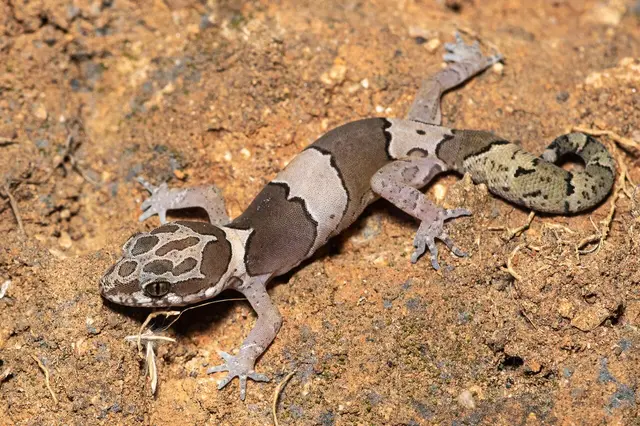
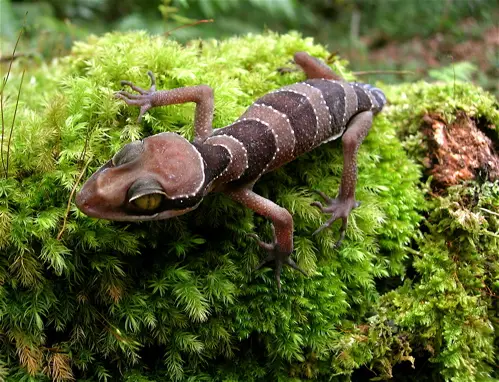
Cyrtodactylus brevidactylus is a bent-toed gecko known only from Myanmar. It was described in 2002 from Popa Mountain Park in the centre of the country. The IUCN Red List assessed it as Endangered in 2018. Its name refers to its very short toes.
How to recognise it
This is a gecko in the large genus Cyrtodactylus, often called bent-toed or bow-fingered geckos. Its scientific name joins the Latin for short with the Greek-derived word for finger, a reference to its very short digits. Published details of its size and colour are hard to find, since the original description is not freely available.
Where it lives
The species is recorded only from Myanmar. The holotype, the specimen on which the name is based, came from Popa Mountain Park, in Kyauk Pan Tawn Township, Mandalay Division. Mount Popa is a dormant volcano rising about 1,518 m, and it holds five distinct forest ecosystems, including dry forest and thorn forest.
The IUCN assessment describes the gecko's habitat as rocky areas such as inland cliffs, gives an elevation of 400 to 450 m, and counts two locations with an estimated extent of about 172 km2. It notes that the species occurs in at least one protected area.
Pins are Wikidata “endemic to” fields. Orange dots, when present, are GBIF occurrence tiles — survey bias included.
How it lives
The gecko is reportedly nocturnal and lives on the ground, eating insects and other small arthropods it comes across. These details come from a short encyclopedia entry, and little else about its breeding or daily habits seems to have been published.
Why it is in trouble
The 2018 assessment rated the gecko Endangered under the criterion for a small range with declining habitat quality. Threats it lists are mining and quarrying, tourism and recreation areas, and persecution or control of the animals. Population size and trend are both recorded as unknown. An earlier IUCN assessment, in 2010, had rated it Data Deficient.
What is being done
The assessment lists site and area protection, and awareness and communications, as conservation actions. No monitoring or species-specific project turned up in published sources.
Sources
Written for this catalog in our own words from the sources below, checked against them on 12 November 2026. Population figures are estimates and carry the year they were made. Status and assessment year: IUCN. 2026. The IUCN Red List of Threatened Species. Version 2026-1. iucnredlist.org.