Critically Endangered
Cyrtodactylus nigriocularis
Cyrtodactylus nigriocularis
The black-eyed bent-toed gecko is a large cave gecko known only from Ba Den Mountain in Tay Ninh Province, southern Vietnam. The IUCN has rated it Critically Endangered since 2018 because it lives in a few small granite caves, in an area under pressure from roads and tourism.
How to recognise it
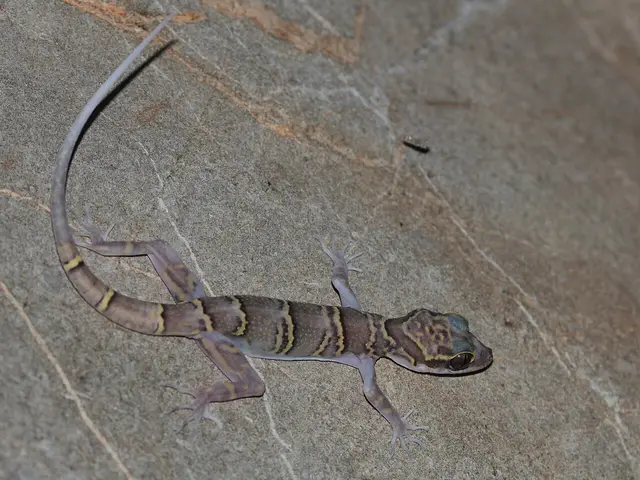
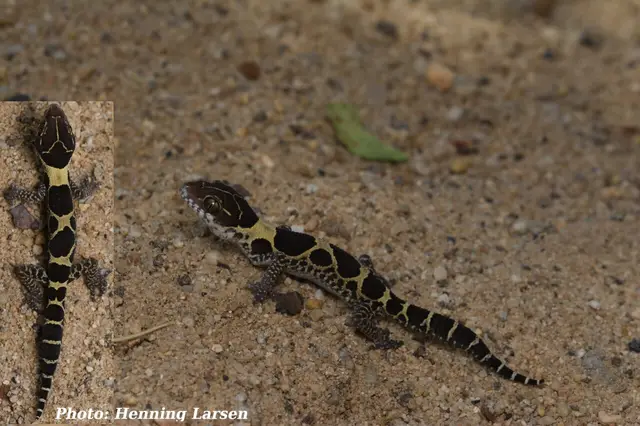
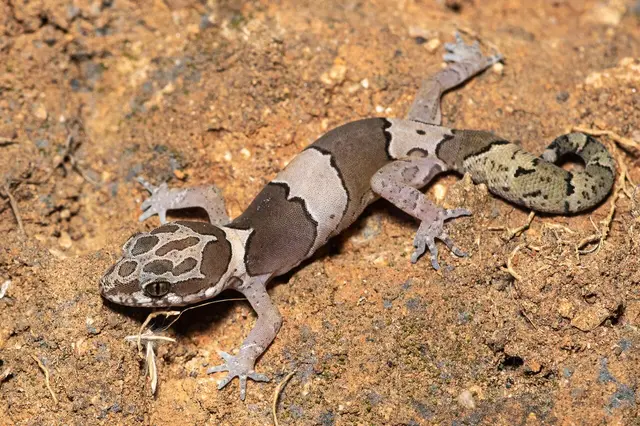
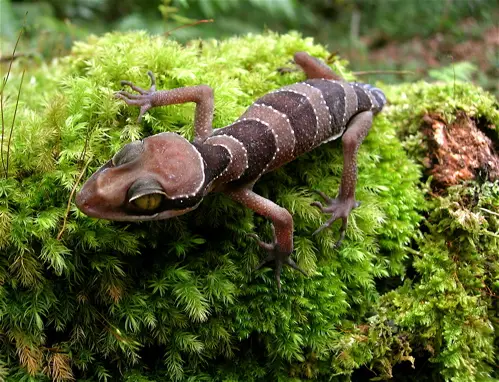
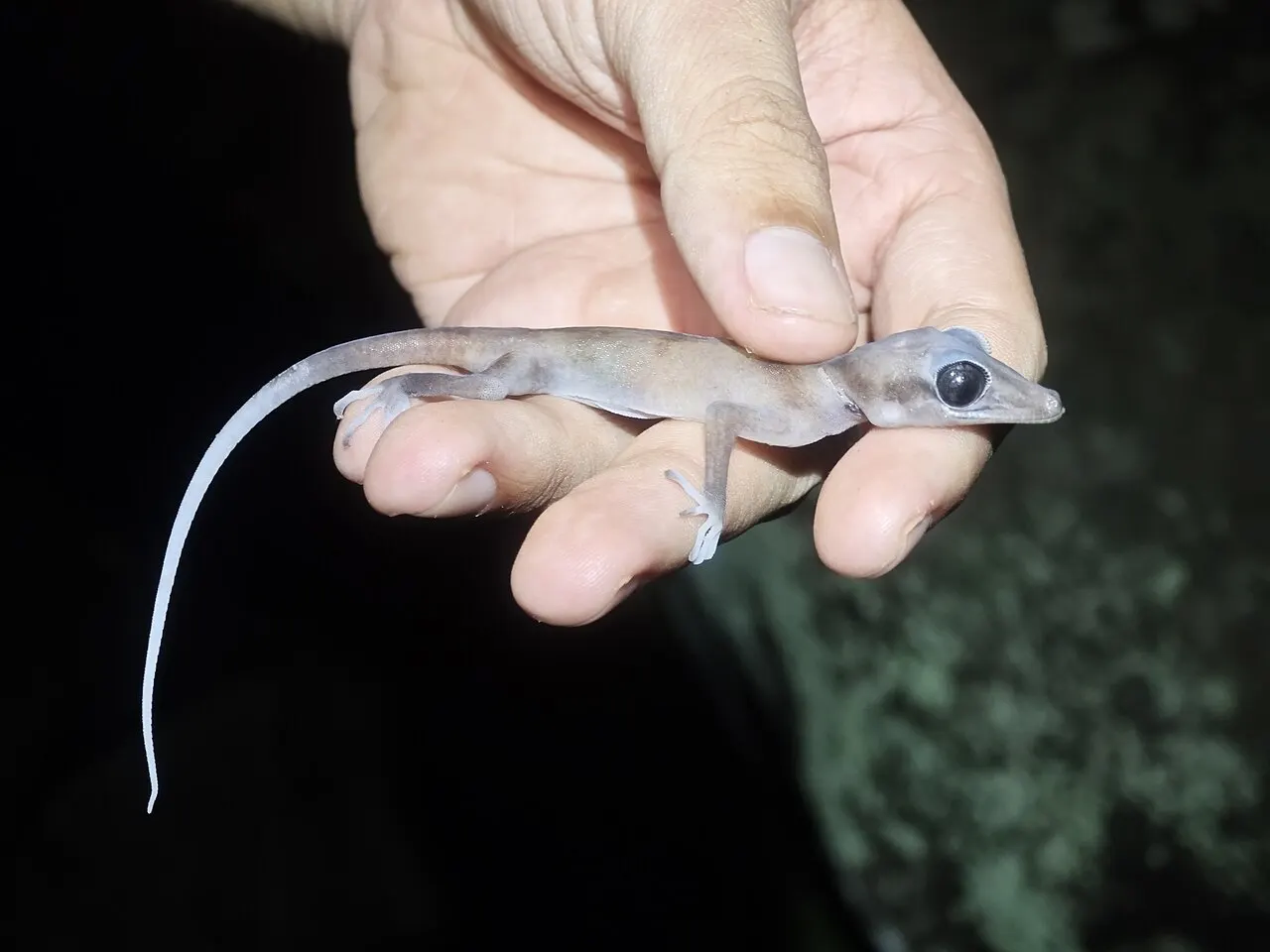
The name refers to the black eyes. The body is grey or dark brown, the head is broad and flattened, and the tail is longer than the body. Adults are big for a bent-toed gecko. In a September 2022 sample of 51 animals, adult males measured about 80 to 112 mm from snout to vent and adult females 83 to 111 mm. Three subadults were about 72 to 77 mm.
Where it lives
Scientists described the species in 2006 from Mount Ba Den, also called Black Virgin Mountain. It has never been found anywhere else. The IUCN counts a single location: the Ma Thien Lanh Valley, on a hill of about 18 square kilometres. The gecko is confined to a small number of caves linked to streams, and its area of occupancy is probably below 10 square kilometres. It has been recorded only from 50 to 150 m above sea level.
It lives in granite caves near streams and has been found in the deeper parts of caves and climbing cave walls. A 2014 magazine article reported another bent-toed gecko, Cyrtodactylus thuongae, from a cave stream at about 600 m on the same mountain.
Pins are Wikidata “endemic to” fields. Orange dots, when present, are GBIF occurrence tiles — survey bias included.
How it lives
It is nocturnal. A 2025 study in Ecology and Evolution flushed the stomachs of 51 geckos caught by hand at Ba Den in September 2022, between 7 pm and 1 am, and found 407 prey items in 22 categories. Spiders ranked first, then harvestmen and land snails, followed by cockroaches, centipedes and grasshoppers.
Females ate prey from 18 categories and males from 11, though the sample held 33 females and only 15 males, so the difference may partly reflect sample size.
Why it is in trouble
The gecko is rare even where it lives. Four field trips to the type locality collected 10 animals in 2005, 2 in 2007, 1 in 2011 and 4 in 2017. The IUCN lists recreational activity and road building as ongoing threats and quarrying as a future one, and records continuing habitat decline. Road construction is concentrated on the slope along the rocky stream where the gecko occurs, and road debris has washed into the stream. Rubbish, including plastic, has been found in and near the cave.
The 2025 study adds that a cable car opened a few years before and a new road to the summit was under construction. A 2014 magazine article on the neighbouring gecko also described pollution from pilgrims and climbers and hunters who sell lizards to restaurants. The IUCN notes that this gecko has been recorded in the pet trade, though the extent is not known.
What is being done
The IUCN lists protection of the site as the action needed and says urgent conservation of the few known caves is required. It records that the species is not known from any protected area. The mountain is covered by the Ba Den Mountain Cultural and Historical Complex, about 1,763 hectares, set up in 2016, but the 2025 authors say it receives less protection than a nature reserve. No captive breeding programme existed when the diet study was published, and its authors say the diet data could inform one.
Sources
Written for this catalog in our own words from the sources below, checked against them on 12 November 2026. Population figures are estimates and carry the year they were made. Status and assessment year: IUCN. 2026. The IUCN Red List of Threatened Species. Version 2026-1. iucnredlist.org.