Endangered
Dolphin Freshwater Mussel
Unio delphinus
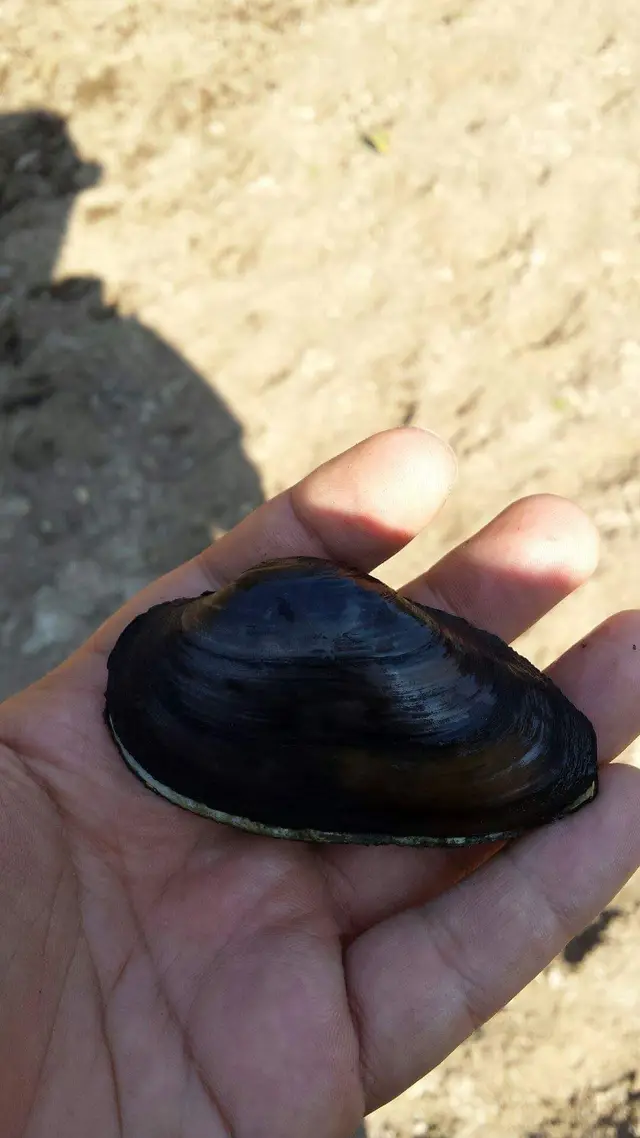
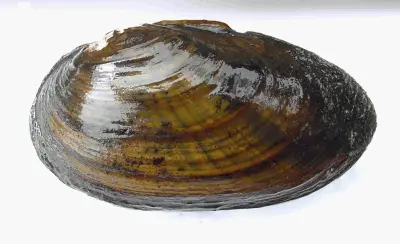
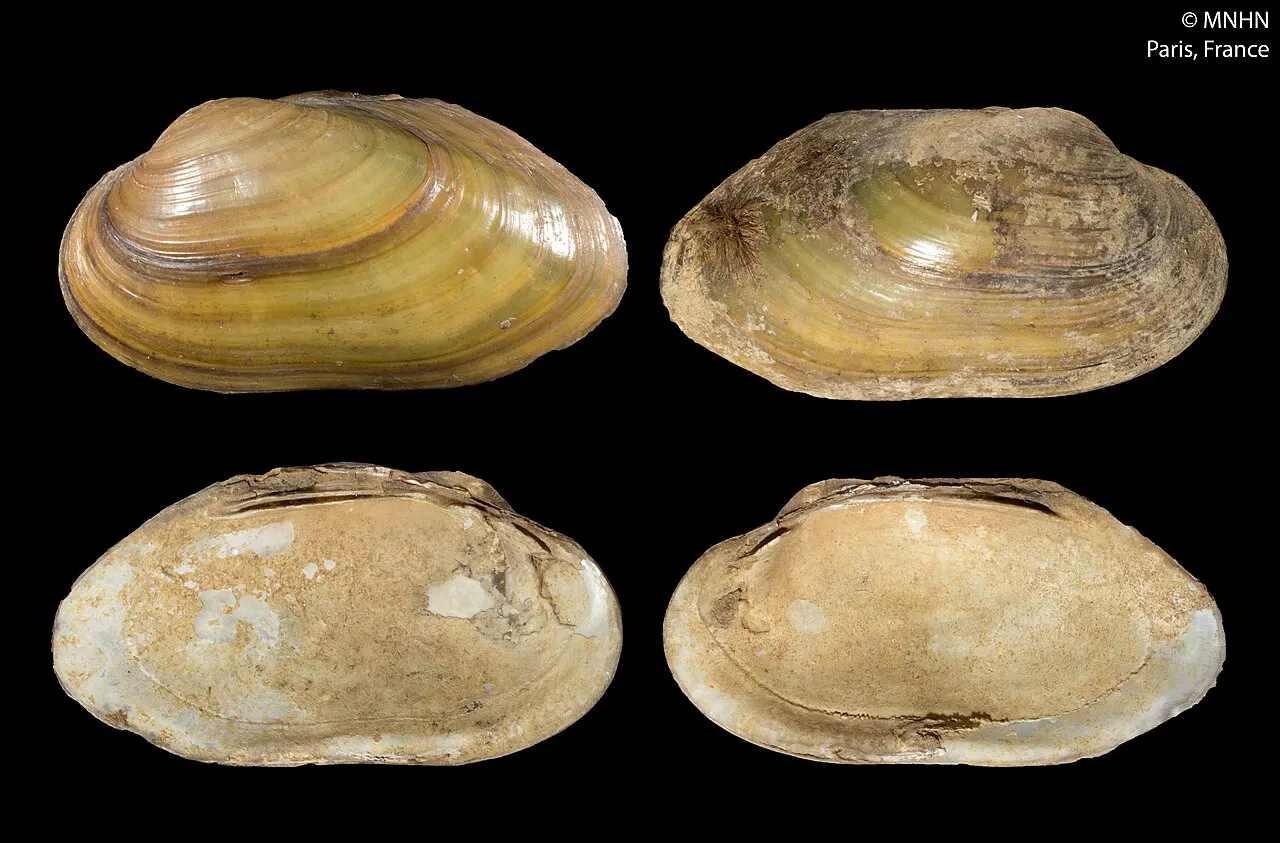
Unio delphinus, the Iberian dolphin freshwater mussel, is a bivalve that lives in rivers and lakes of Spain and Portugal. The IUCN Red List assessed it as Endangered in 2024, up from Near Threatened in 2011, citing an estimated two-thirds past decline. It depends on fish hosts to complete its life cycle.
A recently recognised species
Spengler named Unio delphinus in 1793, but it has only recently been recognised as a valid species. Unio hispanus and a long list of other old names are now treated as its synonyms, and GBIF counts dozens of them. Facts here apply to this species in the narrow sense, not to Unio mussels in general.
A 2023 paper in Scientific Data presented the first full genome of the species, about 2.5 billion DNA letters long, assembled from one individual collected in Portugal's Rabaçal River. The paper says the genome should help research on the mussel's biology and support its conservation.
Where it lives
The mussel is endemic to the western Iberian Peninsula. The IUCN lists it in mainland Spain and Portugal, from sea level up to about 1,000 m, in permanent and seasonal rivers and streams, permanent lakes and small freshwater pools and marshes. Some older accounts also give Morocco in its range, but the IUCN assessment lists only Spain and Portugal.
Pins are Wikidata “endemic to” fields. Orange dots, when present, are GBIF occurrence tiles — survey bias included.
How it lives
Freshwater mussels as a group provide ecosystem services, and they depend on fish hosts to complete their life cycle. That ties the mussel's survival to the fish living in the same water. A 2023 modelling study of six Iberian mussels in Science of the Total Environment found that this dependence makes mussels particularly vulnerable to climate change. It expected Unio delphinus to lose part of its range but possibly to gain new suitable areas, provided fish can carry larvae there.
The IUCN gives a generation length of about 10 years and describes the species as not migratory.
Why it is in trouble
The IUCN estimates a past population reduction of about 66.7 percent, based on shrinking occupied area, loss of habitat quality and an index of abundance. The population is severely fragmented and still declining. The 2023 genome paper says its area of occurrence has shrunk by almost a third from its historical extent.
The threats are mostly to water. The Red List lists dams, run-off, sedimentation and soil erosion, nutrient loads, herbicides and pesticides, sewage, groundwater pumping for farms and homes, droughts, storms and floods, plantations, and problematic species. The genome paper adds invasive species and poor river management.
What is being done
The mussel occurs in at least one protected area, and the IUCN notes that it has been the subject of education and awareness programmes. It records no species recovery plan, monitoring scheme or captive population. The actions the IUCN lists as needed include habitat restoration, site protection and management, captive breeding, training, policy and regulation, and control of invasive species.
Sources
Written for this catalog in our own words from the sources below, checked against them on 12 November 2026. Population figures are estimates and carry the year they were made. Status and assessment year: IUCN. 2026. The IUCN Red List of Threatened Species. Version 2026-1. iucnredlist.org.