Australia
120 catalog pins
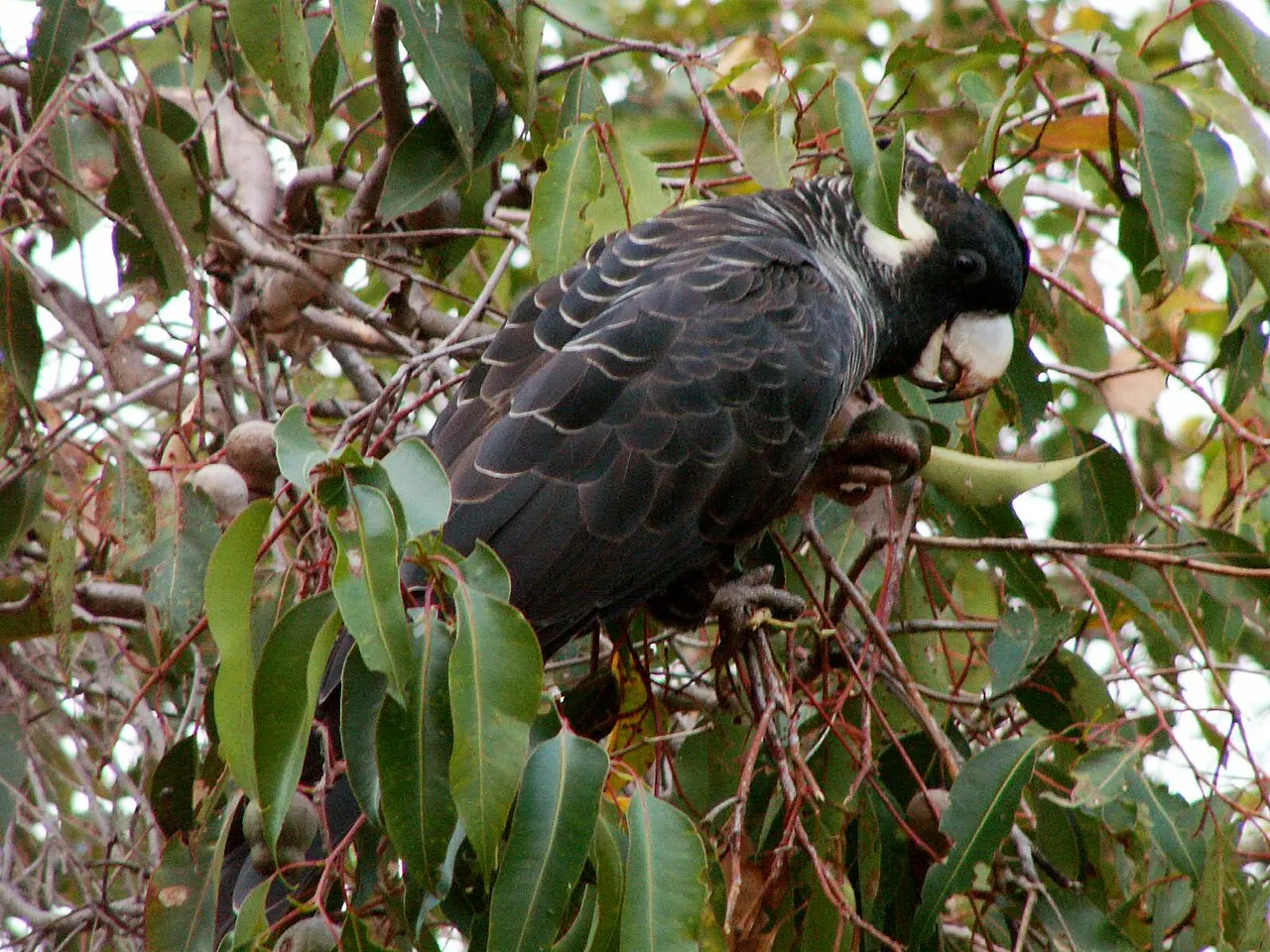
120 animals in this catalog carry a structured country pin for Australia. That is a filing fact, not a claim that the crisis is only here.
The photograph is one of those animals: Baudin's Black Cockatoo. Open a dossier for the text, the status, and the map. Use the world map to jump to another country. Confirm official distributions on the Red List.
Australia is an island continent. Its CBD profile estimates 7 to 10% of all species on Earth occur there, and about 85% of its plants are found nowhere else. Animals show similar high endemism: about 69% of mammals, 94% of amphibians and 93% of reptiles.
The surrounding seas hold the Great Barrier Reef.
Where the pressure comes from
The CBD profile lists climate change, habitat loss and fragmentation, invasive species, marine pollution, altered water flows, and inappropriate grazing and fire regimes. It says only about 25% of native vegetation remains intact, with 13% fully converted to other uses (the profile gives no year for these figures).
A 2023 report co-authored by biologist Tim Low found invasive species to be the leading cause of native animal extinctions since the 1960s. An overview of Australian wildlife mentions foxes, rabbits and the cane toad (introduced 1935), and chytrid disease as a major factor in frog declines. It also records about 33 mammals and 24 birds believed extinct in the Holocene.
On the reefs, the Great Barrier Reef saw mass bleaching in 1998, 2002, 2006, 2016, 2017 and 2020, and again in March 2022.
What is being done
The central national law, the EPBC Act, commenced in July 2000. The Biodiversity Conservation Strategy 2010 to 2030 was agreed in 2010. Commonwealth marine reserves rose from 27 to 60 in 2012, covering more than a third of Commonwealth waters. The Reef 2050 plan began in March 2015, though critics note it does not tackle the root cause, climate change.
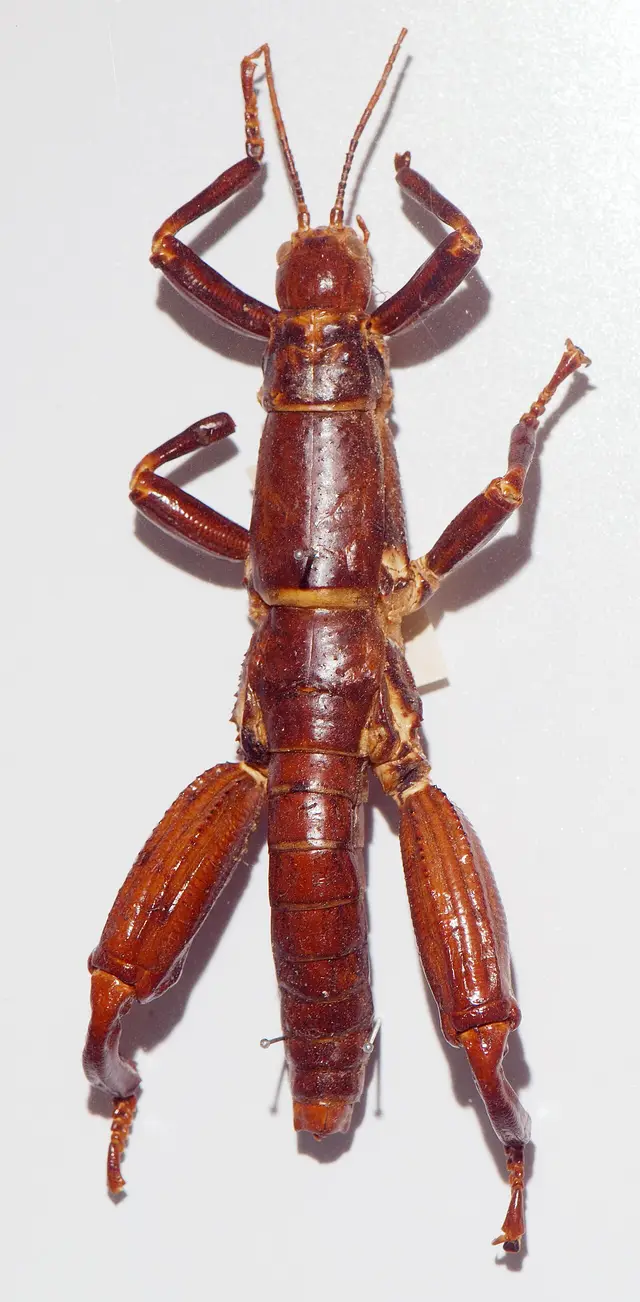
Single-species rescues show what is possible. The Lord Howe Island stick insect was rediscovered in 2001, when a group of 24 was found on Ball's Pyramid in 2001. The captive population had reached about 700 insects by 2008, and a plan to remove black rats from Lord Howe Island was approved in 2018 so the species could one day return.
Reading the catalog for Australia
The facts file lists 120 records. Corals (Anthozoa) form the largest class at 36, followed by birds and mammals at 15 each, then amphibians and lizards (Squamata) at 12 each. Insects number 9. The pins include well-known animals and many obscure ones, such as frogs, insects and a spider.
Sources for this section
- CBD country profile, Australia: species share, plant endemism, vegetation condition, threats, strategy, marine reserves, EPBC Act
- Wildlife of Australia (Wikipedia): endemism by group, extinctions, 2023 invasive species report, cane toad
- Great Barrier Reef (Wikipedia): bleaching years, Reef 2050 plan
- Lord Howe Island stick insect (Wikipedia): 2001 rediscovery, captive breeding, 2018 rat plan
What the catalog records for Australia
The catalog has 120 animals with a country pin for Australia: 27 Critically Endangered and 93 Endangered. By GBIF class the largest groups are Anthozoa (36), Aves (15), Mammalia (15), Amphibia (12). The families with the most records are Acroporidae (27), Myobatrachidae (5), Pelodryadidae (4). A pin means a structured source (Wikidata or a GBIF match) places the animal in Australia; it does not say the animal lives only there.
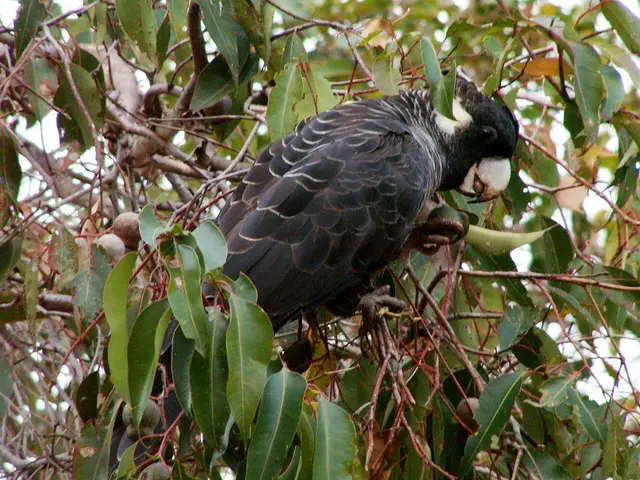 CR
Baudin's Black Cockatoo
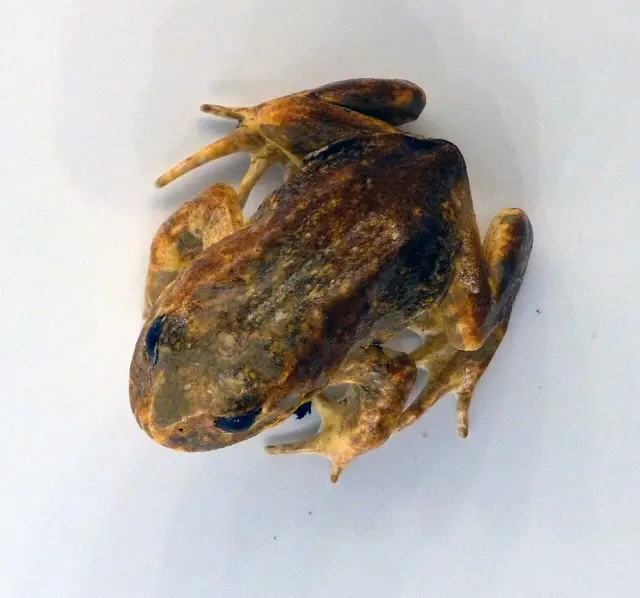 CR
Baw Baw frog
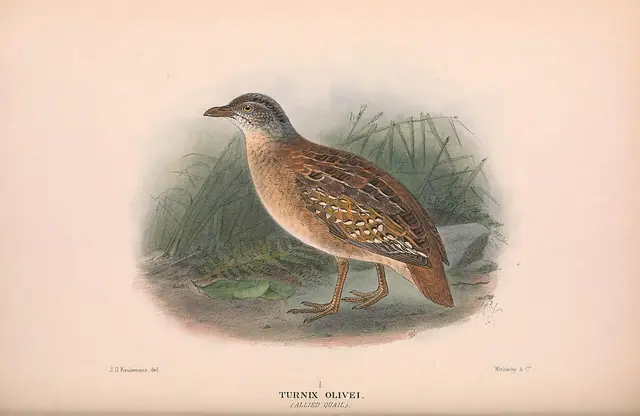 CR
Buff-breasted Buttonquail
 CR
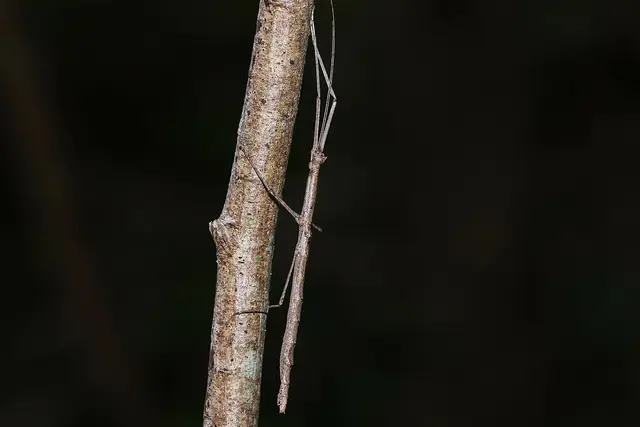
Lord Howe Horn-headed Stick-insect
 CR
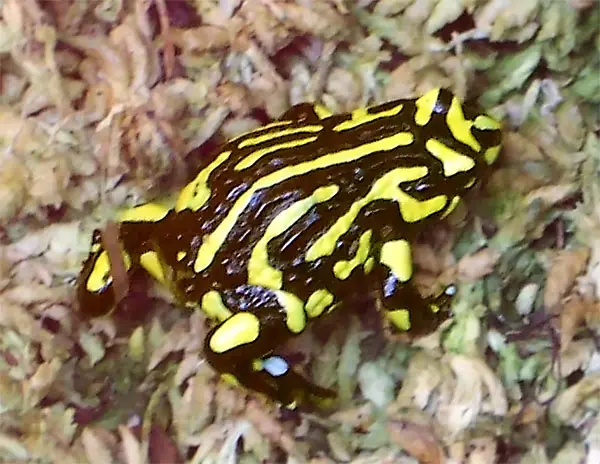
Corroboree frog
 CR
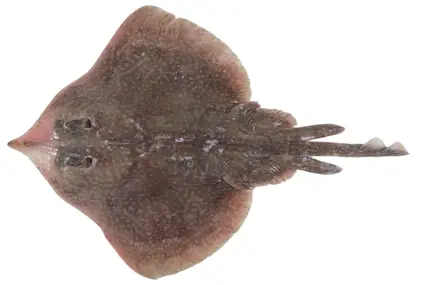
Australian longnose skate
 CR
Dryococelus
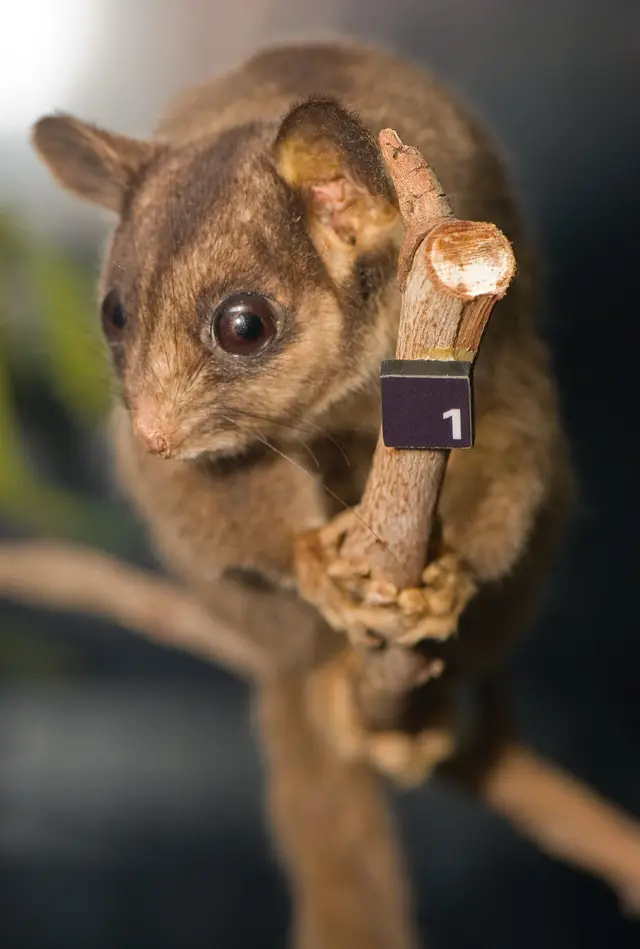 CR
Leadbeater's possum
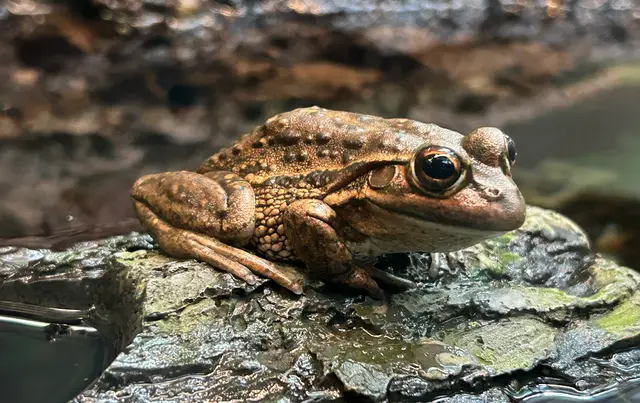 CR
Yellow-spotted bell frog
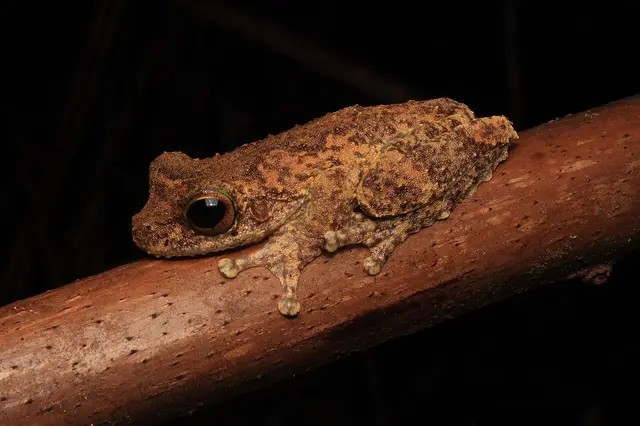 CR
Spicicalyx myola
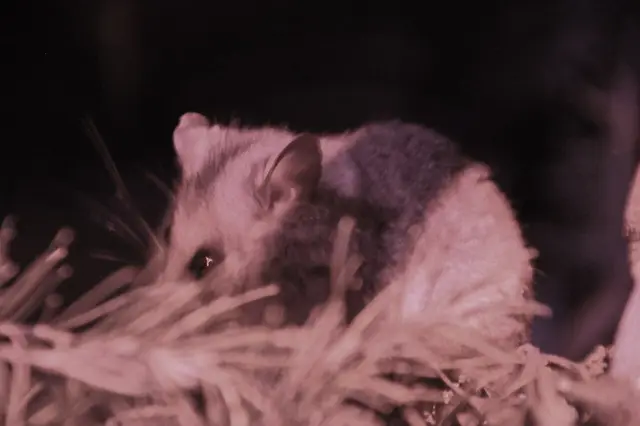 CR
Mountain pygmy possum
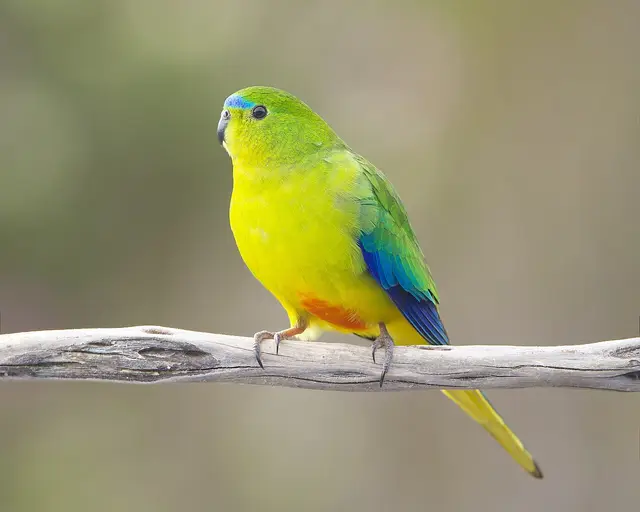 CR
Orange-bellied parrot
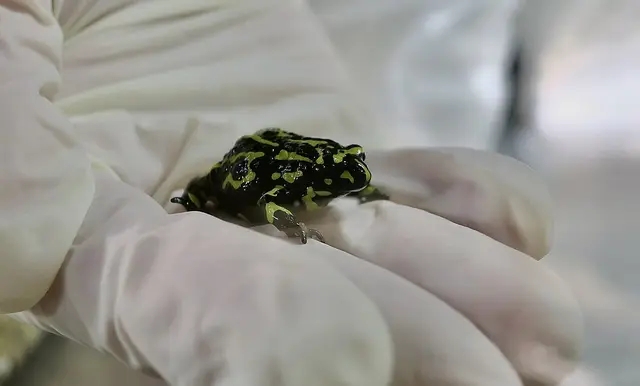 CR
Northern corroboree frog
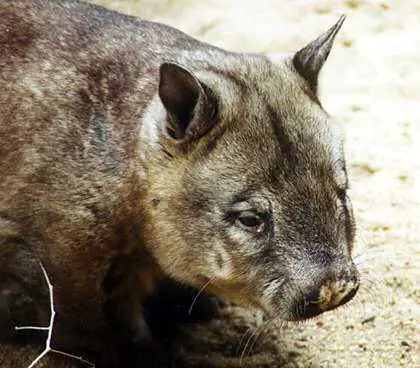 CR
Northern hairy-nosed wombat
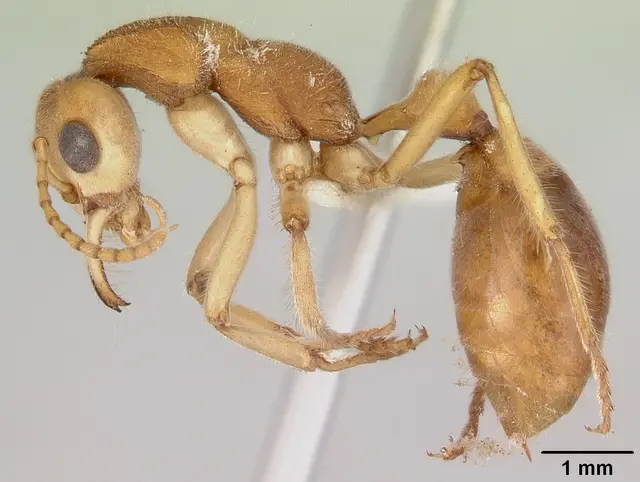 CR
Prionomyrmex macrops
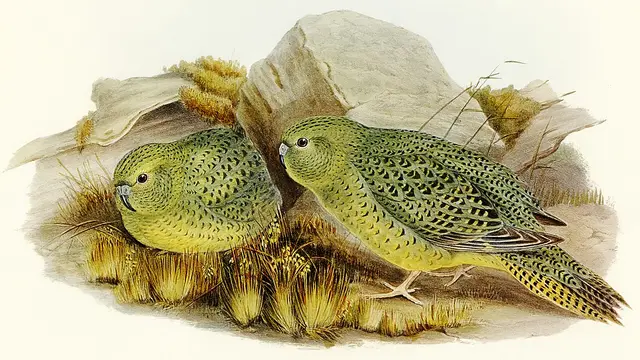 CR
Night parrot
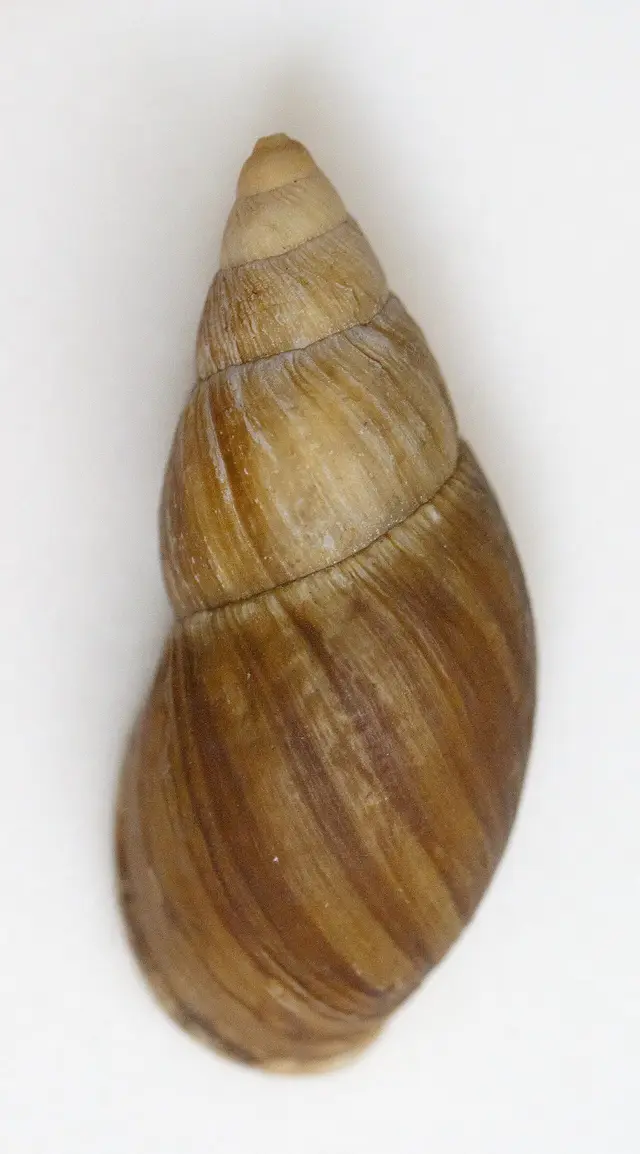 CR
Lord Howe woodhen
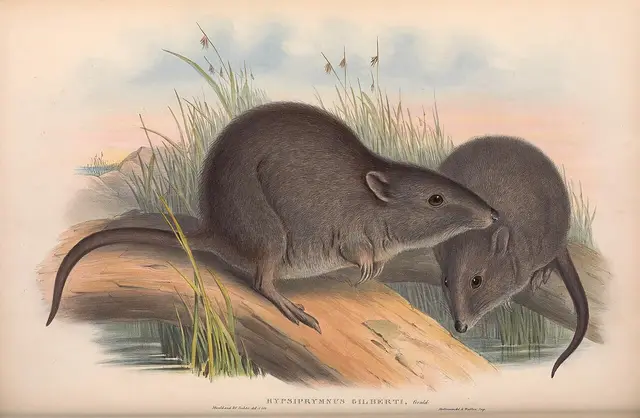 CR
Gilbert's potoroo
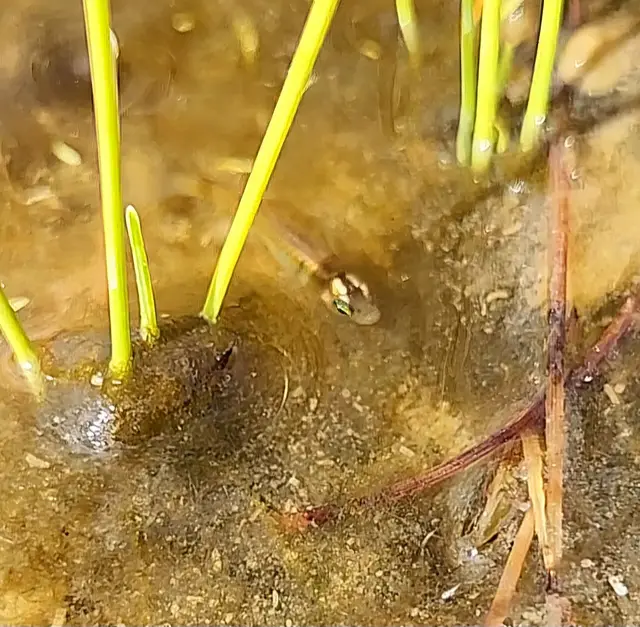 CR
Red-finned blue-eye
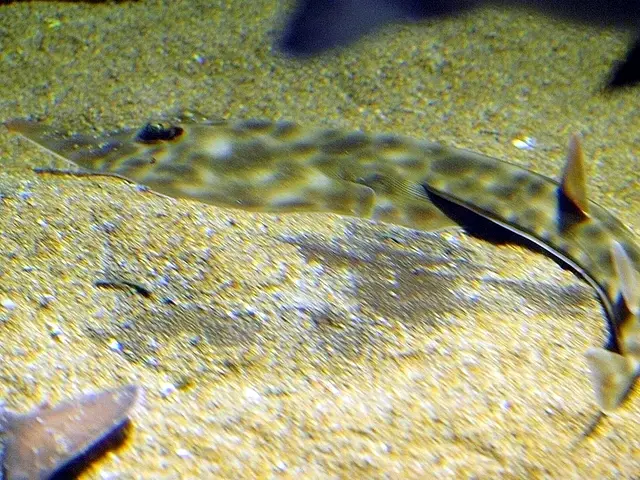 CR
Brown guitarfish
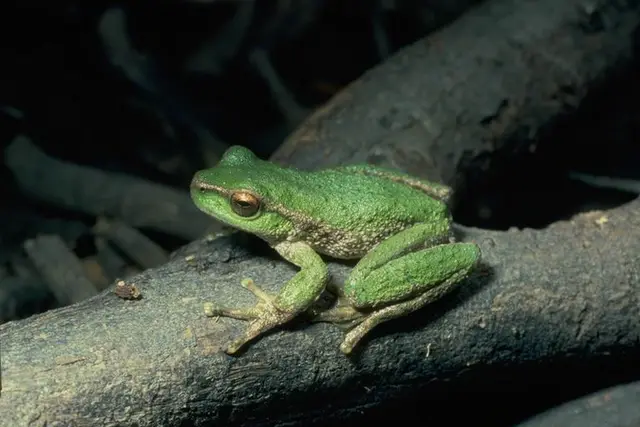 CR
Spencer's River Tree Frog
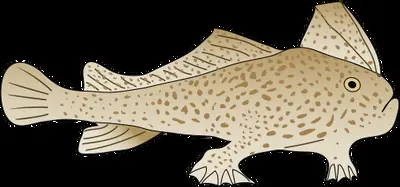 CR
Spotted handfish
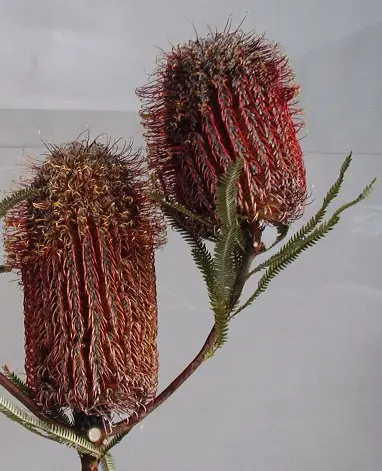 CR
Barrett’s Plant-louse
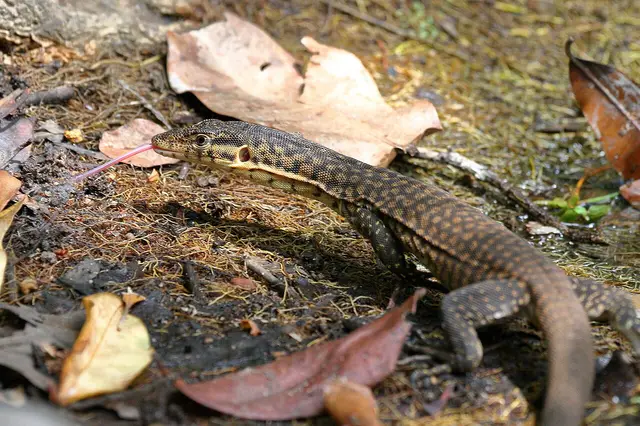 CR
Mitchell's water monitor
Showing the first 24. Total pins: 120.
Quick answers
- Do all these animals live only in Australia?
- No. A pin means a Wikidata place field resolved here. Official ranges can be wider.
- Is this a government list?
- No. It is a slice of this catalog.