Portugal
12 catalog pins
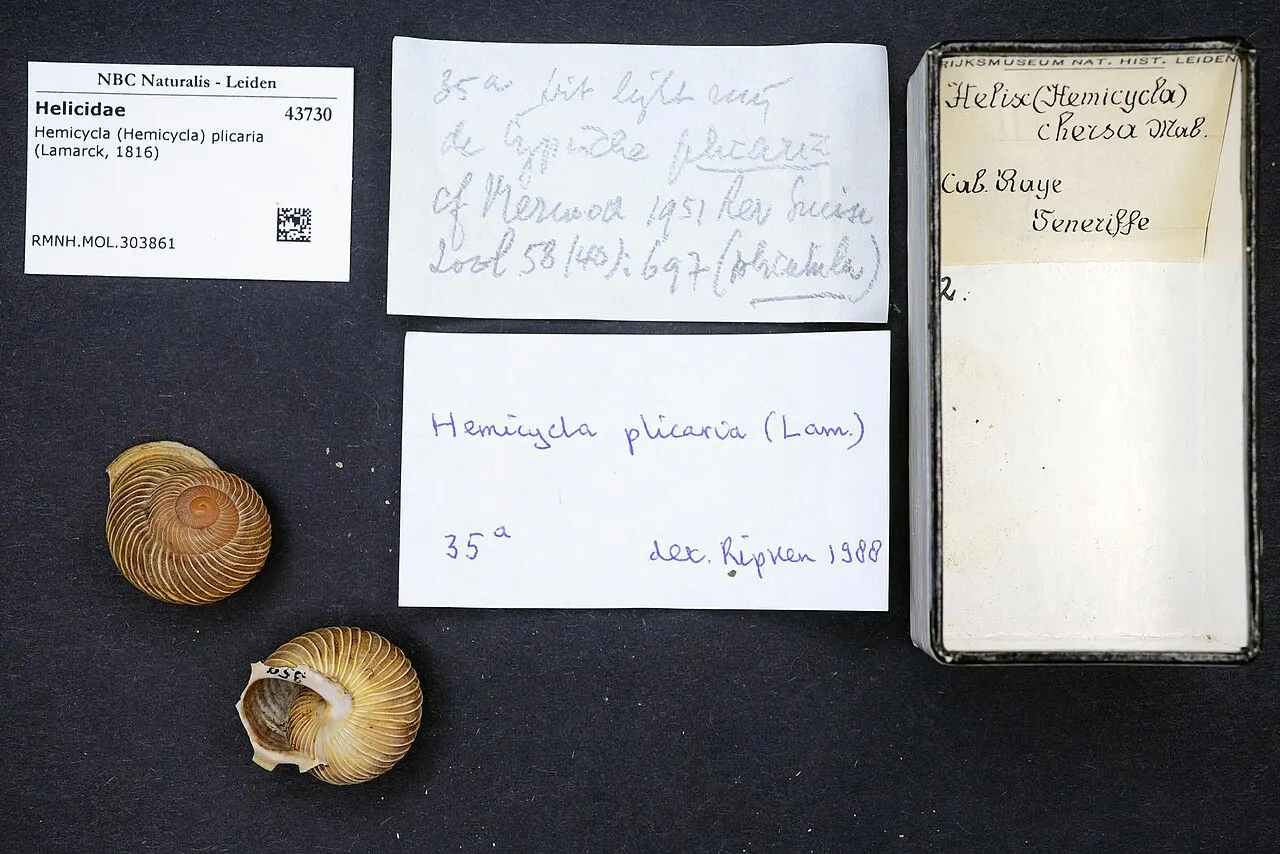
12 animals in this catalog carry a structured country pin for Portugal. That is a filing fact, not a claim that the crisis is only here.
The photograph is one of those animals: Hemicycla plicaria. Open a dossier for the text, the status, and the map. Use the world map to jump to another country. Confirm official distributions on the Red List.
Portugal covers the southwestern part of the Iberian Peninsula and also includes two Atlantic archipelagos, the Azores and Madeira. The country's biodiversity profile describes the habitats of the islands, which belong to the Macaronesian region, as of quite unique nature and undeniable importance.
The profile lists about 3,600 plant species, 69 terrestrial mammal taxa, 313 bird species, 17 amphibians and 34 reptiles. Madeira's seabird nesting areas host some of the most important colonies in the North Atlantic. Most of the animals pinned for Portugal are insects and snails.
Where the pressure comes from
The profile names habitat alteration or destruction, pollution, overexploitation, invasive alien species, urbanization and fires as the main threats. About 35% of Portugal's bird species are threatened in some way, per the same document.
Madeira shows how this plays out. Forests and shrublands were stripped to make charcoal for the island's sugar mills, and land went to sugar cane and pasture. Cows, goats and sheep grazed the understory intensively, and eucalyptus has spread on the south slope, displacing native species.
What is being done
Mainland protected areas and Natura 2000 sites cover about 2,017,803 hectares, or 20.47% of the mainland, and the Azores and Madeira add 76,758 hectares of Sites of Community Importance. Those figures come from the profile and carry no year.
Madeira Natural Park was established in 1982 and covers 444 square kilometres. The Laurisilva of Madeira became a World Heritage Site in 1999, with about 15,000 hectares remaining and described as the largest remaining laurel forest. Goats and sheep were removed from the forests from the 1980s. The Selvagens became a nature reserve in 1971 and the Desertas in 1990.
Reading the catalog for Portugal
Twelve animals are pinned, seven Critically Endangered and five Endangered. Insects are the largest group in the catalog's list, followed by snails, with one spider and one freshwater mussel. Hoverflies (Syrphidae) and helicid land snails (Helicidae) are the best represented families.
There are no mammals, birds or reptiles on this list. That reflects what has been assessed, and says nothing on its own about how well Portugal's larger animals are doing.
Sources for this section
- CBD country profile, Portugal: species counts, Macaronesia, Madeira seabirds, protected area hectares, threats, 35% threatened birds
- Wikipedia, Laurisilva of Madeira: UNESCO 1999, 15,000 ha, Madeira Natural Park 1982 and 444 km2, settlement-era clearing, grazing, eucalyptus, Selvagens 1971, Desertas 1990
- Wikipedia, Wildlife of Portugal: Portugal includes Madeira and the Azores; mainland on southwestern Iberian Peninsula
What the catalog records for Portugal
The catalog has 12 animals with a country pin for Portugal: 7 Critically Endangered and 5 Endangered. By GBIF class the largest groups are Insecta (6), Gastropoda (4), Arachnida (1), Bivalvia (1). The families with the most records are Helicidae (3), Syrphidae (3), Dytiscidae (1). A pin means a structured source (Wikidata or a GBIF match) places the animal in Portugal; it does not say the animal lives only there.
 CR
Hemicycla plicaria
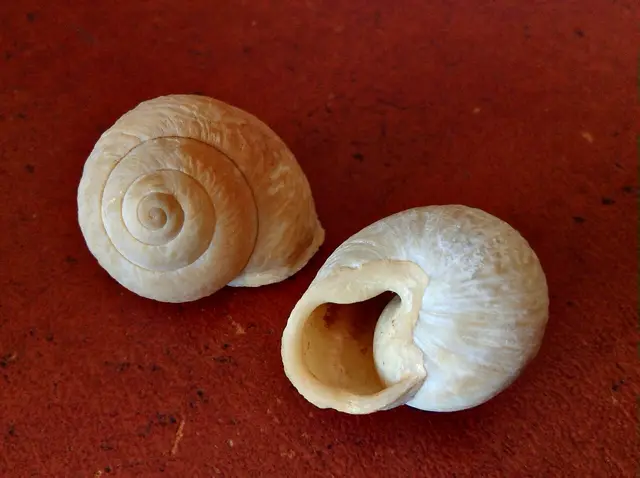 CR
Hemicycla saulcyi
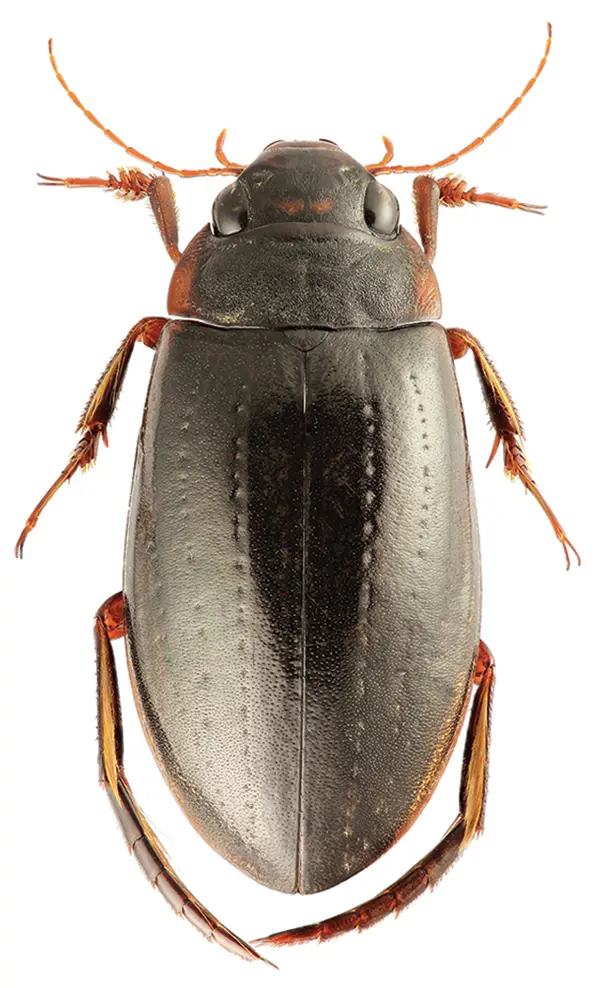 CR
Meladema imbricata
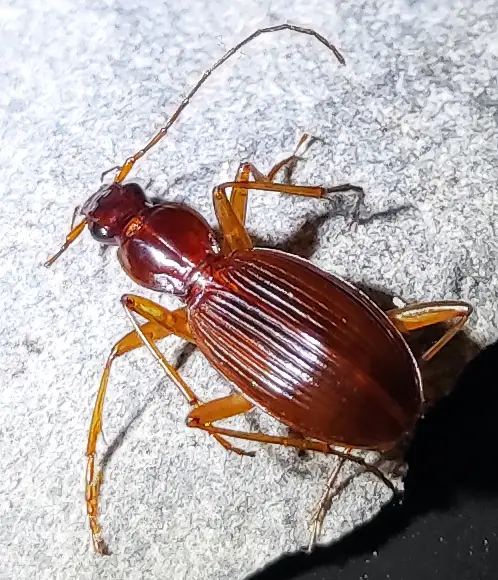 CR
Pseudanchomenus aptinoides
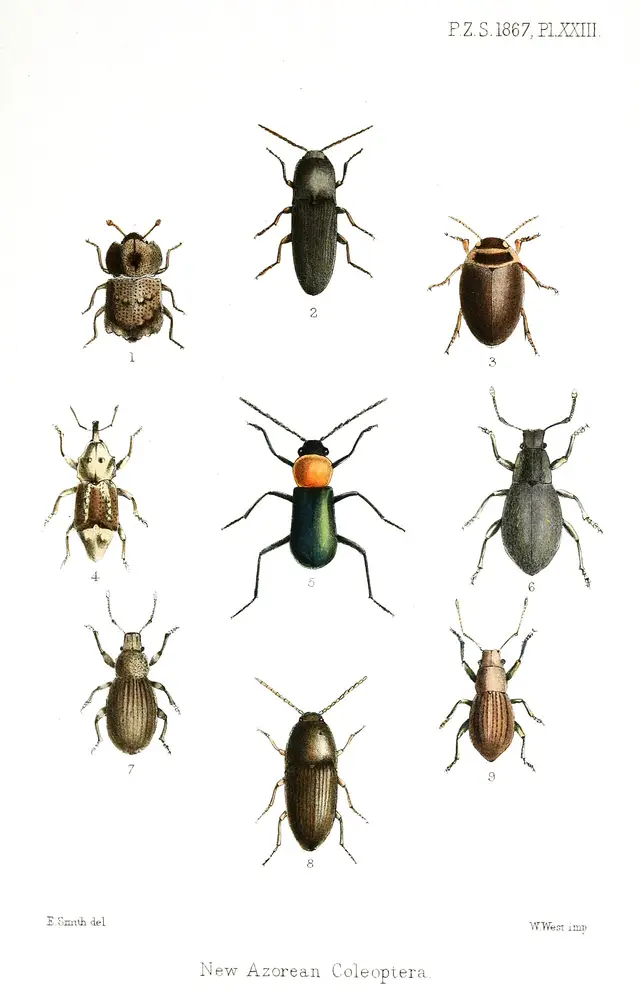 CR
Tarphius wollastoni
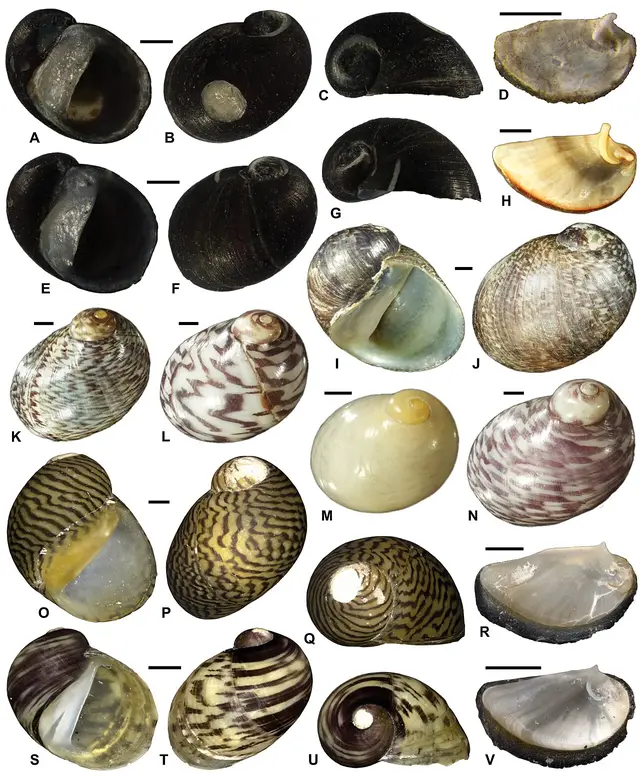 CR
Theodoxus baeticus
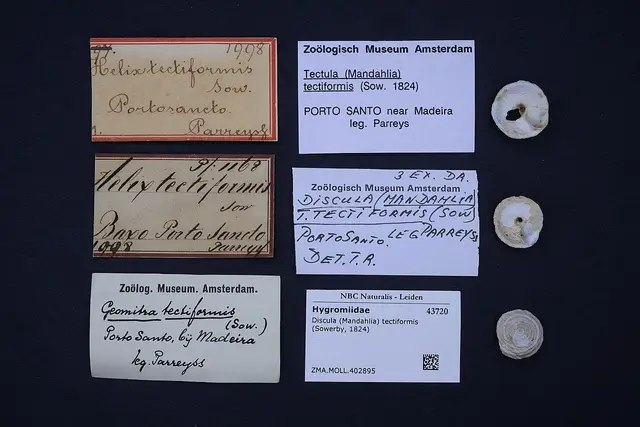 EN
Discula tectiformis
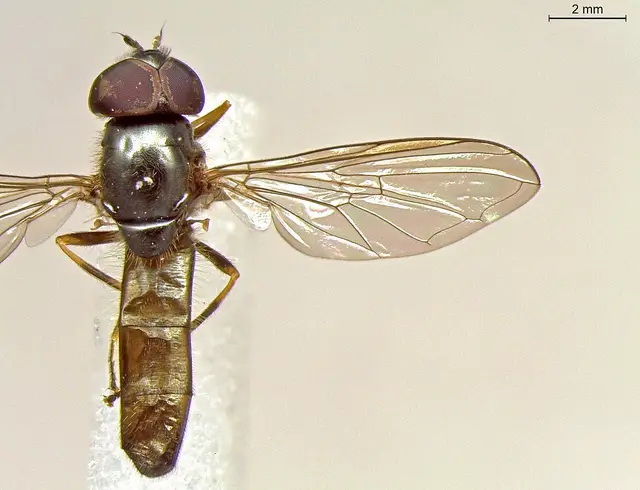 EN
Melanostoma wollastoni
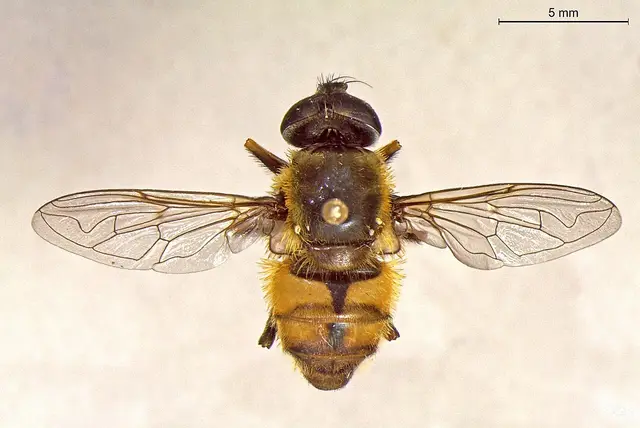 EN
Myathropa usta
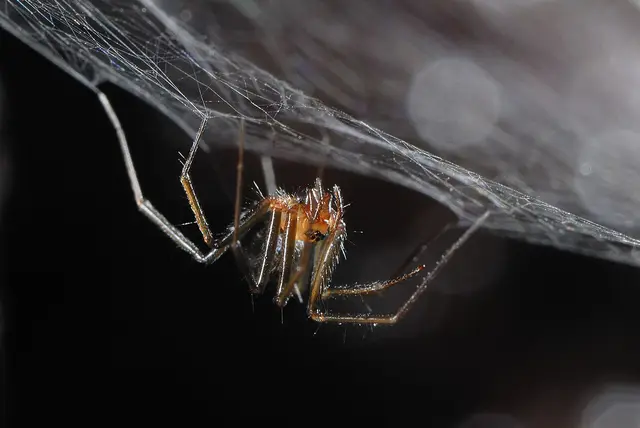 EN
Algar do Carvão Cave Spider
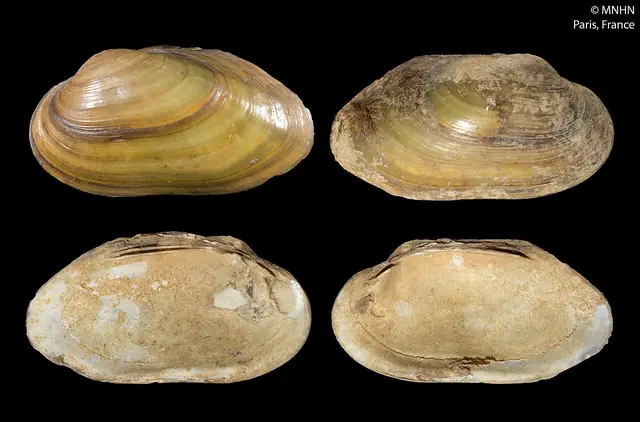 EN
Dolphin Freshwater Mussel
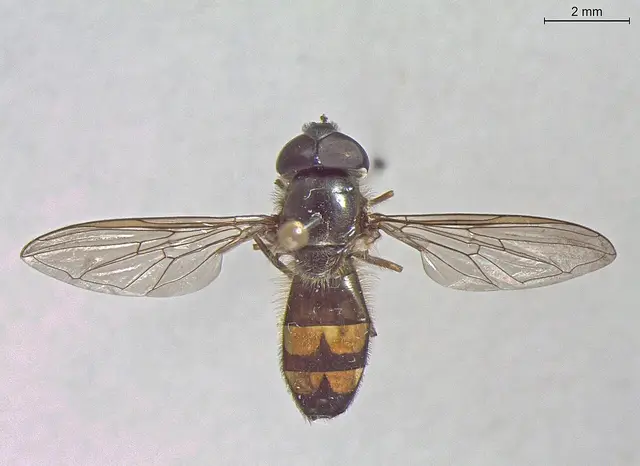 EN
Xanthandrus babyssa
Total pins: 13.
Quick answers
- Do all these animals live only in Portugal?
- No. A pin means a Wikidata place field resolved here. Official ranges can be wider.
- Is this a government list?
- No. It is a slice of this catalog.