Spain
22 catalog pins
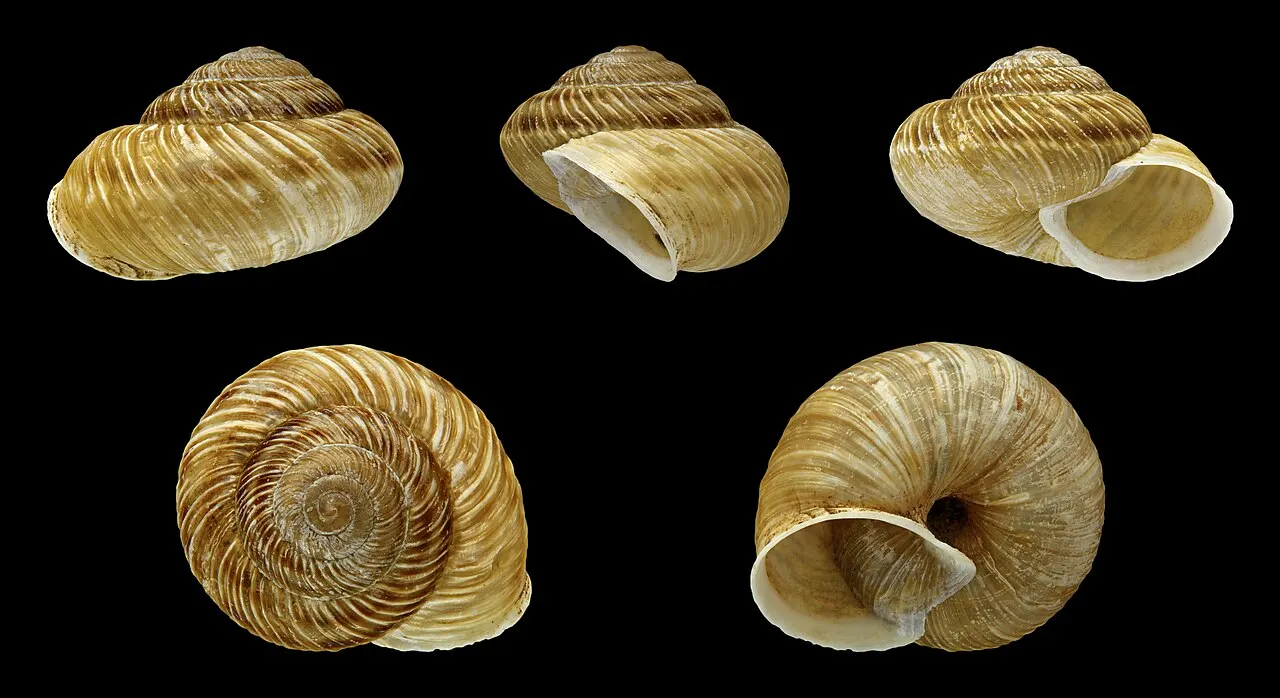
22 animals in this catalog carry a structured country pin for Spain. That is a filing fact, not a claim that the crisis is only here.
The photograph is one of those animals: Canariella jandiaensis. Open a dossier for the text, the status, and the map. Use the world map to jump to another country. Confirm official distributions on the Red List.
Spain has more vascular plant species (about 8,000 to 9,000) than any other European or Mediterranean country, according to its CBD profile, and 60,000 to 70,000 known animal species, about 99% of them invertebrates. Endemism, species found nowhere else, is put at 20 to 25%.
The Canary Islands matter a great deal here. They are volcanic, and none of the Macaronesian islands was ever part of a continent, so everything native arrived by long-distance dispersal. Their laurel forest has been reduced to small, disconnected pockets.
Where the pressure comes from
Spain's CBD profile says 40 to 60% of assessed species fall into a threatened category, and that desertification is a high risk over about a third of the territory. Coastal habitats are in the poorest conservation state of any habitat type.
On the Canaries, a 2025 report on land snail reassessments names urbanisation, invasive species and chance events on Tenerife, urbanisation, military activity and fragmentation on Gran Canaria, and predation by invasive snails with habitat loss on La Gomera. Several endemic snails have not been seen for a century or more and are considered possibly or probably extinct. Some news was good: the number of Critically Endangered Canary land snails fell from 30 to 28 after the review, and new populations of one La Palma species were found.
What is being done
Law 42/2007 on Natural Heritage and Biodiversity underpins national policy, and Natura 2000 designations covered 27.2% of the land surface in the CBD profile (an older figure; only about 0.5% of marine area had legal protection). The remaining laurel forest in the Macaronesian islands, outside Cape Verde, was protected by EU law in 2001.
Reading the catalog for Spain
Snails (gastropods) and insects are the largest groups in the catalog's list for Spain, and the Helicidae is the most common family. A single lizard from Gran Canaria, Gallotia stehlini, is also in the list. Spain also has well-known threatened mammals and birds, but many are assessed in other categories.
Sources for this section
- CBD country profile, Spain: species counts, endemism 20-25%, threatened 40-60%, desertification, coastal habitats, Natura 2000 27.2%, 0.5% marine, Law 42/2007
- Macaronesia (Wikipedia): never part of a continent, volcanic, laurisilva pockets, EU protection 2001
- Canary Islands endemic snails reassessed (Loro Parque Fundacion, July 2025): snail threats per island, CR 30 to 28, possibly extinct species
What the catalog records for Spain
The catalog has 22 animals with a country pin for Spain: 11 Critically Endangered and 11 Endangered. By GBIF class the largest groups are Gastropoda (11), Insecta (8), Squamata (1), Aves (1). The families with the most records are Helicidae (6), Canariellidae (2), Pieridae (2). A pin means a structured source (Wikidata or a GBIF match) places the animal in Spain; it does not say the animal lives only there.
 CR
Canariella jandiaensis
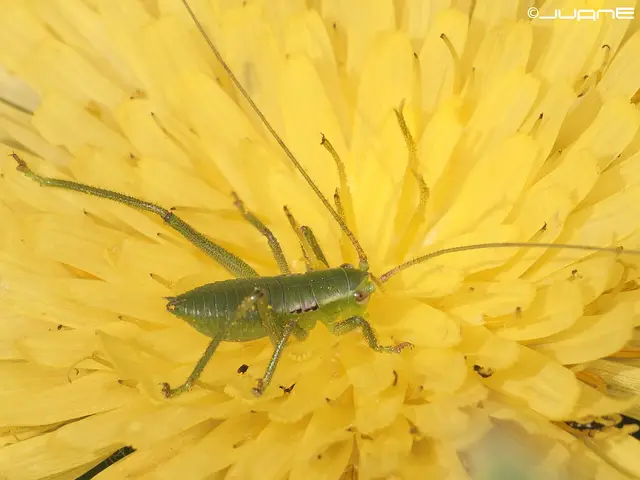 CR
Gran Canaria Bush-cricket
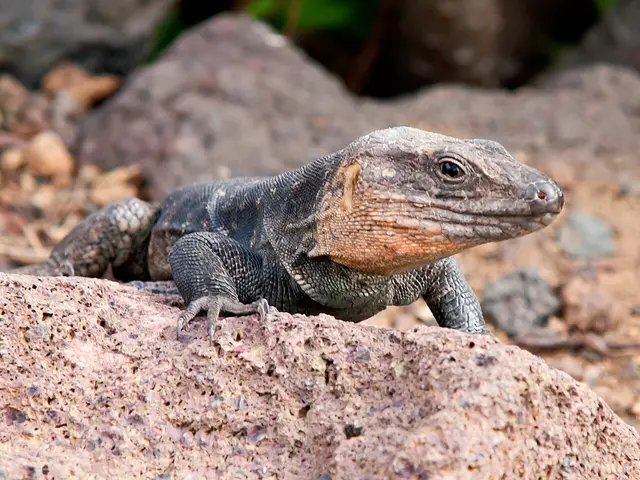 CR
Gran Canaria Giant Lizard
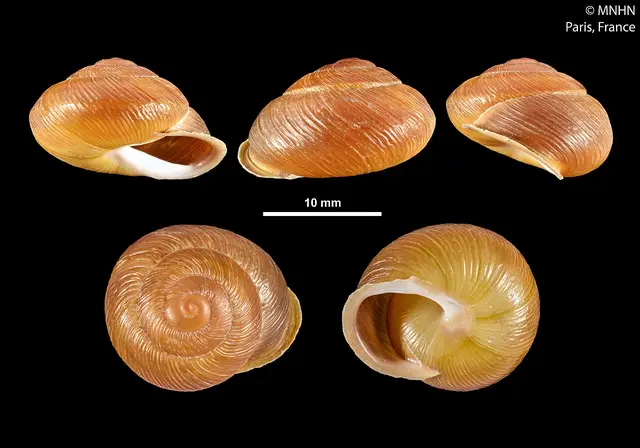 CR
Hemicycla modesta
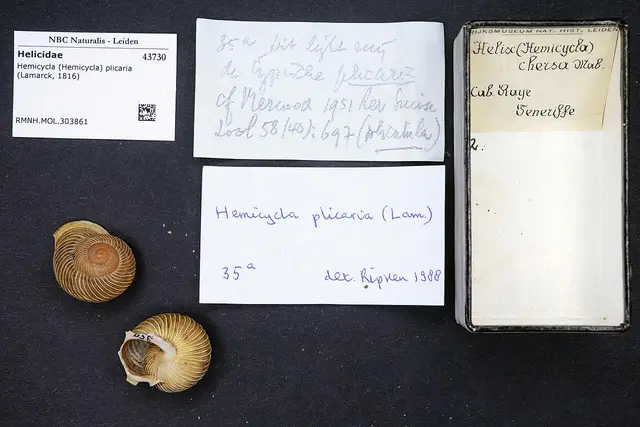 CR
Hemicycla plicaria
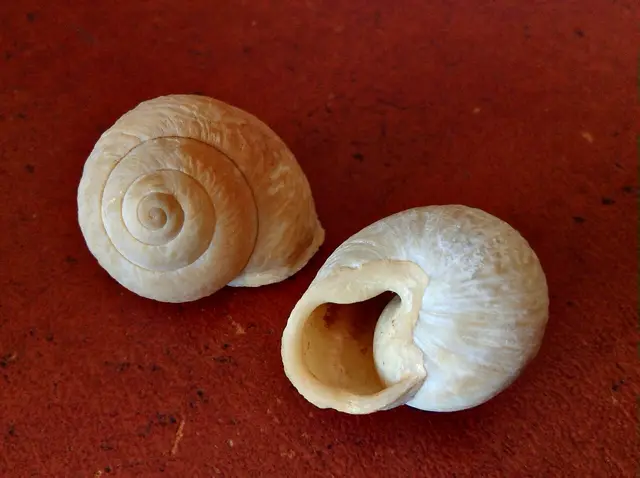 CR
Hemicycla saulcyi
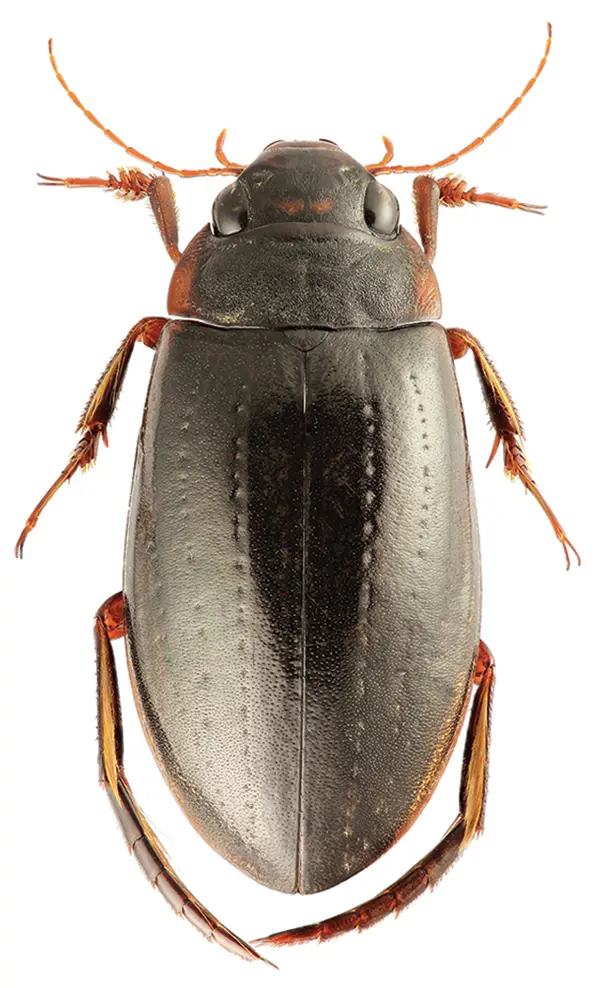 CR
Meladema imbricata
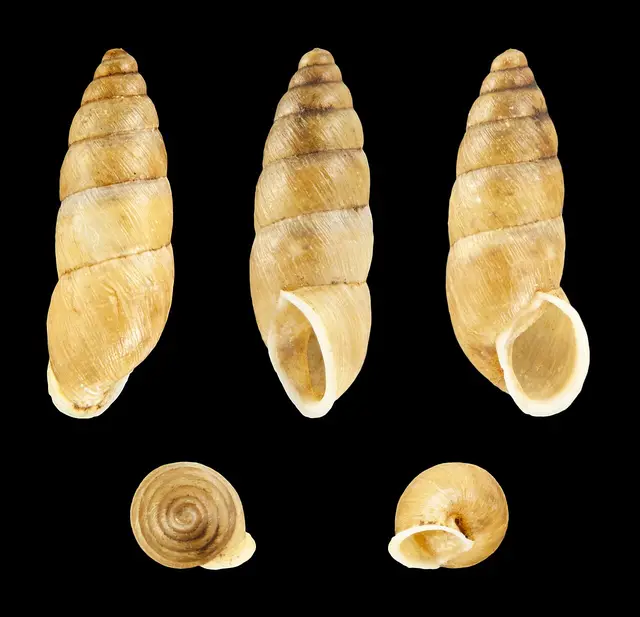 CR
Napaeus exilis
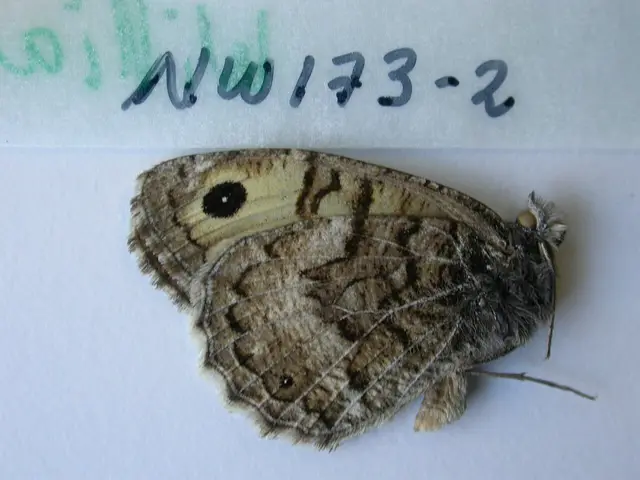 CR
Nevada Grayling
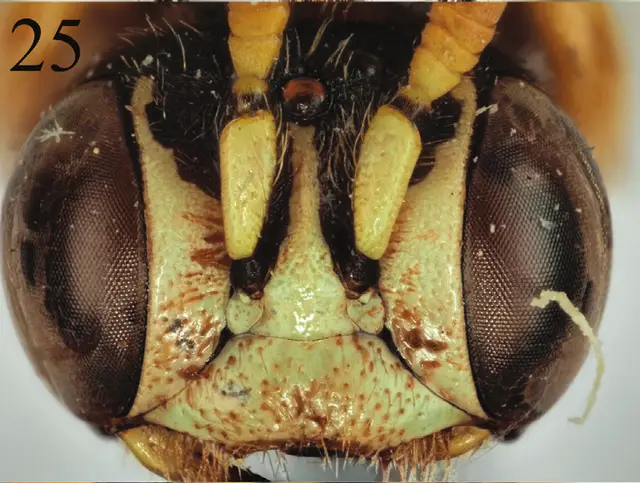 CR
Simpanurgus phyllopodus
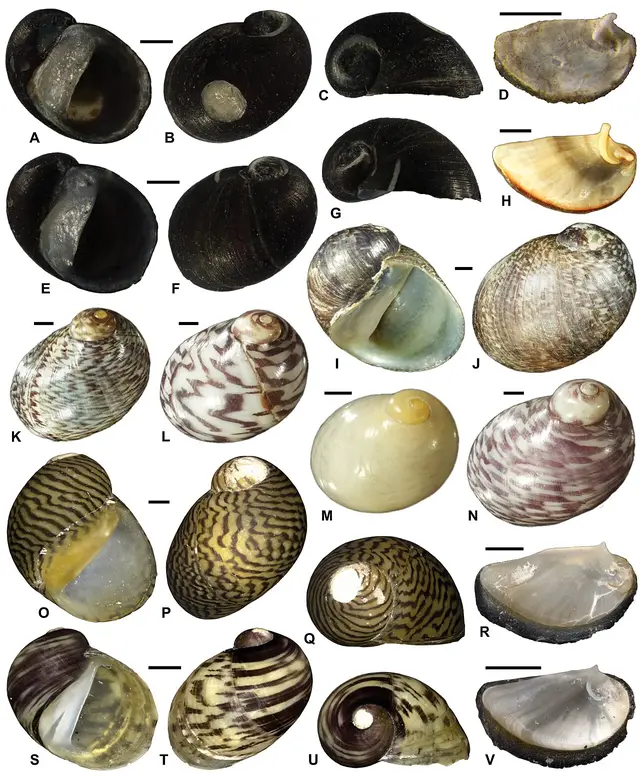 CR
Theodoxus baeticus
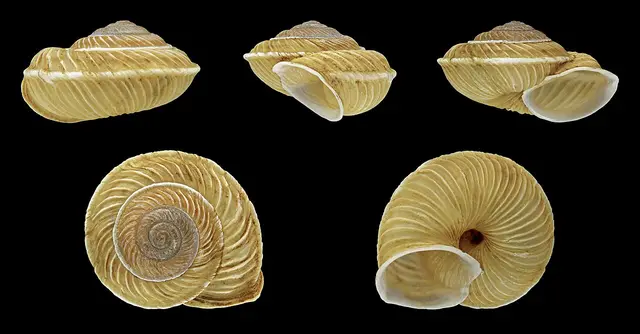 EN
Canariella eutropis
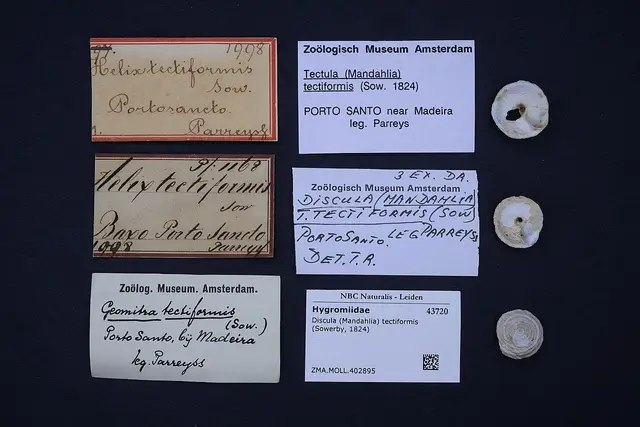 EN
Discula tectiformis
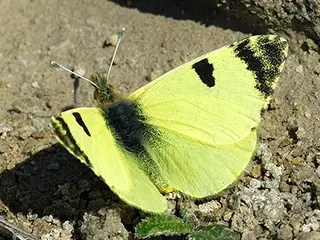 EN
Spanish Greenish Black-tip
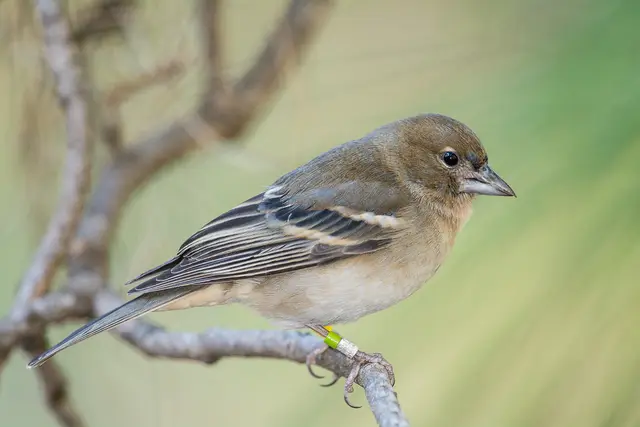 EN
Gran Canaria blue chaffinch
 EN
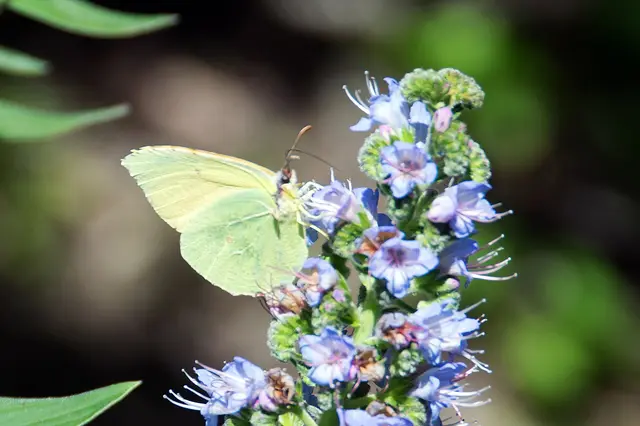
Canary Brimstone
 EN
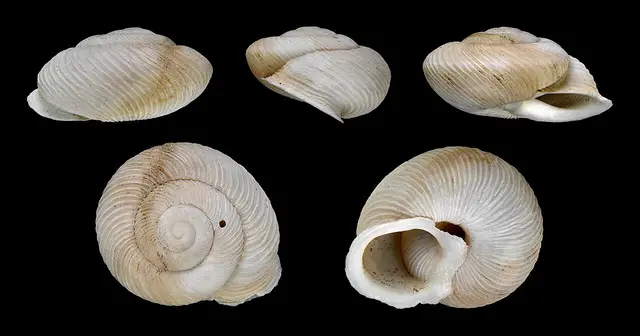
Hemicycla inutilis
 EN
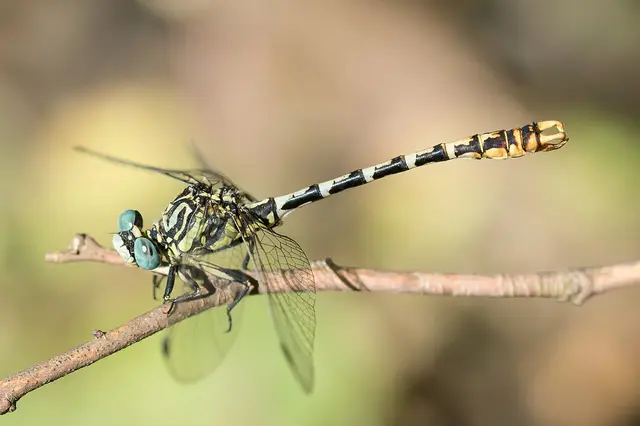
Cazuma Pincertail
 EN
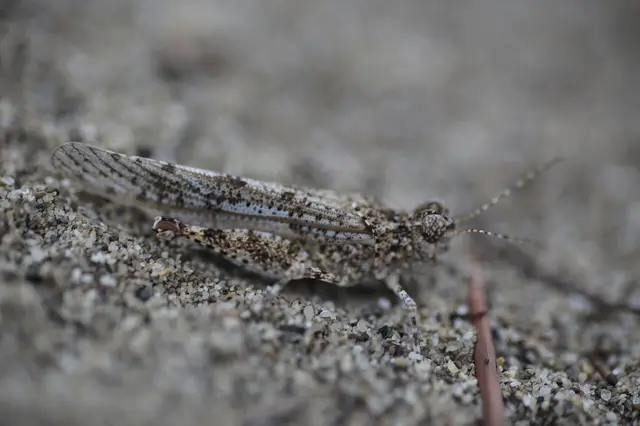
Italian Sand Grasshopper
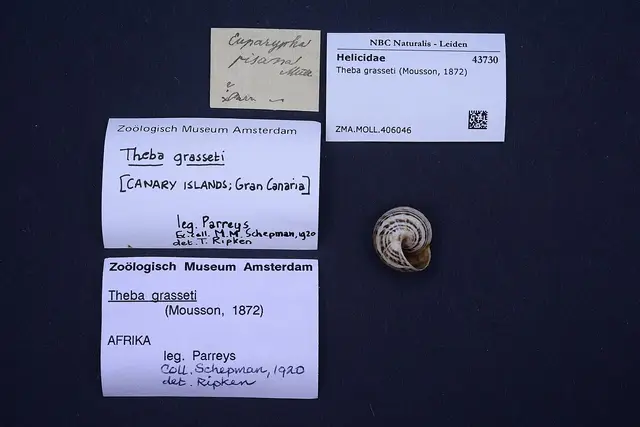 EN
Theba grasseti
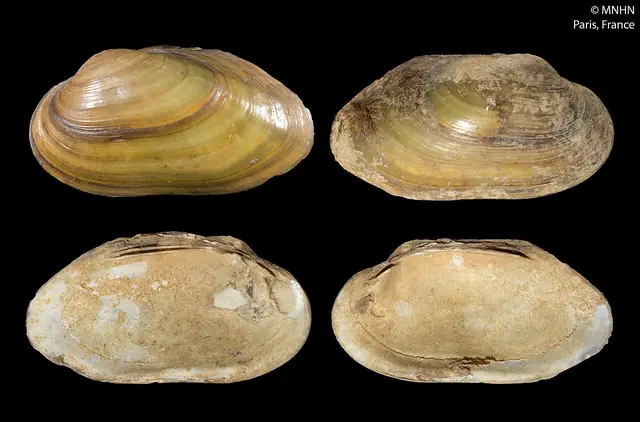 EN
Dolphin Freshwater Mussel
Showing the first 24. Total pins: 25.
Quick answers
- Do all these animals live only in Spain?
- No. A pin means a Wikidata place field resolved here. Official ranges can be wider.
- Is this a government list?
- No. It is a slice of this catalog.