Endangered
Hemicycla inutilis
Hemicycla inutilis
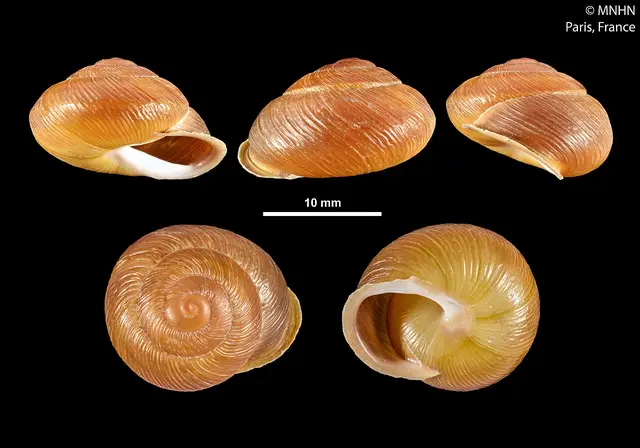
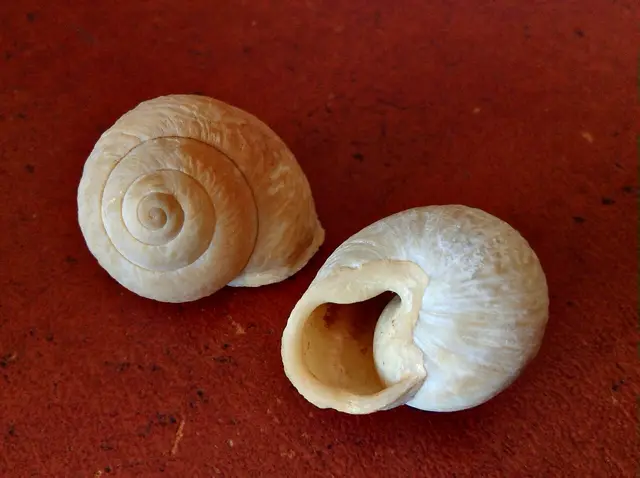
Hemicycla inutilis is a land snail in the family Helicidae found only on Tenerife, in the Canary Islands. It is listed as Endangered on the IUCN Red List (2025 assessment) because it lives at about six isolated sites on the island's eastern side, and urban growth, roads and quarrying keep shrinking its habitat.
How to recognise it
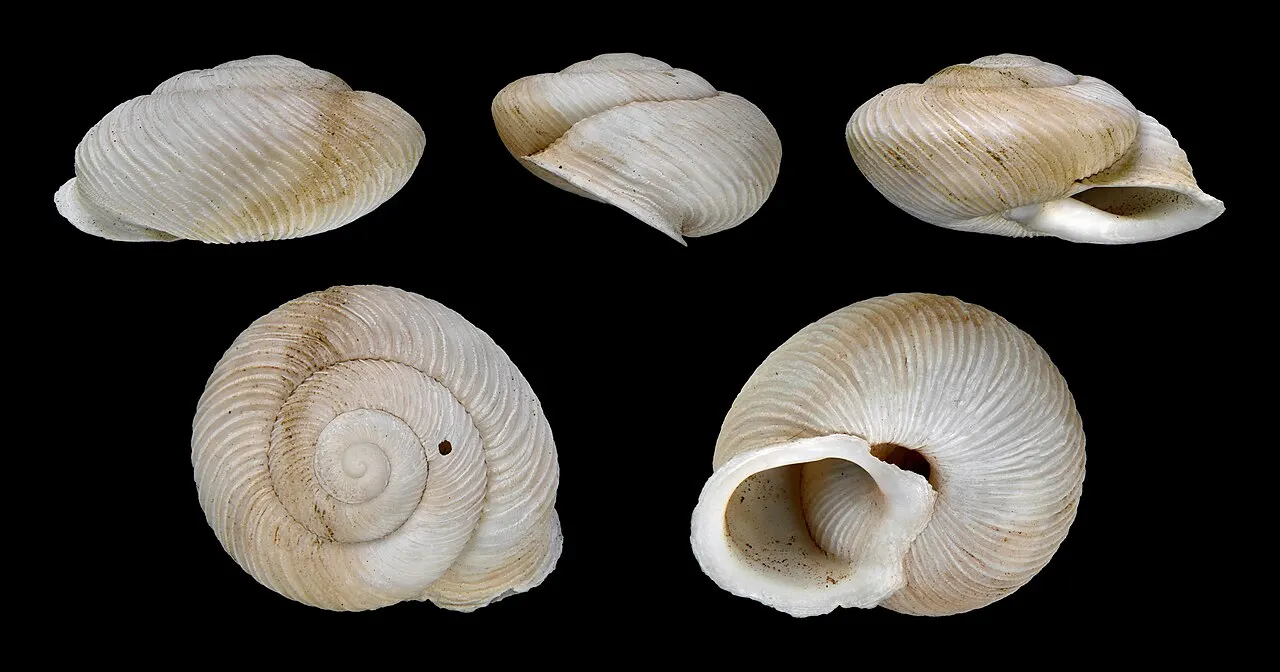
Albert Mousson described the species in 1872. A 2011 study of Tenerife's Hemicycla snails found that H. inutilis has a ribbed shell, like its closest relative on the island, H. pouchadan, and unlike H. diegoi, a snail known only from the Teno area in the north-west. DNA put H. inutilis and H. pouchadan closer to each other than any other pair in the study.
Published descriptions of shell size and colour are hard to find, so the ribbing and the location are the practical clues.
Where it lives
The species is endemic to Tenerife. The Red List places it at about six isolated sites at low to medium altitude, between roughly 50 and 600 m above sea level, in the east of the island. The sites run from Fasnia in the south, through the Güimar Valley, to Radazul in the north.
The area it actually occupies is only about 48 square kilometres, within an extent of occurrence of about 84. Its habitat is the Canarian succulent shrub zone and rocky ground known as malpais, with caves also listed.
Pins are Wikidata “endemic to” fields. Orange dots, when present, are GBIF occurrence tiles — survey bias included.
How it lives
Its diet, breeding and lifespan have not been documented in the sources available. Like other land snails it depends on rocky shelter and damp microhabitats, which fits the shrub, rock and cave habitats the assessment lists.
Why it is in trouble
The population is severely fragmented, and habitat area and the number of locations are both still falling. The Red List links this to urban growth, road building, housing, tourist and industrial development, tomato plantations, and quarrying for road gravel and for filling in ravines.
Introduced rodents prey on the snails, and the invasive fountain grass (Cenchrus setaceus) may be changing the habitat. The population is thought to be decreasing, but no overall count exists.
What is being done
Only a few of the known groups live inside protected areas, among them Malpais de Güimar and Corona Forestal, and the assessment estimates 11 to 20 percent of the population is covered. Site protection is the action in place, and the assessment says more protected areas would help. There is no recovery plan, no systematic monitoring scheme and no international legislation covering the species.
Sources
Written for this catalog in our own words from the sources below, checked against them on 12 November 2026. Population figures are estimates and carry the year they were made. Status and assessment year: IUCN. 2026. The IUCN Red List of Threatened Species. Version 2026-1. iucnredlist.org.