France
25 catalog pins
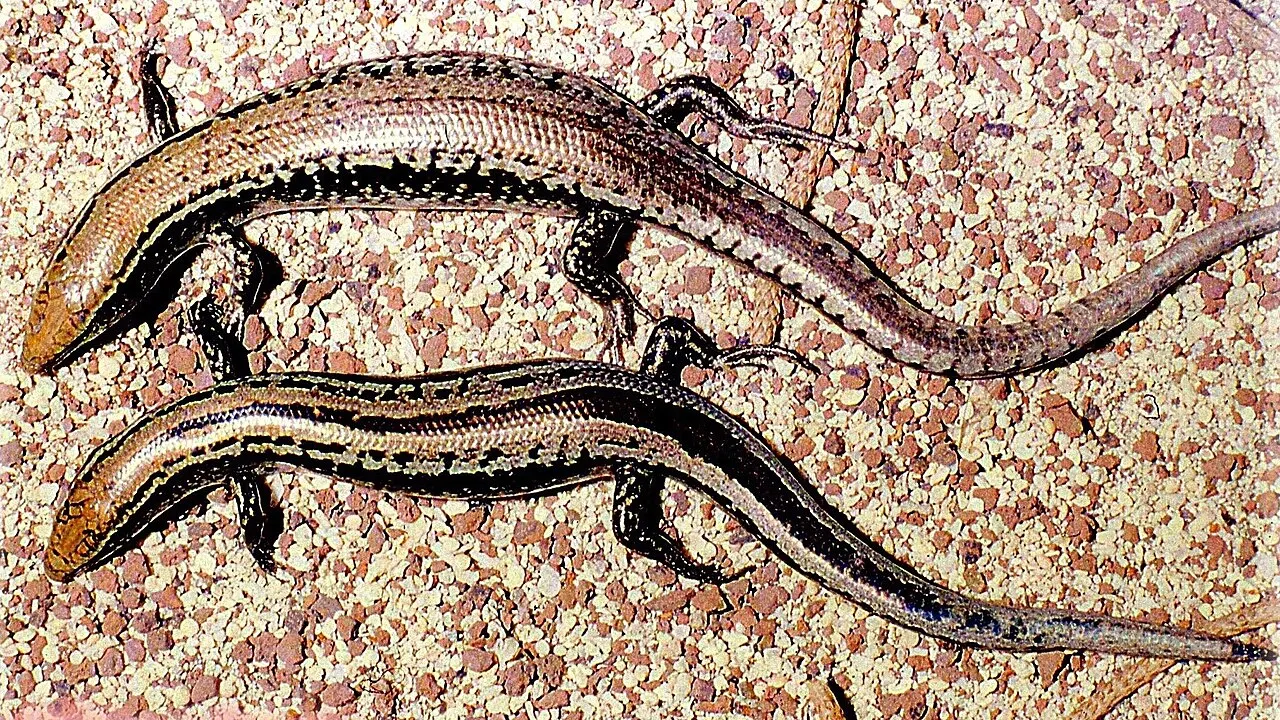
25 animals in this catalog carry a structured country pin for France. That is a filing fact, not a claim that the crisis is only here.
The photograph is one of those animals: Bojer's skink. Open a dossier for the text, the status, and the map. Use the world map to jump to another country. Confirm official distributions on the Red List.
France is really two places for wildlife. Metropolitan France has about 11,934 plant species and 43,727 animal species in the CBD profile. But France also has overseas territories, and the profile says France is in five of the world's 37 biodiversity hotspots, four of them overseas.
Overseas France holds about 10% of the world's coral reefs, and its exclusive economic zone of over 11 million square kilometres is the world's second largest. The profile says overseas territories have more than 50 times as many endemic plant species as the mainland.
Where the pressure comes from
Habitat destruction, pollution, overexploitation, invasive species and climate change are among the profile's main threats. The French IUCN committee reported in 2025 that about 30% of threatened species in the overseas territories are affected by invasive species. A 2023 study in Biodiversity and Conservation estimated that up to 60% of the endemic flora of the overseas territories is potentially threatened. That is a pre-assessment estimate, not a finished Red List.
On Reunion, one Red List study analysed 905 flowering plants and ferns and found 49 had already disappeared and 275 were threatened.
What is being done
On the mainland, protected areas cover over 20% of the territory with varying protection and Natura 2000 covers 12.5%. The profile adds that 43% of territorial waters and 5% of the exclusive economic zone are protected. It gives no overseas figures, and the 2023 study describes Red Lists in the overseas territories as tending to be outdated or absent, so the data there are patchy.
Reading the catalog for France
Snails (gastropods) are the largest group in the catalog's list for France, with insects and birds next. Pins can sit on overseas territories, so one may be far from Europe. These figures are dated: the CBD profile mixes sources from about 2007 to 2013.
Sources for this section
- CBD country profile, France: species counts, overseas hotspots, EEZ, protected areas, Reunion red list, threats
- Veron et al. 2023, endemic flora of French overseas territories (abstract): up to 60% potentially threatened, Biodiversity and Conservation 32(4)
- IUCN French Committee via Especes envahissantes outre-mer (April 2025): 30% of threatened overseas species affected by invasive species
- Wildlife of France (Wikipedia): mainland versus overseas context
What the catalog records for France
The catalog has 25 animals with a country pin for France: 14 Critically Endangered and 11 Endangered. By GBIF class the largest groups are Gastropoda (11), Insecta (6), Aves (4), Squamata (1). The families with the most records are Helicidae (3), Bythinellidae (2), Scincidae (1). A pin means a structured source (Wikidata or a GBIF match) places the animal in France; it does not say the animal lives only there.
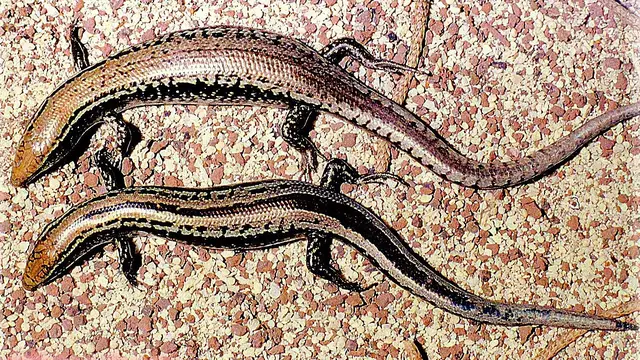 CR
Bojer's skink
 CR
Bythinella cylindrica
 CR
Cottus petiti
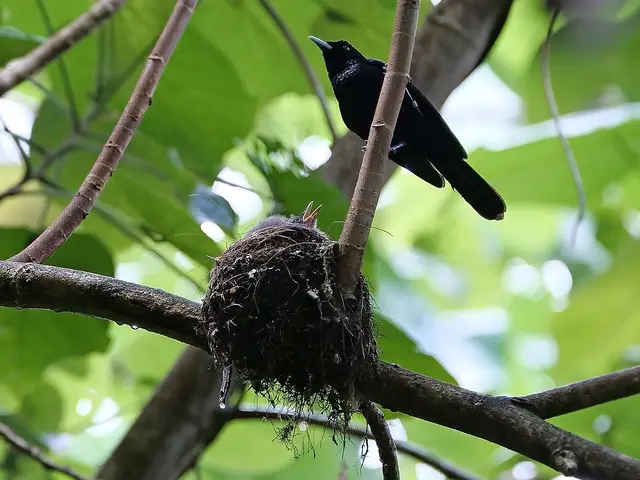 CR
Fatuhiva Monarch
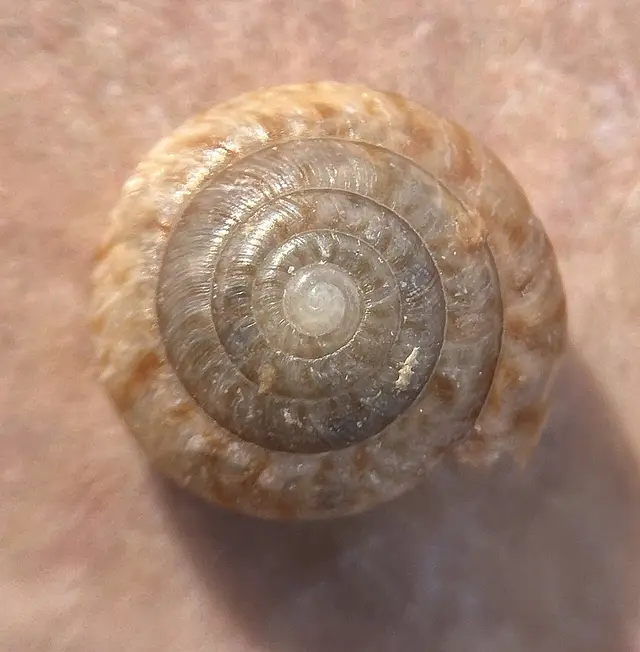 CR
Greater Bermuda land snail
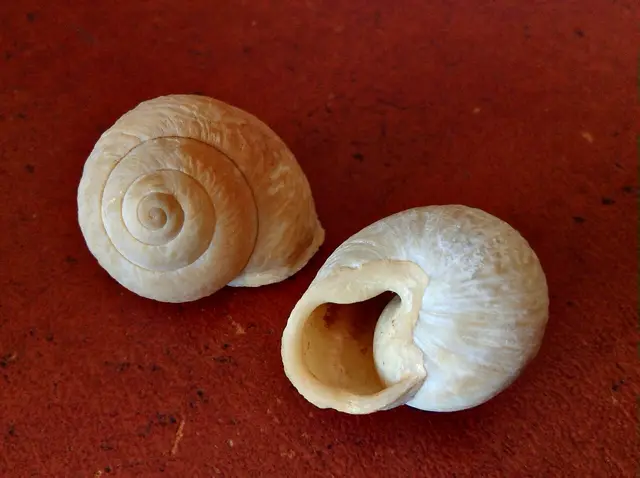 CR
Hemicycla saulcyi
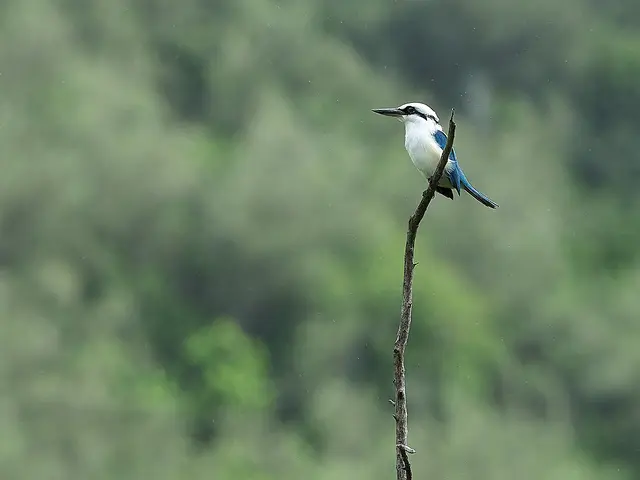 CR
Marquesan Kingfisher
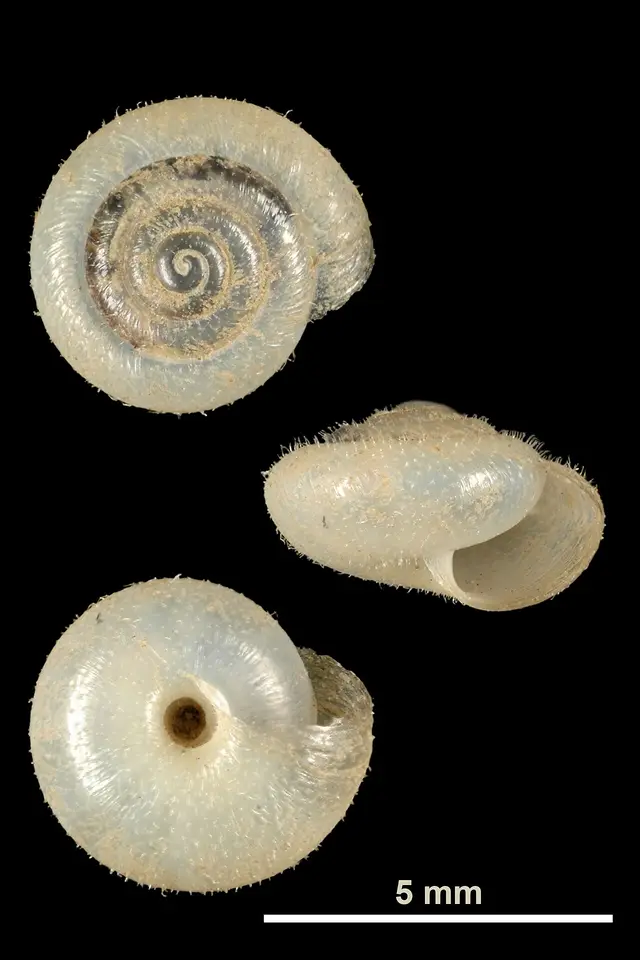 CR
Montserratina becasis
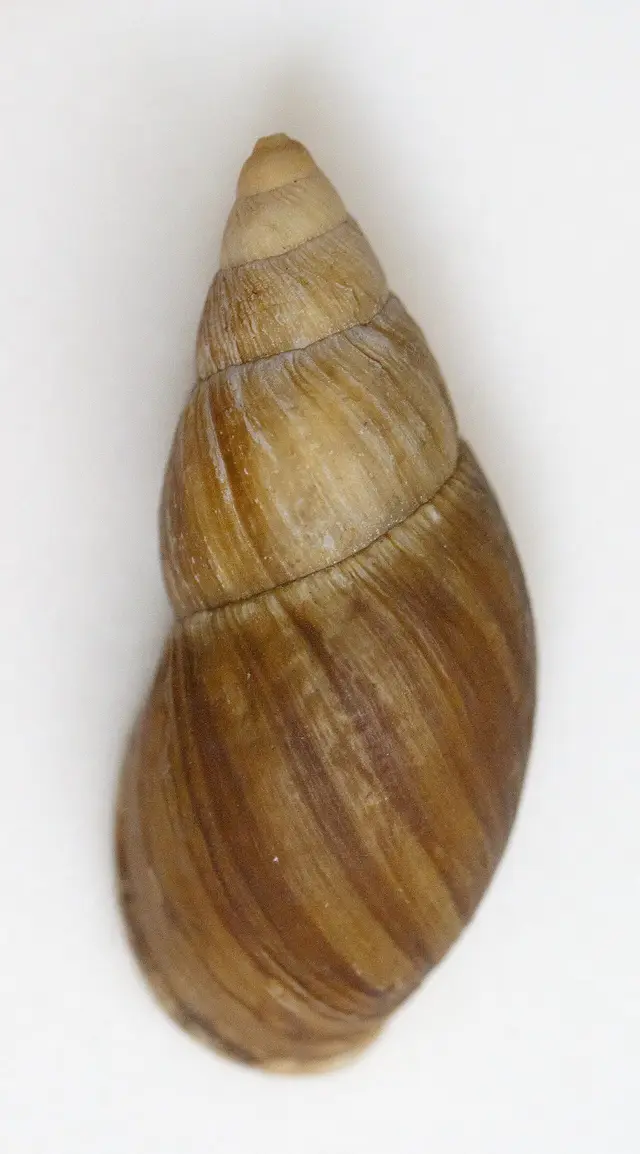 CR
Lord Howe woodhen
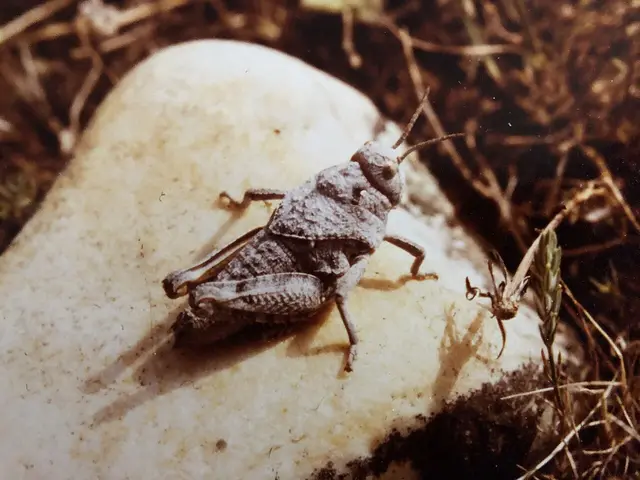 CR
Crau Stone Grasshopper
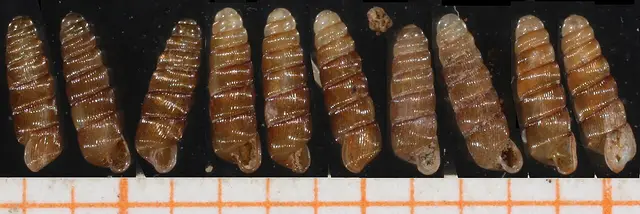 CR
Renea bourguignatiana
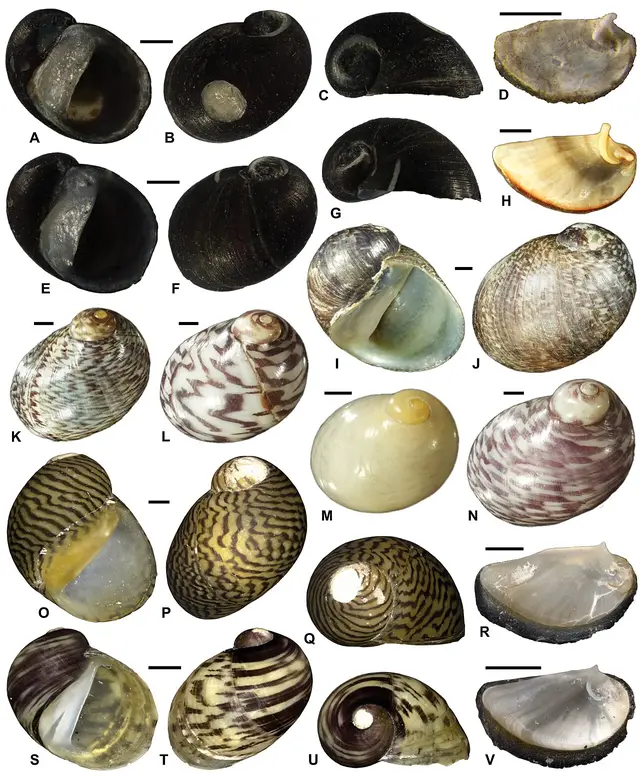 CR
Theodoxus baeticus
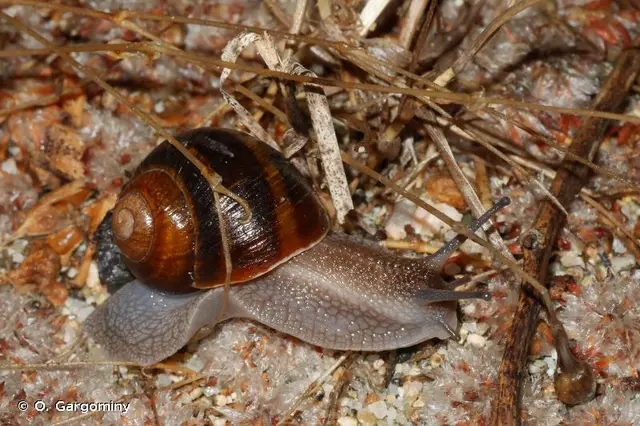 CR
Helix ceratina
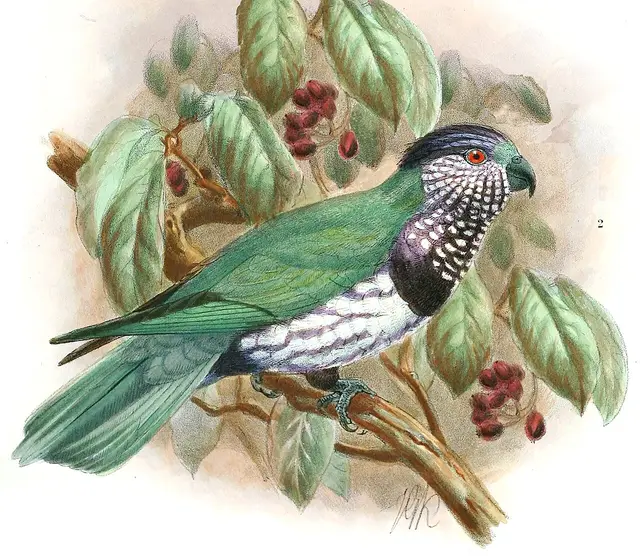 CR
Ultramarine Lorikeet
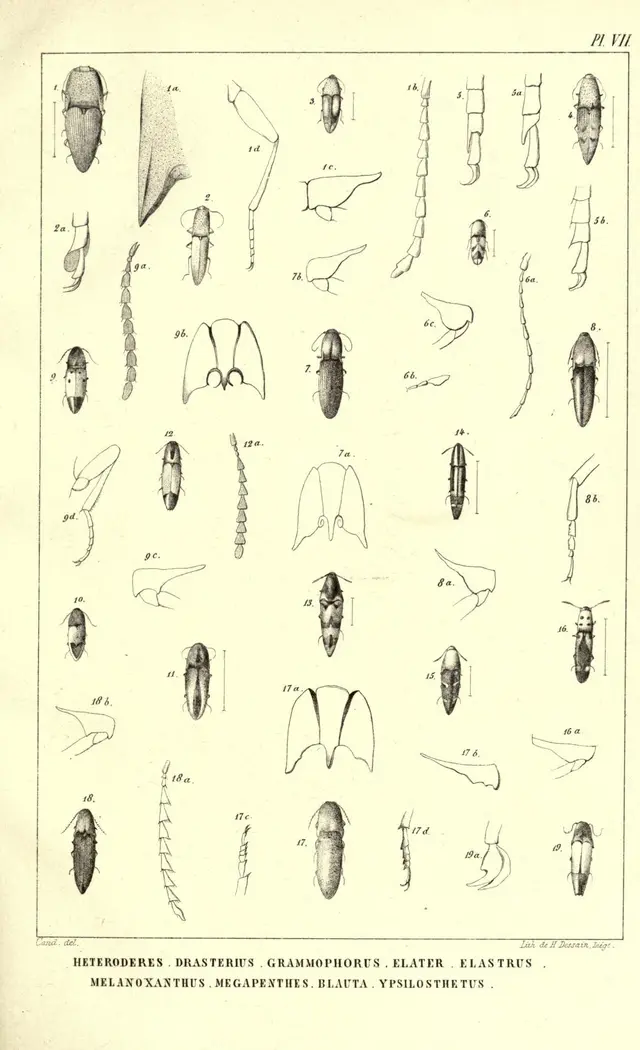 EN
Ampedus quadrisignatus
 EN
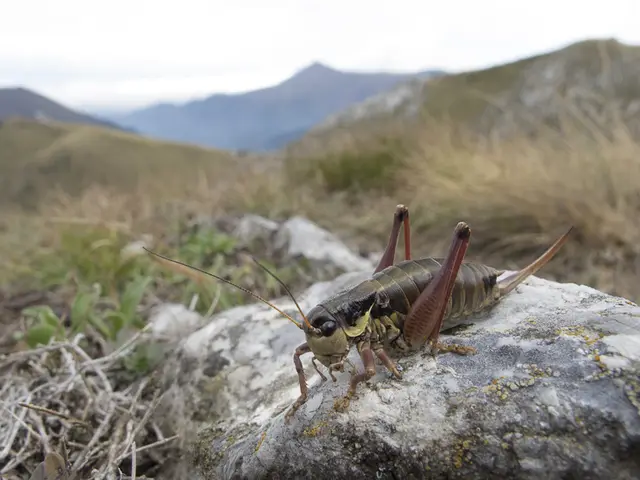
Ligurian Alpine Bush-cricket
 EN
Bythinella viridis
 EN
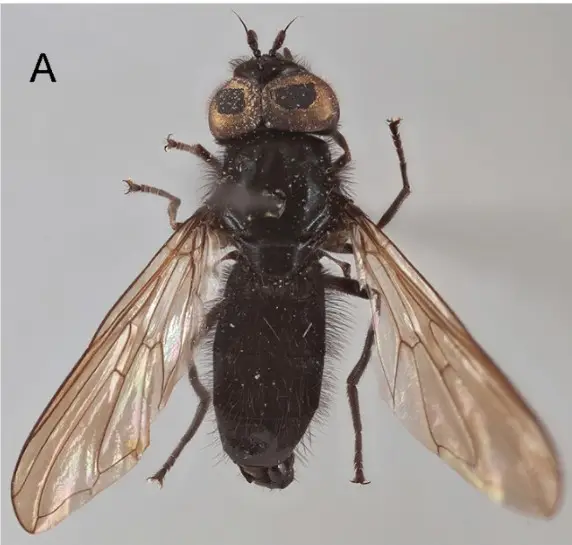
Cheilosia morio
 EN
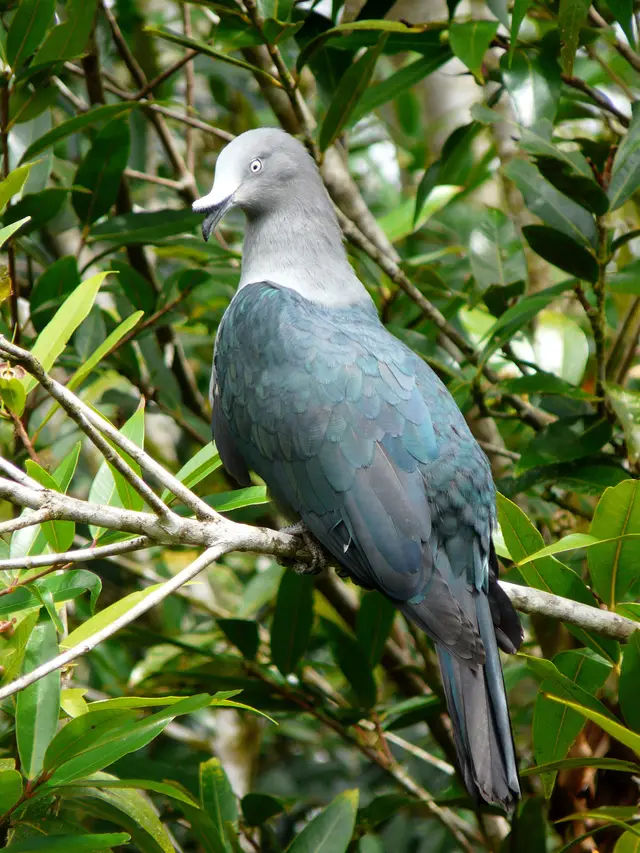
Marquesan Imperial Pigeon
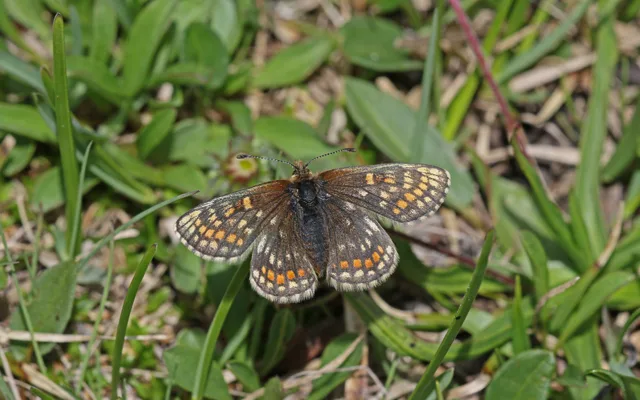 EN
Little Fritillary
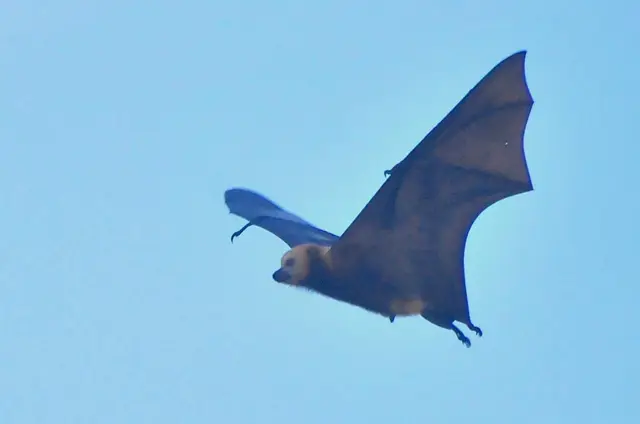 EN
Mauritian flying fox
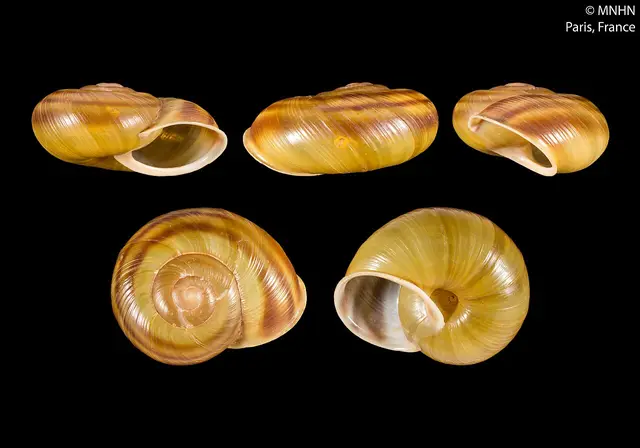 EN
Tacheocampylaea cyrniaca
Showing the first 24. Total pins: 28.
Quick answers
- Do all these animals live only in France?
- No. A pin means a Wikidata place field resolved here. Official ranges can be wider.
- Is this a government list?
- No. It is a slice of this catalog.