Endangered
Mauritian flying fox
Pteropus niger
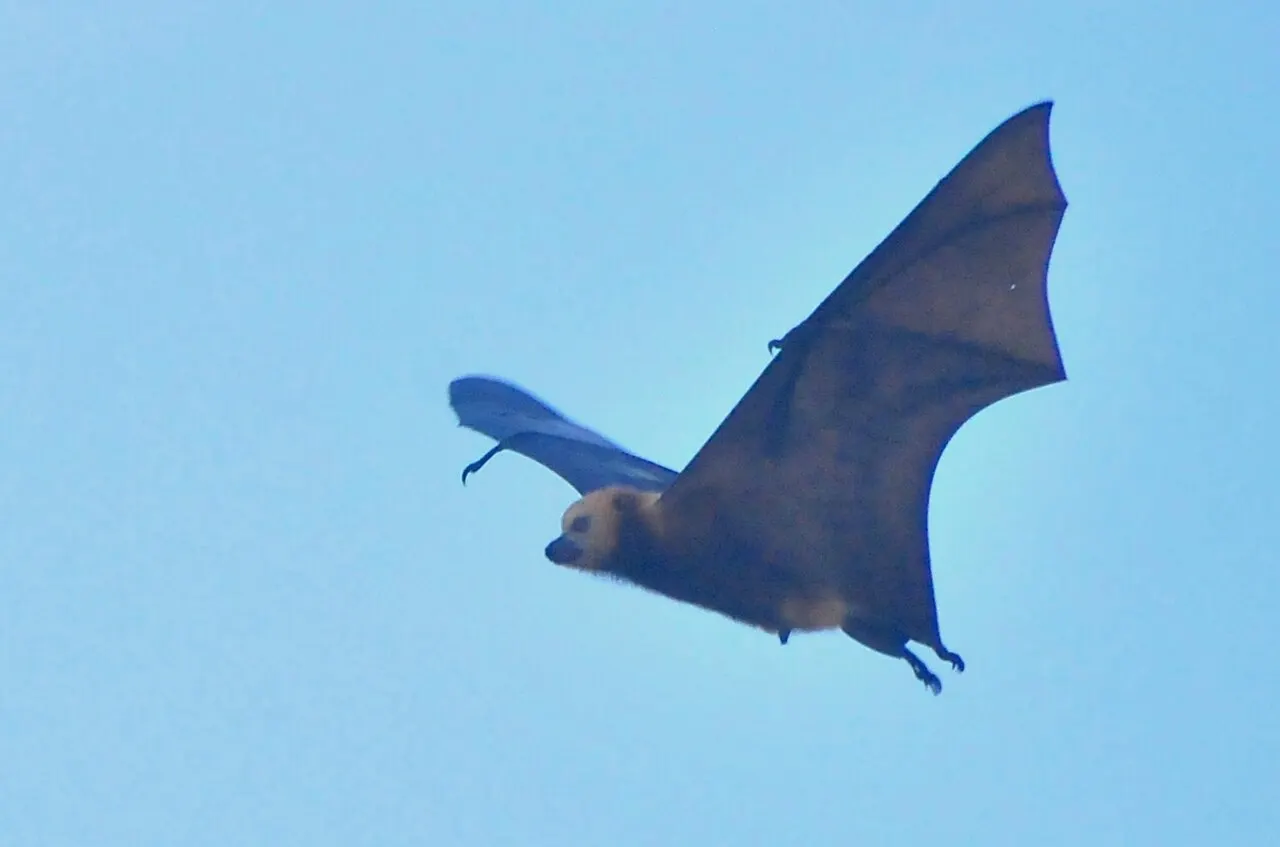
The Mauritian flying fox (Pteropus niger) is a large fruit bat found on Mauritius, with a historic presence on Réunion. The IUCN Red List moved it to Endangered in 2018 after government culls removed thousands of animals. It is an important seed spreader in the island's shrinking native forest.
How to recognise it
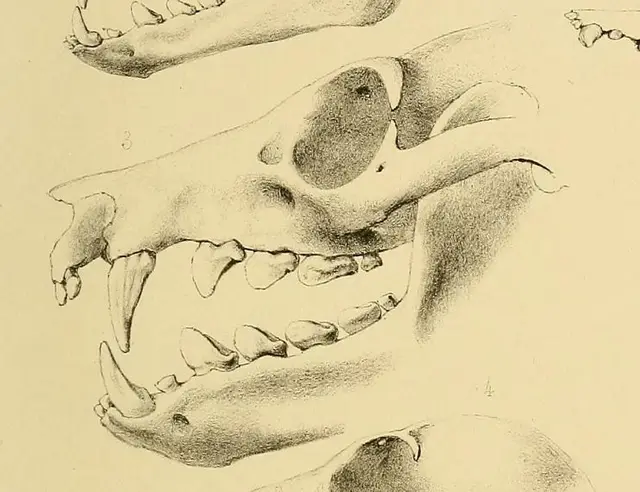
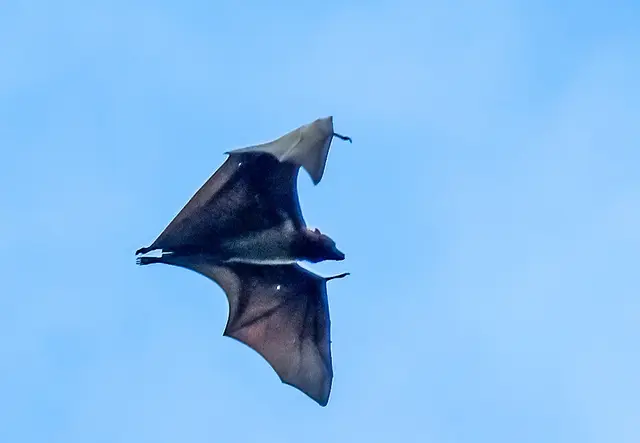
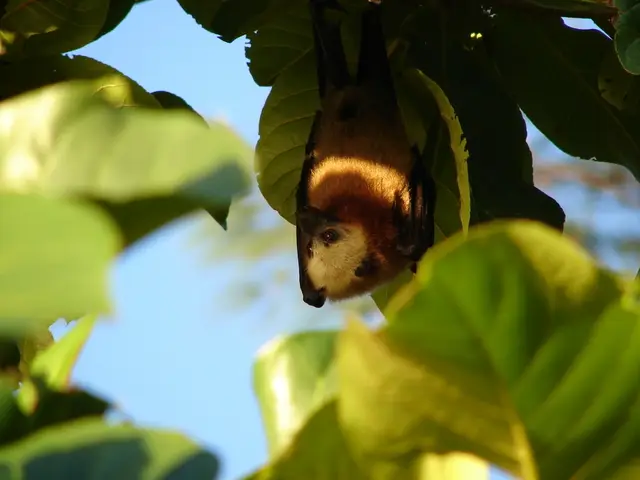
It is reportedly the largest endemic mammal on Mauritius, with a wingspan up to about 80 cm. The fur on the head and neck is golden, the back is glossy blackish brown with a dark brown stripe down the middle, and the ears are small. The forearm of adults averages about 152 mm, and males and females are alike in size.
Where it lives
It lives on Mauritius, mainly in forest in Black River Gorges, Combo and Bel Ombre, reportedly from sea level up to around 1,500 m. The IUCN also lists Réunion, where the species disappeared between 1772 and 1801, and it may have recolonised from Mauritius since. It also feeds in rural gardens and plantations.
Less than 2 percent of Mauritius still has high-quality native vegetation, which leaves the bats few places to roost and feed.
Pins are Wikidata “endemic to” fields. Orange dots, when present, are GBIF occurrence tiles — survey bias included.
How it lives
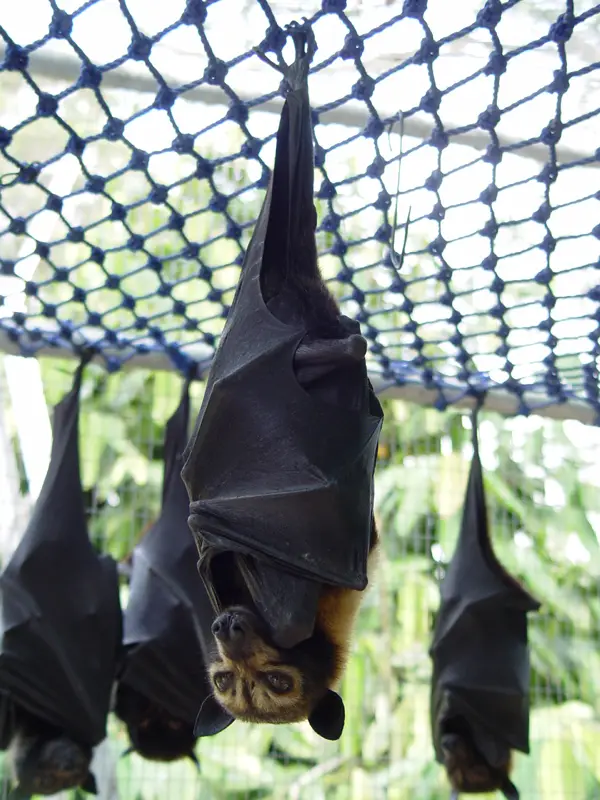
It eats mostly fruit and some nectar. One study recorded 20 plant species in its diet, 18 percent of them native to Mauritius. It is reportedly mostly active at night and roosts in large groups in trees. By spreading seeds of forest trees, it helps keep the remaining native forest going, though evidence that it pollinates plants is limited.
The IUCN assessment gives a generation length of about 6.7 years.
Why it is in trouble
Fruit growers say the bats damage lychee and mango crops, and their losses were put at about US$5 million a year. The government culled 30,938 bats in 2015 and 7,350 in 2016, about 38,300 in total. A population estimate for 2016 was 62,500, down from an earlier official figure of 100,000 that researchers considered unreliable. Illegal killing is thought to add 5,000 to 6,000 a year.
A study in Oryx, carried out from October 2015 to February 2016 in lychee, mango and longan orchards, found bats damaged about a quarter of the lychee crop on average, with more damage on tall trees. Birds also damaged fruit, and on small mango trees birds did far more harm than bats (50.5 percent against 0.4 percent). A further cull of 20 percent of the population was announced in October 2018.
The IUCN assessment lists a population of about 37,700 animals in 2018 and an ongoing reduction of 50 to 79 percent, with cyclones, farming, housing, tourism developments and persecution also named as threats.
What is being done
Netting orchard trees cut bat damage sharply in the study, for example from 52.8 to 12.5 percent with unframed nets at one orchard, and from 9.4 to 0.4 percent with framed nets at another. The researchers also suggest pruning trees to keep them short and picking fruit before it is overripe. The government subsidises nets by 50 percent for orchards and 75 percent for backyard growers. The IUCN assessment lists site protection, habitat restoration, awareness work and national-level action among the actions needed or underway.
Sources
Written for this catalog in our own words from the sources below, checked against them on 12 November 2026. Population figures are estimates and carry the year they were made. Status and assessment year: IUCN. 2026. The IUCN Red List of Threatened Species. Version 2026-1. iucnredlist.org.