Critically Endangered
Aru flying fox
Pteropus aruensis
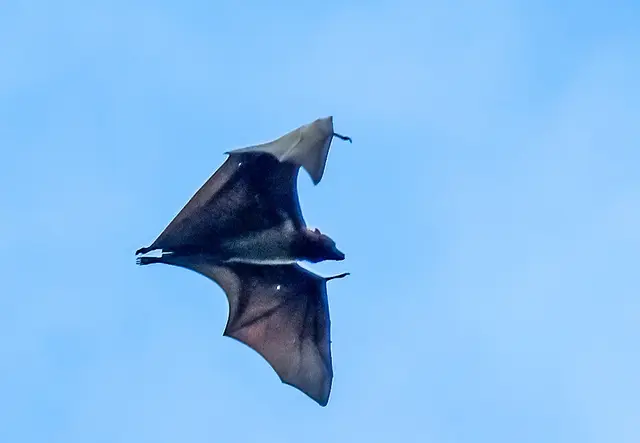
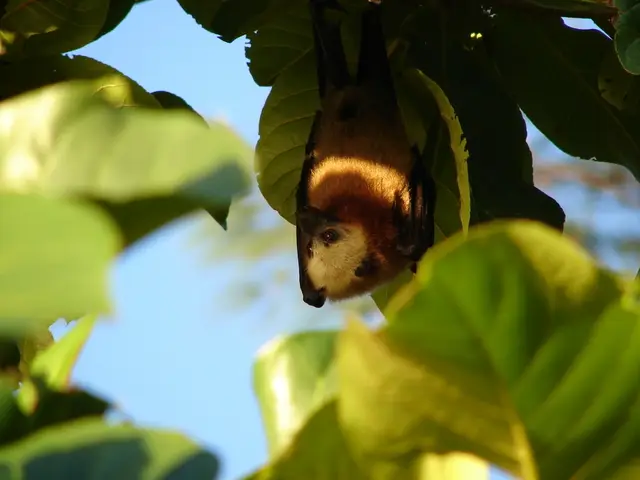
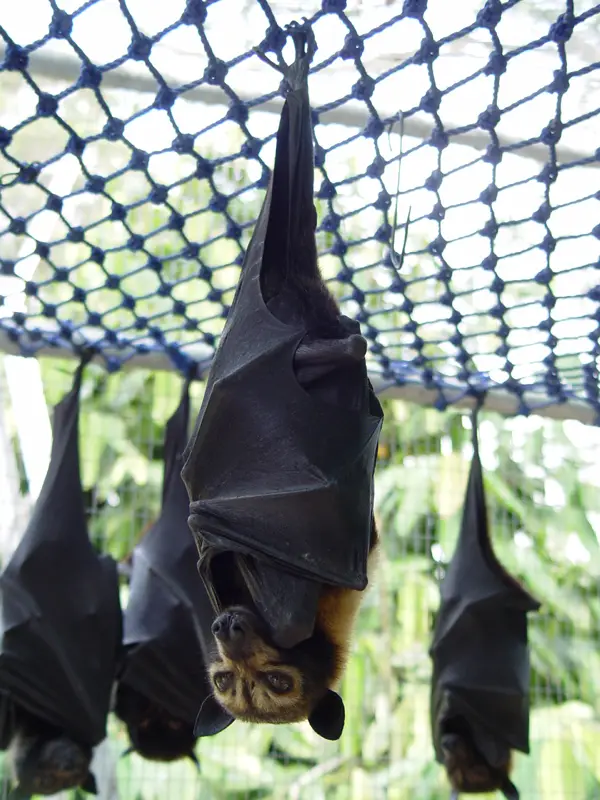
The Aru flying fox (Pteropus aruensis) is a large fruit bat known only from the Aru Islands of eastern Indonesia. It has not been reliably seen since the 19th century. The IUCN Red List rates it Critically Endangered and possibly extinct (assessed 2016), and almost nothing is known about how it lived.
What is known about it
Wilhelm Peters described the bat in 1867 from the Aru Islands, an Indonesian group in the Moluccas, first naming it as a variety of the black-bearded flying fox. It was later treated as a subspecies of that bat. The IUCN and the Mammal Diversity Database now list it as a full species, though the question is still debated. One researcher has suggested it may simply be the same animal as the Kei flying fox.
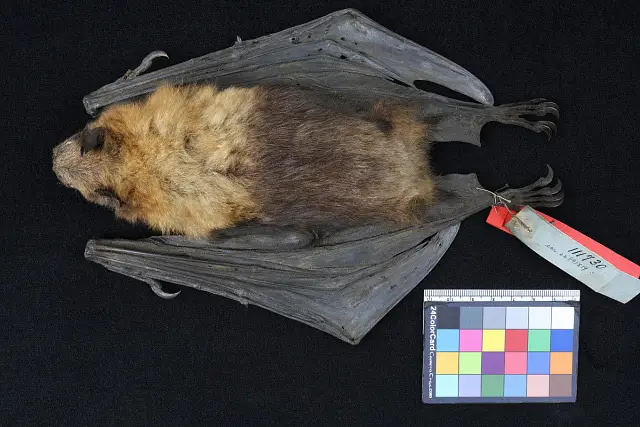
Old descriptions say it looked much like its black-bearded relative. The head was a mix of grey, black and yellowish white, the nape rust coloured, the chin deep red, and the collar chestnut. The back was a glossy yellowish white scattered with black hairs. The forearm measured about 190 mm.
Where it lived
The only place it has ever been recorded is the Aru Islands. The IUCN lists Indonesia as the sole country and marks its presence there as possibly extinct. The assessment gives no habitat details, and nothing is documented about its diet, roosts or breeding.
Pins are Wikidata “endemic to” fields. Orange dots, when present, are GBIF occurrence tiles — survey bias included.
Is it extinct?
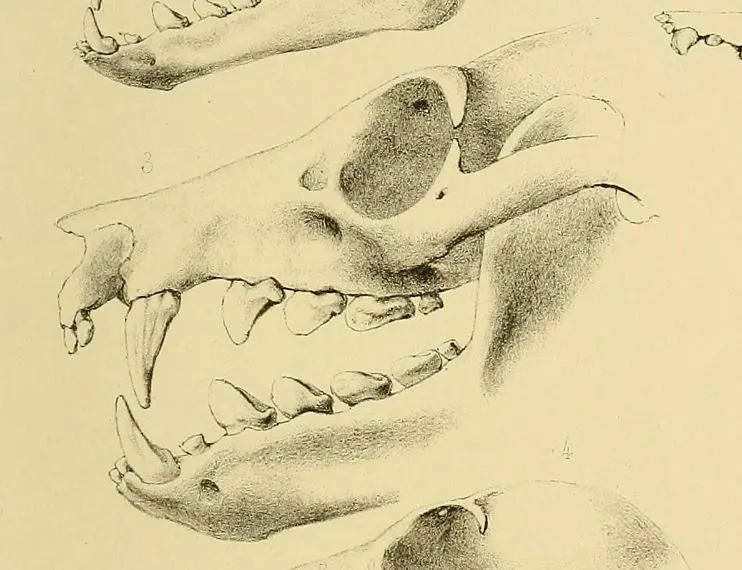
Records give 1865 or 1867 as the dates of the known specimens, and the last confirmed sighting is reportedly 1877. Western Australian Museum expeditions in the 1990s are said to have searched the islands without finding any. A toothless jawbone found in 1992 has been assigned to this bat, but its age is uncertain and it may be subfossil, so it can't show the species survives.
The IUCN's population estimate is 1 to 49 mature individuals, listed under criterion D, with the trend unknown. A 2017 statistical model of mammals missing since the 1800s reportedly put it among five species judged almost certainly extinct.
What threatens it, and what is being done
No threats are formally listed in the IUCN assessment. Hunting has been suggested as a cause of decline, since large, brightly coloured flying foxes are often taken for food, but nothing documents this for the Aru bat. The species is reportedly listed on CITES Appendix II, like other flying foxes, which means international trade is controlled. No conservation programme specific to it is recorded.
Sources
Written for this catalog in our own words from the sources below, checked against them on 12 November 2026. Population figures are estimates and carry the year they were made. Status and assessment year: IUCN. 2026. The IUCN Red List of Threatened Species. Version 2026-1. iucnredlist.org.