Critically Endangered
Unio tumidiformis
Unio tumidiformis
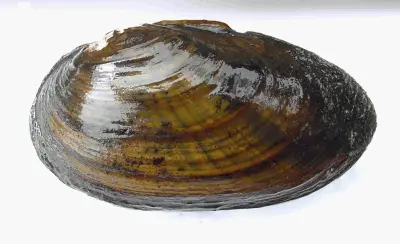
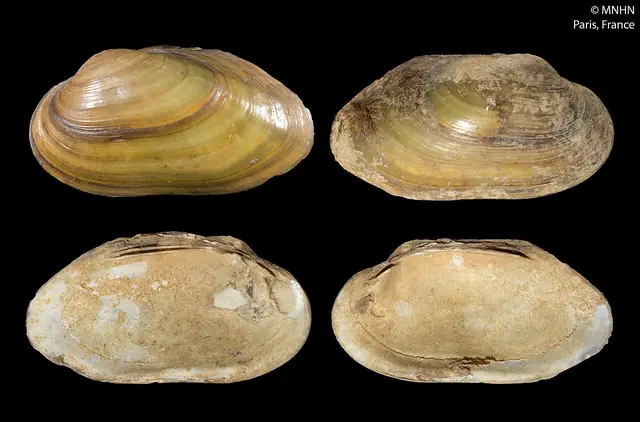
Unio tumidiformis is a small freshwater mussel found only in the south-west of the Iberian Peninsula, in rivers of Portugal and Spain. The IUCN Red List rated it Critically Endangered in 2024 after an estimated 82 percent population reduction. It reportedly survives the dry season in pools of seasonal Mediterranean streams.
How to recognise it
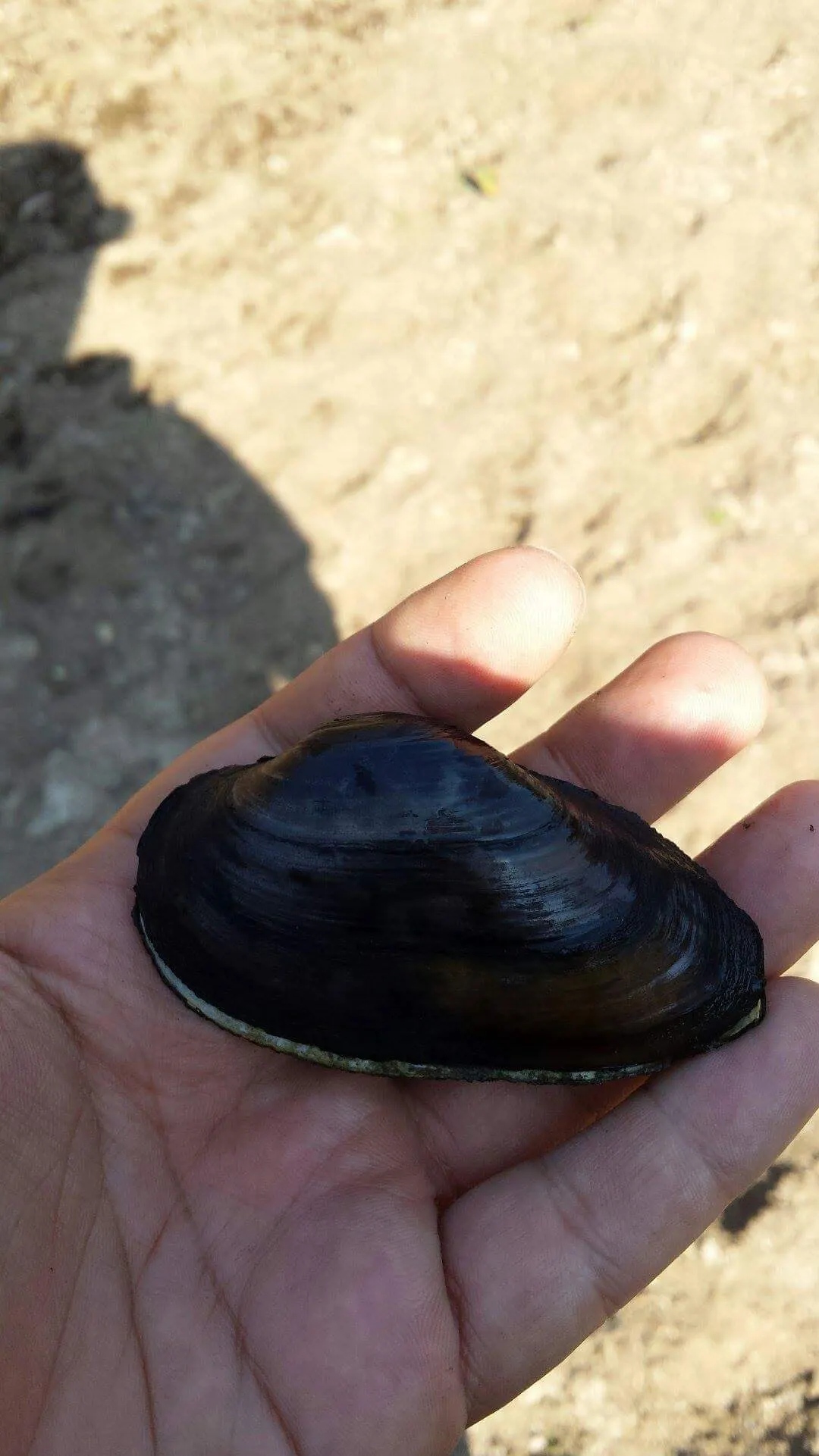
The shell is oval and reportedly reaches about 57 mm in length, with a wet weight of around 16 g. Castro described the species in 1885. It has been treated as a regional form of the thick-shelled river mussel (Unio crassus), but a 2009 study reportedly found the two to be clearly distinct species.
Where it lives
Living populations are reportedly known from the Guadiana, Mira and Sado river basins in Portugal and Spain. The IUCN assessment counts 43 locations in mainland Portugal and Spain and describes the population as severely fragmented. It is also reported from a few lakes, such as the Lagunas de Ruidera in Spain, though the IUCN rates permanent lakes as only marginal habitat and gives permanent and seasonal streams as its main habitats.
Its home is the Mediterranean-type stream, which flows strongly in the wet season and shrinks to a chain of pools in summer. The mussels hold on in pools that never dry out completely. Populations in the Guadalquivir basin have reportedly already been lost.
Pins are Wikidata “endemic to” fields. Orange dots, when present, are GBIF occurrence tiles — survey bias included.
How it lives
Like other freshwater mussels, it filters water from the stream bed, and its young pass through a parasitic stage on fish. A 2014 study in Folia Parasitologica by Reis, Collares-Pereira and Araujo found that its larvae (glochidia) apparently develop only on fish of the genus Squalius, a group of minnows and chubs. Metamorphosis succeeded on four Squalius species (S. aradensis, S. caroliterti, S. pyrenaicus and S. torgalensis) and on hybrids of the Squalius alburnoides complex that carry a copy of the S. pyrenaicus genome. It took 6 to 14 days at about 22 to 26 degrees C.
In one southern Portuguese population, the mussels reportedly reached sexual maturity at around 2 years, and the oldest animal seen was 7. The IUCN uses a generation length of 5 to 6 years. A mussel tied to certain host fish loses ground if either partner disappears.
Why it is in trouble
The IUCN assessment scores agro-industrial farming and shifting agriculture as affecting the whole population, with rapid declines. It also lists water taken from rivers and aquifers for farming, dams, drought, nutrient pollution, silt, pesticides and herbicides, and mining and quarrying. Introduced species named in the assessment include the pumpkinseed sunfish, a cichlid fish and the Asian clam. Drought affects more than 90 percent of the population, according to the assessment, and the loss of host fish is reportedly another threat.
A 2023 study in Science of the Total Environment by da Silva and colleagues modelled six Iberian mussel species under future climate. It predicted that U. tumidiformis and the freshwater pearl mussel would see their suitable habitat nearly lost, and that they could face global and regional extinction respectively. That is a projection, not an observed outcome, but it fits the decreasing trend the IUCN records.
What is being done
The IUCN reports that the species occurs in at least one protected area and is covered by international legislation. It lists as needed actions such as habitat restoration, invasive species control, captive breeding, reintroduction and public education. As of the 2024 assessment, it records no species recovery plan and no systematic monitoring scheme in place.
Sources
Written for this catalog in our own words from the sources below, checked against them on 12 November 2026. Population figures are estimates and carry the year they were made. Status and assessment year: IUCN. 2026. The IUCN Red List of Threatened Species. Version 2026-1. iucnredlist.org.