Endangered
Kanburi pit viper
Kanburi pit viper
The Kanburi pit viper, also called the Kanchanaburi pit viper, is a heavily built, venomous tree snake from the limestone hills of western Thailand. The IUCN Red List classed it as Endangered in 2022. It is known from only a handful of sites and has rarely been studied.
How to recognise it
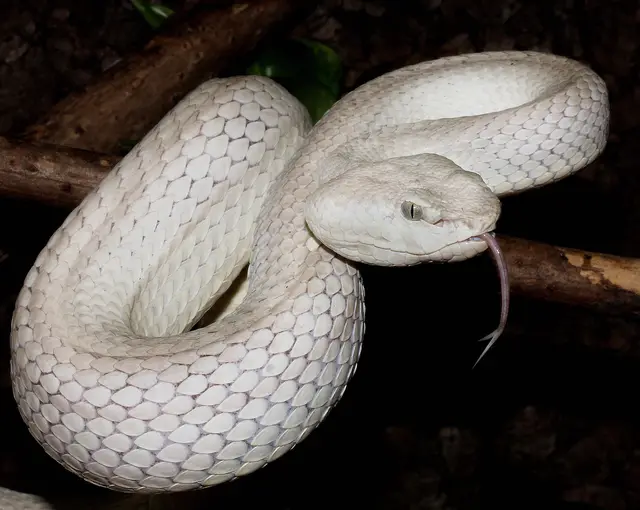
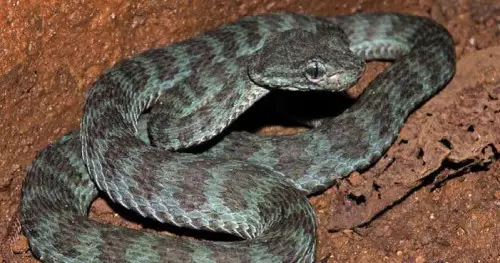
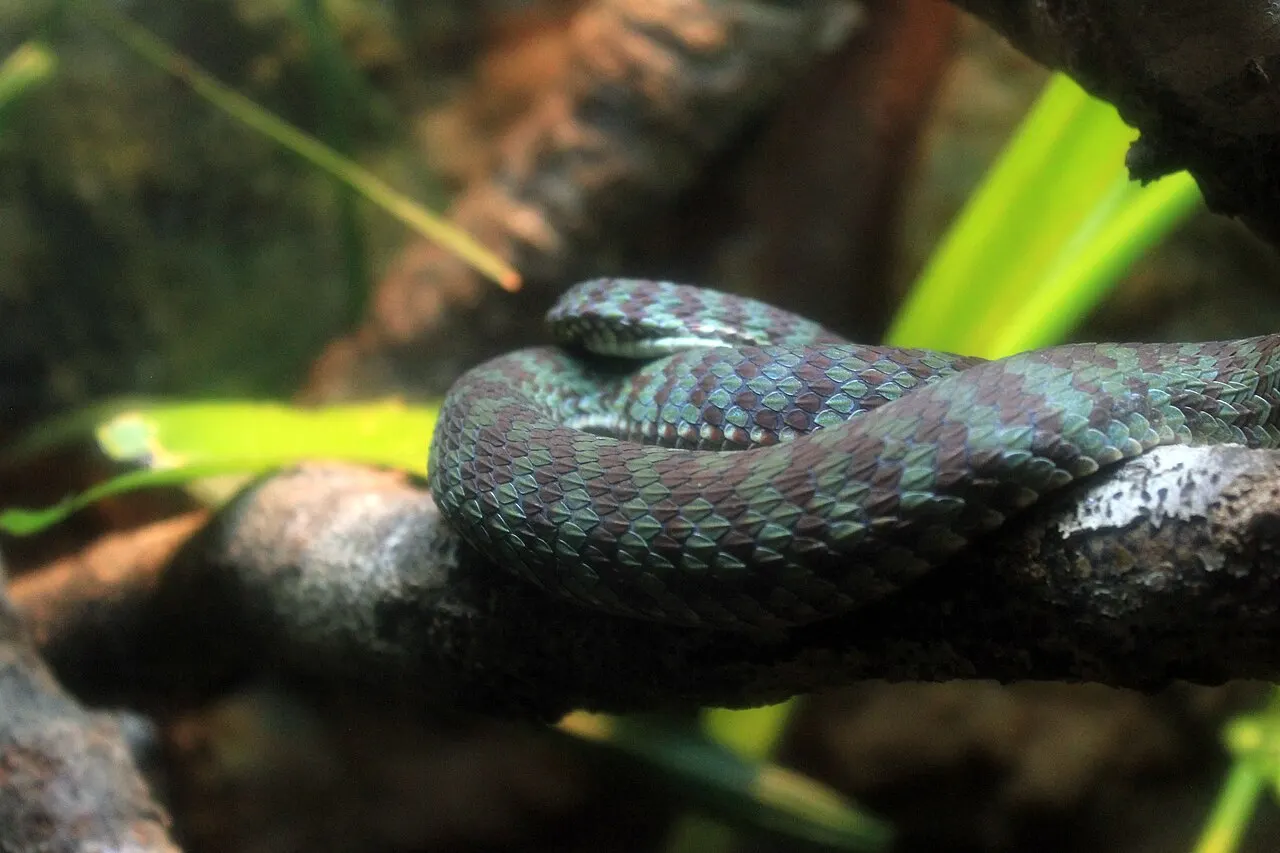
This is a stocky, mainly tree-dwelling pit viper. Adults are reported to exceed 76 cm, and the maximum length is unknown. The colour runs from brown with faint patterning to tawny with dull brown blotches and spots, and there is a stripe along the lower flank.
It has often been confused with the mangrove pit viper, but the first three scales along its upper lip are noticeably enlarged, which sets it apart. Other common names include Kanburian pit viper and tiger pit viper.
Where it lives
The type locality is limestone hills near Kanburi, now Kanchanaburi, in south-western Thailand. Within Kanchanaburi Province it is known from the districts of Mueang Kanchanaburi, Sai Yok, Si Sawat and Thong Pha Phum, and from Erawan and Sai Yok National Parks. The Red List also lists Myanmar among its countries.
The Red List counts only 3 to 4 locations, an extent of occurrence of about 3,000 square km and an upper elevation of about 600 m, in lowland moist forest. Forest and open woodland, including open hills, are given as its habitat. Older records from southern Thailand may belong to a separate species, Trimeresurus venustus, which was once treated as the same snake, so range details in older literature should be read with care.
Pins are Wikidata “endemic to” fields. Orange dots, when present, are GBIF occurrence tiles — survey bias included.
How it lives
It is nocturnal and shelters in foliage during the heat of the day, though basking by day has been reported. Wild snakes are reported to take mammals and birds, and youngsters probably also eat frogs and lizards. Females give birth to live young.
Almost nothing about its life in the wild was published until 2024. A field study run from September to November 2020 used fixed camera recording over nearly 100 surveyor hours and found a single adult male. It was living close to a paved road and used a termite mound, both new observations for the species. Its behaviour and activity pattern resembled those of other green pit vipers.
Why it is in trouble
The species is localised, and few sites are known. The Red List assessment records use of the snake as a pet or display animal and treats collection as the threat. It lists the population trend as unknown but continuing to decline. Conservation assessments have pointed to the limited range, the few documented sites and the collection of adults for the international pet trade.
How serious the trade really is remains an open question. The 2024 study checked wildlife trade reports and found no seizures or observations of this species, probably because it has no formal international protection and is excluded from stringent local legislation. The researchers urged monitoring of popular websites and social media where such snakes are sold.
What is being done
It occurs in at least one protected area, and the Red List lists the international level of action among the measures. The 2024 study calls for further field surveys to identify where the species occurs, and for monitoring of online sales.
Sources
Written for this catalog in our own words from the sources below, checked against them on 12 November 2026. Population figures are estimates and carry the year they were made. Status and assessment year: IUCN. 2026. The IUCN Red List of Threatened Species. Version 2026-1. iucnredlist.org.