Critically Endangered
Epioblasma torulosa
Epioblasma torulosa
The tubercled blossom (Epioblasma torulosa) is a freshwater mussel of eastern North America. Rated Critically Endangered in 2012, it has lost two of its three subspecies, and the survivor, the northern riffleshell, clings on in a few clean, fast rivers in the United States and Canada.
What it is
The species is a freshwater mussel in the family Unionidae. It is split into three subspecies: the green blossom (E. t. gubernaculum), the tubercled blossom (E. t. torulosa) and the northern riffleshell (E. t. rangiana). Shell shape varies so much across its range that scientists are unsure whether this reflects subspecies, local forms or several related species.
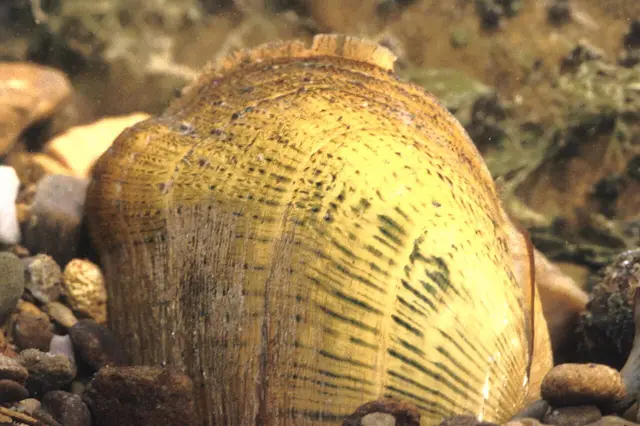
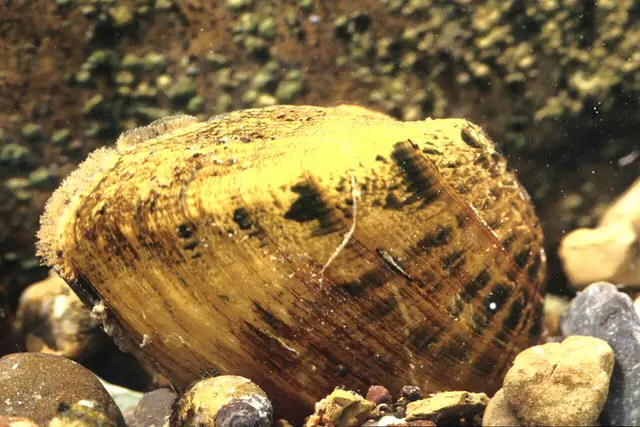
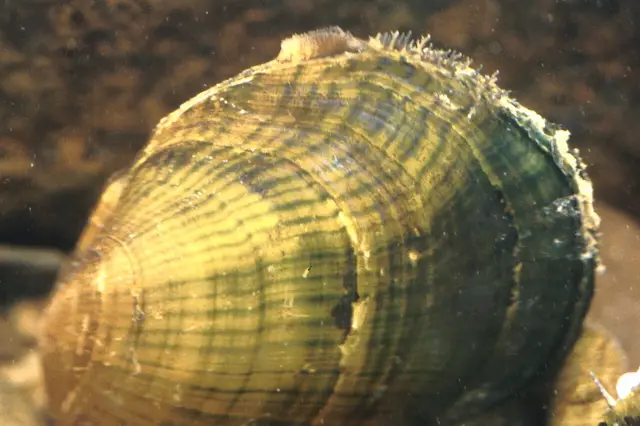
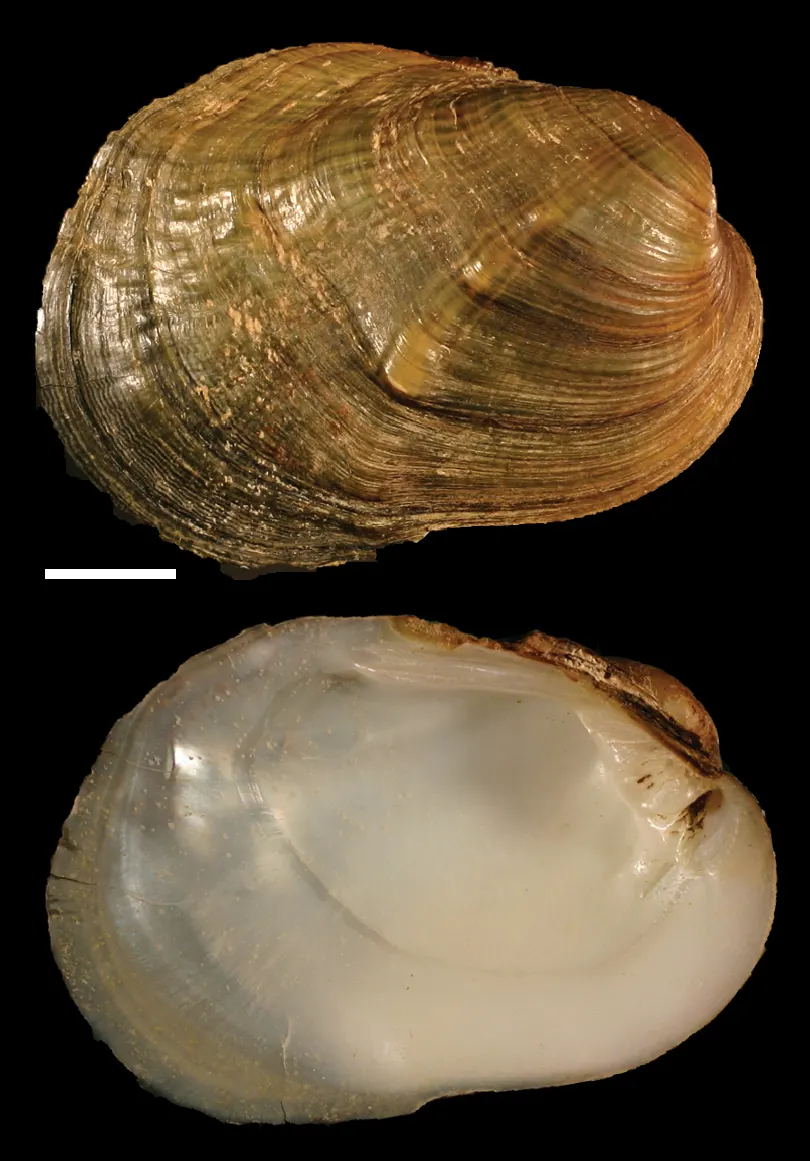
The northern riffleshell, the one still alive, grows to about 3 inches. Its shell is brownish yellow to yellowish green with fine green rays and a white interior. Males are oval, while females are broader toward the rear, where the shell wraps around the brooding region.
Where it lives
The species is tied to clear, shallow riffles over sand and gravel in medium to large rivers. Historic drainages include the Cumberland, Ohio, St. Lawrence and Tennessee. The Red List lists Ontario, Pennsylvania, Ohio and West Virginia among its locations.
In Canada the northern riffleshell survives at two locations, the Sydenham and Ausable rivers of Ontario. It has been lost from Lake Erie, Lake St. Clair and the Detroit River, and possibly the Thames. A 2009 survey in Northeastern Naturalist found it at 12 of 32 sites in Pennsylvania's French Creek, with none in the upper third of the creek.
Pins are Wikidata “endemic to” fields. Orange dots, when present, are GBIF occurrence tiles — survey bias included.
How it lives
Females carry larvae that must attach to a host fish. Laboratory tests on 14 fish species found seven could host the northern riffleshell: logperch, blackside, Iowa, fantail, johnny and rainbow darters, and the mottled sculpin. After 27 to 33 days on the fish the young drop to the bottom, and adults then move only a few metres.
In French Creek, the same survey found maximum ages of 7 to 11 years at the four sites with steady recruitment.
Why it is in trouble
The Red List cites sewage, silt and erosion, housing and industrial development, mining, dams, oil spills, groundwater pumping and invasive species. In Ontario, sediment from cleared and cultivated watersheds, poorer water quality, and zebra and quagga mussels are named. The assessment estimated 1,000 to 10,000 individuals in 2012 and a decreasing trend.
Canadian recovery documents put the loss of the northern riffleshell's North American range at more than 95 percent over the past century. Ontario estimated about 146,400 mature individuals in 2010, with roughly 89 percent in one of its two populations.
What is being done
The northern riffleshell was listed as endangered under United States law in 1993. In October 2023 the US Fish and Wildlife Service reportedly declared the green blossom and tubercled blossom subspecies extinct and delisted them. Red List actions include captive breeding, reintroduction, site protection and habitat restoration.
Sources
Written for this catalog in our own words from the sources below, checked against them on 12 November 2026. Population figures are estimates and carry the year they were made. Status and assessment year: IUCN. 2026. The IUCN Red List of Threatened Species. Version 2026-1. iucnredlist.org.