Tanzania
37 catalog pins
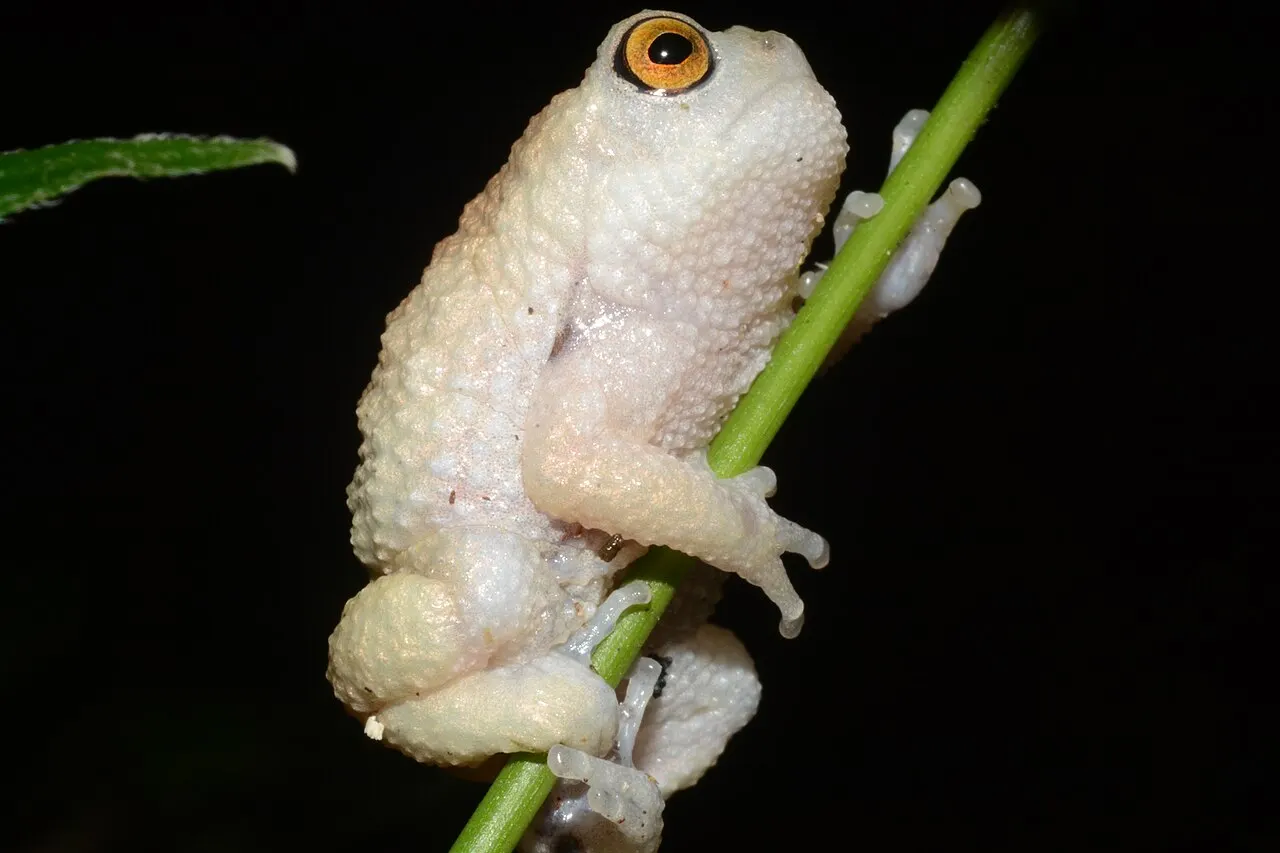
37 animals in this catalog carry a structured country pin for Tanzania. That is a filing fact, not a claim that the crisis is only here.
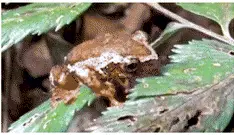
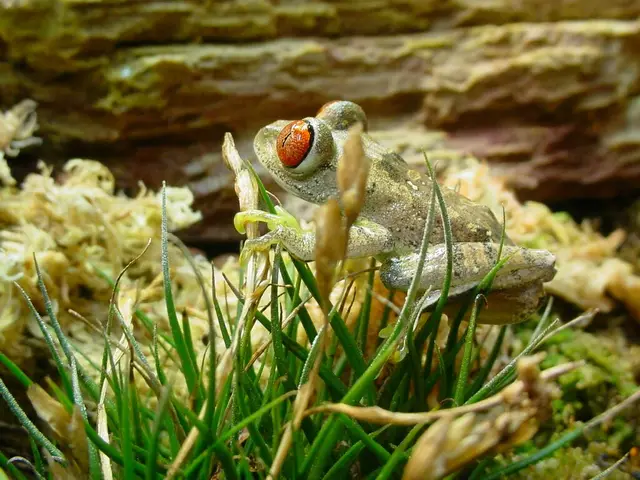
The photograph is one of those animals: Callulina meteora. Open a dossier for the text, the status, and the map. Use the world map to jump to another country. Confirm official distributions on the Red List.
Tanzania stretches from the Indian Ocean coast to the highlands of the Eastern Arc, the savanna of the Serengeti and the deep shores of Lake Tanganyika. The national profile says six of the 25 global biodiversity hotspots (as counted in that undated draft) include parts of Tanzania, among them the Eastern Arc forests and the coastal forests.
The Eastern Arc is a chain of old, isolated mountains. It has 75 endemic vertebrate species as well as thousands of invertebrate species. Its mountains are the oldest in East Africa, and each forest block is isolated from the others.
Where the pressure comes from
The biodiversity profile blames overgrazing, bushfires, shifting cultivation, fuelwood use, illegal hunting and logging and unplanned settlement. Most wildlife lives outside protected areas. On the coast, cutting mangroves for firewood, charcoal, poles and boats accounts for about 46% of the immediate causes of loss. Dynamite fishing is described as the most destructive fishing practice, and coral and sand mining also harm the reefs.
In Lake Victoria, which Tanzania shares with Uganda and Kenya (about 49% of the lake lies in Tanzania), introduced Nile perch, nutrient pollution and invasive water hyacinth have changed the ecosystem. The lake once held more than 500 mostly endemic haplochromine cichlid species, and at least 200 are estimated to have gone extinct.
What is being done
Roughly 43.7% of the land is protected or conserved in some form, according to the profile. Udzungwa Mountains National Park (1,990 km2) is credited with holding roughly 30 to 40% of Tanzania's plant and animal species. Serengeti was established in 1951 and Ngorongoro in 1959.
Policy tools include the Forest Act (2002), Wildlife Conservation Act (2003), Fisheries Act (2003) and community Wildlife Management Areas. The national strategy dates from 2001 and was being revised when the profile was drafted.
Reading the catalog for Tanzania
Amphibia is the largest class in the catalog's list for Tanzania, and Cichlidae and Chamaeleonidae are the biggest families, followed by Hyperoliidae (reed frogs) and Bufonidae (toads).
Several of the cichlids are in the genus Haplochromis, and the same five Haplochromis species also appear on the Uganda page.
Sources for this section
- CBD country profile, Tanzania: hotspots, 43.7% protected, threats, mangrove causes, laws
- Eastern Arc Mountains (Wikipedia): 75 endemic vertebrates, isolated forests
- Wildlife of Tanzania (Wikipedia): Udzungwa figures, Serengeti 1951, Ngorongoro 1959
- Lake Victoria (Wikipedia): lake shares, 500 cichlid species, 200 extinct, eutrophication, hyacinth
What the catalog records for Tanzania
The catalog has 37 animals with a country pin for Tanzania: 15 Critically Endangered, 21 Endangered and 1 Extinct in the Wild. By GBIF class the largest groups are Amphibia (16), unknown (10), Squamata (8), Mammalia (2). The families with the most records are Cichlidae (8), Chamaeleonidae (7), Hyperoliidae (5). A pin means a structured source (Wikidata or a GBIF match) places the animal in Tanzania; it does not say the animal lives only there.
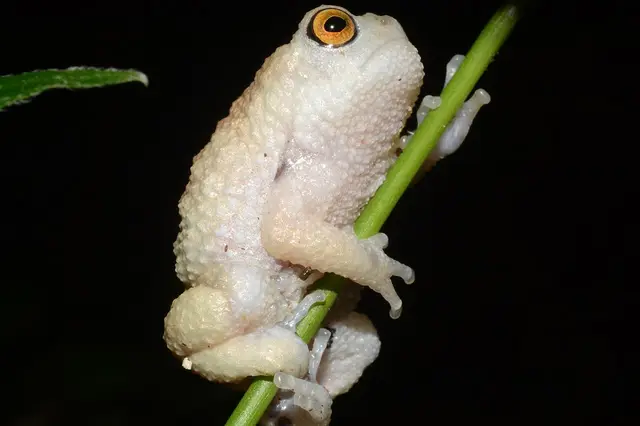 CR
Callulina meteora
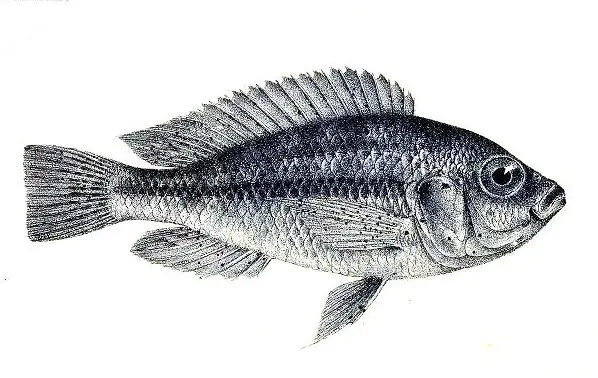 CR
Haplochromis crassilabris
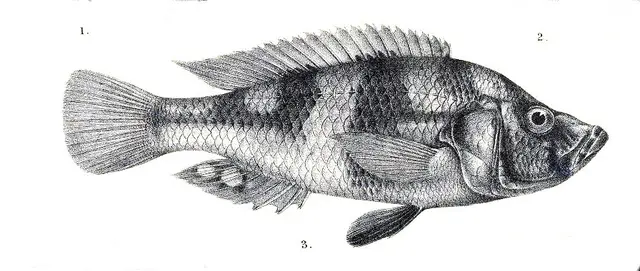 CR
Haplochromis flavipinnis
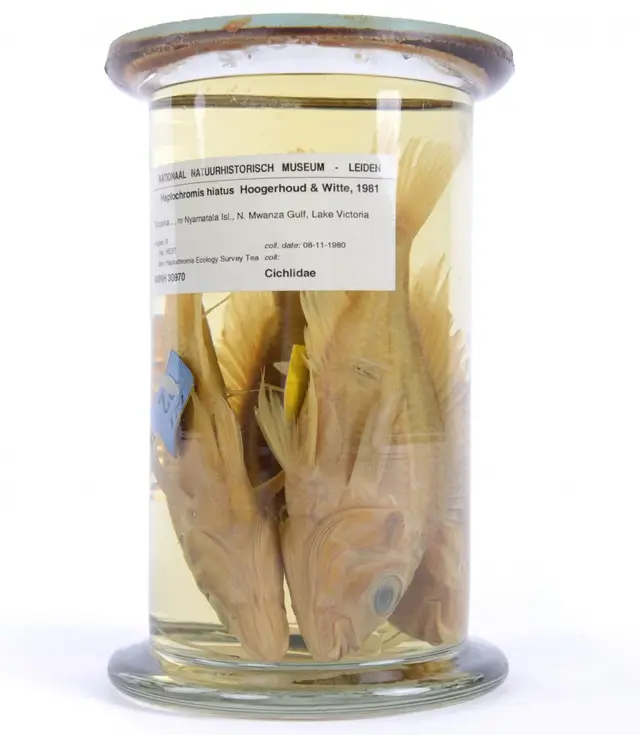 CR
Haplochromis hiatus
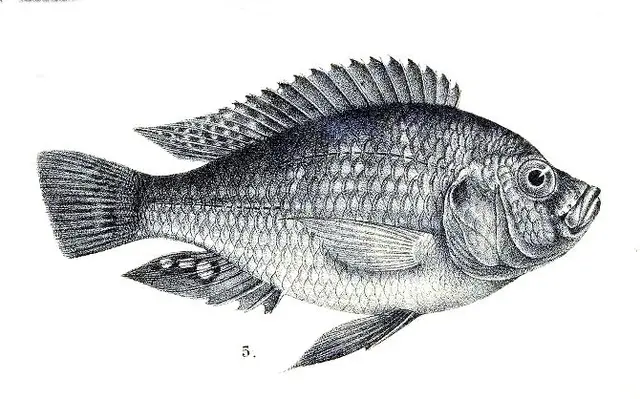 CR
Haplochromis obesus
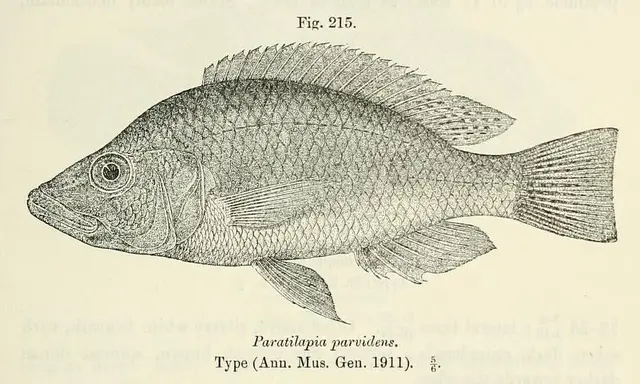 CR
Haplochromis parvidens
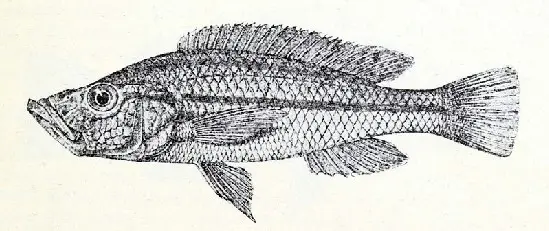 CR
Haplochromis xenostoma
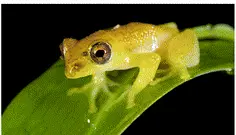 CR
Davenport's Reed Frog
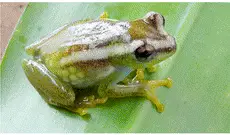 CR
Hyperolius tanneri
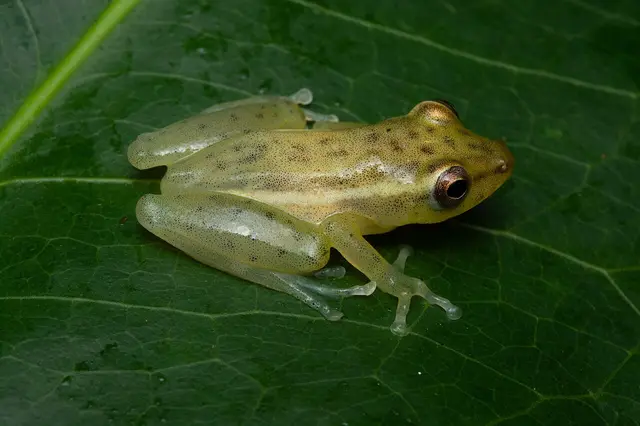 CR
Ngezi Reed Frog
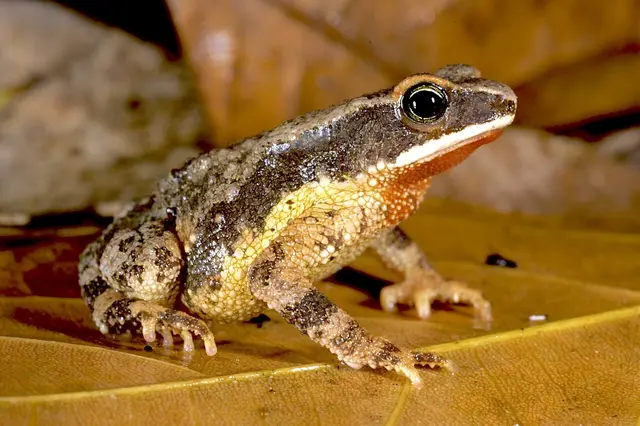 CR
Mertensophryne usambarae
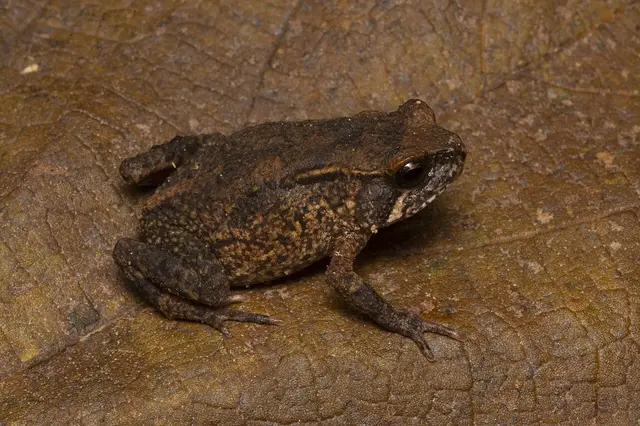 CR
Nectophrynoides laticeps
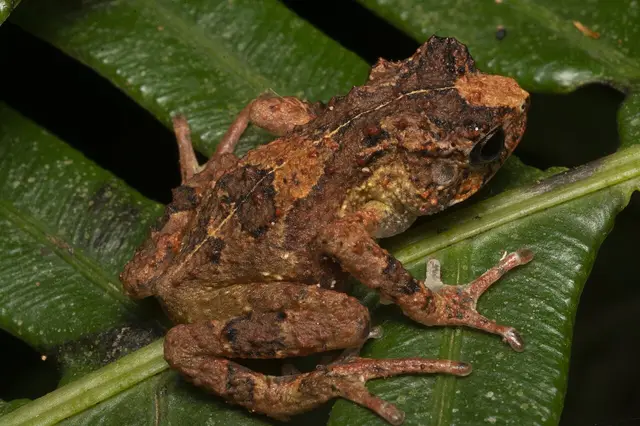 CR
Paula's Viviparous Toad
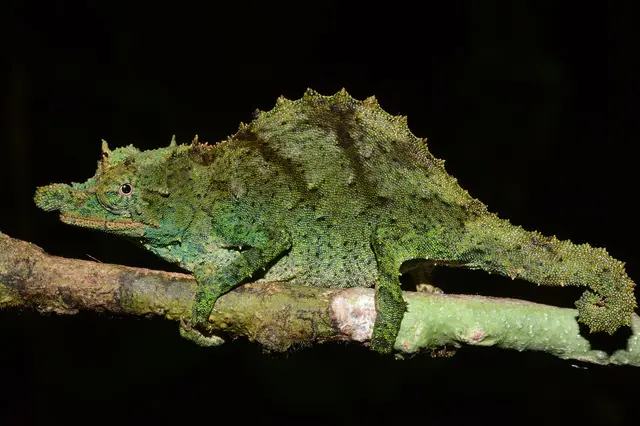 CR
Rhampholeon acuminatus
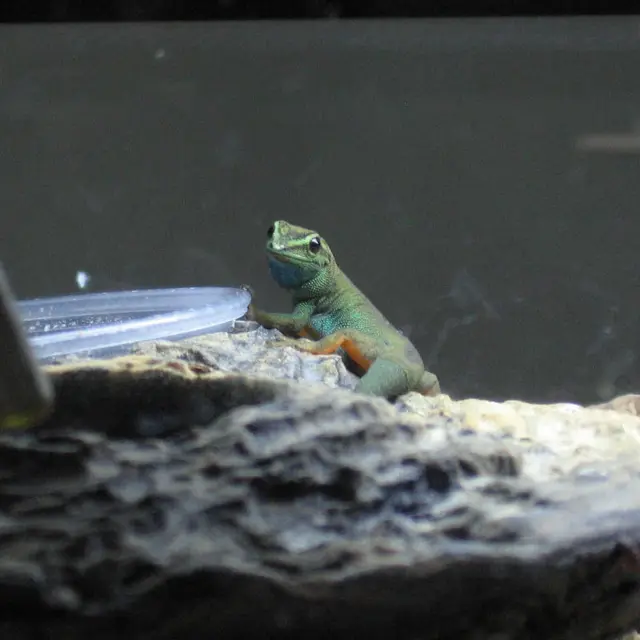 CR
Turquoise dwarf gecko
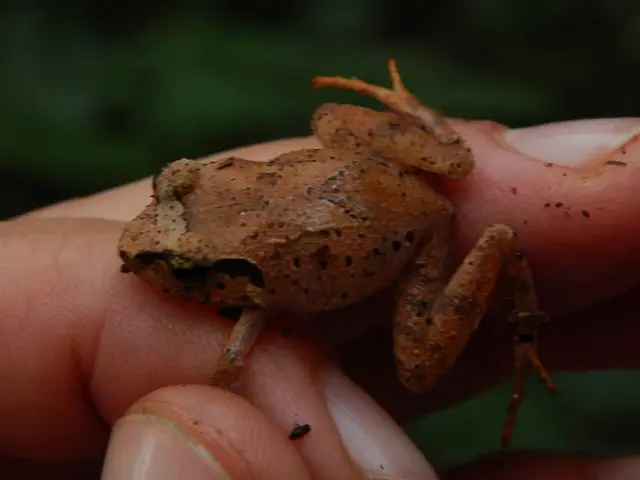 EN
Arthroleptis tanneri
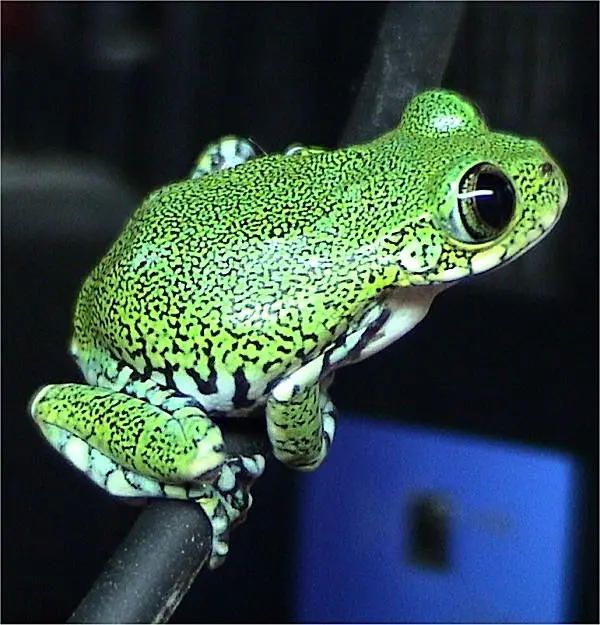 EN
Big-eyed Tree Frog
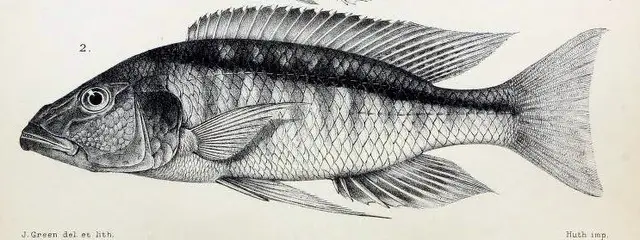 EN
Champsochromis spilorhynchus
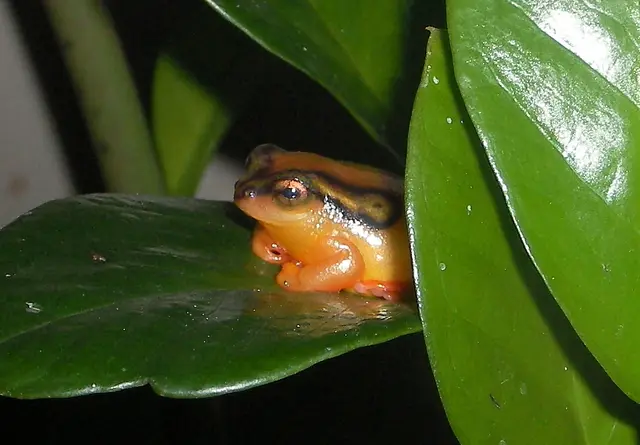 EN
Hyperolius puncticulatus
 EN
Ukwiva Reed Frog
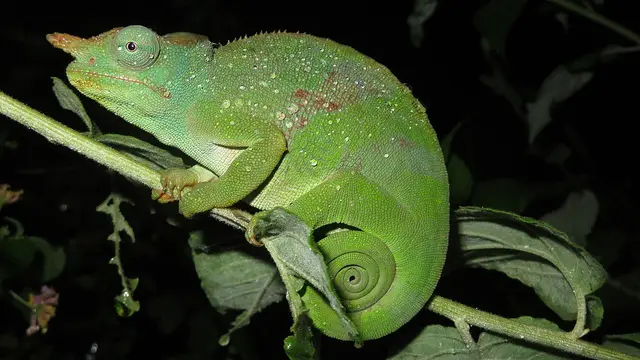 EN
Kinyongia matschiei
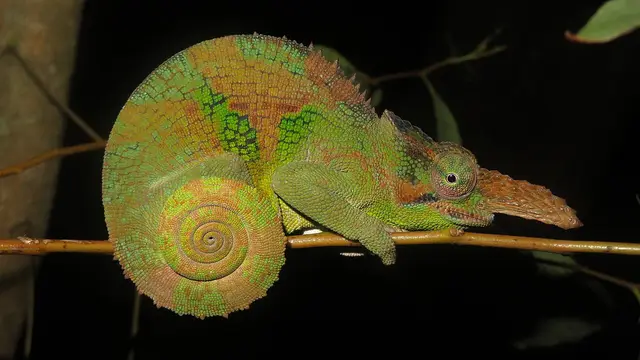 EN
Kinyongia vosseleri
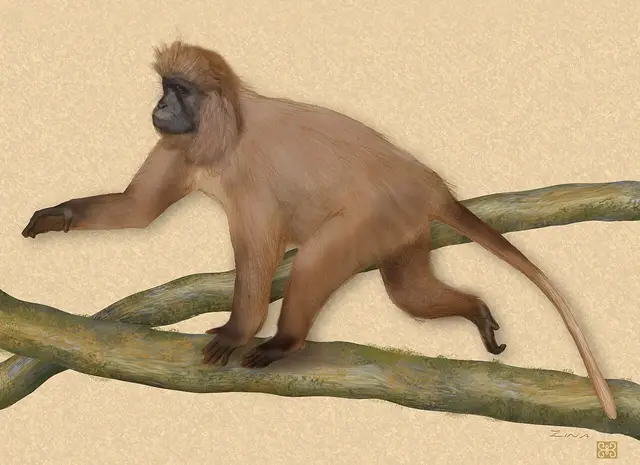 EN
Kipunji
 EN
Leptopelis parkeri
Showing the first 24. Total pins: 37.
Quick answers
- Do all these animals live only in Tanzania?
- No. A pin means a Wikidata place field resolved here. Official ranges can be wider.
- Is this a government list?
- No. It is a slice of this catalog.