Critically Endangered
Haplochromis hiatus
Haplochromis hiatus
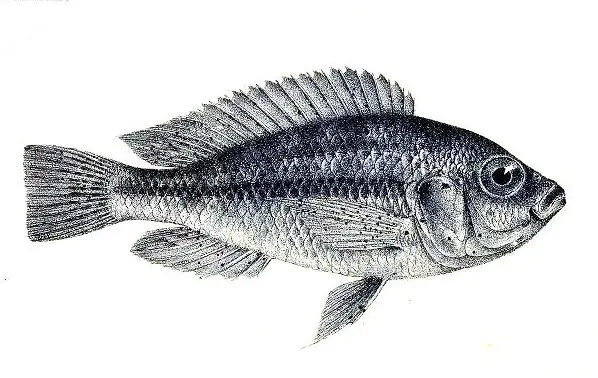
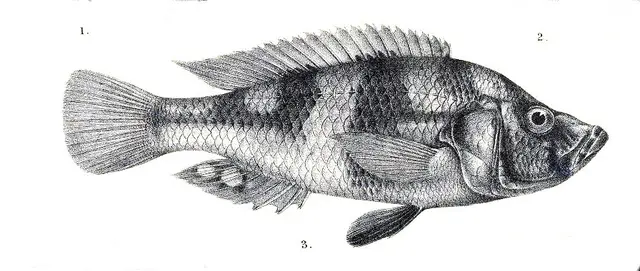
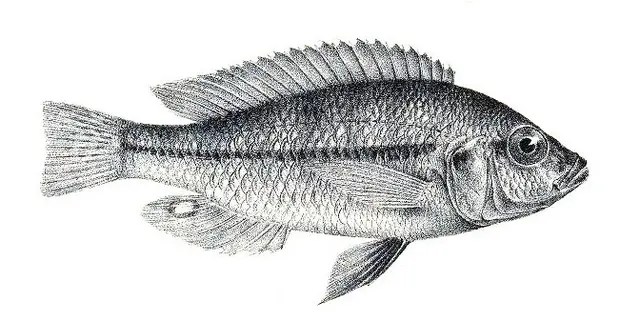
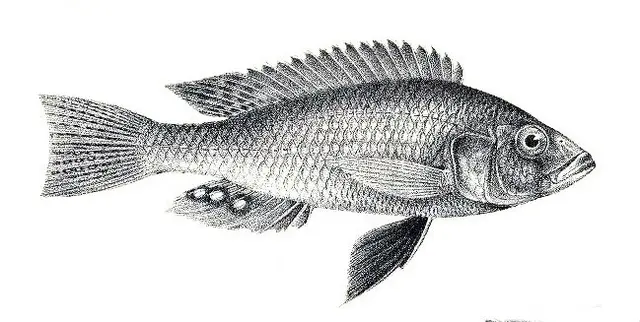
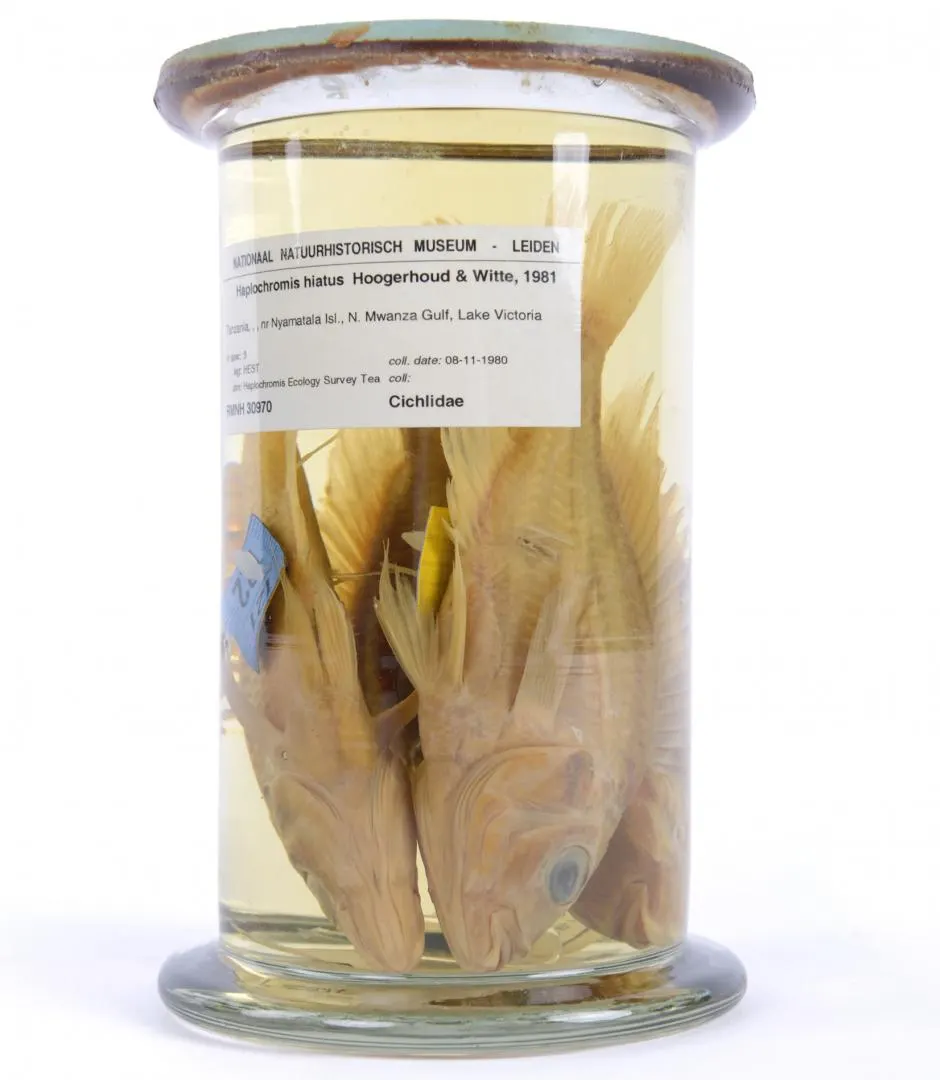
Haplochromis hiatus is a small cichlid fish described from Lake Victoria in 1981. The IUCN Red List rated it Critically Endangered in 2010 and flags it as possibly extinct. It was only ever recorded from the Tanzanian part of the lake, and one database gives 1980 as its last record.
How to recognise it
It belongs to the haplochromine cichlids, the huge group of mostly small fishes that evolved in Lake Victoria. FishBase gives a maximum length of about 11 cm in standard length. As in other haplochromines, females brood their eggs in the mouth.
R. J. C. Hoogerhoud and Frans Witte described it in 1981, in a paper revising the Haplochromis empodisma group in the Netherlands Journal of Zoology. Little else about its appearance appears in the sources available, so colour and body shape remain poorly documented.
Where it lives
The type series came from the northern Mwanza Gulf of Lake Victoria, at a depth of 10.5 to 11 metres. The IUCN assessment lists Tanzania as the only country, counts one location and gives the habitat as permanent freshwater lake. FishBase describes a fish of shallow water over mud bottoms, with a recorded depth down to about 9 metres.
Its diet is not described in the sources available.
Pins are Wikidata “endemic to” fields. Orange dots, when present, are GBIF occurrence tiles — survey bias included.
Why it is in trouble
Lake Victoria holds more than 500 haplochromine species, nearly all found nowhere else. The predatory Nile perch was introduced in the 1950s and had spread across the lake by 1970, with numbers peaking in the 1980s. Estimates suggest at least 200 haplochromine species, about 40 percent, have since been lost, though some feared extinct were later found again. Nutrient enrichment of the lake added to the pressure.
The IUCN assessment for this fish records a decreasing population trend. The threats it lists are fishing, introduced species, problem native species, and wastewater from towns, industry and agriculture. The fish is also taken as food by local people. No population estimate exists.
What is being done
The 2010 assessment lists no conservation actions in place and is marked as needing an update. Public aquariums in the United States began holding Lake Victoria haplochromines in the late 1980s, after Les Kaufman drew attention to the lake's plight, but none of the sources found names this species among them.
Sources
Written for this catalog in our own words from the sources below, checked against them on 12 November 2026. Population figures are estimates and carry the year they were made. Status and assessment year: IUCN. 2026. The IUCN Red List of Threatened Species. Version 2026-1. iucnredlist.org.