Critically Endangered
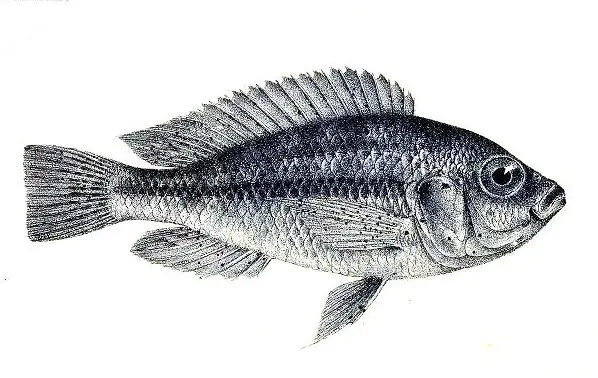
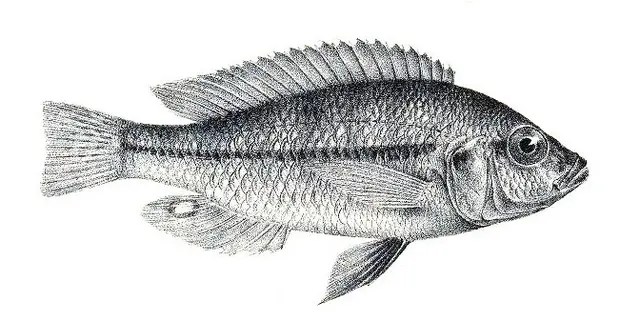
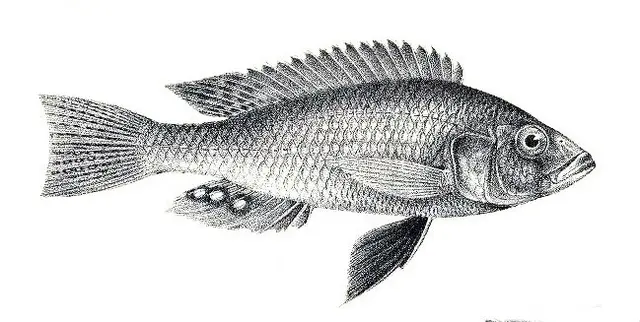
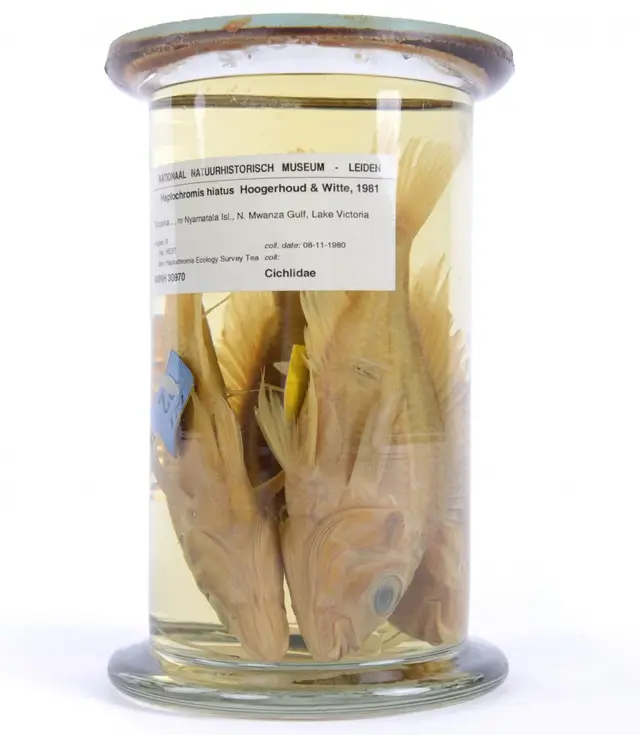
Haplochromis flavipinnis
Haplochromis flavipinnis
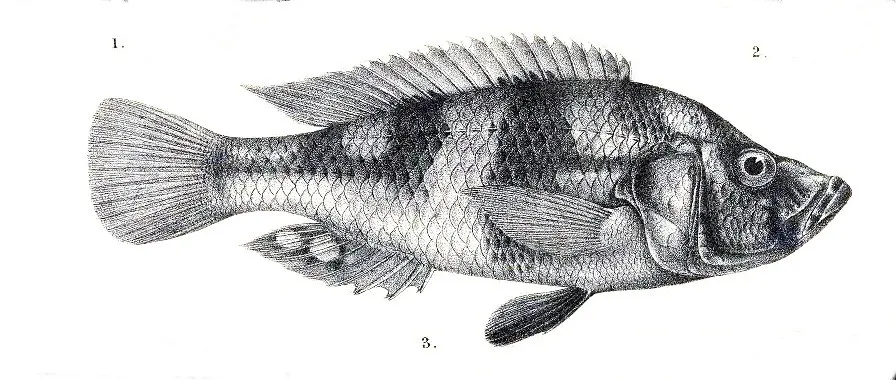
Haplochromis flavipinnis is a fish-eating cichlid endemic to Lake Victoria in East Africa. The IUCN Red List assessed it in 2010 as Critically Endangered and possibly extinct, noting it has not been seen since 1984. It belonged to the piscivore group hit hardest when Nile perch took over the lake.
What it was
Boulenger described it in 1906. The IUCN lists the names Pelmatochromis flavipinnis and Prognathochromis flavipinnis for it as well. It reportedly reached about 15.6 cm in standard length, meaning body length without the tail fin.
The IUCN classes it as a strict piscivore, a fish-eater, found over every kind of bottom in the littoral zone, from rocky shores to sand and mud, but not among vegetation. A 1990 review by Witte and van Oijen lists it in the piscivore group. Those group notes describe the group, not this species. Most members fed on other haplochromine cichlids, often their young, and about 10 species specialised on the small silver cyprinid known as dagaa. Adults of the group measured 8 to 25 cm, mostly 10 to 16, with big heads and long jaws.
Where it lived
The species is endemic to Lake Victoria. The IUCN assessment lists Uganda and Tanzania as its range, with presence marked as possibly extinct, and counts a single location. Habitat is given as a large permanent freshwater lake. In the 1970s it lived in the northern part of the Mwanza Gulf, though how many there were is unknown.
Pins are Wikidata “endemic to” fields. Orange dots, when present, are GBIF occurrence tiles — survey bias included.
What happened to it
The IUCN says it was rarely caught, fewer than four times a year, and vanished from catches after 1984. It reportedly appears among the haplochromines taken in the lake's 1927 to 1928 fisheries survey.
Nile perch, introduced in the 1950s, surged in the early 1980s, and the 1990 review reported that the lake's haplochromine stock and fishery had virtually disappeared. Piscivores were hit early. In the Mwanza Gulf, trawling with small-mesh nets had already thinned them, and once Nile perch settled in they were among the first to go. By 1990 the piscivores of the sub-littoral waters had almost completely vanished.
The IUCN names hybridisation as the main threat. Murkier water from erosion and nutrient pollution hides the visual cues fish use to recognise mates. Nile perch predation is a second threat, described as potentially reversible. Sewage and silt are also listed, and the fish was caught for food, though not targeted.
What is known now
The 2010 assessment gave it a decreasing population trend and the small-population criterion C2a(ii). It gave no population estimate and said that if any survive they are probably extremely rare. It calls for more monitoring, action to curb the lake's degradation and overfishing, and protected areas, but names no programme aimed at this species.
No sightings have been recorded since 1984.
Sources
Written for this catalog in our own words from the sources below, checked against them on 12 November 2026. Population figures are estimates and carry the year they were made. Status and assessment year: IUCN. 2026. The IUCN Red List of Threatened Species. Version 2026-1. iucnredlist.org.