India
41 catalog pins
41 animals in this catalog carry a structured country pin for India. That is a filing fact, not a claim that the crisis is only here.
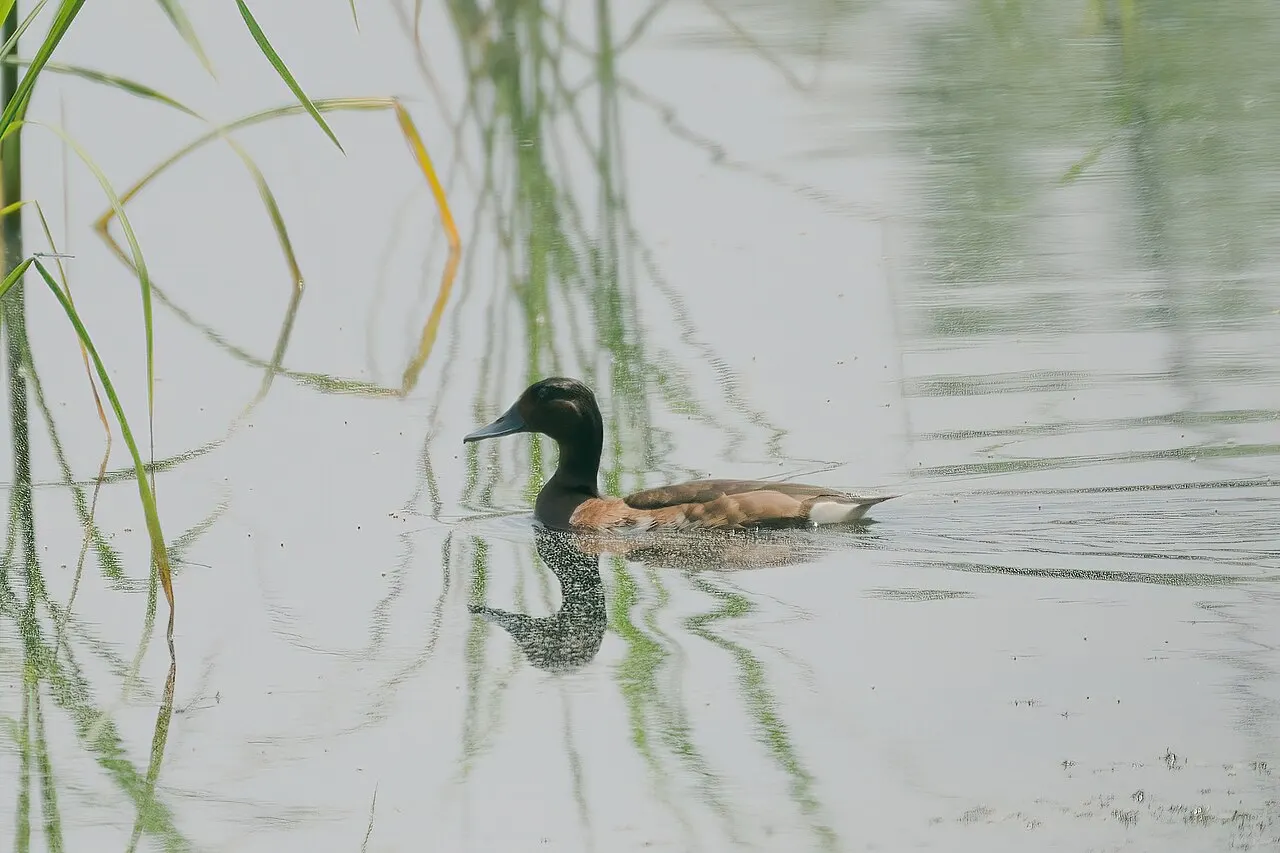
The photograph is one of those animals: Baer's Pochard. Open a dossier for the text, the status, and the map. Use the world map to jump to another country. Confirm official distributions on the Red List.
India covers a huge range of habitats, from Himalayan peaks and the Gangetic plains to the Western Ghats, deserts, mangroves and coral islands. Its CBD profile counts it among the megadiverse countries, holding roughly 7 to 8% of recorded species, and says four global biodiversity hotspots overlap with the country: the Himalaya, Indo-Burma, the Western Ghats and Sri Lanka, and Sundaland.
Endemism is high among cold-blooded animals. The profile says about 61% of India's amphibians and 47% of its reptiles are found nowhere else, and 223 of 783 freshwater fish species are endemic.
Where the pressure comes from
The CBD profile lists habitat fragmentation, degradation and loss, overexploitation, invasive alien species, a shrinking forest resource base, climate change, development projects and pollution as the main drivers. Another overview adds poaching and encroachment as threats to some species.
Vultures show how a single cause can do enormous damage. Three Gyps vulture species numbered an estimated 40 million in South Asia in the early 1980s and about 19,000 by 2017. The cause was diclofenac, an anti-inflammatory given to livestock, which poisons vultures that feed on treated carcasses. The white-rumped vulture fell 99.7% between 1993 and 2002.
What is being done
India passed the Wildlife Protection Act in 1972. The CBD profile reports 679 protected areas covering 4.9% of the country, including 102 national parks and 517 wildlife sanctuaries, with tiger reserves, elephant reserves and Ramsar wetlands on top (counts undated). Another source puts the total near 1,022 areas by 2023, so the numbers depend on date and definition.
For vultures, India banned veterinary diclofenac on 11 March 2006. The drug is still widely available, and other painkillers have also proved toxic. Captive-bred birds were released in 2016 from the Pinjore breeding centre, and a 2020 to 2025 action plan aims to extend the bans. Numbers are recovering slowly.
Reading the catalog for India
In the facts file, birds are the largest identified group with 14 records, followed by Squamata (lizards and snakes) and Amphibia with 5 each. Cyprinidae is the biggest family with 6 records, and 10 records have no class listed. The catalog covers Critically Endangered and Endangered animals only, so Vulnerable species are not shown.
Sources for this section
- India country profile, CBD: megadiversity, four hotspots, endemism, threats, 679 protected areas
- Wildlife of India, Wikipedia: 1972 Wildlife Protection Act, 1,022 protected areas by 2023, poaching and encroachment
- Indian vulture crisis, Wikipedia: vulture numbers, diclofenac, 2006 ban, 2016 release, 2020 to 2025 plan
What the catalog records for India
The catalog has 41 animals with a country pin for India: 8 Critically Endangered and 33 Endangered. By GBIF class the largest groups are Aves (14), unknown (10), Squamata (5), Amphibia (5). The families with the most records are Cyprinidae (6), Leiothrichidae (2), Agamidae (2). A pin means a structured source (Wikidata or a GBIF match) places the animal in India; it does not say the animal lives only there.
 CR
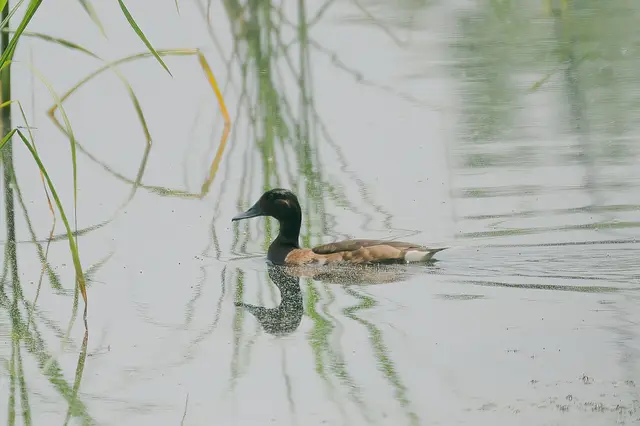
Baer's Pochard
 CR
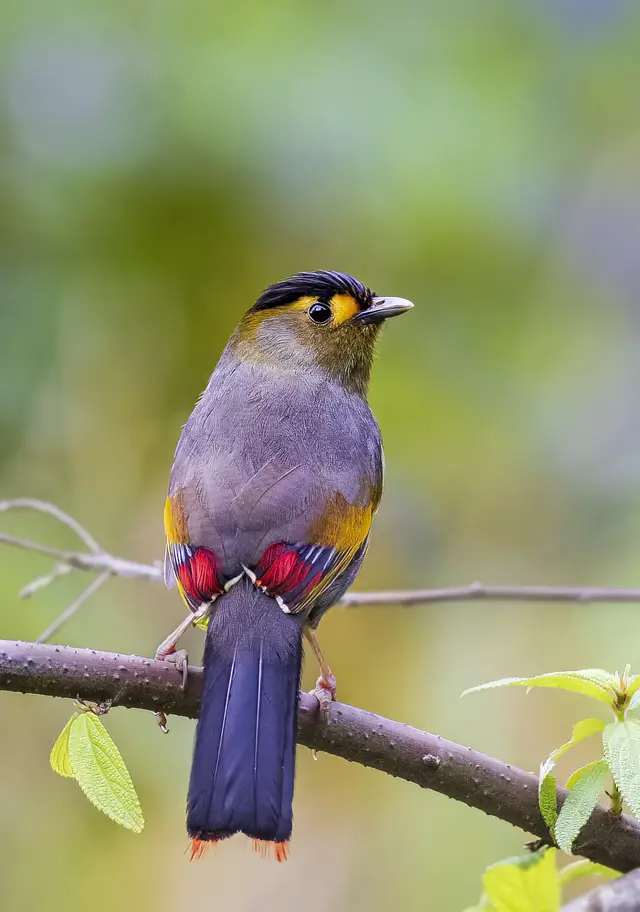
Bugun Liocichla
 CR
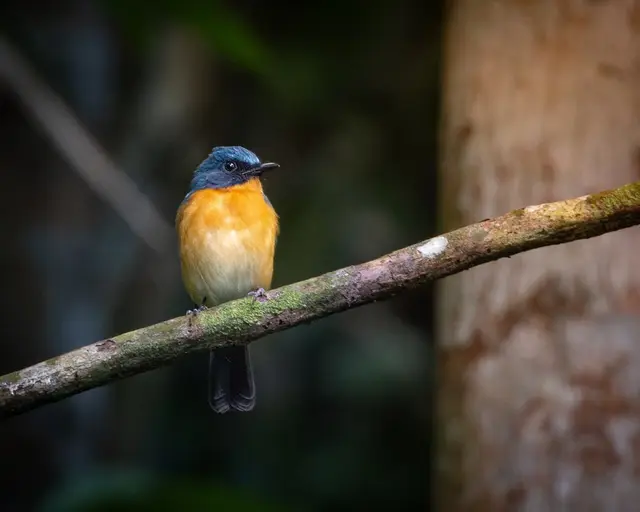
Javan Blue Flycatcher
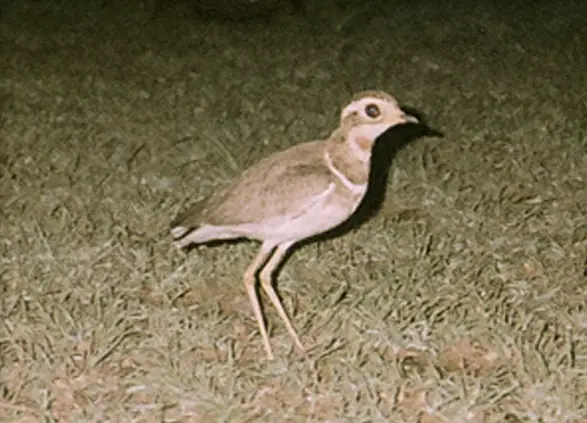 CR
Jerdon's Courser
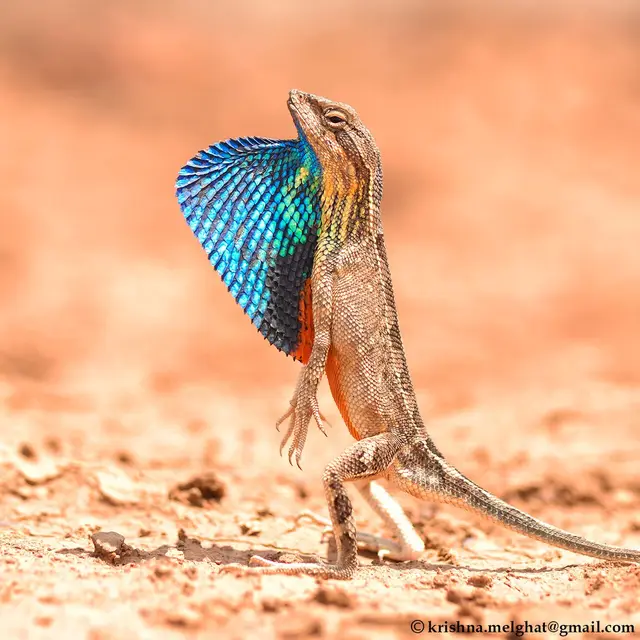 CR
Sarada superba
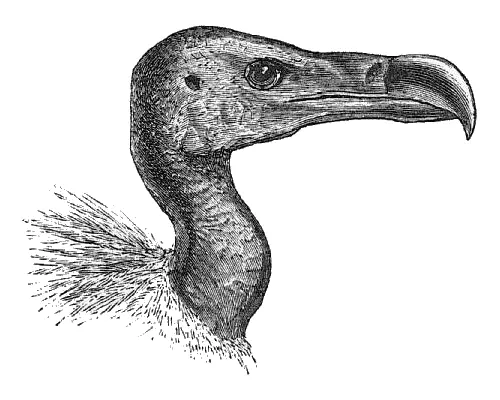 CR
Slender-billed Vulture
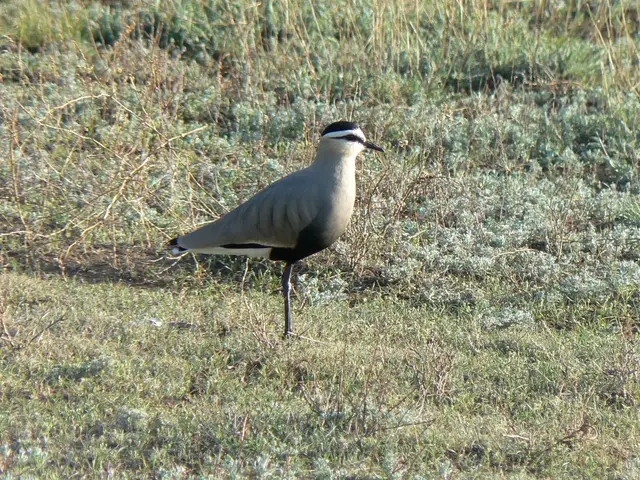 CR
Sociable Lapwing
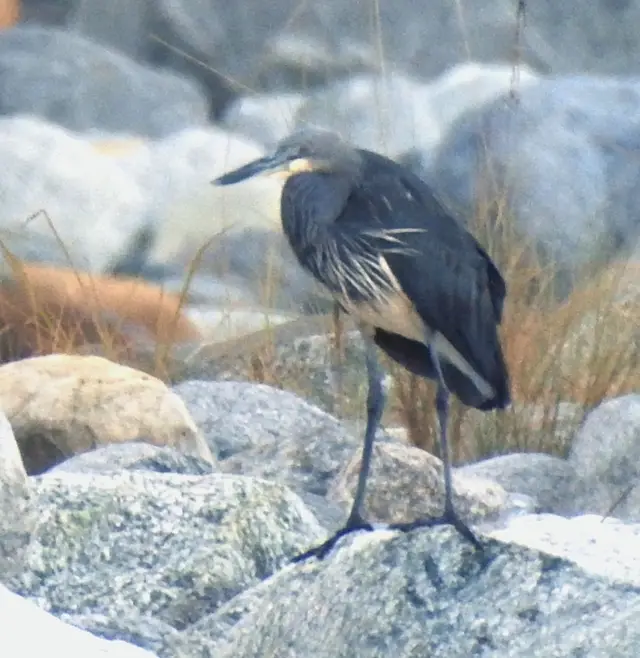 CR
White-bellied Heron
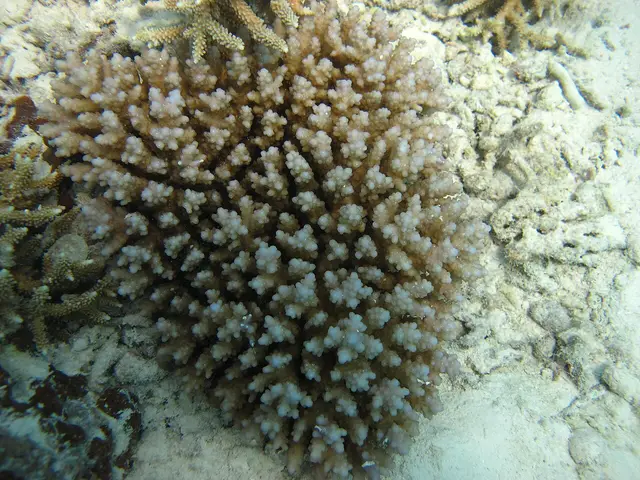 EN
Acropora squarrosa
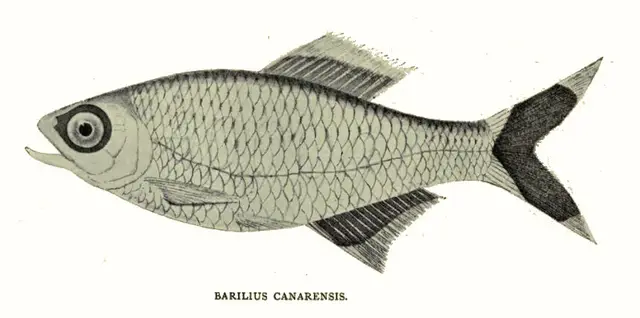 EN
Jerdon's baril
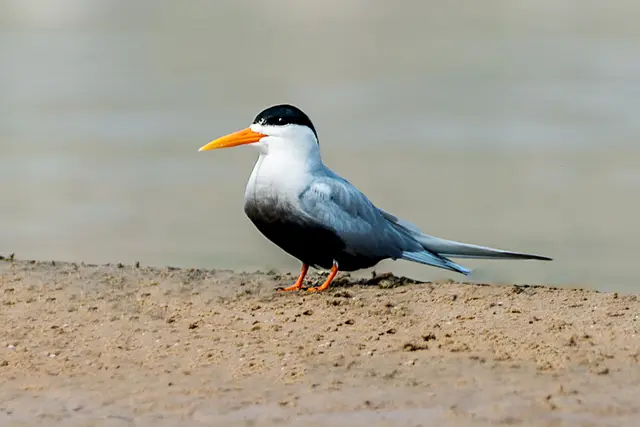 EN
Black-bellied Tern
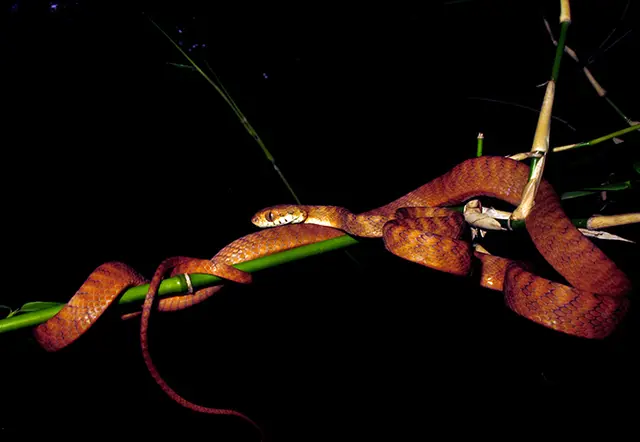 EN
Boiga andamanensis
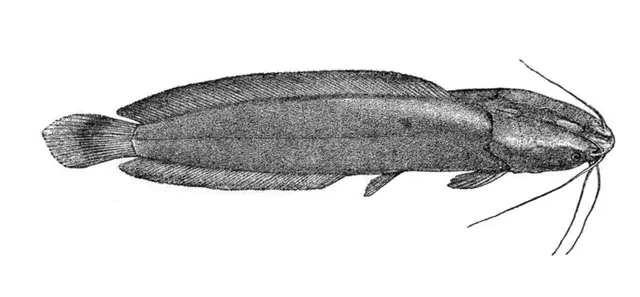 EN
Wagur
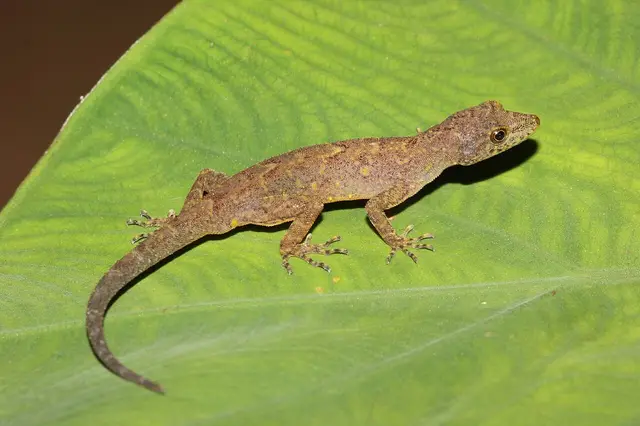 EN
Yellow-bellied Day Gecko
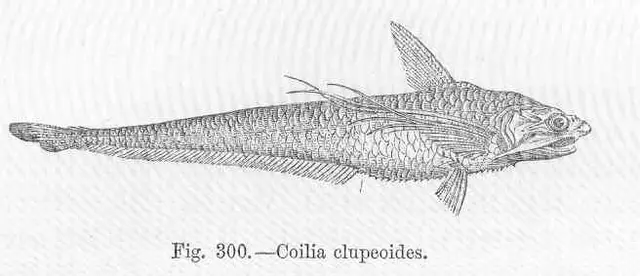 EN
Osbeck's grenadier anchovy
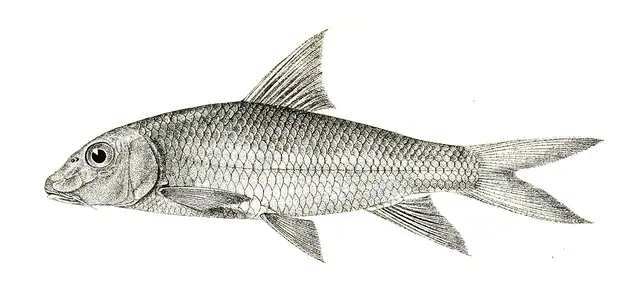 EN
Curmuca Barb
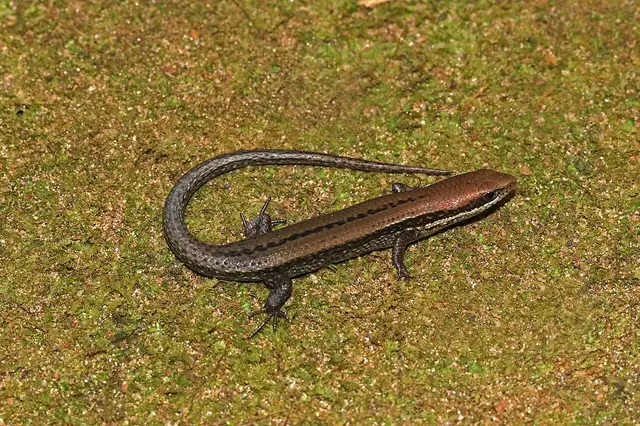 EN
Inger's Mabuya
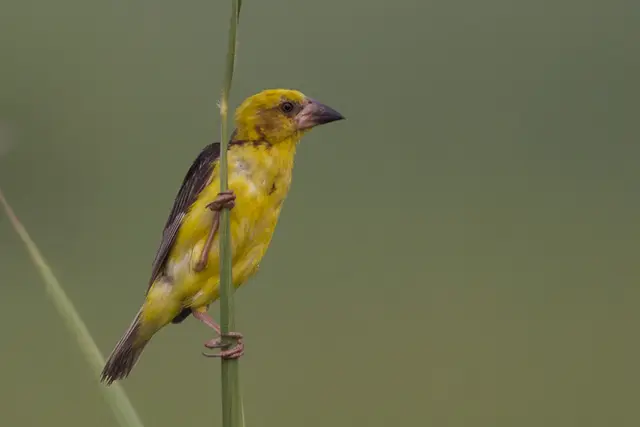 EN
Finn's Weaver
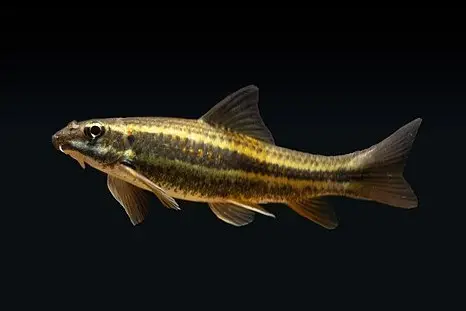 EN
Kalakad Stone Carp
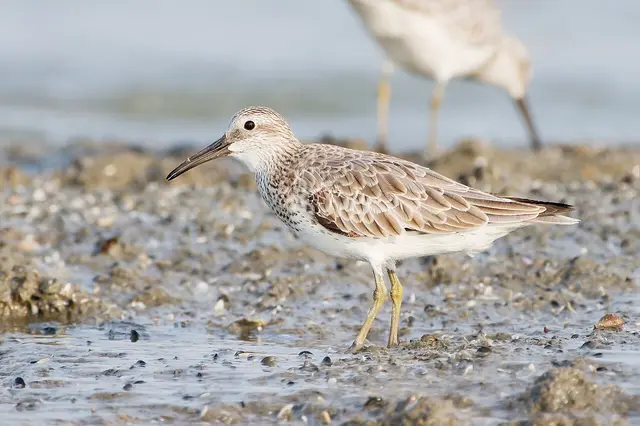 EN
Great Knot
 EN
Javan leafbird
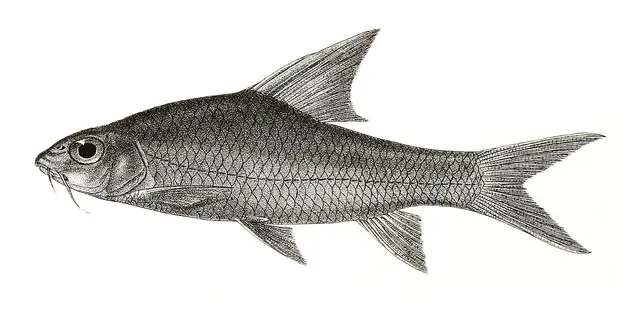 EN
Korhi Barb
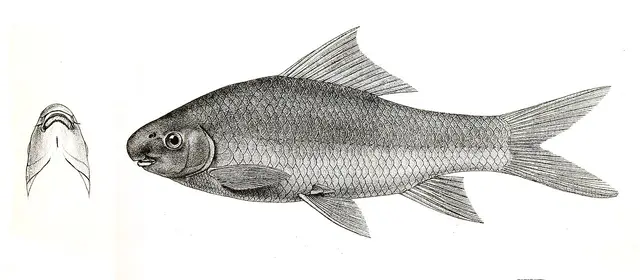 EN
Deccan Labeo
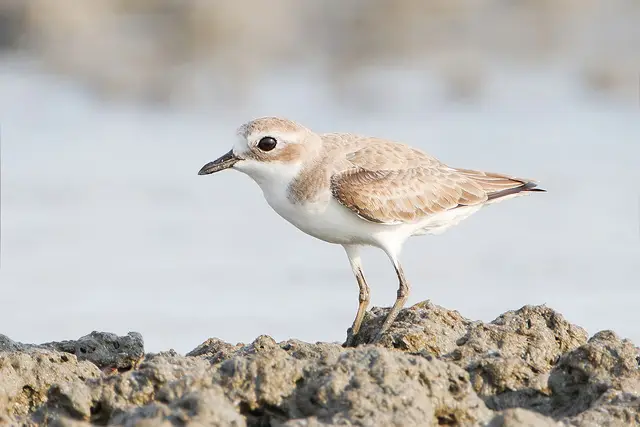 EN
Lesser Sand Plover
Showing the first 24. Total pins: 42.
Quick answers
- Do all these animals live only in India?
- No. A pin means a Wikidata place field resolved here. Official ranges can be wider.
- Is this a government list?
- No. It is a slice of this catalog.