South Africa
30 catalog pins
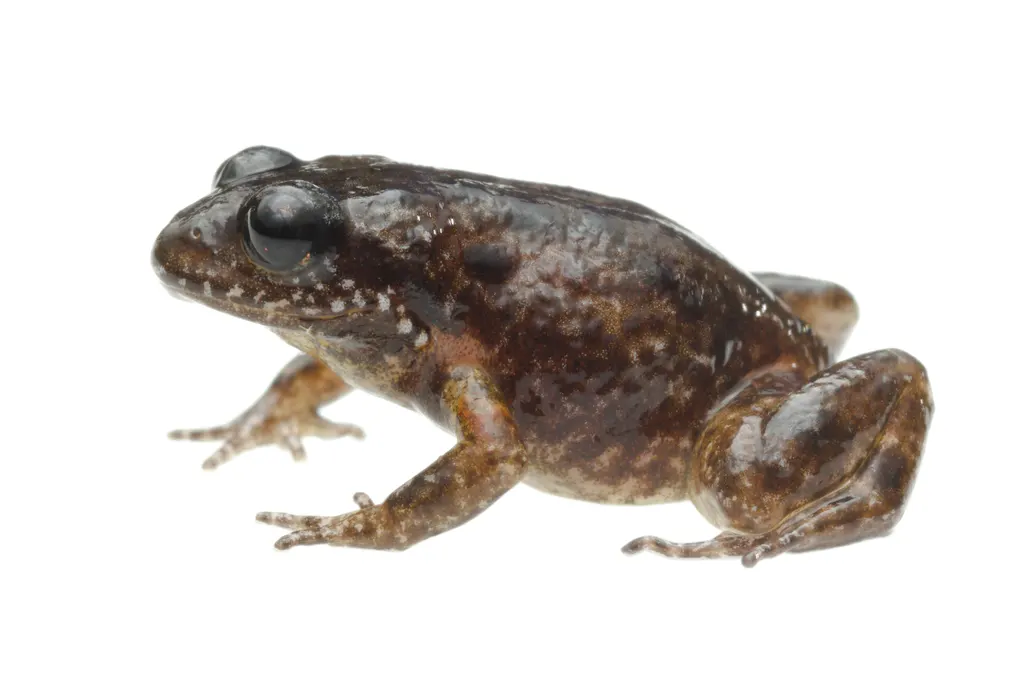
30 animals in this catalog carry a structured country pin for South Africa. That is a filing fact, not a claim that the crisis is only here.
The photograph is one of those animals: Arthroleptella subvoce. Open a dossier for the text, the status, and the map. Use the world map to jump to another country. Confirm official distributions on the Red List.
South Africa packs an unusual amount of wildlife into a mid-sized country. A draft Convention on Biological Diversity country profile puts it at about 2% of the world's land area but roughly 10% of the world's plant species and 7% of its reptile, bird and mammal species. It spans nine terrestrial biomes, from desert and succulent scrubland in the west to savanna, grassland and forest in the east, with three coastal marine zones around it.
Much of that life exists nowhere else. The same profile (undated) gives endemism of 56% for amphibians and 65% for plants. Endemic animals tend to have small ranges, which is why a country with many of them also has many species listed as Critically Endangered or Endangered.
Where the pressure comes from
The CBD profile names habitat loss to urban, industrial, mining and farming development as a leading problem, along with invasive alien species, over-harvesting and climate change. It reported invasive aliens across about 8% of the land area, and estimated that half of the country's wetlands had been destroyed.
The 2018 National Biodiversity Assessment, led by the South African National Biodiversity Institute and released in October 2019, assessed 23,312 indigenous species. Reporting on it, GroundUp noted that 14% of 20,401 plants and 12% of 2,911 animals were threatened, and that wetlands and estuaries were the least protected ecosystems.
What is being done
The National Environmental Management: Biodiversity Act of 2004 underpins national planning, and the national framework is revised every five years. Parks are run by South African National Parks and by provincial agencies such as Ezemvelo KZN Wildlife. The Cape Floral Region Protected Areas were inscribed as a World Heritage Site in 2004 and extended in 2015.
Some recoveries are small but real. De Winton's golden mole, unseen since 1937, was found again in November 2023 near Port Nolloth on the north-west coast. Researchers from the Endangered Wildlife Trust and partners matched DNA from soil in mole tunnels to a museum specimen, and a detection dog trained on other golden moles ignored the tunnels, a sign they held something unfamiliar. The authors suspect its population has fallen over the past century, partly because of diamond and mineral mining on that coast, and no population estimate exists.
Reading the catalog for South Africa
The catalog lists 30 animals here, 11 Critically Endangered and 19 Endangered. Amphibians are the largest group in the catalog's list, with 13, followed by Squamata (6) and Insecta (4). The leading families are Pyxicephalidae (5) and Chamaeleonidae (4).
That mix fits the endemism picture above: small-range frogs, chameleons and insects dominate. A short list is not a sign of a healthy country.
Sources for this section
- CBD country profile, South Africa (draft): 2% land area, 10% plants, 7% reptiles birds mammals, nine biomes, endemism 56% amphibians and 65% plants, 8% invaded, wetlands, threats, 2004 Act
- Wikipedia, Cape Floristic Region: hotspot area 78,555 km2, 9,000 plants, 69% endemic, World Heritage 2004 and 2015, pressures
- SANBI, 2018 National Biodiversity Assessment: released 3 October 2019, led by SANBI
- GroundUp, One in seven plants and animals threatened: 23,312 species assessed, 14% of plants, 12% of animals threatened, wetlands and estuaries least protected
- The Conversation, golden mole rediscovered: De Winton's golden mole 2023 rediscovery, eDNA, Port Nolloth, mining, no population estimate
- Wikipedia, Protected areas of South Africa: SANParks and provincial agencies such as Ezemvelo KZN Wildlife
What the catalog records for South Africa
The catalog has 30 animals with a country pin for South Africa: 11 Critically Endangered and 19 Endangered. By GBIF class the largest groups are Amphibia (13), Squamata (6), Insecta (4), Mammalia (2). The families with the most records are Pyxicephalidae (5), Chamaeleonidae (4), Bufonidae (2). A pin means a structured source (Wikidata or a GBIF match) places the animal in South Africa; it does not say the animal lives only there.
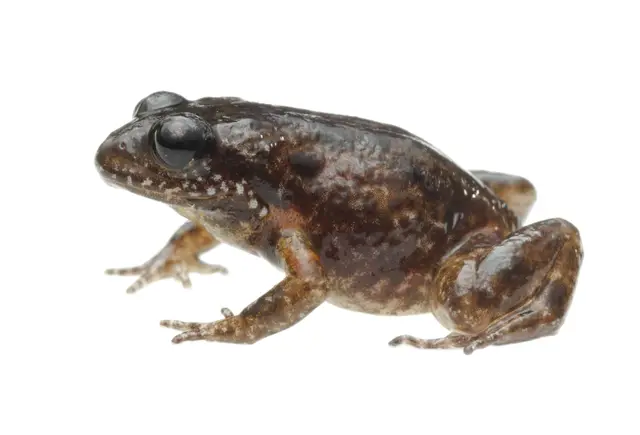 CR
Arthroleptella subvoce
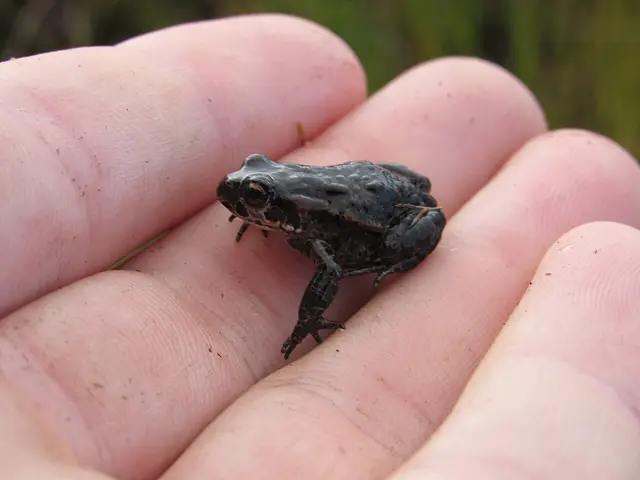 CR
Cape mountain toad
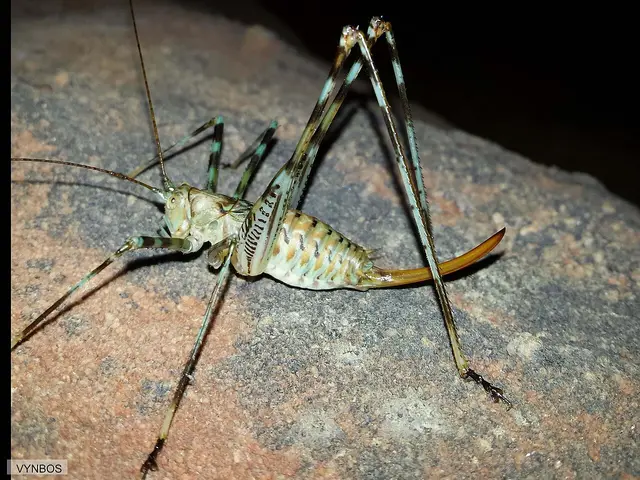 CR
Cave Katydid
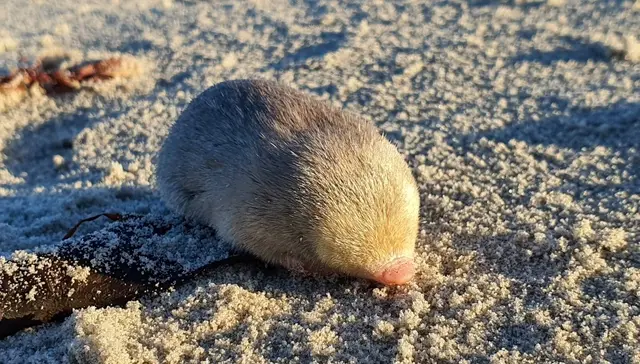 CR
De Winton's golden mole
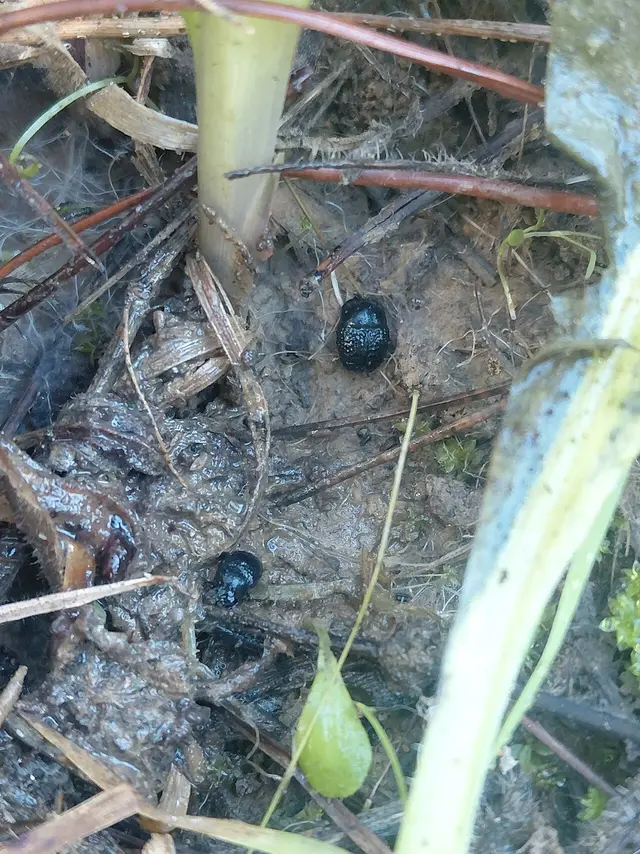 CR
Frankenbergerius opacus
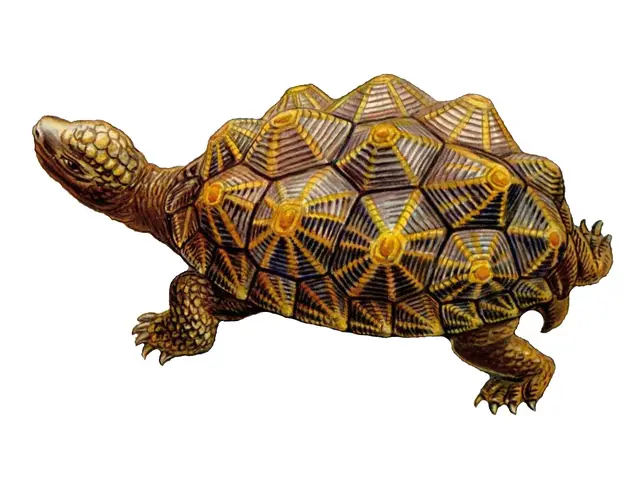 CR
Geometric tortoise
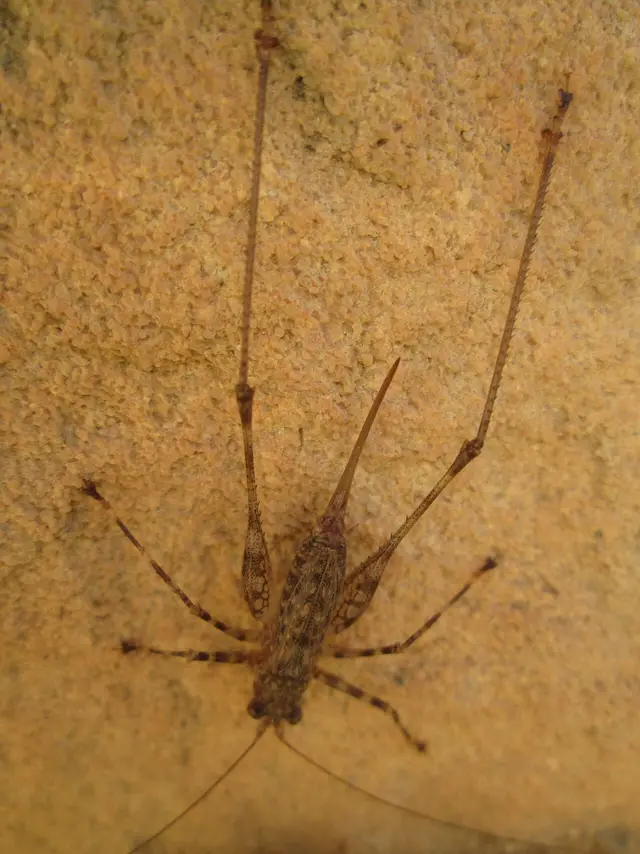 CR
Duplessis' Agile Katydid
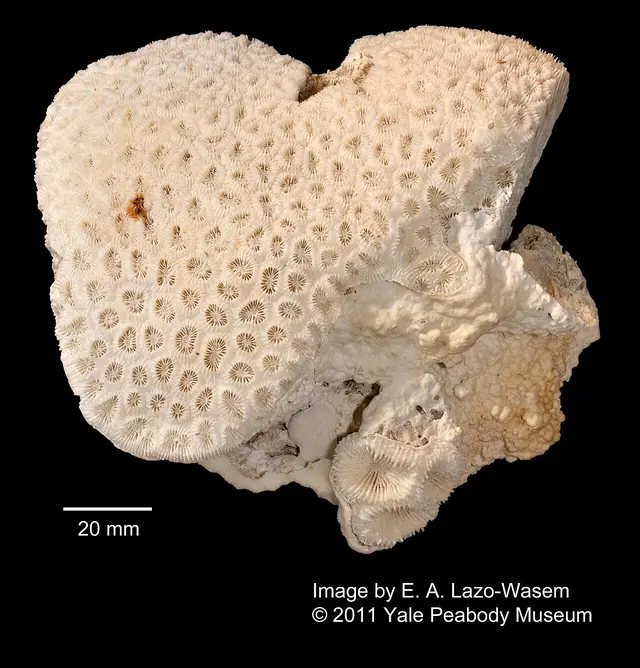 CR
Mussismilia leptophylla
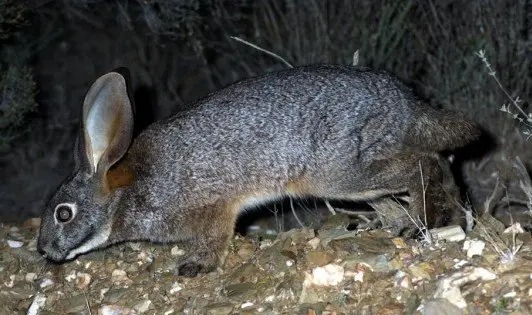 CR
Riverine rabbit
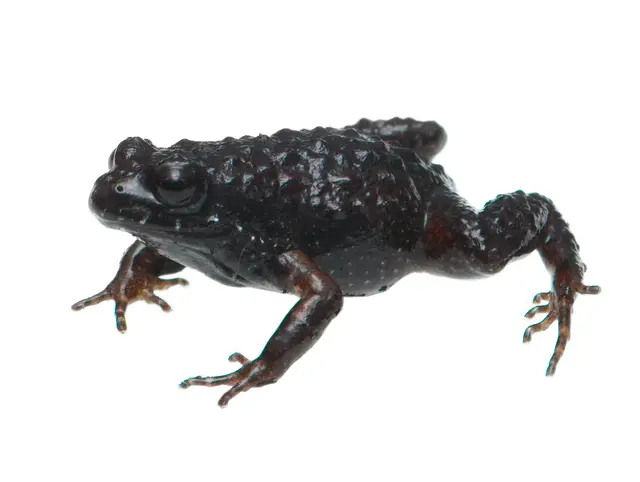 CR
Rough Moss Frog
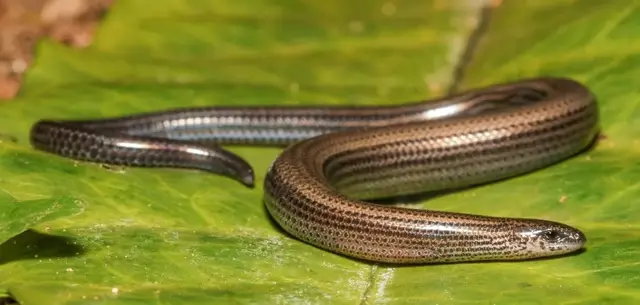 CR
Smith's Dwarf Burrowing Skink
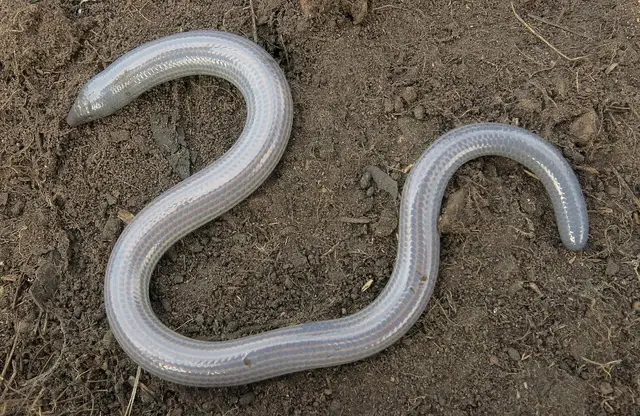 EN
Woodbush legless skink
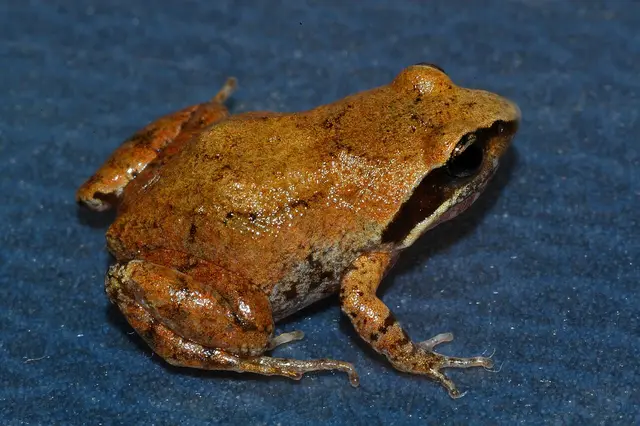 EN
Hogsback frog
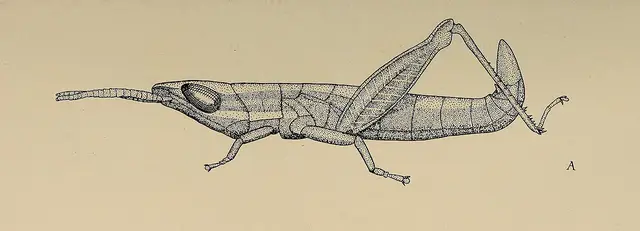 EN
Small Restio Grasshopper
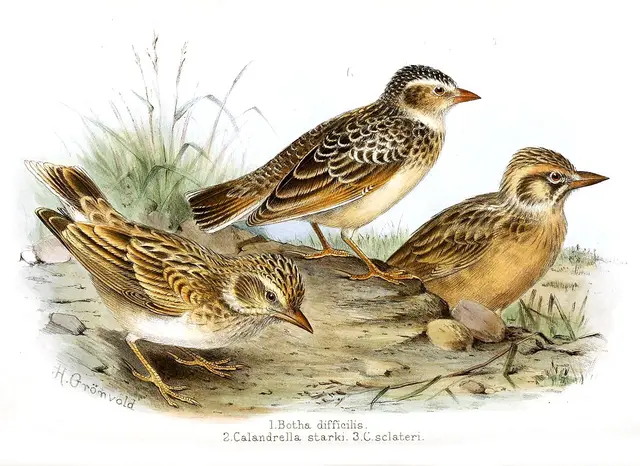 EN
Botha's lark
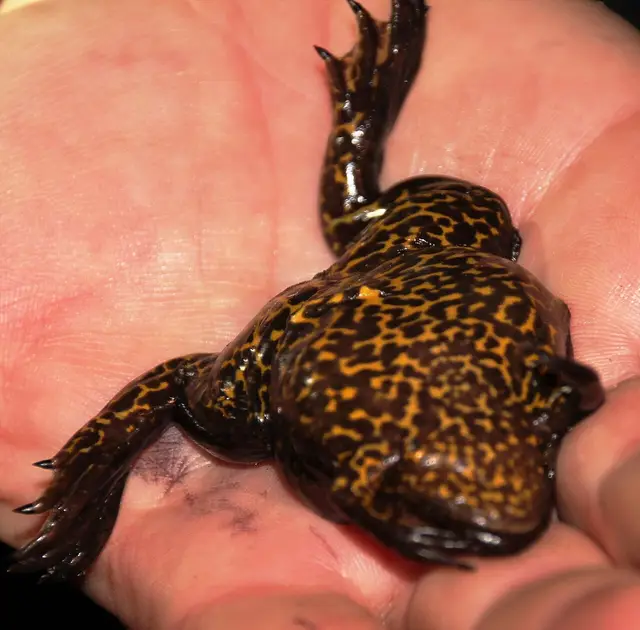 EN
Cape clawed toad
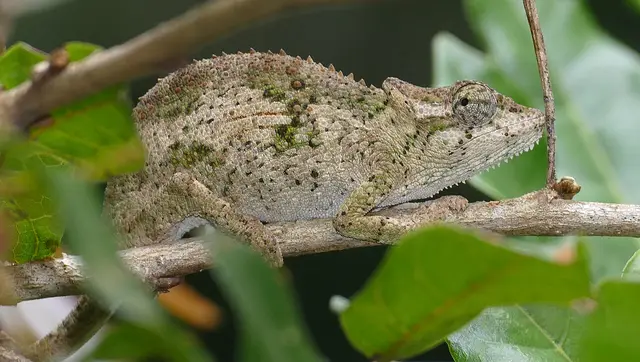 EN
Dhlinza dwarf chameleon
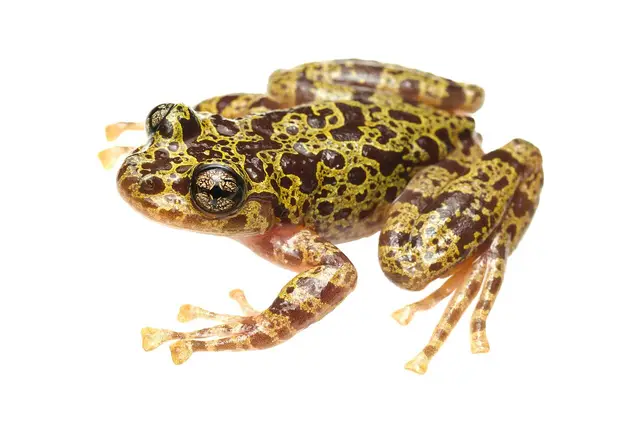 EN
Hewitt's ghost frog
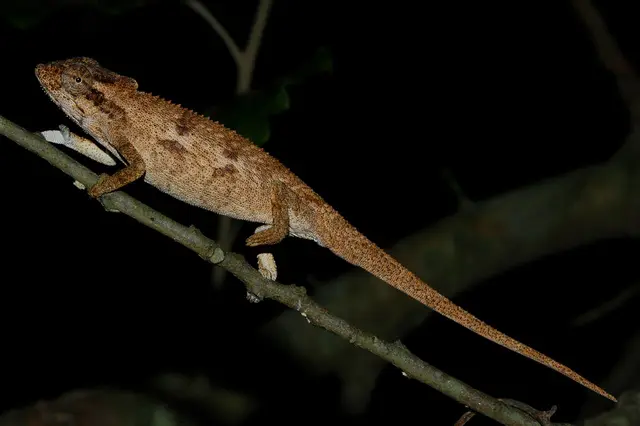 EN
Kentani dwarf chameleon
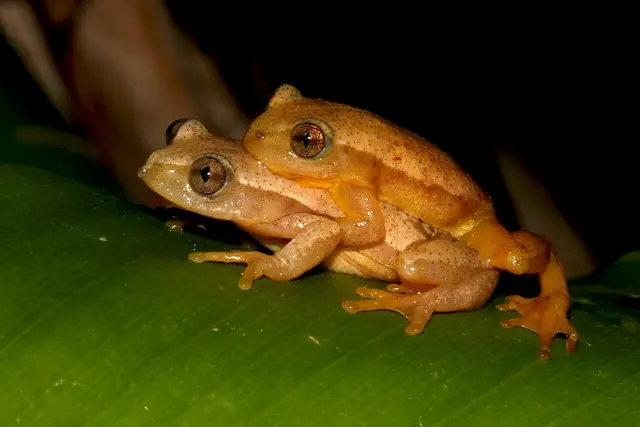 EN
Knysna banana frog
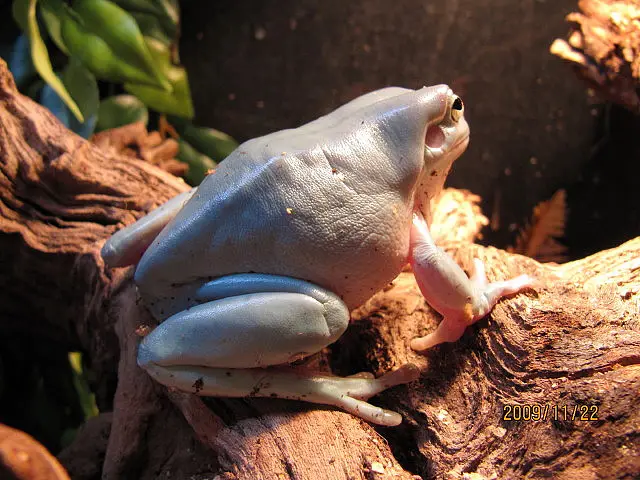 EN
Long-toed Tree Frog
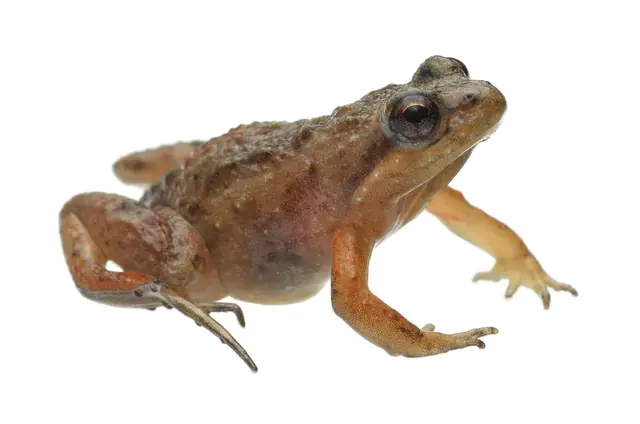 EN
Micro frog
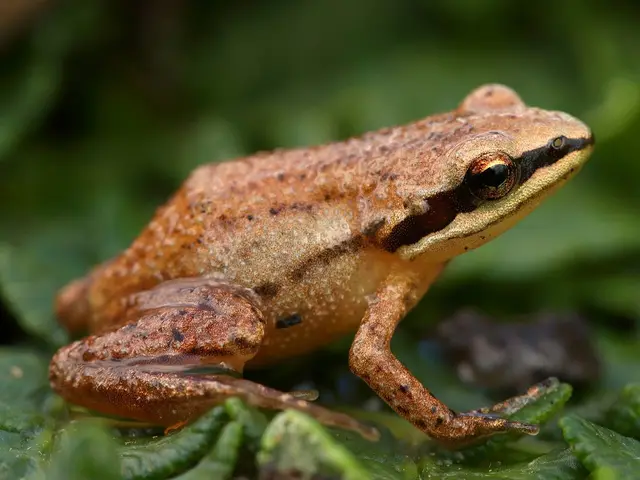 EN
Mistbelt Moss Frog
Showing the first 24. Total pins: 31.
Quick answers
- Do all these animals live only in South Africa?
- No. A pin means a Wikidata place field resolved here. Official ranges can be wider.
- Is this a government list?
- No. It is a slice of this catalog.