Mexico
40 catalog pins
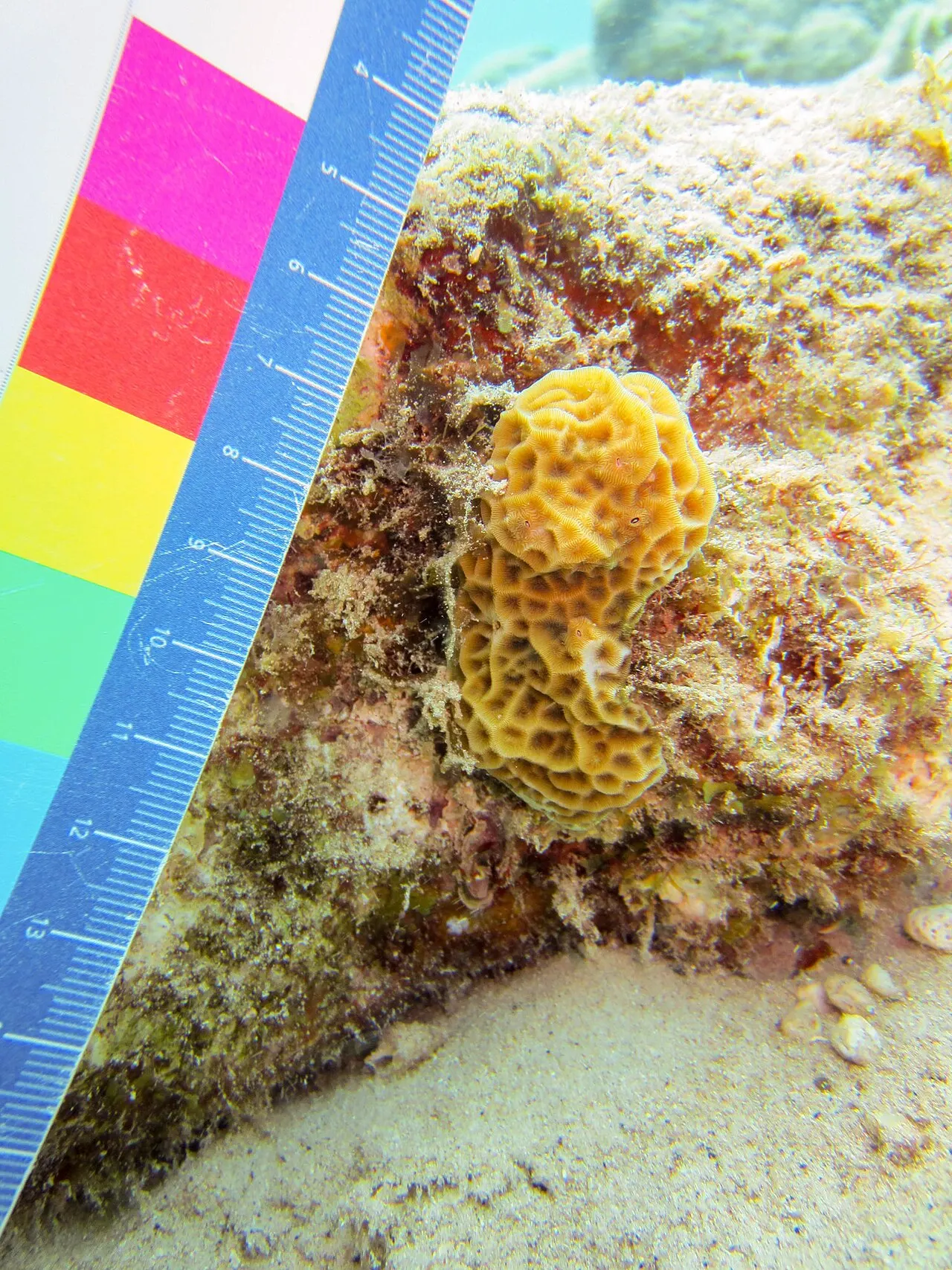
40 animals in this catalog carry a structured country pin for Mexico. That is a filing fact, not a claim that the crisis is only here.
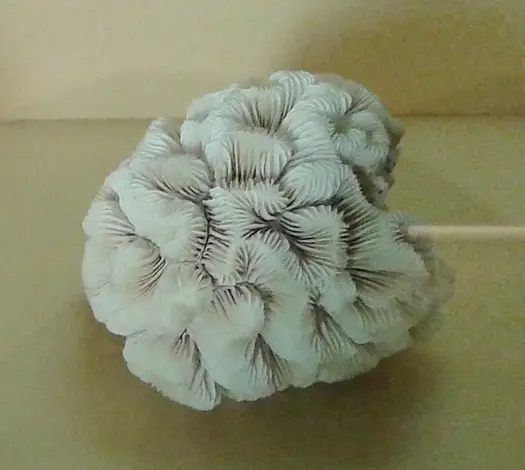
The photograph is one of those animals: Lowrelief Lettuce Coral. Open a dossier for the text, the status, and the map. Use the world map to jump to another country. Confirm official distributions on the Red List.
Mexico is where North and Central America meet, with coasts on the Pacific, the Gulf of Mexico and the Caribbean. It is one of the 17 countries counted as megadiverse, and it ranks first in the world for reptile species, with 707 known, and second for mammals, with 438 (figures from the national adult-education body CONEVYT, as cited on Wikipedia).
That mix of climates and isolated habitats produces many species that live in only one valley, spring, island or reef. Narrow ranges are exactly what makes a species easy to push into the Endangered or Critically Endangered categories.
Where the pressure comes from
Mexico's own report to the Convention on Biological Diversity groups the pressures into six themes: loss and degradation of ecosystems, overexploitation, invasive species, pollution, climate change and urbanisation. A 2011 national study found that 28.7% of the territory had lost its natural ecosystems, and only 49.5% of the remaining rainforest and forest was in a primary state.
Freshwater life has had a particularly hard time. The same report says that carp (from Asia) and tilapia (from Africa) have been introduced and have contributed to local extinctions of native species, some of them endemic. At sea, stony coral tissue loss disease, first seen off Florida in late 2014, had been reported in the Mexican Caribbean by January 2019. It kills most of the corals it infects, with recorded mortality of 66% to 100%.
What is being done
By 2015 Mexico had 176 protected areas covering 25.63 million hectares, about 12.96% of the country, and 142 Ramsar wetland sites. Wildlife management units covered about 39 million hectares, around 19% of the national area, by December 2015.
The first national biodiversity strategy dates from 2000, and a national strategy on invasive species followed in 2010. Around 2,500 species have legal protection, according to figures from CONABIO cited on Wikipedia.
Reading the catalog for Mexico
The list shows 40 animals, 15 Critically Endangered and 25 Endangered. Corals (Anthozoa) are the largest named group, with 8 entries, ahead of 7 lizards and snakes (Squamata) and 5 mammals, while 11 entries have no class recorded. Silversides (Atherinopsidae) lead the families with 4.
Sources for this section
- CBD country profile, Mexico: Megadiverse status, ecosystem loss 2011, protected areas, Ramsar sites, wildlife management units, threat themes, invasive carp and tilapia, NBSAP 2000
- Wildlife of Mexico: Species rankings (reptiles 707, mammals 438; CONEVYT), 17 megadiverse countries, about 2,500 protected species (CONABIO)
- Stony coral tissue loss disease: First detection 2014, Mexican Caribbean by January 2019, mortality 66 to 100%
What the catalog records for Mexico
The catalog has 40 animals with a country pin for Mexico: 15 Critically Endangered and 25 Endangered. By GBIF class the largest groups are unknown (11), Anthozoa (8), Squamata (7), Mammalia (5). The families with the most records are Atherinopsidae (4), Agariciidae (3), Cambaridae (3). A pin means a structured source (Wikidata or a GBIF match) places the animal in Mexico; it does not say the animal lives only there.
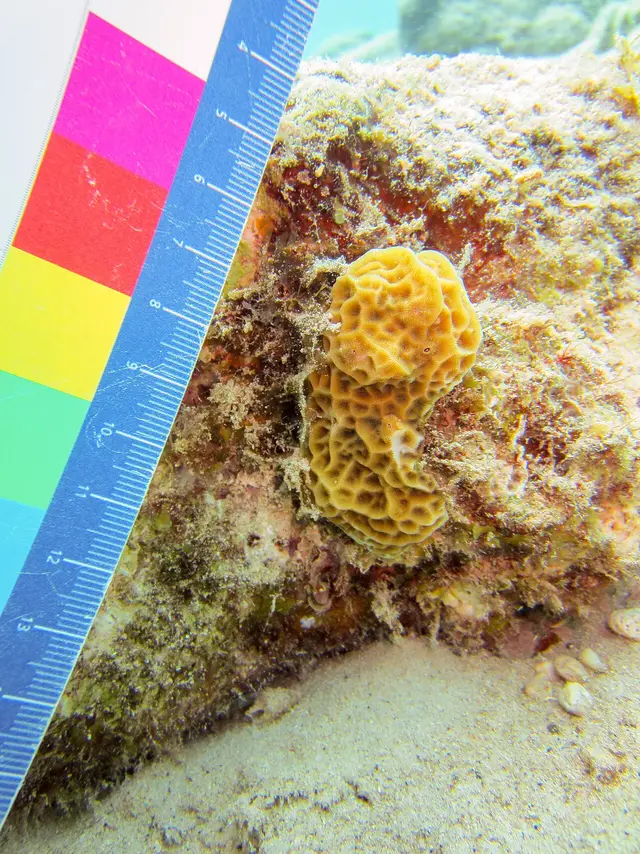 CR
Lowrelief Lettuce Coral
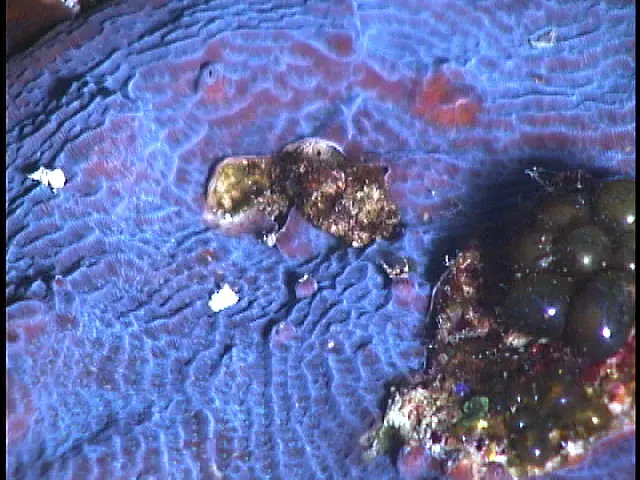 CR
Lamarck's Sheet Coral
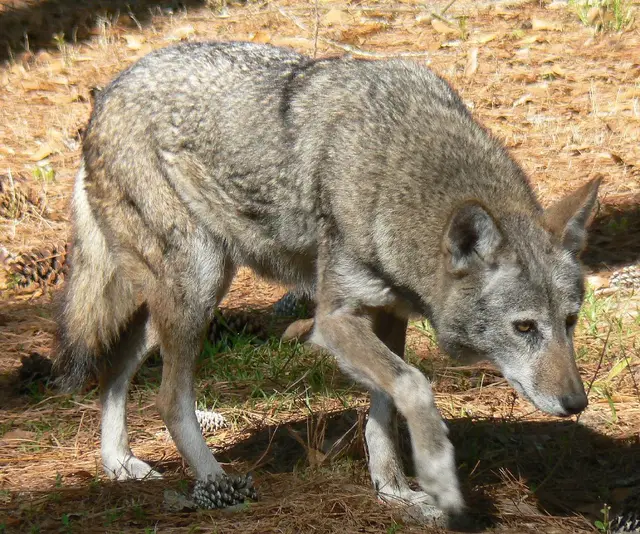 CR
Red wolf
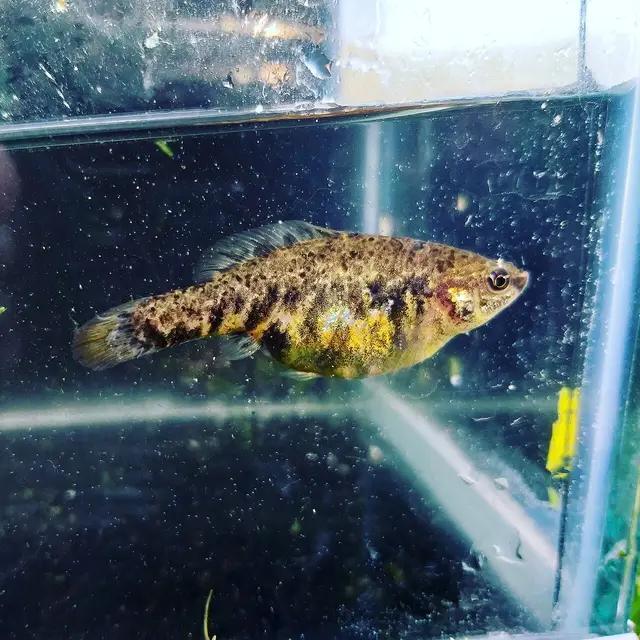 CR
Girardinichthys turneri
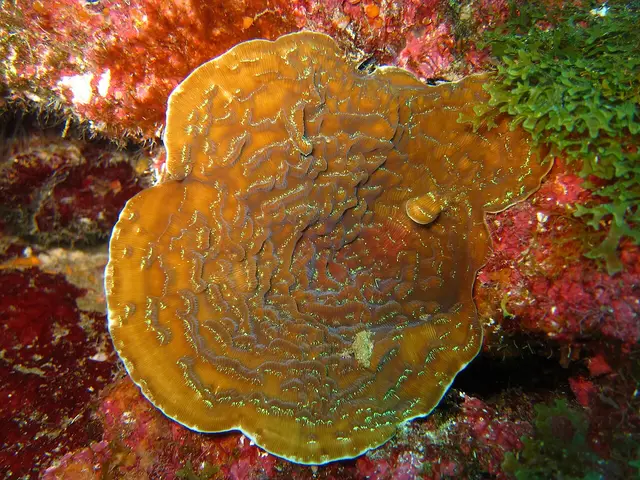 CR
Sunray Lettuce Coral
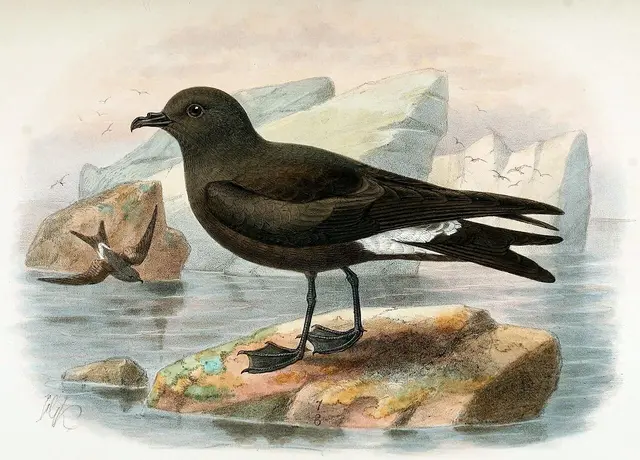 CR
Guadalupe storm petrel
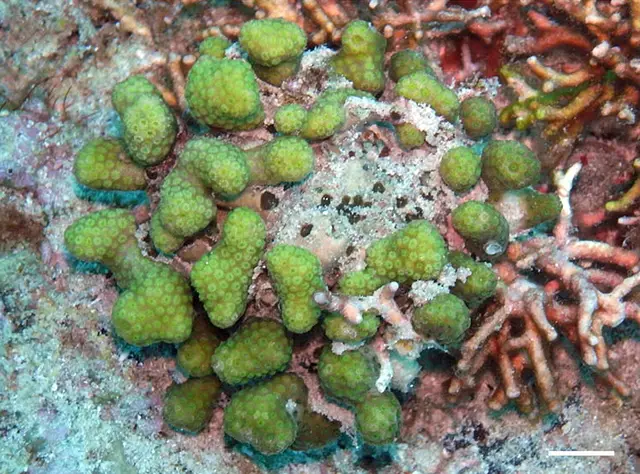 CR
Ten-ray Star Coral
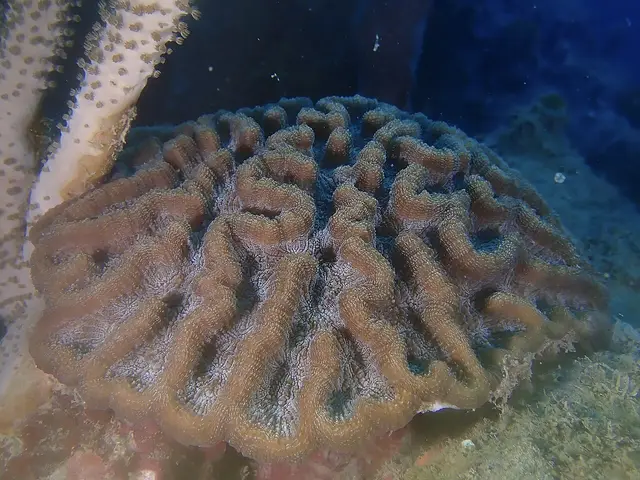
 CR
Brazilian maze coral
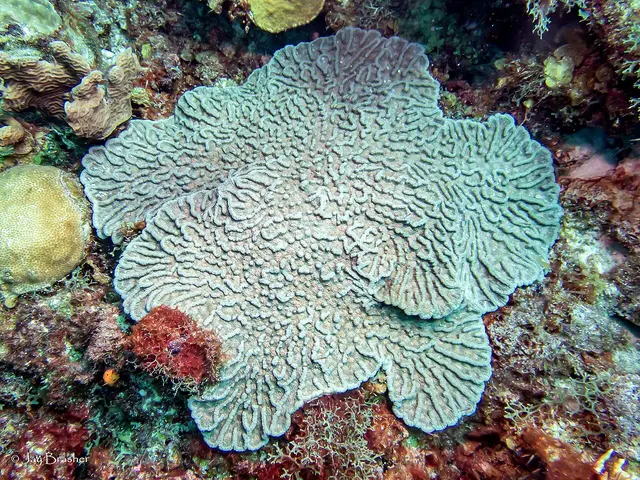
 CR
Lowridge cactus coral
 CR
Rough Cactus Coral
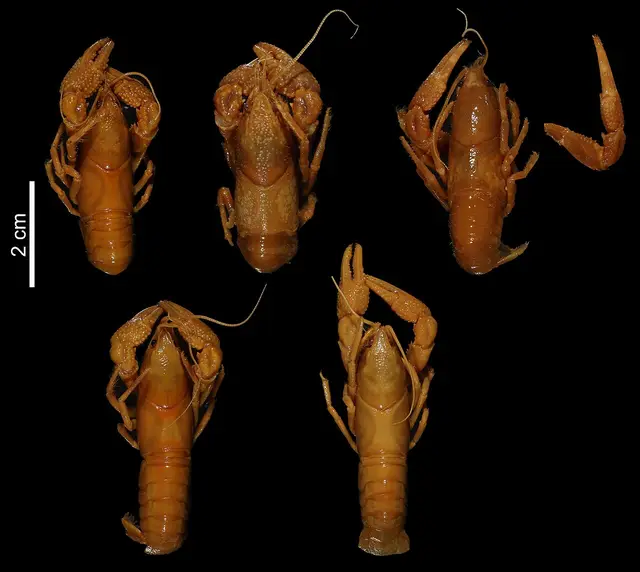 CR
Procambarus paradoxus
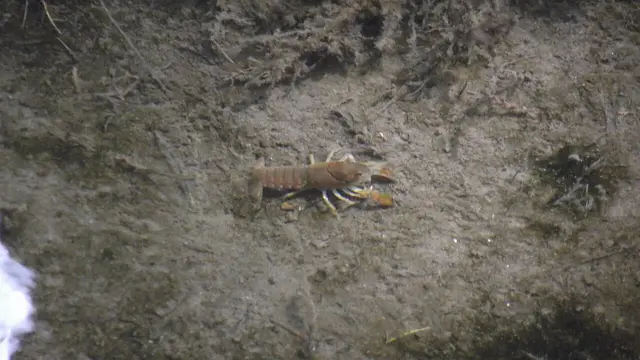 CR
Procambarus regiomontanus
 CR
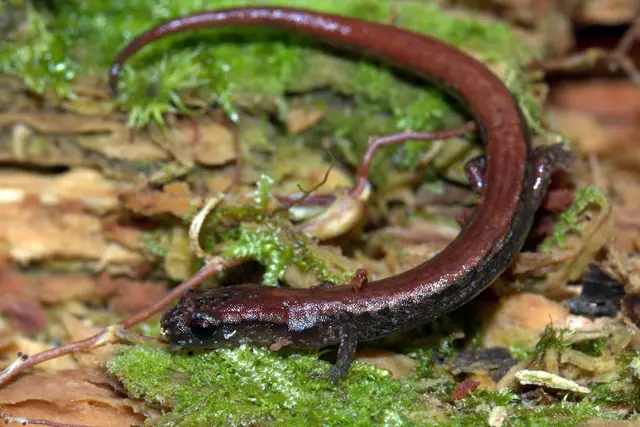
Terrestrial Splayfoot Salamander
 CR
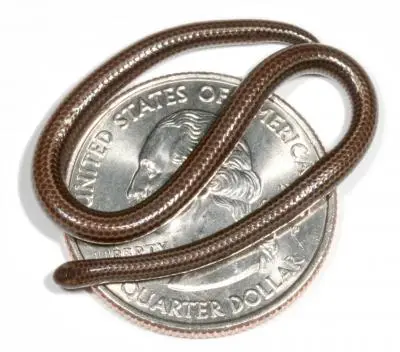
Barbados threadsnake
 CR
Vaquita
 EN
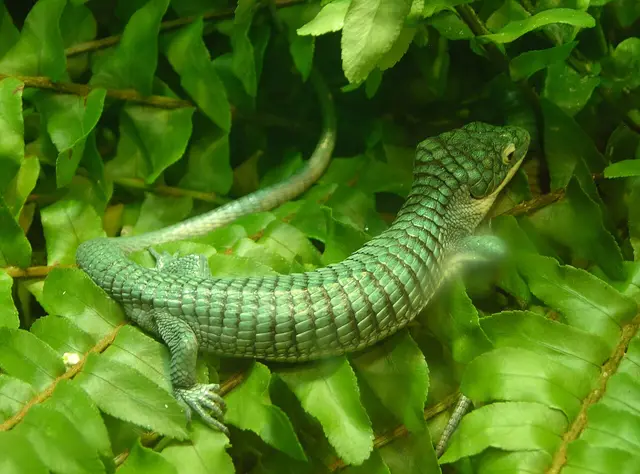
Mexican alligator lizard
 EN
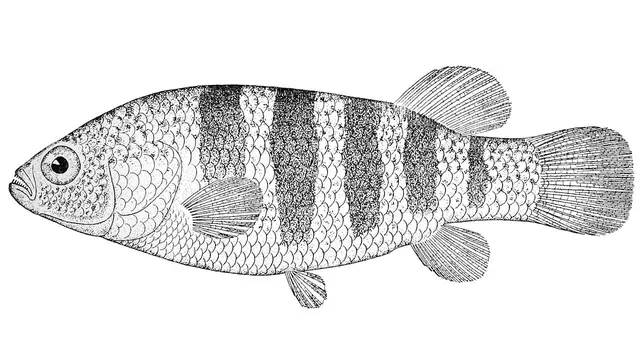
Goodeidae
 EN
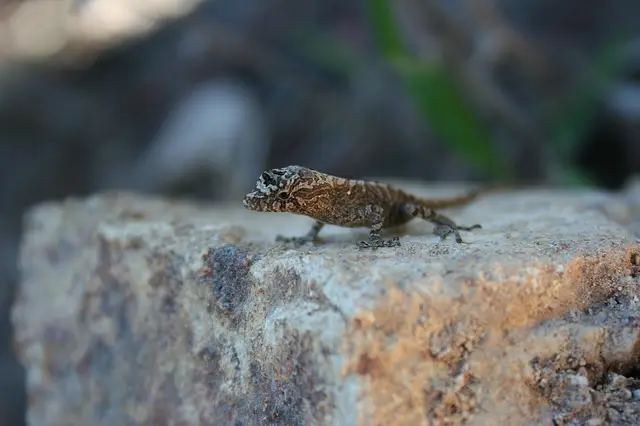
Mouse Anole
 EN
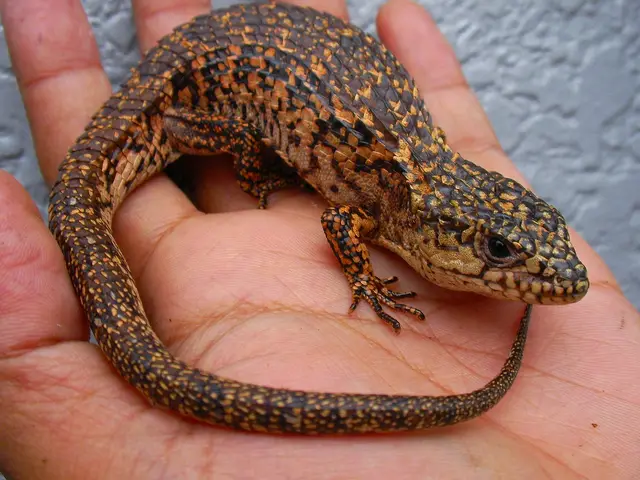
Rough-necked Alligator Lizard
 EN
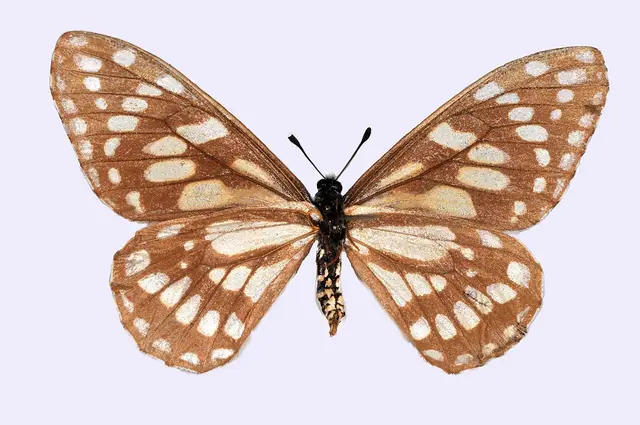
Baronia
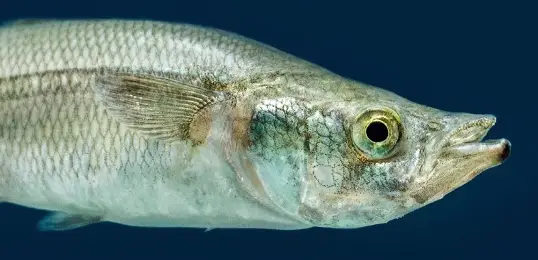 EN
Janitzio
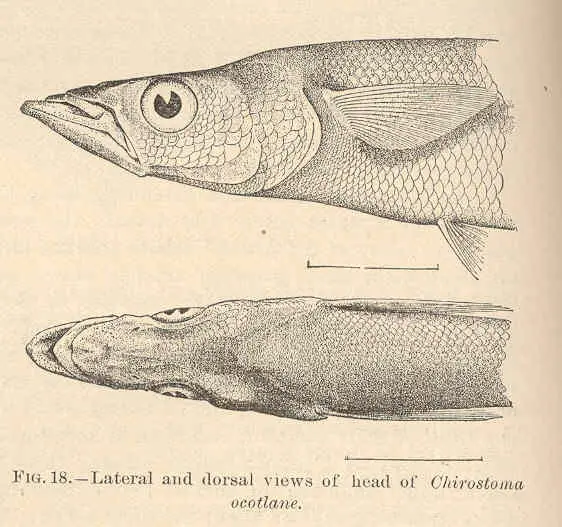 EN
Longjaw Silverside
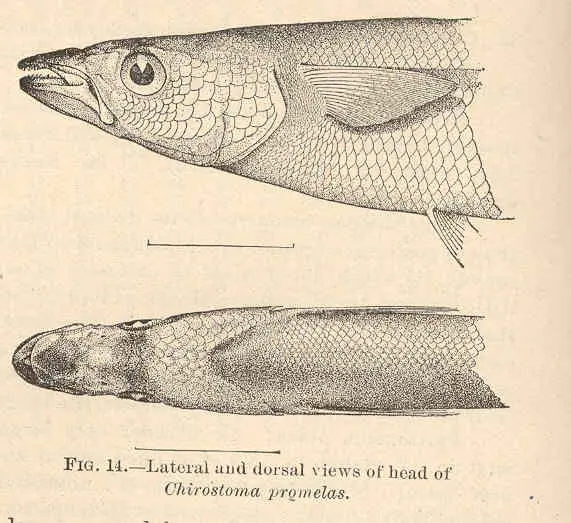 EN
Blacknose Silverside
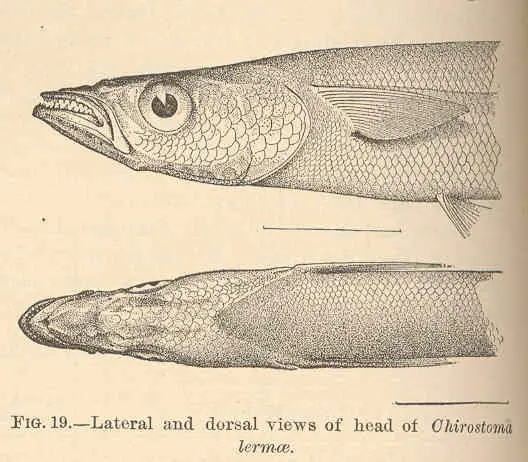 EN
Bigmouth Silverside
Showing the first 24. Total pins: 40.
Quick answers
- Do all these animals live only in Mexico?
- No. A pin means a Wikidata place field resolved here. Official ranges can be wider.
- Is this a government list?
- No. It is a slice of this catalog.