Critically Endangered
Procambarus regiomontanus
Procambarus regiomontanus
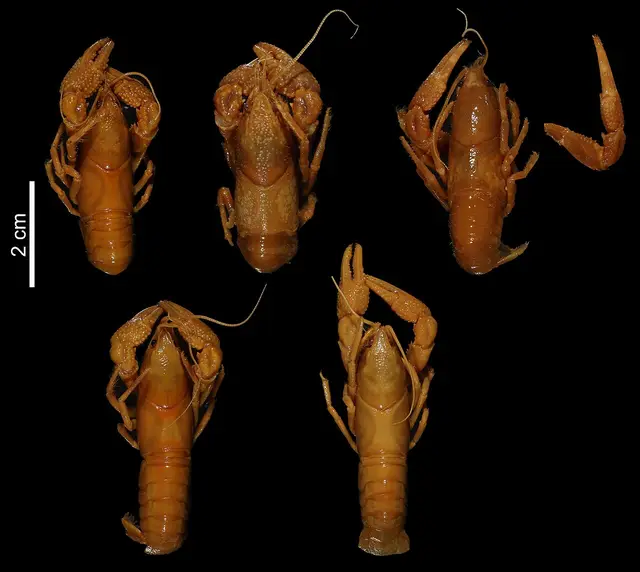
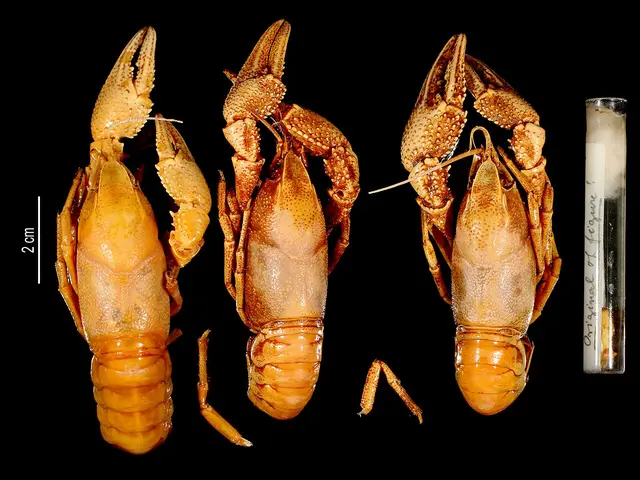
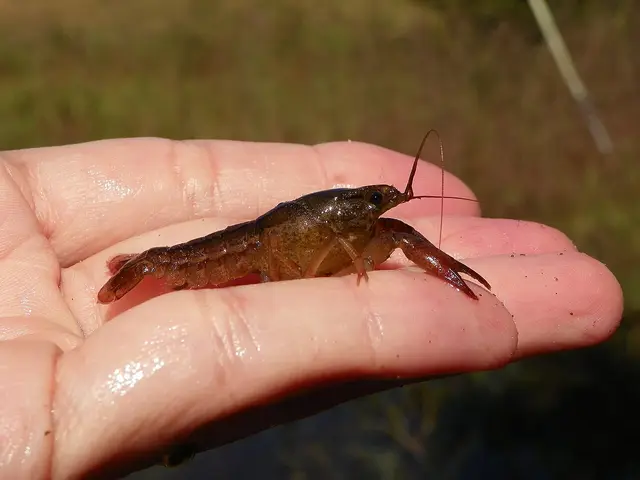
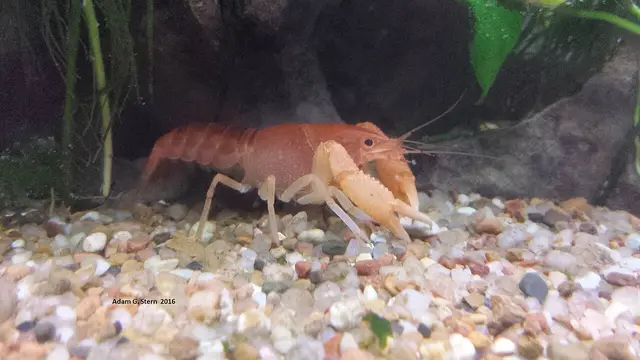
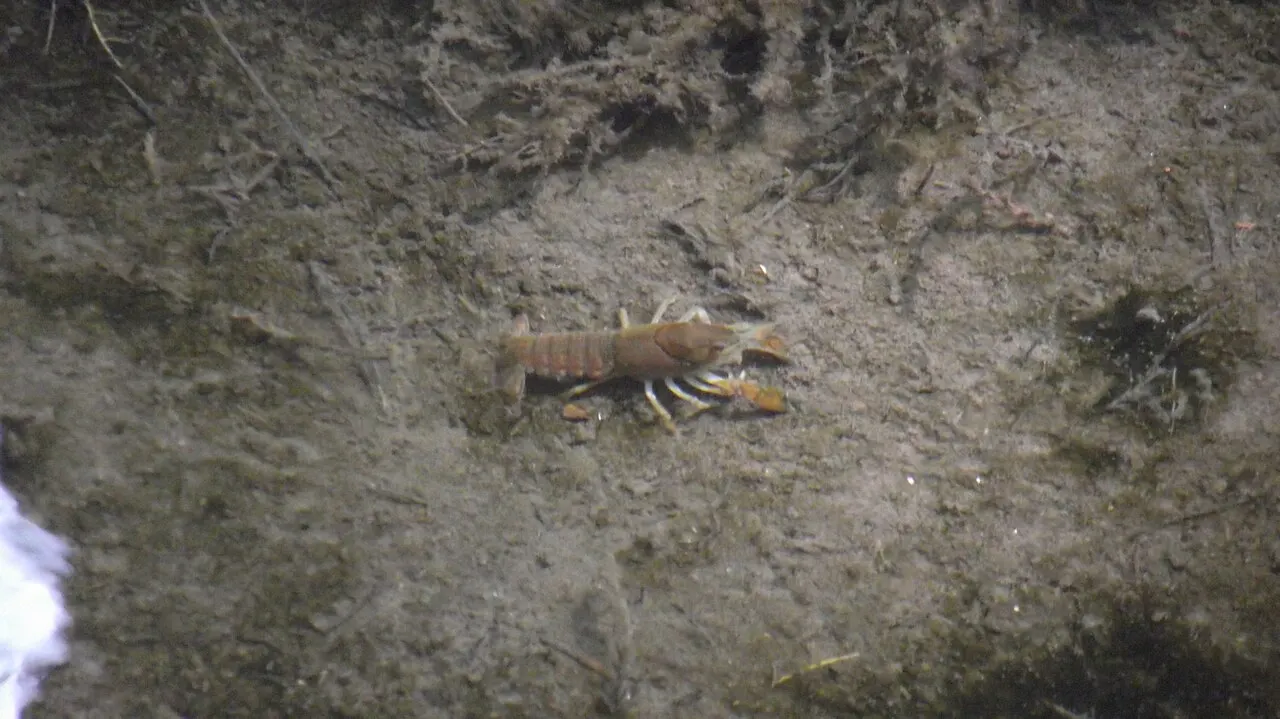
The regio crayfish (Procambarus regiomontanus) is a freshwater crayfish known only from northeastern Mexico, around Monterrey in Nuevo León. The IUCN assessed it as Critically Endangered in 2010, with a decreasing population. Urban growth and an introduced relative, the red swamp crayfish, have been blamed for its decline.
What it is
Procambarus regiomontanus is a crayfish of the family Cambaridae, described by F. Villalobos in 1954. In Mexico it is called the acocil regio. Its type locality, the place where the first specimens came from, is a spring about 5 km north of Monterrey.
Where it lives
A 2014 survey of crustaceans in Cumbres de Monterrey National Park gives its range as central Nuevo León and northern Tamaulipas. Older records from a 1982 thesis covered the municipalities of Monterrey, Guadalupe, Apodaca, Cerralvo, Montemorelos, General Terán, General Bravo, China and Los Ramones.
Later updates narrowed that picture. The 2014 paper lists it only from El Sabinal National Park, from Cerralvo, and from the La Silla River at Parque Canoas in Monterrey and at La Pastora in Guadalupe, all in Nuevo León.
The IUCN assessment names only Nuevo León. It says the species once ranged over roughly 20,000 square kilometres of the state, but is now known from two separate sites, Canoas Park near Monterrey and the spring pool at El Sabinal in Cerralvo, each under a square kilometre. It calls the population severely fragmented.
Pins are Wikidata “endemic to” fields. Orange dots, when present, are GBIF occurrence tiles — survey bias included.
How it lives
It lives in open water, both still and flowing, and builds burrows. The IUCN describes its habitat as small streams and pools, listing permanent freshwater pools and marshes under 8 hectares and permanent rivers and streams.
The sources found say little else about its biology, and nothing on diet, breeding season, size or lifespan.
Why it is in trouble
The IUCN rates it Critically Endangered under criterion B2ab(v). It records continuing decline in the area it occupies and in the number of mature individuals, and names housing and urban areas as a threat, along with competition from an introduced species.
That competitor is the red swamp crayfish (Procambarus clarkii). According to the IUCN, it was brought into central Nuevo León in 1985 in the hope of starting a fishery, spread widely and is thought to have displaced the native crayfish. Surveys in 1992 in Monterrey, Guadalupe and two other towns found that 95 to 100 percent of the crayfish caught were the invader. The IUCN also records a population collapse between 1987 and 1989 and a reported 80 to 90 percent decline over ten years, and attributes the ongoing loss partly to the growth of Monterrey.
The 2014 park study treats the red swamp crayfish as an exotic in central Nuevo León and an important factor in the native crayfish's reduced numbers. It adds that limited natural range, introduced species and habitat alteration are the three pressures that have pushed the regio crayfish toward extinction. At that time it was the only crayfish on Mexico's NOM-059 list of species at risk.
What is being done
The IUCN says there are no conservation measures aimed at this species, though the El Sabinal spring lies inside El Sabinal National Park, and it calls for monitoring of the remaining populations. The 2014 study noted that no academic or government programme existed to protect these freshwater crustaceans, and that they had not been considered in the management of Cumbres de Monterrey National Park.
Sources
Written for this catalog in our own words from the sources below, checked against them on 12 November 2026. Population figures are estimates and carry the year they were made. Status and assessment year: IUCN. 2026. The IUCN Red List of Threatened Species. Version 2026-1. iucnredlist.org.