Endangered
Procambarus bouvieri
Procambarus bouvieri
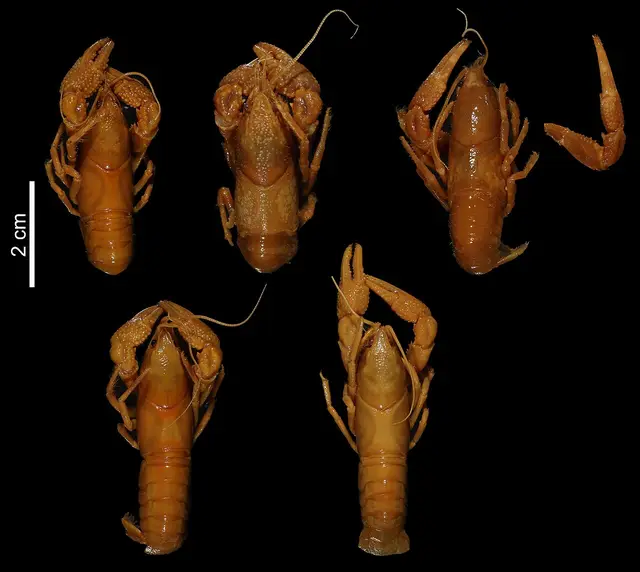
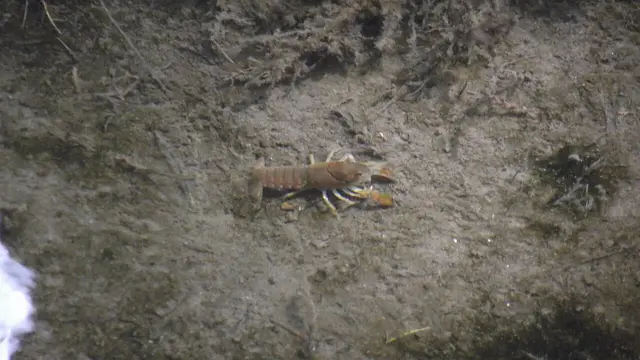
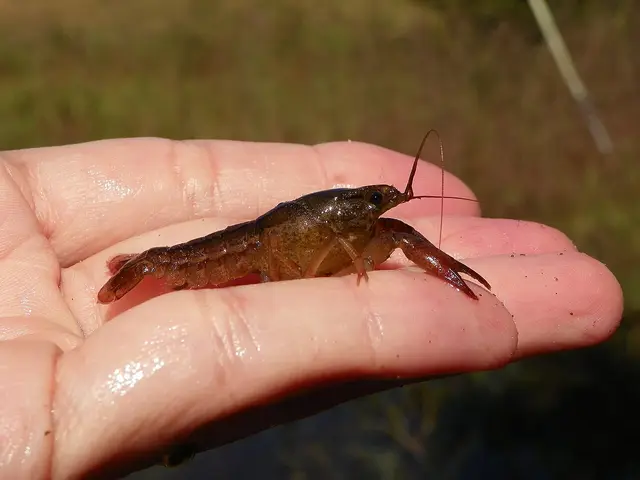
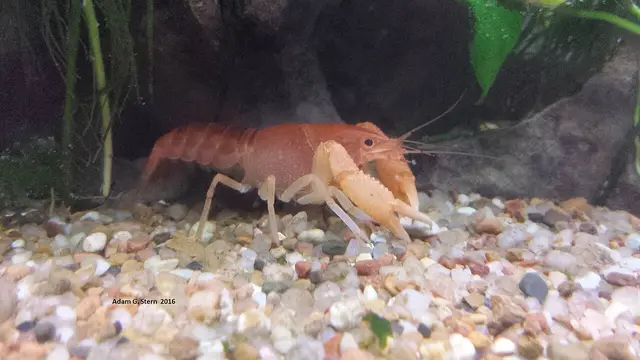
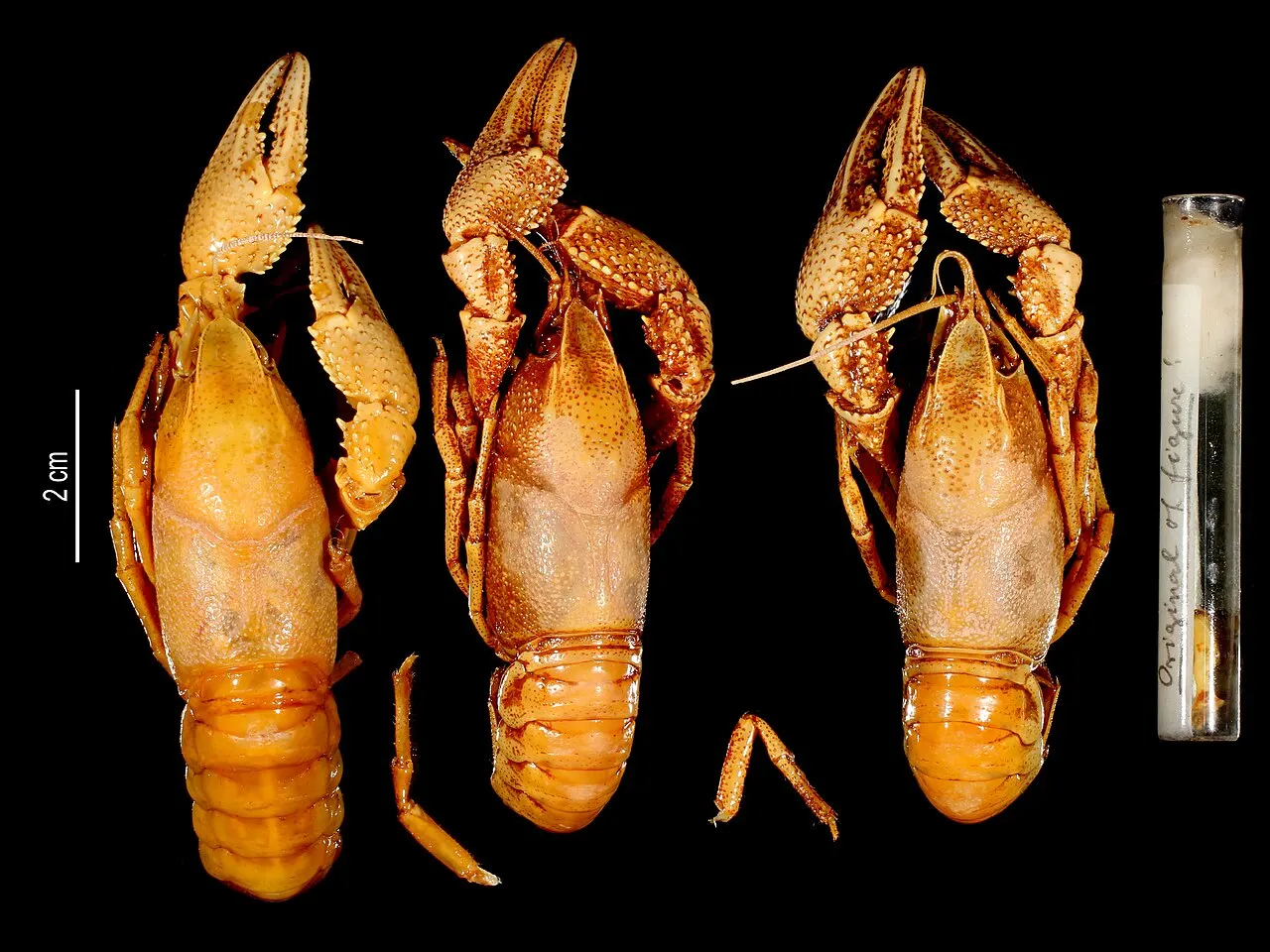
Procambarus bouvieri is a medium-sized freshwater crayfish known only from Michoacán, in western Mexico. It lives in small, slow or still waters and has been recorded in very few places. The IUCN Red List assessed it as Endangered in 2010, and its population is judged to be decreasing.
What kind of crayfish it is
Procambarus bouvieri belongs to the family Cambaridae, the large group of crayfish native to North and Central America. Arnold Ortmann described it in 1909 under the name Cambarus bouvieri, and it was later moved into Procambarus. For a time it was treated as the only member of its own subgenus, Mexicambarus.
Alejandro Villalobos's 1955 monograph on the crayfish of Mexico (translated into English by Horton Hobbs) calls it a crayfish of medium size. The rostrum (the pointed snout) has no side spines, the narrow central strip of the back (the areola) is slim, and the claws are flattened. In males, the first pair of swimmerets ends in a horse-hoof-shaped tip, a feature used to tell crayfish species apart.
Where it lives
The species is endemic to Michoacán. The first specimens came from a small torrential river at Uruapan, collected by M. L. Diguet, and Villalobos also collected it at the Presa del Ahorcado, near Uruapan. He reported it from creeks with slow current or from standing water, and knew it only from Uruapan.
The IUCN counts three locations and puts the extent of occurrence at about 234 square kilometres. Its listed habitats are small freshwater marshes and pools under 8 hectares, both seasonal and permanent. Villalobos considered it closely related to Procambarus digueti, a crayfish of slow or still water near Chapala in Jalisco and at two sites in Michoacán.
Pins are Wikidata “endemic to” fields. Orange dots, when present, are GBIF occurrence tiles — survey bias included.
Why it is in trouble
A range this small leaves little room for error. The Red List rates the population as decreasing and lists dams and interactions with problematic species among the threats. The stresses behind those threats include conversion and degradation of its freshwater habitat, direct mortality, and competition.
The IUCN gives no population estimate, so nobody can say how many individuals remain. The assessment dates from 2010 and rests mainly on the species' tiny known range.
What is being done
The Red List calls for site and area management and for control of invasive or problematic species. It records no species-specific conservation programme for this crayfish, and its Endangered status rests on a small range and a shrinking habitat rather than on any measured count of animals.
Sources
Written for this catalog in our own words from the sources below, checked against them on 12 November 2026. Population figures are estimates and carry the year they were made. Status and assessment year: IUCN. 2026. The IUCN Red List of Threatened Species. Version 2026-1. iucnredlist.org.