Critically Endangered
Procambarus paradoxus
Procambarus paradoxus
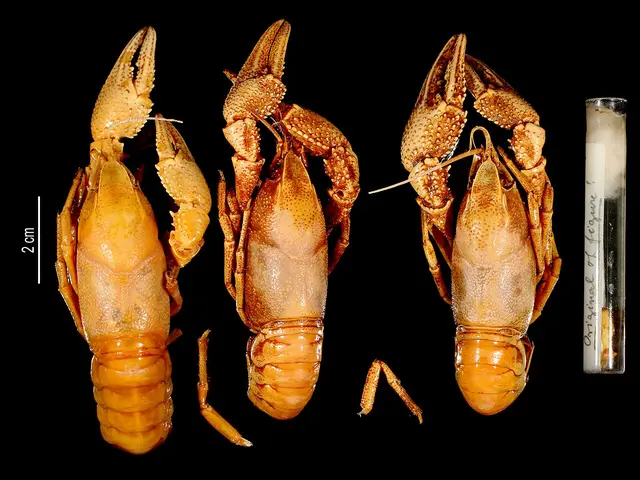
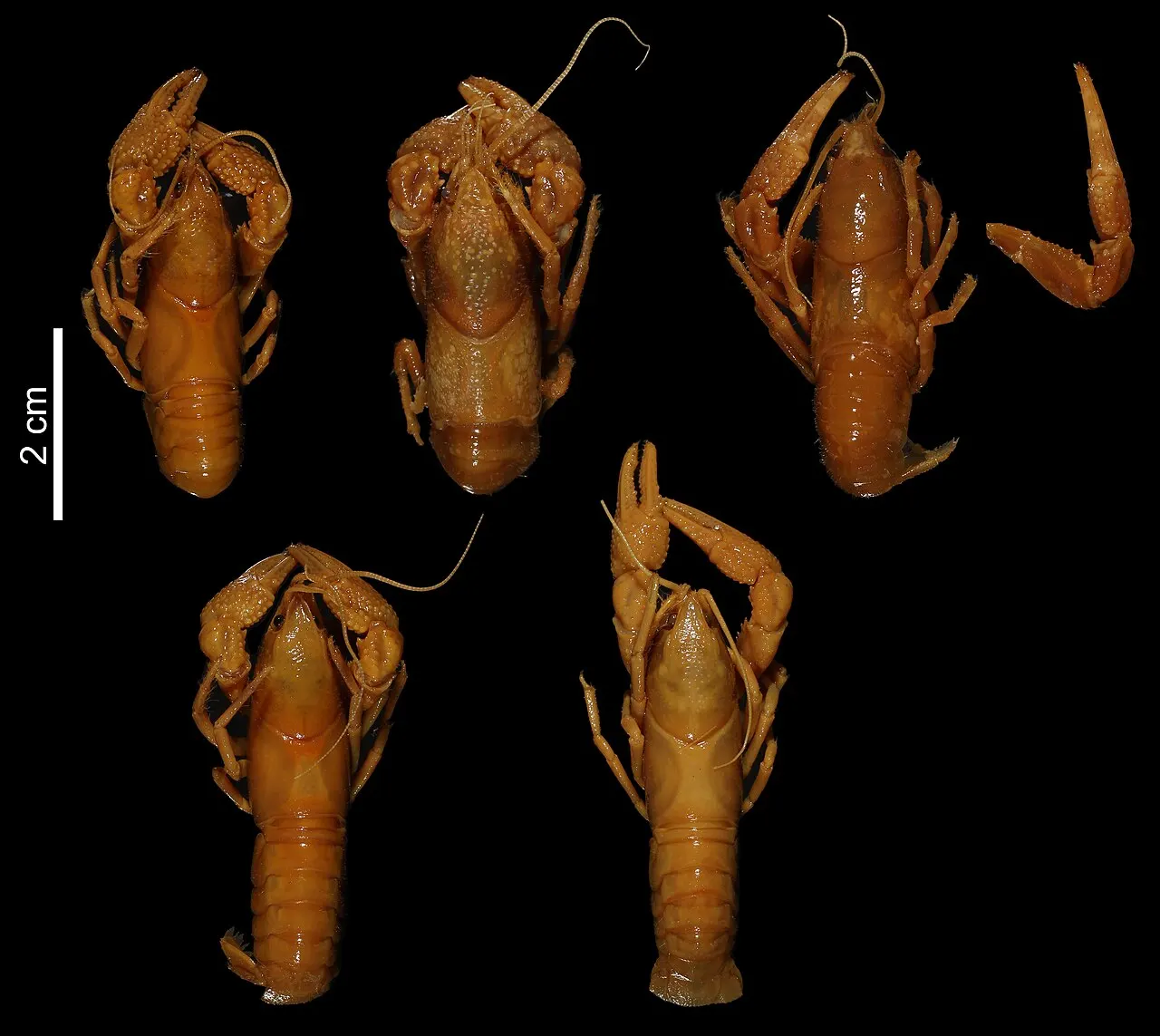
Procambarus paradoxus is a freshwater crayfish known only from the state of Puebla in Mexico. The IUCN's 2010 assessment lists it as Critically Endangered and records it as possibly extinct. Few details of its life are on record, and its population trend is listed as unknown.
A crayfish with a long history and little detail
Arnold Ortmann described this species in 1906 as Cambarus paradoxus. It now sits in the genus Procambarus, in the crayfish family Cambaridae. A 1995 checklist of Mexican crayfishes by Ma. Luisa Fanjul Moles and Theresa Bosques Tistler lists it as Procambarus paradoxus (Ortmann, 1906).
Crayfish are known in Mexico as acocil, a word derived from an Aztec one. The same checklist counts 37 Procambarus species in the country, spread along the eastern and western sides of its mountain ranges, with Puebla and Veracruz holding the most variety.
Where it was found
The checklist gives the locality as Tetela de Ocampo and La Cañada, 35 km north-east of Zacapoaxtla, in Puebla. The IUCN treats the species as endemic to Mexico, with Puebla as the only state on record, and lists its habitat as permanent rivers and streams.
The sources available give no size, colour, diet or breeding details for it.
Pins are Wikidata “endemic to” fields. Orange dots, when present, are GBIF occurrence tiles — survey bias included.
Why it may be gone
The Red List category rests on criterion B1ab(iii), which covers a small range and a decline in habitat quality. The assessors recorded the species as possibly extinct in both Puebla and Mexico as a whole, meaning it may already be gone but loss has not been proven.
Two ongoing threats are listed, both with unknown scope and severity. One is housing and urban areas. The other falls under domestic and urban waste water, with the type unrecorded. The stress on the animal is recorded as ecosystem degradation, and whether the habitat is still shrinking is marked unknown.
What is being done
The assessment lists no conservation actions in place, and the only research it marks as needed is work on population size, distribution and trends. Without surveys of the streams around the original collecting area, the species stays in the Critically Endangered category with no measured counts behind it.
Sources
Written for this catalog in our own words from the sources below, checked against them on 12 November 2026. Population figures are estimates and carry the year they were made. Status and assessment year: IUCN. 2026. The IUCN Red List of Threatened Species. Version 2026-1. iucnredlist.org.