Endangered
Procambarus econfinae
Procambarus econfinae
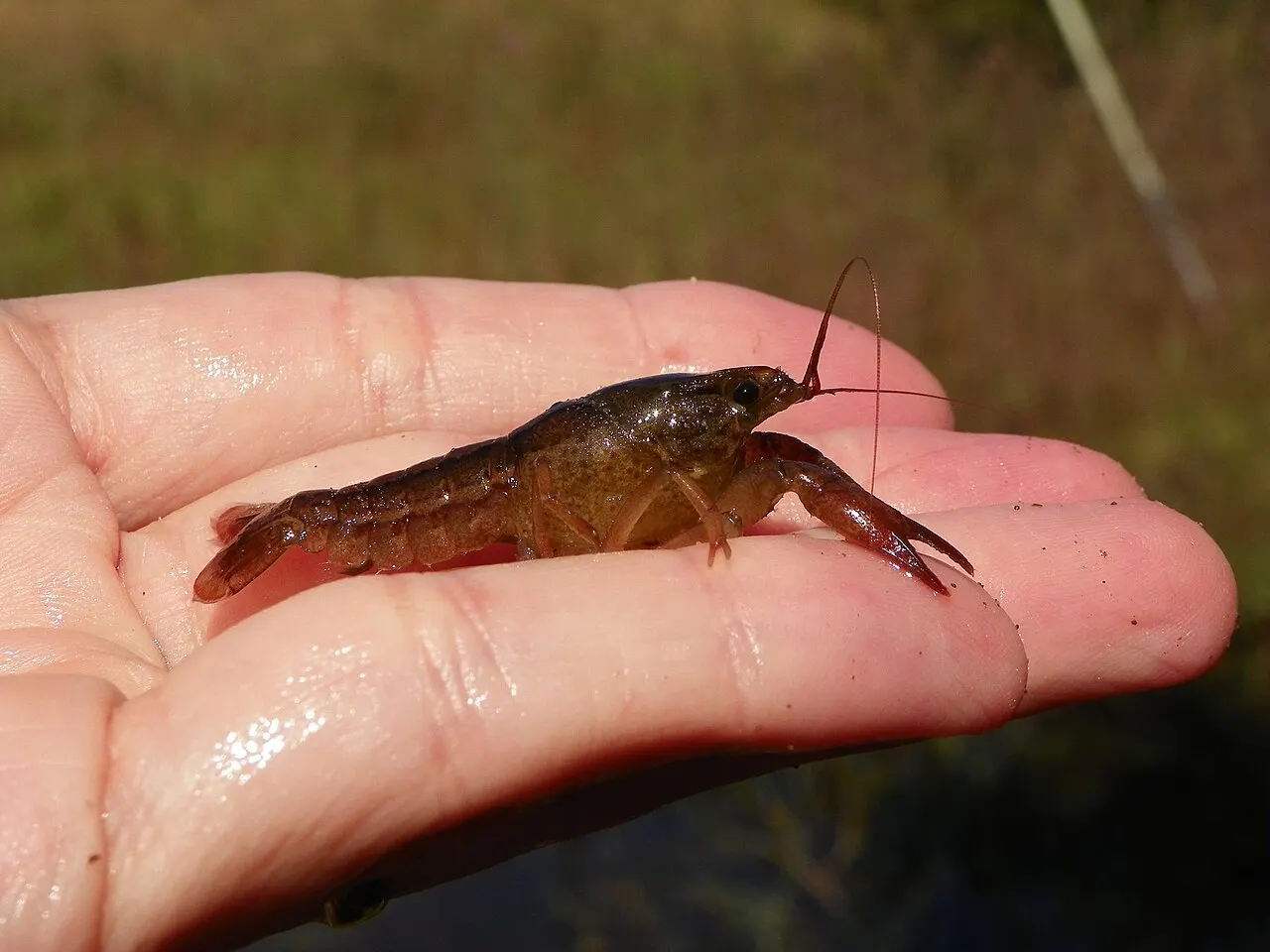
The Panama City crayfish (Procambarus econfinae) is a small, semi-terrestrial crayfish found only in south-central Bay County, Florida, where its historical range covered about 56 square miles around Panama City. The IUCN Red List lists it as Endangered (assessed 2010), mainly because development has erased most of its wet pine flatwoods habitat.
How to recognise it
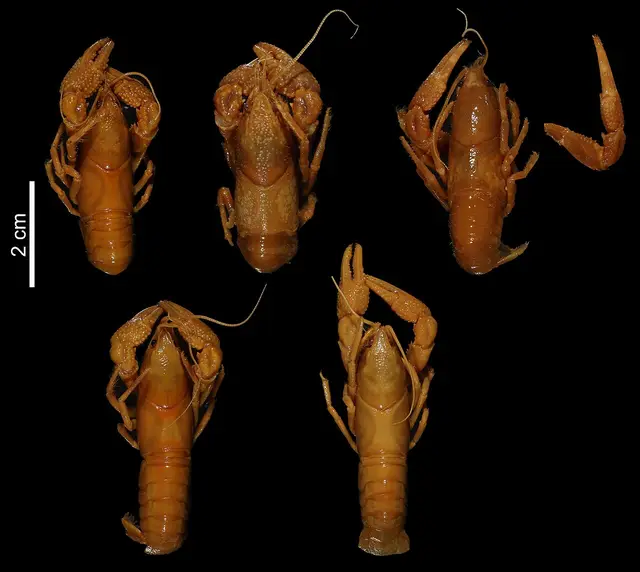
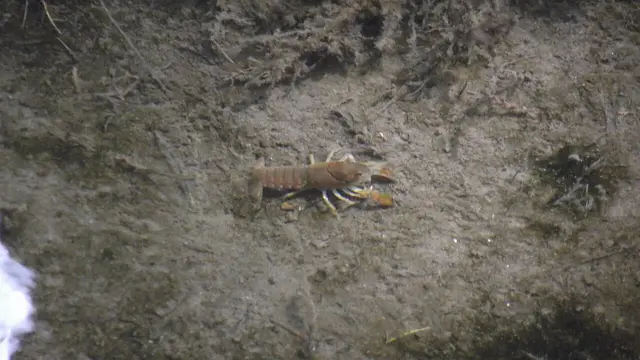
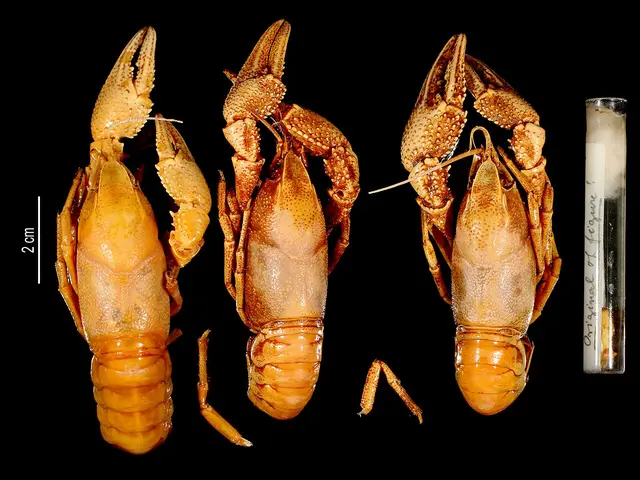
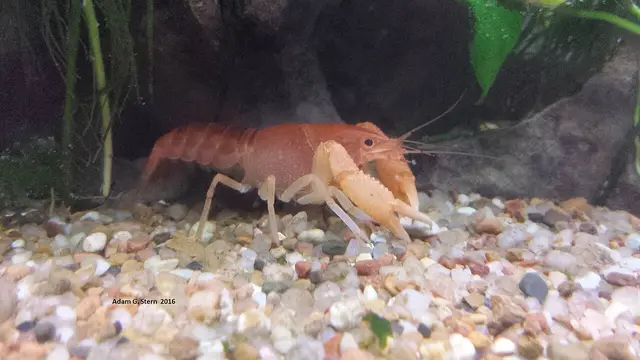
It's a modest animal, about 2 inches (50 mm) long not counting the claws. The body is medium dark brown, marked with lighter and darker brown stripes. Hobbs described the species in 1942.
Where it lives
Its entire range sits in south-central Bay County, in the Florida Panhandle. The historical range covered about 56 square miles. The US Fish and Wildlife Service has described 12 localised populations, 8 in a western group and 4 in an eastern group. The IUCN estimates its extent of occurrence at about 2,500 square kilometres and notes the population is severely fragmented.
It was originally a creature of open pine flatwoods and wet prairie and marsh, where shallow, often temporary freshwater pools form. Most of that ground has since been built on or turned into slash pine plantations. Today the crayfish hangs on in grassy, gently sloping ditches and swales, pine plantations, utility rights-of-way and a few remnant parcels protected by wetland rules or easements.
Pins are Wikidata “endemic to” fields. Orange dots, when present, are GBIF occurrence tiles — survey bias included.
How it lives
This crayfish digs. Its unbranched burrows can run up to about 3 feet (1 metre) and reach down to the water table, which helps it survive dry spells. It prefers places where surface water is under a foot deep. Its feeding habits are poorly known, but it is thought to eat mainly detritus and plants, probably relying on herbaceous vegetation.
Little has been recorded about this species' own life history. Crayfish of its family generally live about 2.5 to 3 years, and many don't become sexually active until late summer or fall. Females may carry 30 to 160 eggs, and females with eggs or young have been found from March through September.
Why it is in trouble
Habitat loss and fragmentation, driven mainly by housing and commercial development, is the main threat, according to both the IUCN and US federal biologists. The Fish and Wildlife Service also pointed to ditch and right-of-way maintenance, farming, grazing, forestry, and bait collecting. Hurricane Michael, which struck Panama City in October 2018, left downed trees and extensive soil rutting and compaction in parts of the range, though early mark-recapture surveys showed no drop in population estimates.
The IUCN also lists groundwater abstraction as a threat. Surveys at three sites produced estimates of 34 to 623 crayfish, at densities of about 3 to 9 per acre.
What is being done
The US Fish and Wildlife Service listed the species as threatened under the Endangered Species Act in a final rule that took effect on February 4, 2022. It came with a tailored rule limiting take, and with critical habitat: eight units covering about 4,138 acres, all in Bay County and all occupied. That was down from about 7,177 acres proposed, after the agency removed roughly 3,039 acres because of permitted developments and updated aerial photos.
The agency's proposed conservation goal is roughly 2,200 acres of permanently protected, managed habitat across at least seven population units.
Sources
Written for this catalog in our own words from the sources below, checked against them on 12 November 2026. Population figures are estimates and carry the year they were made. Status and assessment year: IUCN. 2026. The IUCN Red List of Threatened Species. Version 2026-1. iucnredlist.org.