United States
85 catalog pins
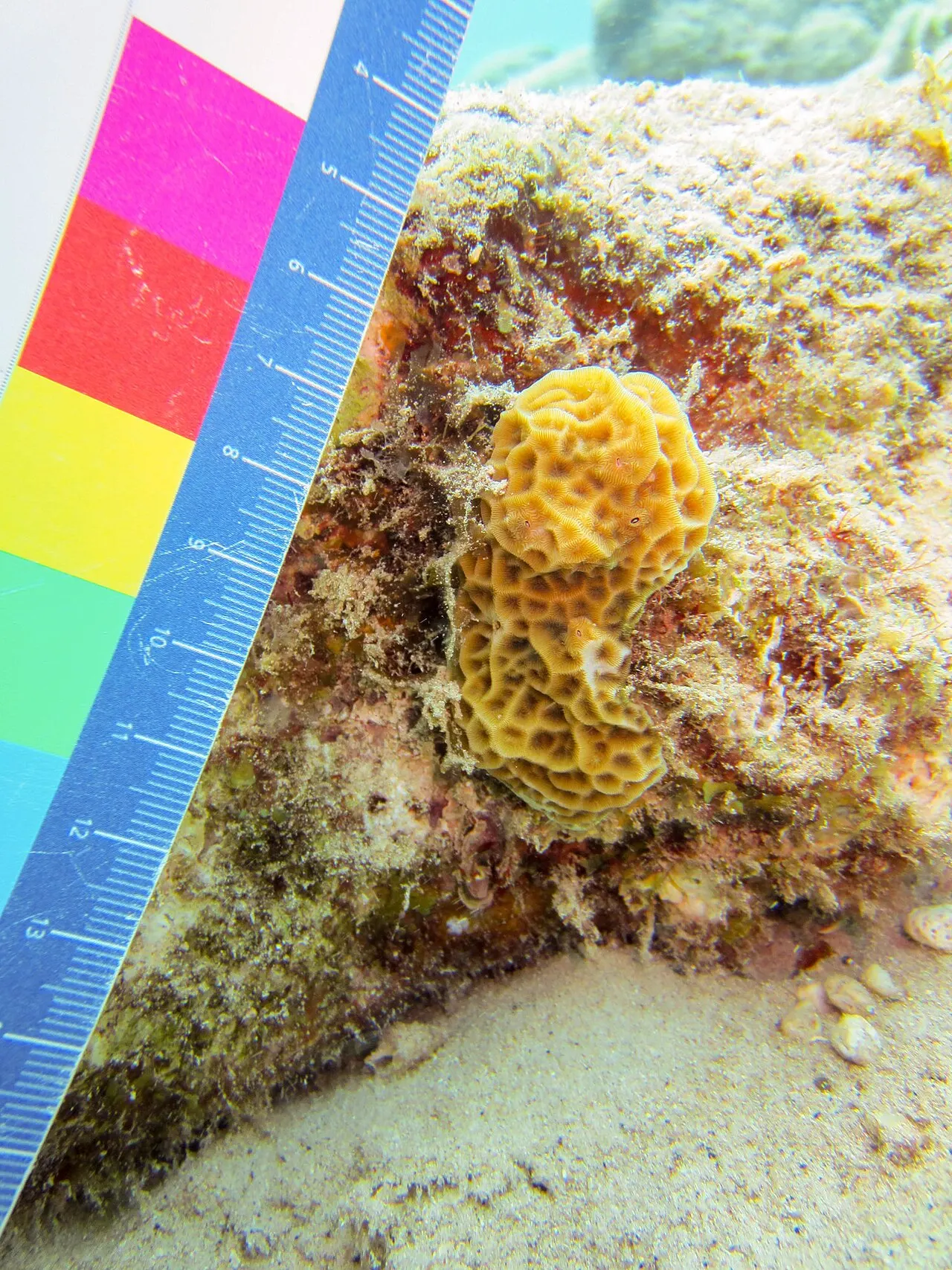
85 animals in this catalog carry a structured country pin for United States. That is a filing fact, not a claim that the crisis is only here.
The photograph is one of those animals: Lowrelief Lettuce Coral. Open a dossier for the text, the status, and the map. Use the world map to jump to another country. Confirm official distributions on the Red List.
The United States covers a huge range of habitats, and its threatened animals are just as varied, from cave-dwelling salamanders in Texas to red wolves in North Carolina and reef corals in warm Atlantic waters.
The country is a Non Party to the Convention on Biological Diversity, so there's no national CBD profile to draw on here. Its main wildlife law is the Endangered Species Act, signed on December 28, 1973.
Where the pressure comes from
Water is a recurring cause. The Texas blind salamander (Eurycea rathbuni) is found in the San Marcos Pool of the Edwards Aquifer in Hays County, Texas. Groundwater pumping, stormwater runoff, chemical spills and drought are all named threats. It was listed as endangered under federal law in March 1967.
For the red wolf, interbreeding with coyotes has long been called the single greatest threat to recovery. Reintroduction began in September 1987 at Alligator River National Wildlife Refuge in North Carolina. The wild population reached as many as 100 to 120 in 2012, then fell sharply, and gunshot was the largest cause of that decline. Recent counts vary: 2023 figures run from about 23 to 25 up to about 35, and a newer estimate (August 2026) is roughly 22 to 23 adults and subadults plus 14 to 15 pups.
Disease hits reef corals in U.S. waters too. Stony coral tissue loss disease was first detected in late 2014 off Virginia Key, Florida, and mortality in affected corals has been reported at 66% to 100%.
What is being done
The Endangered Species Act aims to prevent extinction and bring species back to the point where its protections are no longer needed. As of February 2025, 940 plants and 742 animals were listed as endangered or threatened. Recovery plans follow listing, though the two-year deadline for producing one has sometimes run into long delays.
Captive breeding supports the red wolf. More than 30 facilities take part in its Species Survival Plan, and the captive population is put at roughly 270 animals (2023) to about 295 (the newer figure).
Reading the catalog for the United States
Amphibians are the largest group in the catalog's list here (20 of 85 records), and the family Plethodontidae, the lungless salamanders, leads the families (13). These salamanders have no lungs and breathe through their skin and the lining of the mouth, and with over 500 species the family is the largest of the salamanders. Corals, birds, turtles, mammals, snails and insects follow. The list includes 38 Critically Endangered, 44 Endangered and 3 Extinct in the Wild records.
Sources for this section
- Convention on Biological Diversity, United States profile: US is a Non Party to the Convention
- Endangered Species Act of 1973 (Wikipedia): enactment date, purpose, listed counts as of Feb 2025, recovery plans
- Red wolf (Wikipedia): population by year, 1987 reintroduction, hybridization, captive breeding
- Eurycea rathbuni (Wikipedia): range, threats, 1967 listing
- Plethodontidae (Wikipedia): family size, skin breathing
- Stony coral tissue loss disease (Wikipedia): 2014 first detection off Virginia Key, mortality range
What the catalog records for United States
The catalog has 85 animals with a country pin for United States: 38 Critically Endangered, 44 Endangered and 3 Extinct in the Wild. By GBIF class the largest groups are Amphibia (20), Anthozoa (11), Aves (10), unknown (9). The families with the most records are Plethodontidae (13), Bufonidae (4), Emydidae (4). A pin means a structured source (Wikidata or a GBIF match) places the animal in United States; it does not say the animal lives only there.
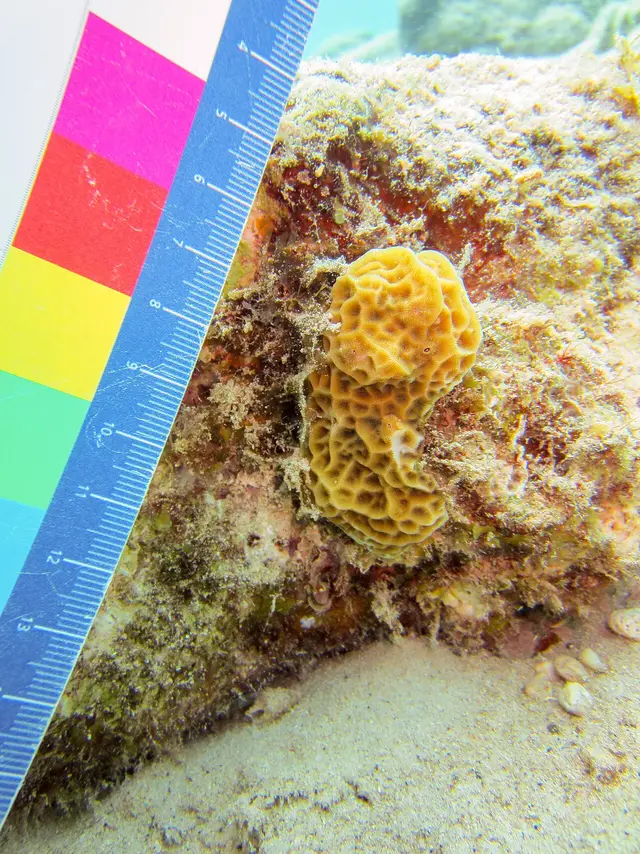 CR
Lowrelief Lettuce Coral
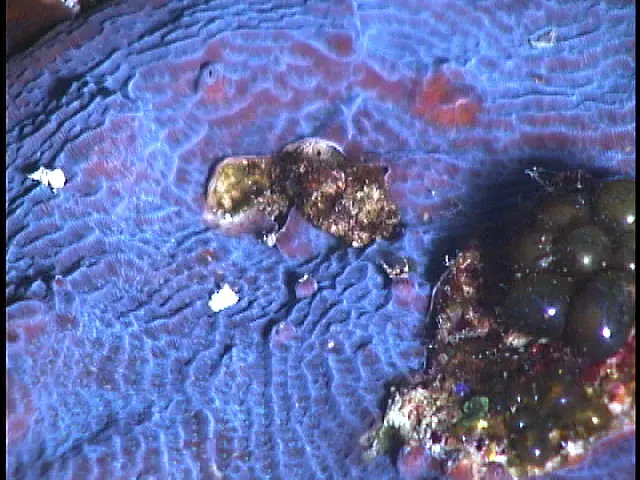 CR
Lamarck's Sheet Coral
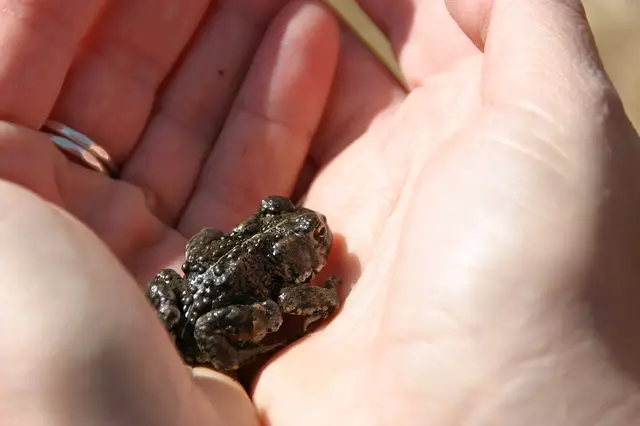 CR
Amargosa toad
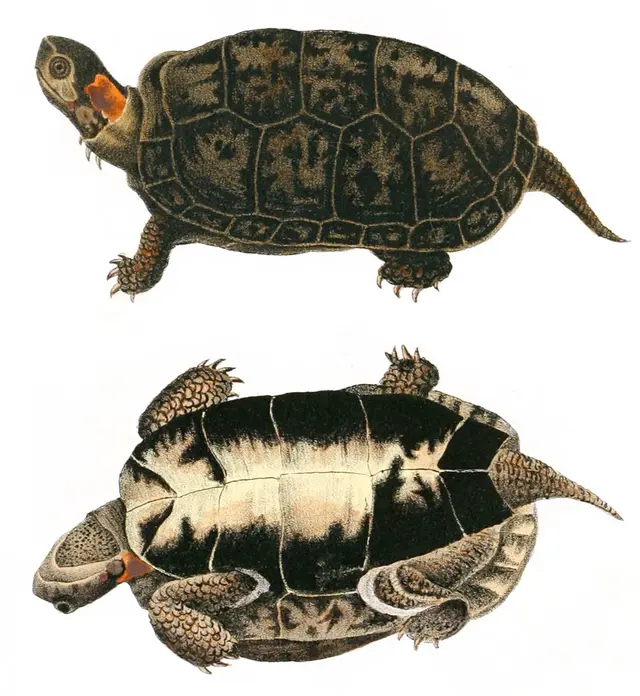 CR
Bog turtle
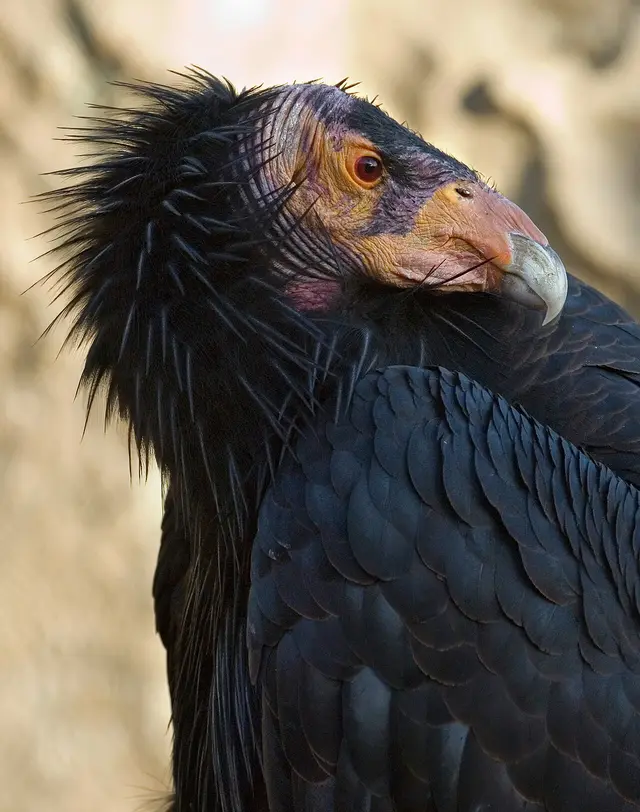 CR
California condor
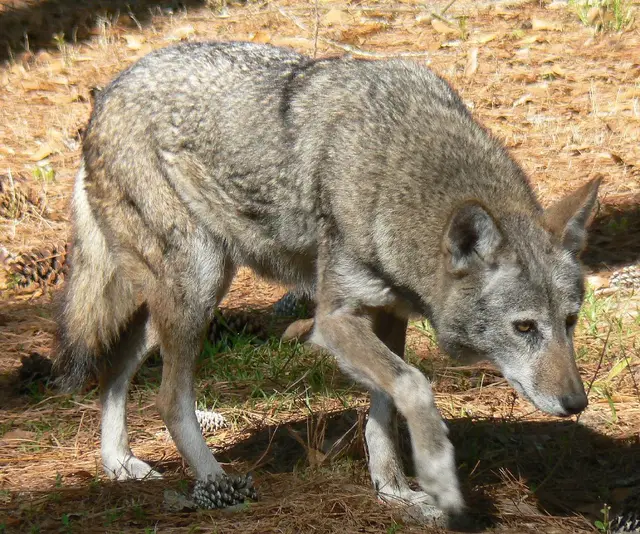 CR
Red wolf
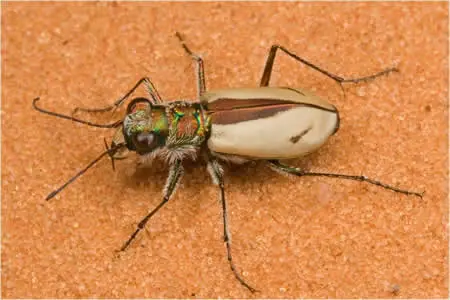 CR
Cicindela albissima
 CR
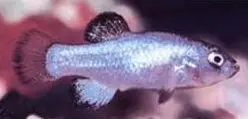
Devils Hole pupfish
 CR
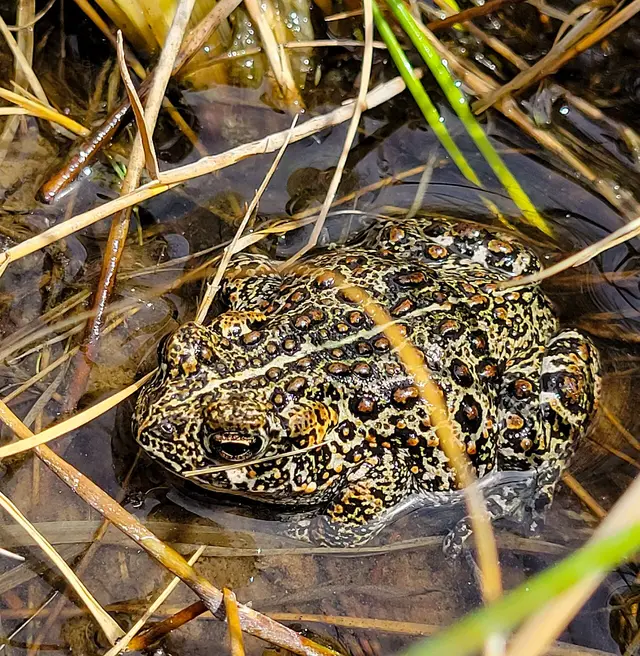
Dixie Valley toad
 CR
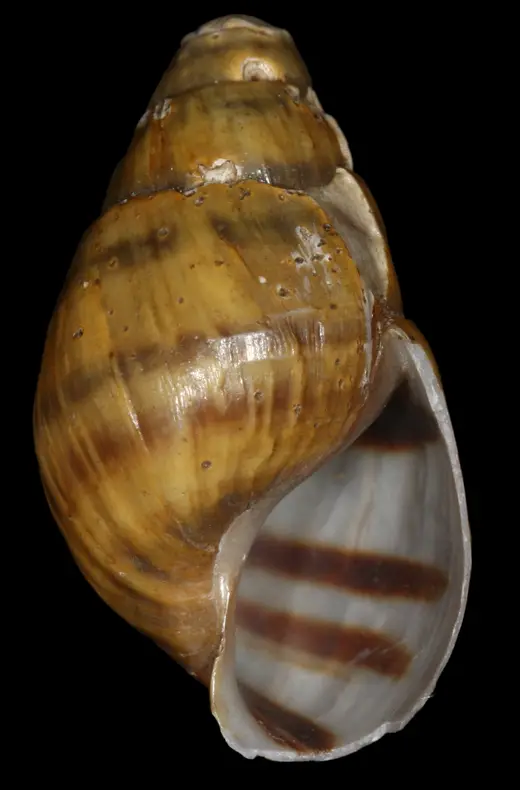
Round Rocksnail
 CR
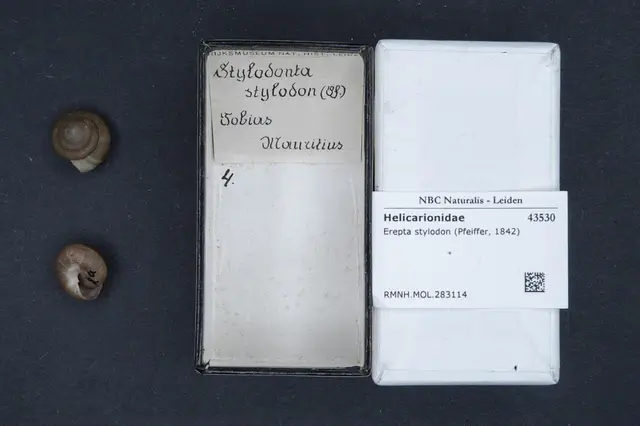
Erepta stylodon
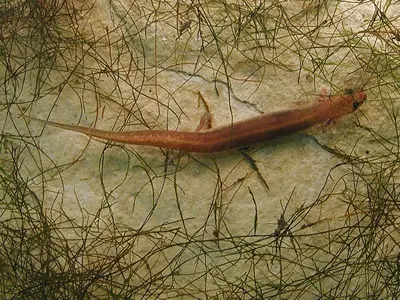 CR
San Marcos salamander
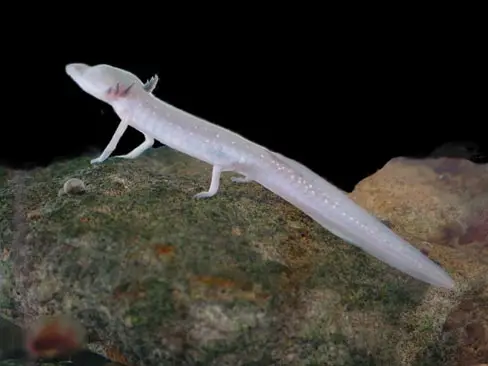 CR
Texas blind salamander
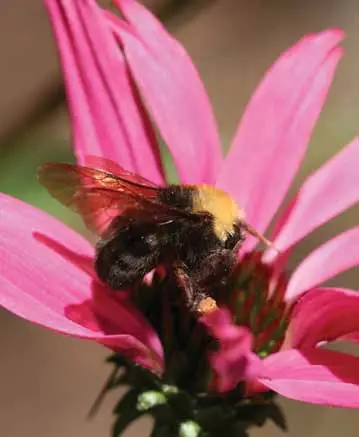 CR
Franklin's bumblebee
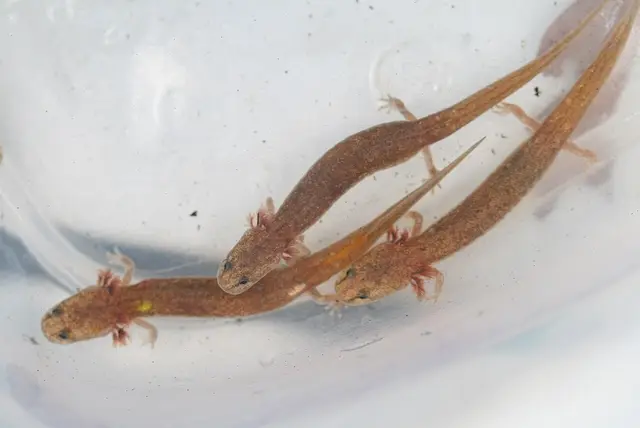 CR
Georgetown salamander
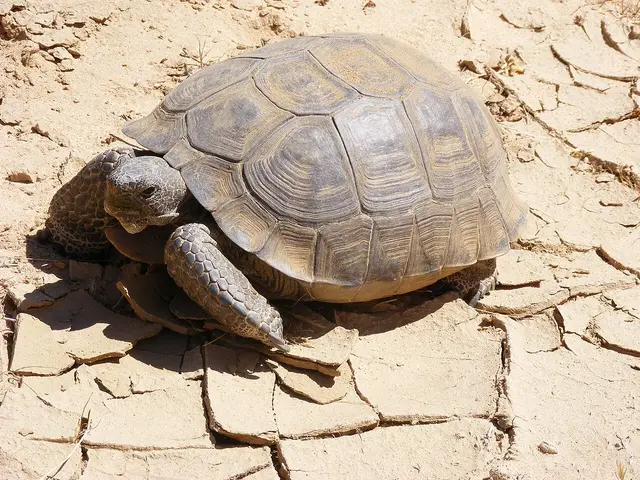 CR
Desert tortoise
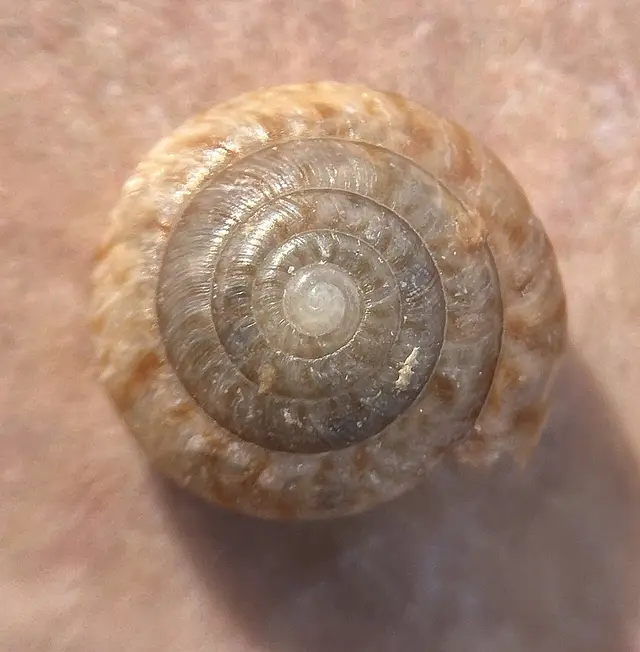 CR
Greater Bermuda land snail
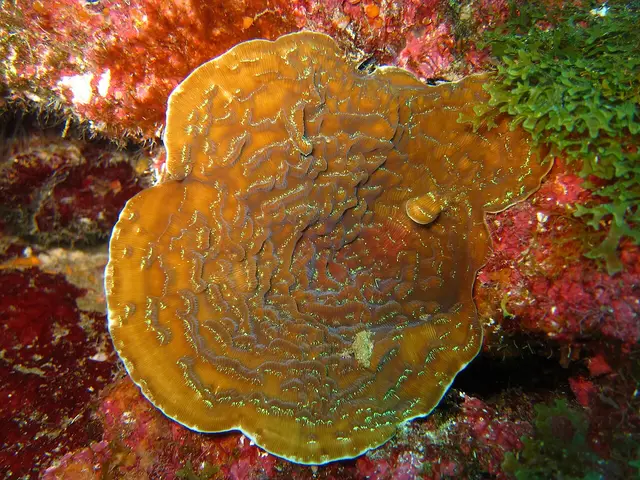 CR
Sunray Lettuce Coral
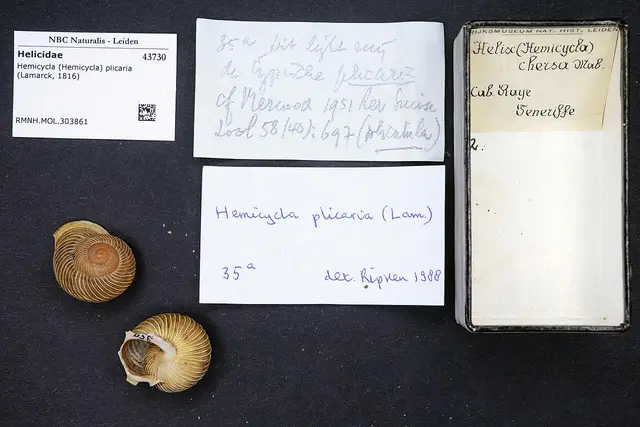 CR
Hemicycla plicaria
 CR
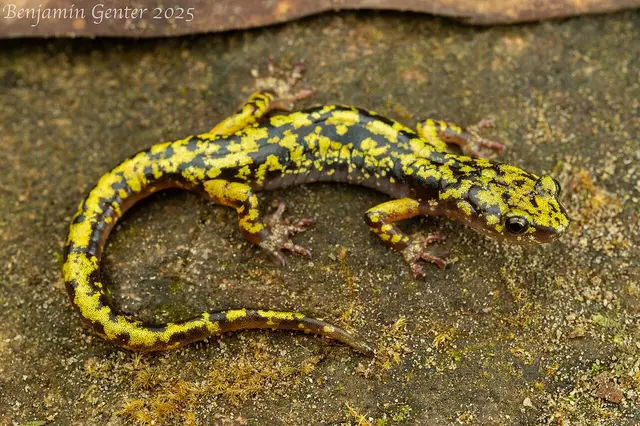
Hickory Nut Gorge green salamander
 CR
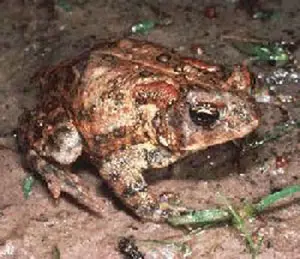
Houston toad
 CR
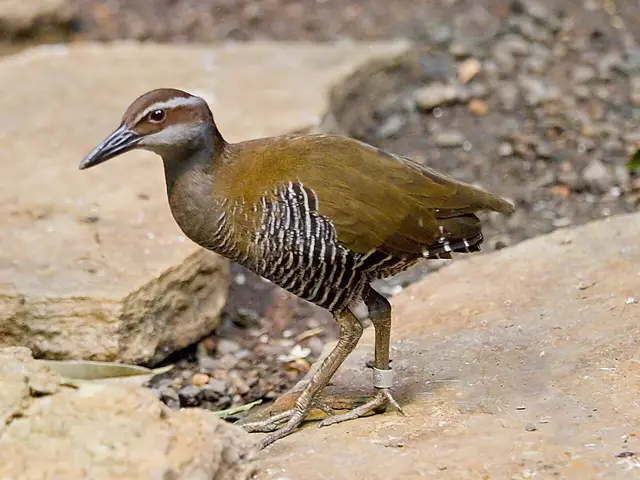
Guam rail
 CR
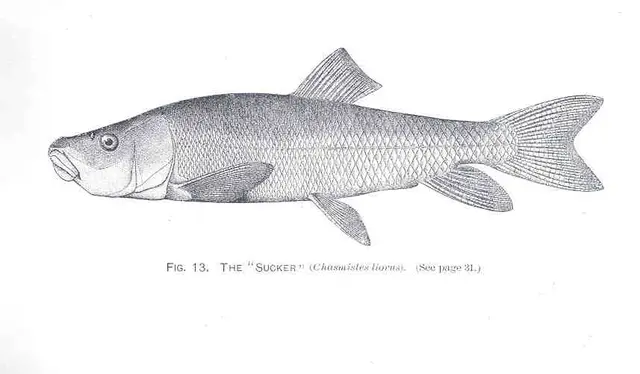
June sucker
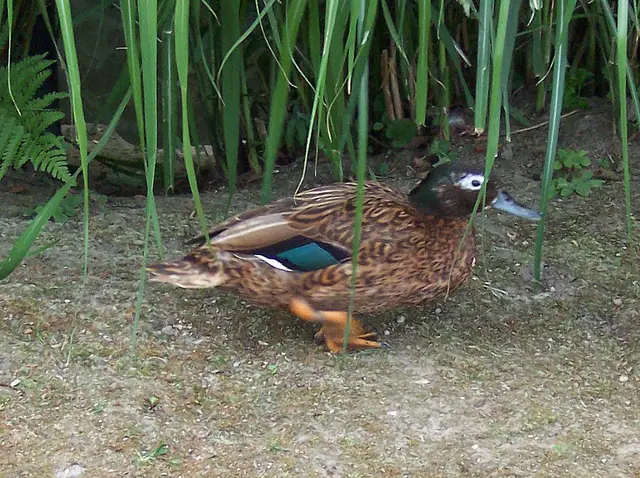 CR
Laysan Duck
Showing the first 24. Total pins: 86.
Quick answers
- Do all these animals live only in United States?
- No. A pin means a Wikidata place field resolved here. Official ranges can be wider.
- Is this a government list?
- No. It is a slice of this catalog.