Endangered
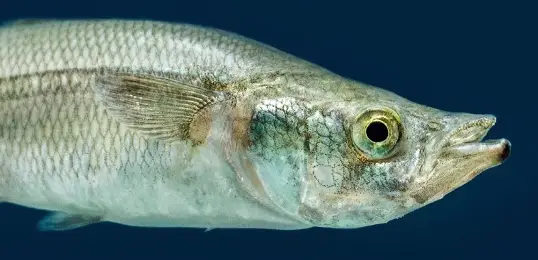
Longjaw Silverside
Chirostoma lucius
The longjaw silverside (Chirostoma lucius) is a freshwater fish from the high lakes of western Mexico, recorded in Jalisco and Michoacan. It belongs to the pescados blancos, fish long caught for food. The IUCN lists it as Endangered (2019 assessment).
Where it lives
The species was first described by George Boulenger in 1900 from material collected in Lake Chapala. The IUCN records it from the states of Jalisco and Michoacan, in permanent freshwater lakes, at roughly 1,500 to 2,035 m above sea level, and counts 3 to 5 locations.
Its Spanish common name is charal de la laguna. GBIF holds about 124 occurrence records, all from Mexico.
Pins are Wikidata “endemic to” fields. Orange dots, when present, are GBIF occurrence tiles — survey bias included.
Why it is in trouble
The IUCN records a decreasing population and an ongoing decline in the area it occupies, and estimates a past reduction of about 97%, linked to habitat decline and harvest. The threats it lists are harvest for food, both large-scale (a past pressure judged likely to return) and small-scale, plus sewage and pressure from other species.
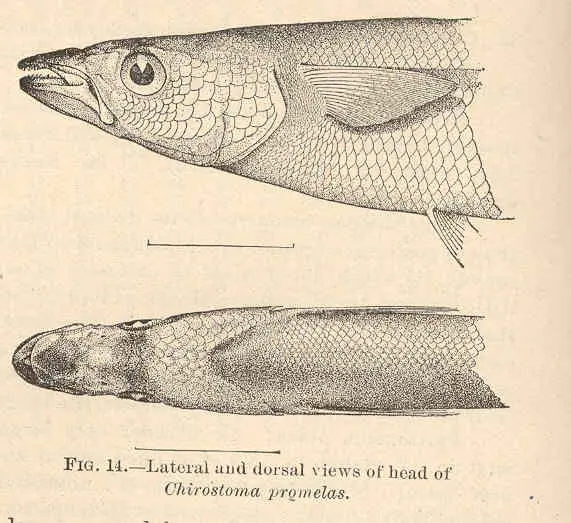
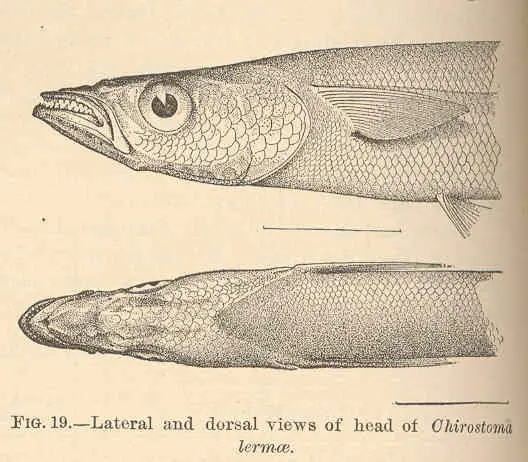
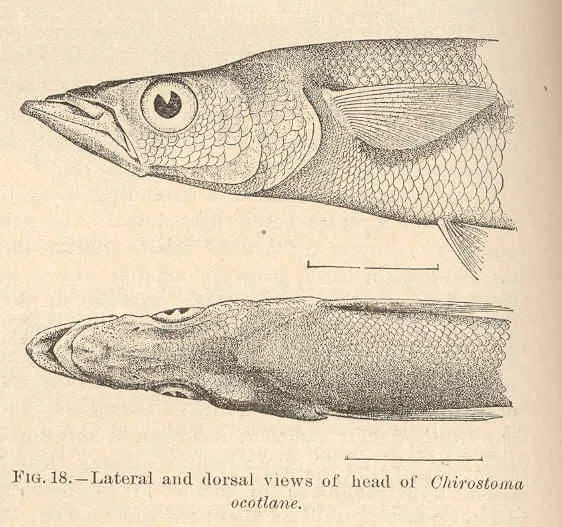
Pescados blancos have been harvested since before the Spanish conquest. A 2020 IUCN report on Mexican freshwater fishes assessed 536 species and found 39% threatened with extinction. It rated the longjaw, bigmouth and blacknose silversides as Endangered and warned that their continued decline is likely to result in fishery collapse. It named loss of free-flowing rivers, over-extraction of water, farm and urban runoff and invasive alien species as the wider causes.
A species with a disputed name
Not every reference treats it as a separate species. The California Academy of Sciences fish catalog lists Chirostoma lucius as a synonym of Chirostoma chapalae (Jordan and Snyder, 1899), while GBIF and the IUCN accept it as valid. The IUCN assessment covers C. lucius under its own name, so the Red List status above applies to that name.
What is being done
The IUCN reports that a harvest management plan is in place. It lists no protected area, no species recovery plan, no monitoring scheme and no invasive species control programme.
Sources
Written for this catalog in our own words from the sources below, checked against them on 12 November 2026. Population figures are estimates and carry the year they were made. Status and assessment year: IUCN. 2026. The IUCN Red List of Threatened Species. Version 2026-1. iucnredlist.org.