Endangered
Janitzio
Chirostoma estor
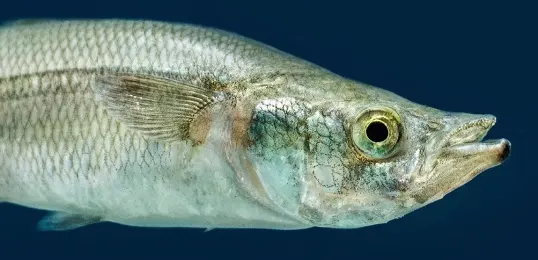
The pike silverside (Chirostoma estor), known locally as pescado blanco, is a large silvery freshwater fish from the highlands of Michoacán in central Mexico, centred on Lake Pátzcuaro. The IUCN Red List rated it Endangered in 2019. Heavy fishing and a polluted lake have driven a steep drop in numbers.
How to recognise it
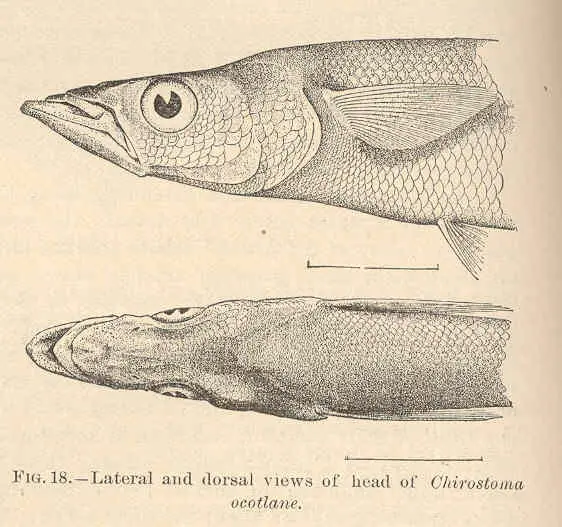
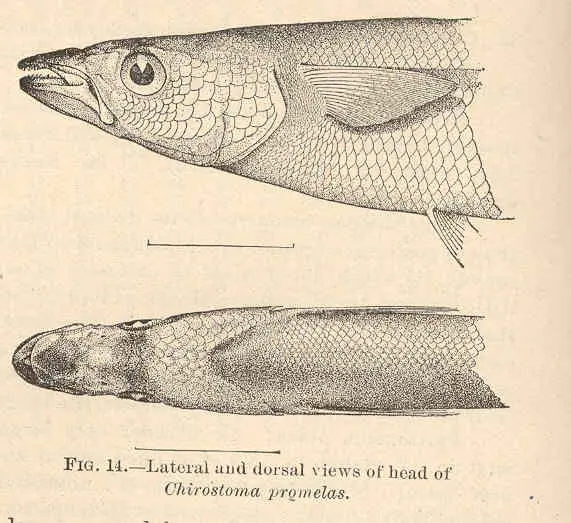
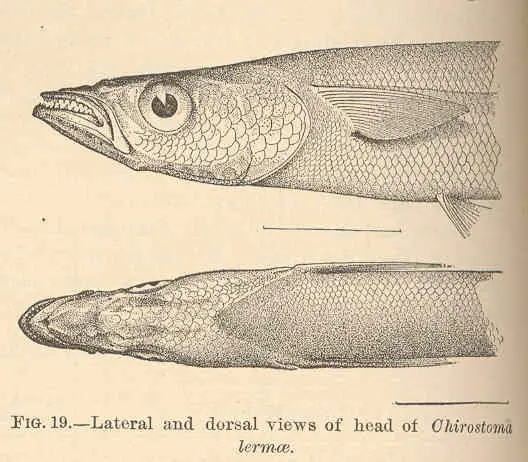
This is one of the biggest silversides in Mexico. It carries a silver band along each side and can reach about 40 cm and 500 g, with a published maximum of 42 cm. It belongs to the silverside family (Atherinopsidae) and to the genus Chirostoma. Some papers write the Pátzcuaro form as Chirostoma estor estor.
Where it lives
The IUCN gives its range as Michoacán, with a very small area of occupancy of about 80 square kilometres, in just two to five locations, at roughly 2,036 to 2,090 m above sea level. It lives in permanent freshwater lakes. Descriptions of its natural range differ: some give Lake Pátzcuaro alone, while FishBase gives the wider Lerma River basin.
It reportedly prefers slow, moderately warm water and tolerates some cloudiness and hard water.
Pins are Wikidata “endemic to” fields. Orange dots, when present, are GBIF occurrence tiles — survey bias included.
How it lives
Mouth structure points to a plankton feeder, and the gut seems to lack a true stomach. Spawning reportedly runs from about March to May over rocky shores with filamentous algae, where the water is clear, oxygenated and gently moving. A mid-sized female lays roughly 15,000 to 20,000 small eggs, and the adults give no parental care.
It is an important food fish, and some families around the lake are reported to depend almost entirely on catching it.
Why it is in trouble
The IUCN estimates the population fell by about 97% in the past, and says the decline continues. Fishing, both large-scale and small-scale, is a major threat. It is reported to be intensive and poorly selective, and juveniles are often caught because they are mistaken for charal, a different small fish, so every life stage is hit.
The lake itself is also degraded. The IUCN lists nutrient loads, soil erosion and sediment, pesticides and herbicides, sewage and run-off as ongoing threats, and an unspecified problem species.
Demand in local and regional markets is high, while the lake it depends on has worsened.
What is being done
The 2019 assessment records a species recovery plan, a harvest management plan, a regional management plan and at least one protected area in place. It lists habitat restoration, site protection, control of problem species and captive breeding as needed actions, and records no ex situ programme as part of conservation at that time. Hatchery culture of Pátzcuaro's pescado blanco has been developed, with larvae first fed on rotifers and brine shrimp. The wild population is still falling.
Sources
Written for this catalog in our own words from the sources below, checked against them on 12 November 2026. Population figures are estimates and carry the year they were made. Status and assessment year: IUCN. 2026. The IUCN Red List of Threatened Species. Version 2026-1. iucnredlist.org.