Endangered
Mouse Anole
Anolis sminthus
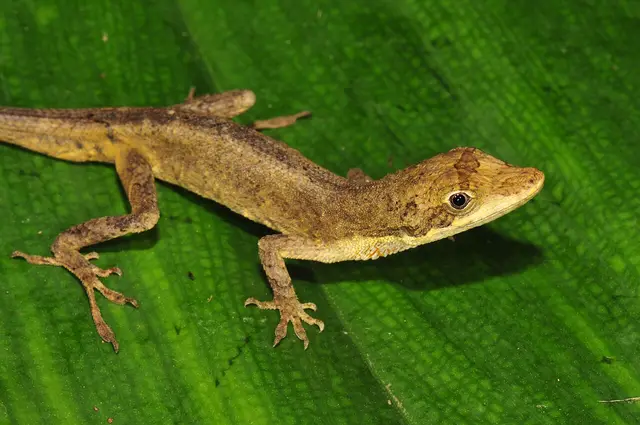
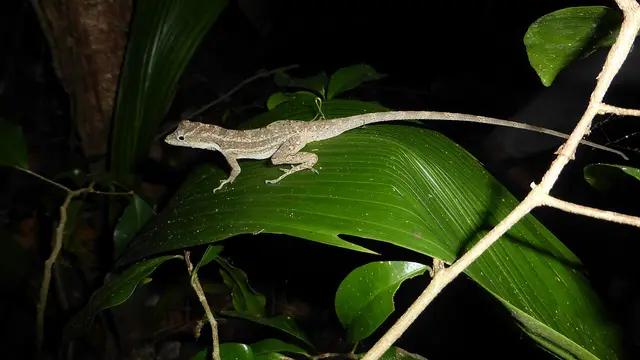
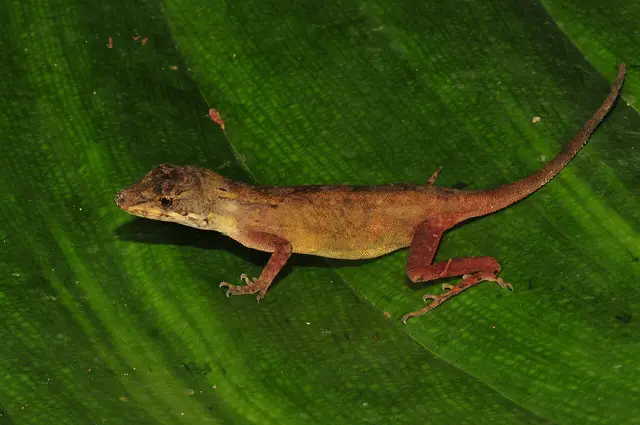
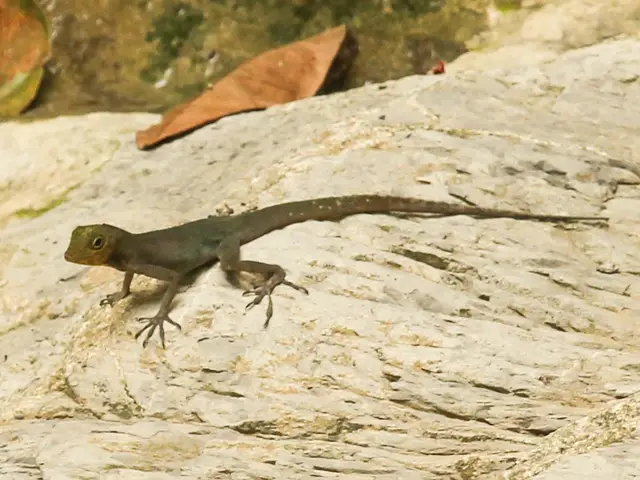
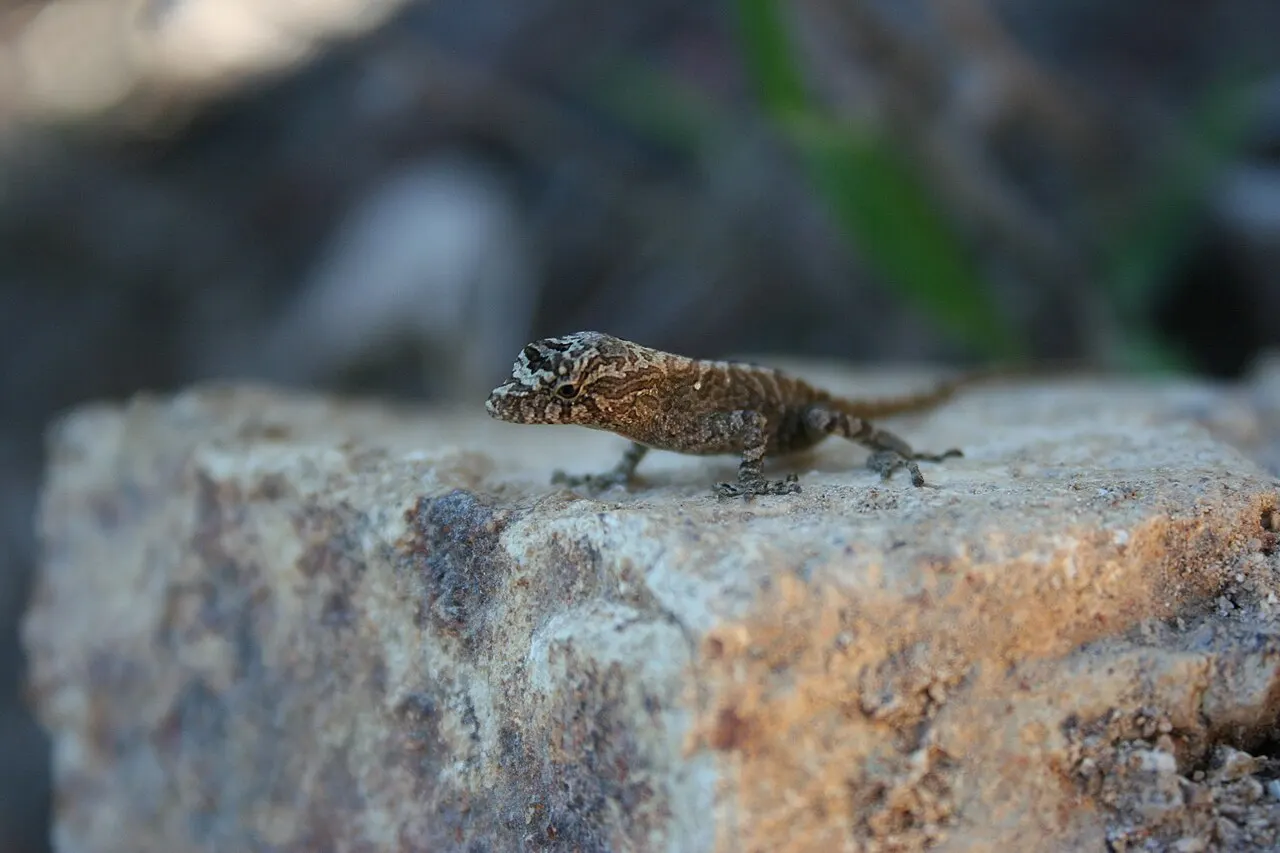
The mouse anole (Anolis sminthus) is a small lizard described from the highlands of Honduras. The IUCN Red List rated it Endangered in 2020 and counts only two locations for it. It lives in cool montane forest, shrubland and grassland, and the IUCN records a declining population as farmland spreads.
A small lizard with a mouse name
Dunn and Emlen described the species in 1932. The type locality is San Juancito in Honduras, at about 2,100 m. A paratype in Harvard's Museum of Comparative Zoology carries the label 'San Juancito, 6,400-7,000 ft' (roughly 1,950 to 2,130 m) and was collected in 1930, in the department of Francisco Morazan.
The scientific name comes from the Greek word for mouse. Dunn and Emlen reportedly noted that the animal gets about by hops. It belongs to the large group of anoles, appears in older literature under the genus name Norops, and lays eggs. Little else about its appearance or daily habits is available in print.
Where it lives
The IUCN lists Honduras as the only country in the species' range and puts the elevation between 1,500 and 2,400 m. The habitats it records are subtropical or tropical moist montane forest, temperate forest, and high altitude shrubland and grassland.
Other references differ. The Reptile Database gives Honduras and El Salvador at 1,450 to 2,200 m. Some listings also name Nicaragua, but the Reptile Database cites a 2023 checklist reporting that the lizard does not occur there.
The IUCN says the species is not migratory, occurs in at least one protected area, and is not severely fragmented.
Pins are Wikidata “endemic to” fields. Orange dots, when present, are GBIF occurrence tiles — survey bias included.
A species still being sorted out
Anole classification in Central America has been shifting. Anolis heteropholidotus was treated as a synonym of the mouse anole in 1971 and as a possible subspecies in 1984, and a 2017 study by Hofmann and Townsend confirmed it as a valid species.
The same study found that an A. sminthus sample from Olancho, Honduras, widely used in earlier work, matched an undescribed lineage instead. Which highland populations count as the true mouse anole is therefore uncertain.
Why it is in trouble
The IUCN lists small-holder farming as an ongoing threat, which converts highland vegetation to fields, along with problematic native species or diseases. It rates the population as decreasing, with a continuing decline in the area the species occupies. The assessment counts just two locations, which leaves a narrow margin for habitat loss.
The IUCN lists no species-specific conservation actions. The only protection it records is that the species occurs in at least one protected area.
Sources
Written for this catalog in our own words from the sources below, checked against them on 12 November 2026. Population figures are estimates and carry the year they were made. Status and assessment year: IUCN. 2026. The IUCN Red List of Threatened Species. Version 2026-1. iucnredlist.org.