Critically Endangered
Cusuco Anole
Anolis cusuco
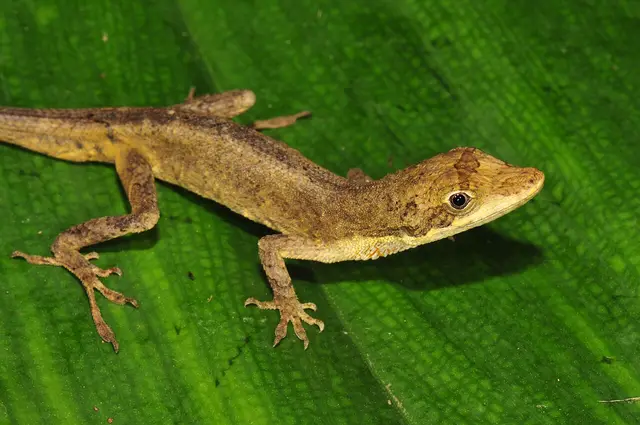
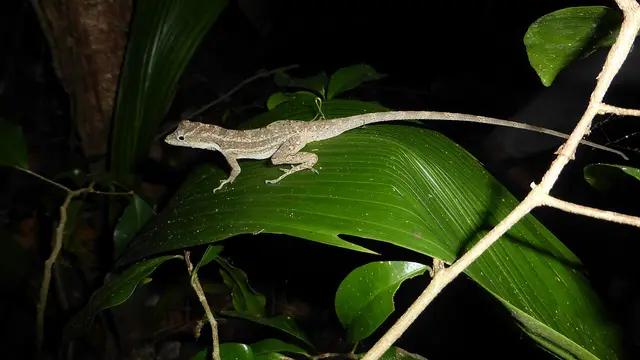
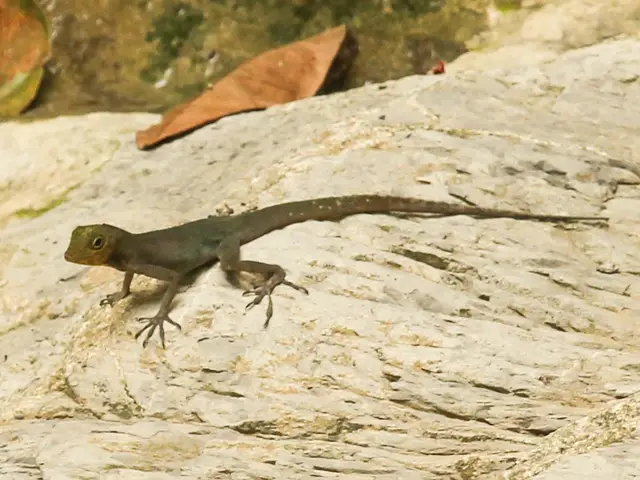
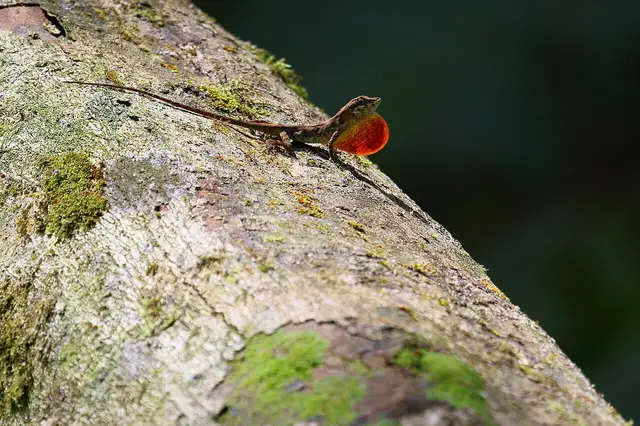
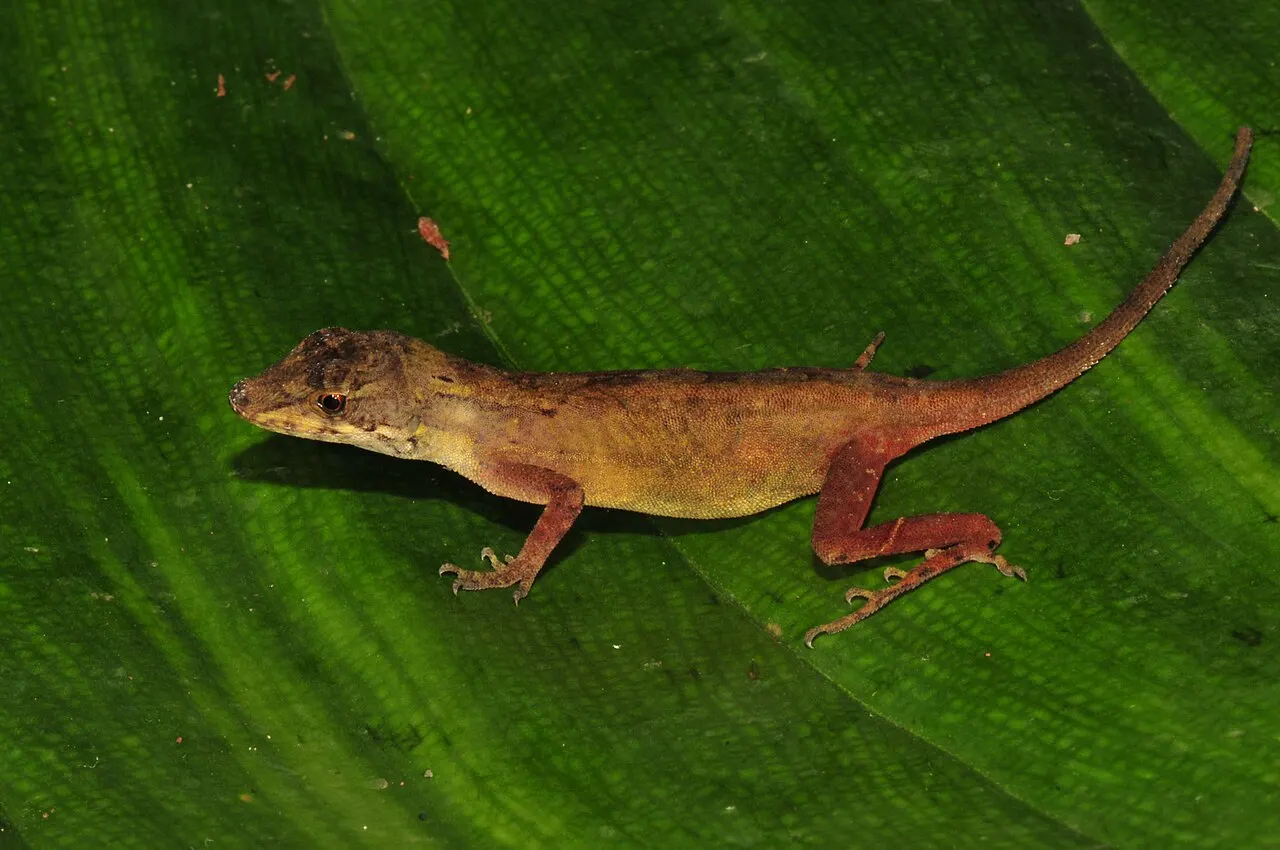
The Cusuco anole (Anolis cusuco) is a small forest lizard found only in the cloud forests of northwestern Honduras, around Cusuco National Park. The IUCN Red List rated it Critically Endangered in 2021. Its entire known range covers roughly 80 square km, and little has been published about its life.
Where it lives
The anole is endemic to Honduras. Its name comes from the place it was first collected, the visitor centre of Cusuco National Park in Cortes Department, at about 1,550 m. The species was described in 2000 by McCranie, Kohler and Wilson, originally under the genus name Norops.
The IUCN assessment records a single location, an estimated extent of occurrence of about 80 square km, and an elevation span of 1,220 to 1,935 m. Its habitat is subtropical or tropical moist montane forest. The park lies in the Merendon mountains of northwest Honduras. The population is not considered severely fragmented.
Pins are Wikidata “endemic to” fields. Orange dots, when present, are GBIF occurrence tiles — survey bias included.
How it lives
Very little is known. It lays eggs. Anoles usually sleep alone because of territoriality, which makes a 2018 report from Cusuco notable: three of these lizards, a male and two females, were found sleeping together on one perch with their bodies overlapping. The observers suggested it might be linked to breeding, perhaps overlapping territories or courtship cut short by nightfall, and said no conclusive explanation was available.
A natural history note published in 2019 described the first recorded predator of the species, a praying mantis that had caught a sub-adult female.
Why it is in trouble
The species depends on a small patch of forest, and the IUCN assessment records a continuing decline in the area it occupies, with the population decreasing. The listed threats are large-scale farming, shifting agriculture and small-holder farming, along with accidental harm from small-scale harvesting.
A 2021 review in the Journal of Mesoamerican Biology found that about 1,759 ha of forest had been lost inside the 23,440 ha park since 2000, roughly 7 percent of its forest. The same review pointed to poaching, climate change and amphibian disease as further pressures on the park's wildlife. The cloud forest here is also very rich in species. A 2024 study put the park's tally at 105 confirmed amphibians and reptiles after 17 years of surveys, about 26 percent of Honduras's recorded total.
What is being done
The anole occurs within at least one protected area, and the assessment lists policy and regulation at national level and site management as conservation actions. Protecting what remains of the forest is what the species depends on. No captive breeding or species-specific recovery programme is recorded.
Sources
Written for this catalog in our own words from the sources below, checked against them on 12 November 2026. Population figures are estimates and carry the year they were made. Status and assessment year: IUCN. 2026. The IUCN Red List of Threatened Species. Version 2026-1. iucnredlist.org.