Honduras
7 catalog pins
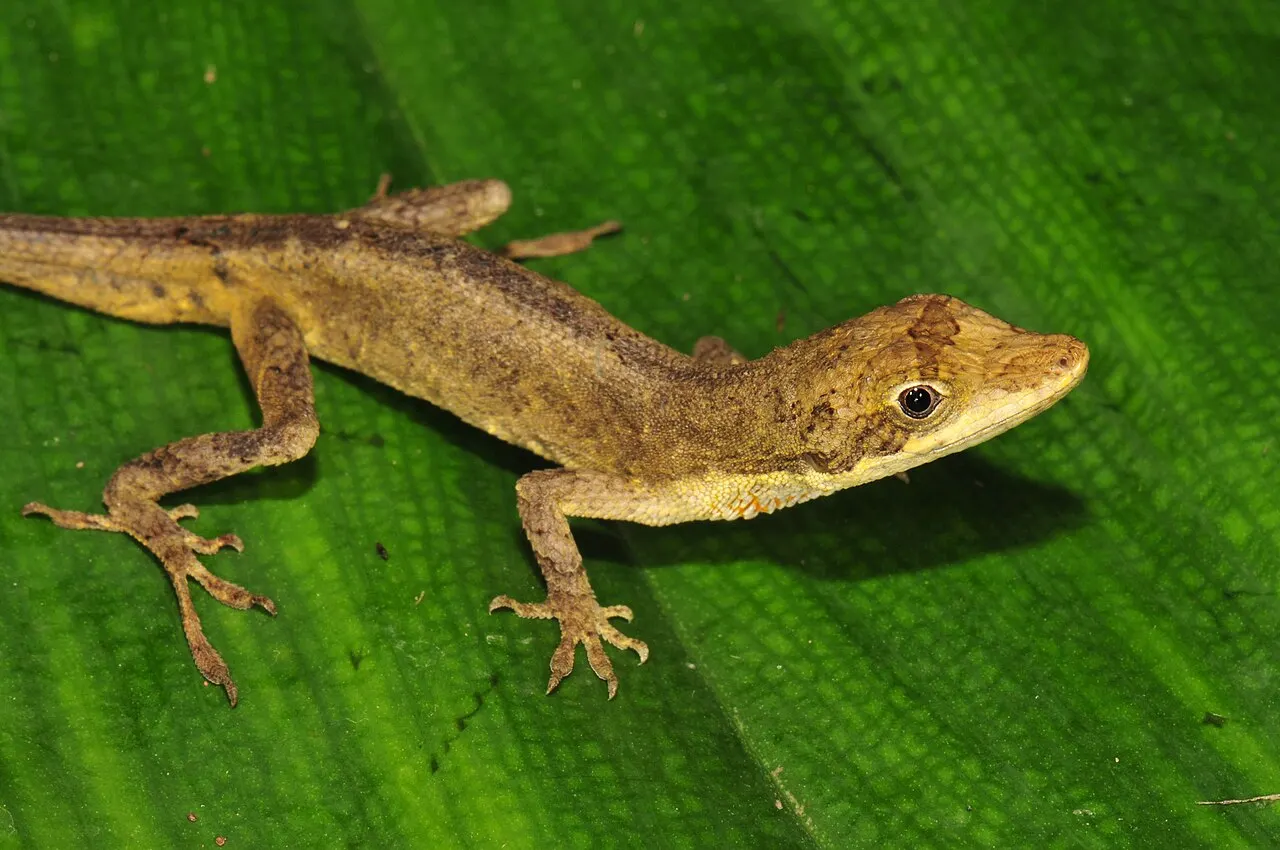
7 animals in this catalog carry a structured country pin for Honduras. That is a filing fact, not a claim that the crisis is only here.
The photograph is one of those animals: Cortés Anole. Open a dossier for the text, the status, and the map. Use the world map to jump to another country. Confirm official distributions on the Red List.
Honduras sits in the middle of Central America, with a Caribbean coast, a short Pacific coast on the Gulf of Fonseca, and a mountainous interior. Rainforest covers about 29 percent of the country (undated), in parts of the north below 600 metres, and La Mosquitia fills the east.
The Convention on Biological Diversity profile says many endemic species occur in isolated relic sites, especially mountain cloud forests above 1,000 metres. A 2015 checklist (McCranie) counts 264 reptiles (59 endemic) and 137 amphibians (52 endemic) in the country.
Where the pressure comes from
The CBD profile, marked as a draft pending government approval, lists poor planning of production activities, deforestation, forest fires, illegal hunting, unsustainable forest extraction, invasive species, pollution and urban sprawl. It says African palm cultivation affects coastal wetlands on the Caribbean coast and that at least 20 percent of the core area of Jeannette Kawas National Park has been lost to palm expansion.
Amphibians face an added threat. Chytridiomycosis, a fungal disease, and deforestation both endanger them. At Cusuco National Park, threats include conversion of forest to coffee, human population growth, overexploitation of large mammals and climate change.
What is being done
The CBD profile says roughly 30 percent of the country is in protected reserves (excluding watershed areas), though some are vulnerable. Named areas include Pico Bonito, Celaque and Jeannette Kawas national parks and the Rio Platano Biosphere Reserve. Cusuco was established in 1959. The profile adds that 90 percent of primary forests lie within the Mesoamerican Biological Corridor, which Central American heads of state endorsed in 1997. Protected Planet lists 120 protected areas (UNEP-WCMC, November 2026).
Reading the catalog for Honduras
The catalog's list for Honduras is led by lizards. Squamates are the largest group in the list, with 6 of the 7 animals, and 5 of the 7 belong to the anole family. The last is a salamander. That fits the checklist figures above, which show many endemic reptiles and amphibians. The list covers only animals the Red List ties to Honduras.
Sources for this section
- CBD country profile, Honduras: Endemism in cloud forests, threats, palm expansion at Jeannette Kawas, protected share, corridor share
- Wildlife of Honduras (Wikipedia): Rainforest share and La Mosquitia, reptile and amphibian counts 2015, chytridiomycosis
- Cusuco National Park (Wikipedia): Established 1959, threats
- Mesoamerican Biological Corridor (Wikipedia): 1997 endorsement
- Protected Planet, Honduras: 120 protected areas, November 2026
What the catalog records for Honduras
The catalog has 7 animals with a country pin for Honduras: 4 Critically Endangered and 3 Endangered. By GBIF class the largest groups are Squamata (6), Amphibia (1). The families with the most records are Dactyloidae (5), Scincidae (1), Plethodontidae (1). A pin means a structured source (Wikidata or a GBIF match) places the animal in Honduras; it does not say the animal lives only there.
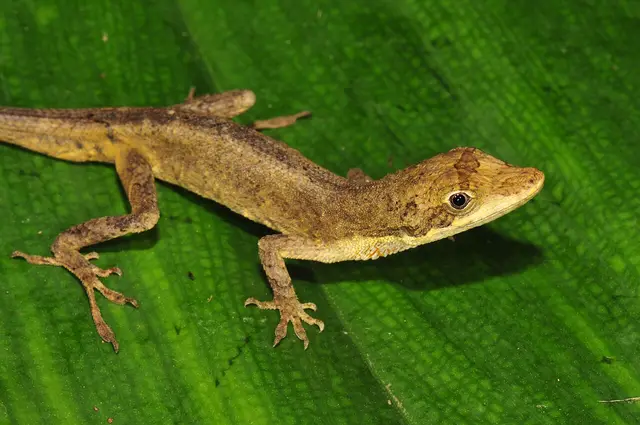 CR
Cortés Anole
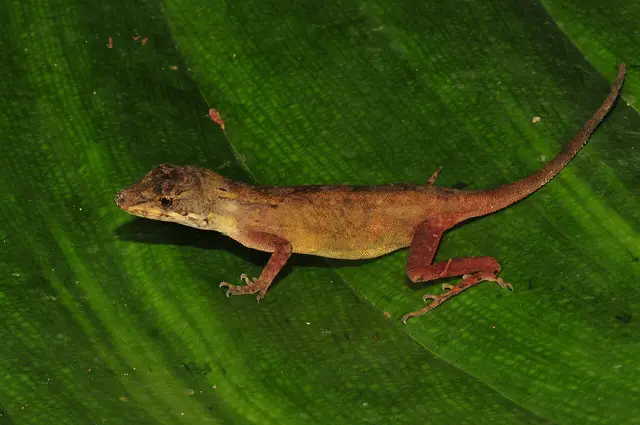 CR
Cusuco Anole
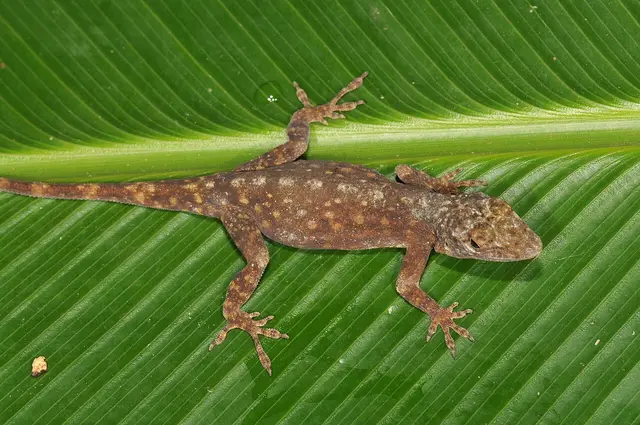 CR
Mangrove Anole
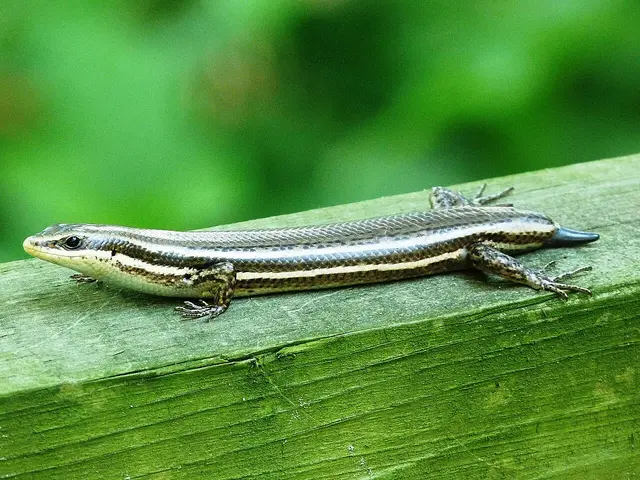 CR
Roatán Skink
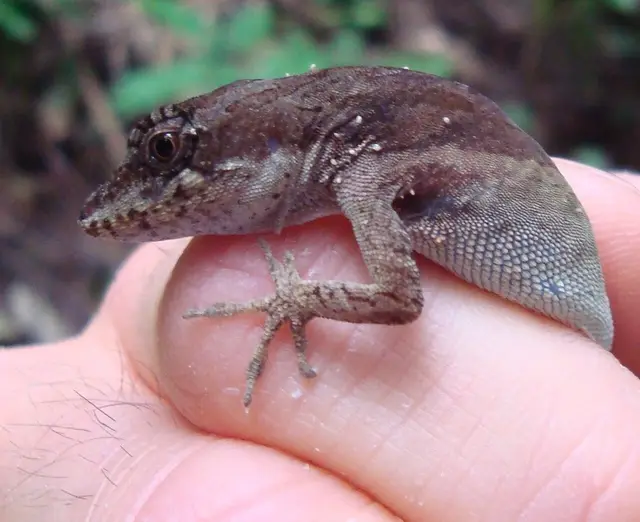 EN
Roatan Anole
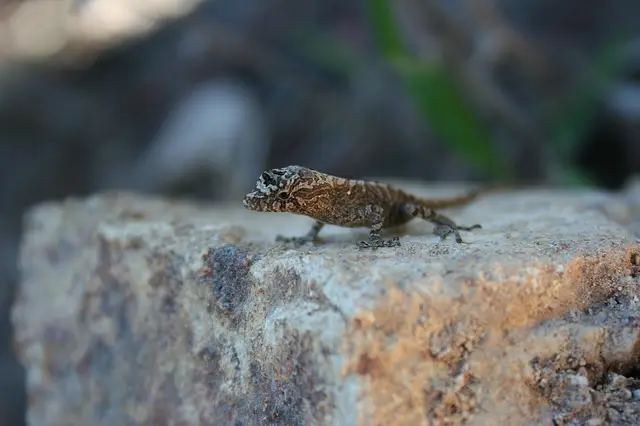 EN
Mouse Anole
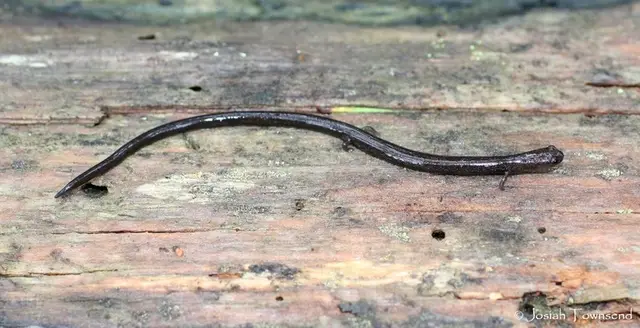 EN
Muralla Worm Salamander
Total pins: 7.
Quick answers
- Do all these animals live only in Honduras?
- No. A pin means a Wikidata place field resolved here. Official ranges can be wider.
- Is this a government list?
- No. It is a slice of this catalog.