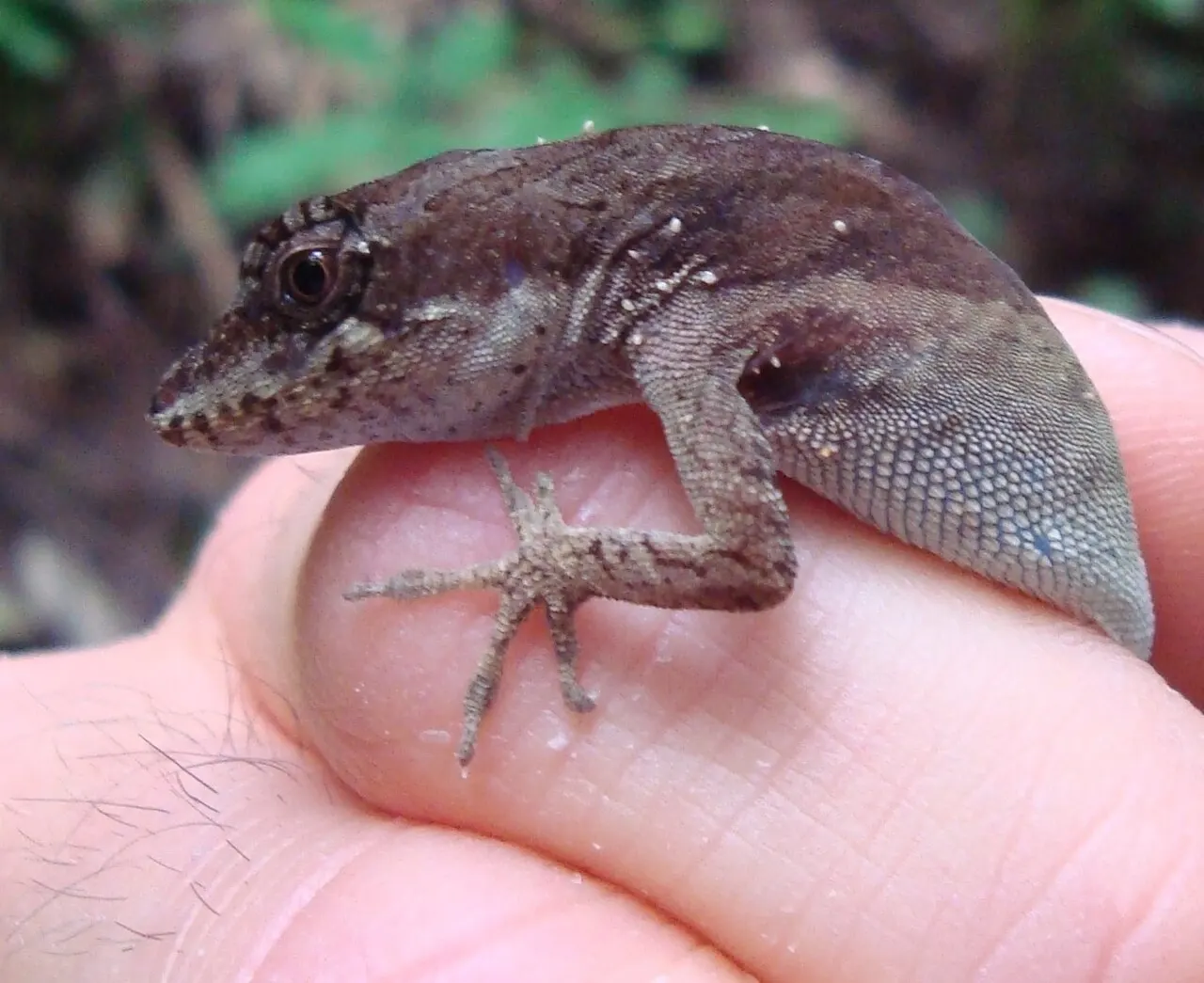
Endangered
Roatan Anole
Anolis roatanensis
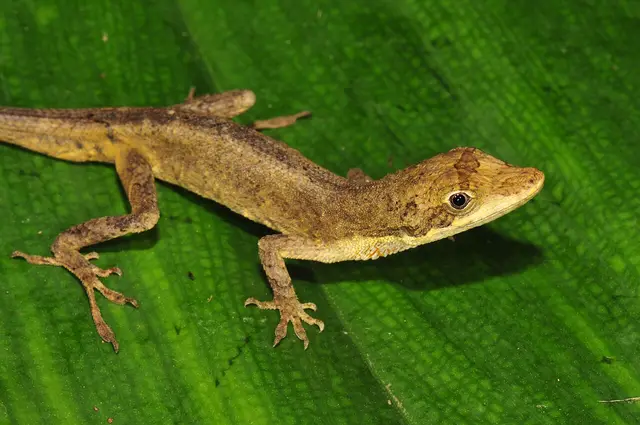
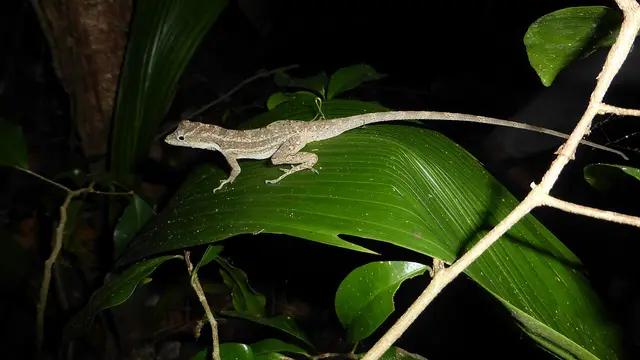
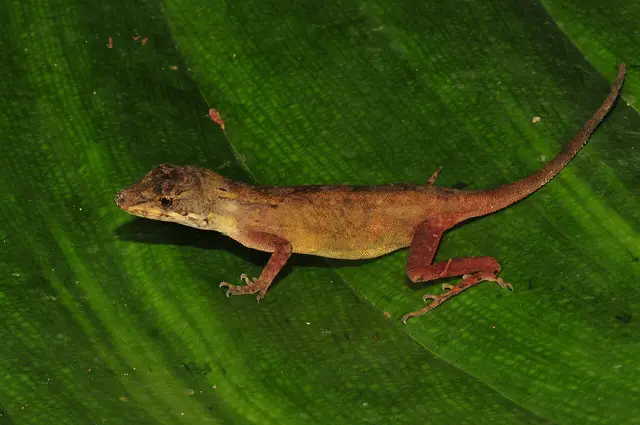
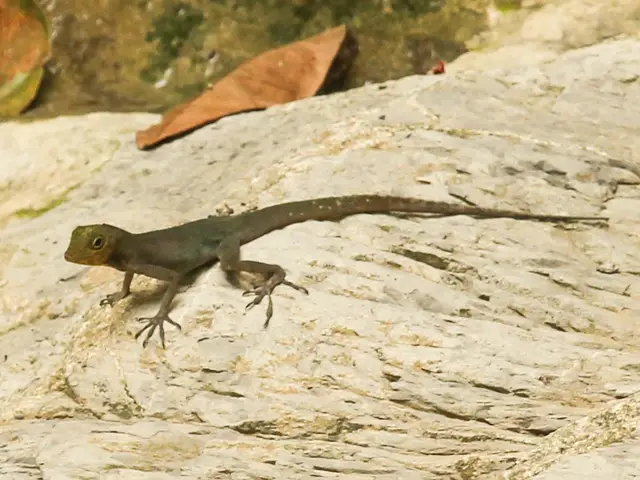
The Roatan anole (Anolis roatanensis) is a small lizard found only on Roatán, the largest of Honduras's Bay Islands. The IUCN Red List treats it as Endangered (assessed 2021) because it lives in a single location, on a small island under growing development pressure. Few details of its biology have been published.
Where it lives
Roatán is a long, thin island, about 59 kilometres from end to end and under 8 kilometres across at its widest. The anole is endemic to it, meaning it occurs nowhere else. It is one of only four reptiles on a 25-species island checklist that are found on Roatán alone.
The Red List treats the whole population as a single location, with the lizard living between sea level and about 30 metres. Its estimated extent of occurrence is 130 square kilometres. The habitat it uses is subtropical or tropical moist lowland forest.
Pins are Wikidata “endemic to” fields. Orange dots, when present, are GBIF occurrence tiles — survey bias included.
What kind of anole it is
Anoles are small, mostly tree-dwelling lizards of the Americas. This one was described only in 2001, by Köhler and McCranie, from a male collected on Roatán. Earlier literature had listed Roatán anoles under the name of the Utila anole (Anolis bicaorum), a close relative from another Bay Island, before the two were separated.
A 2012 overview of Bay Islands anoles in Anole Annals describes it as a sister species to the mainland Anolis lemurinus, and says it shares Roatán with Anolis allisoni. The Reptile Database places it in the Norops auratus species group, while the overview groups it with A. lemurinus, so grouping names differ. Like other anoles it lays eggs rather than giving birth to live young.
Why it is in trouble
A restricted range on a small island is the root problem. The Red List records a continuing decline in the area it occupies and lists housing and urban development as an ongoing threat, though the scale is unknown. A second ongoing threat is recorded only as an unspecified problem species.
The pressure on Roatán is easy to see. Tourism has grown through the 21st century, cruise ports have expanded, and the island's population has risen sharply since the late 20th century. Deforestation, runoff and waste are the main environmental concerns named for the island. No census of the anole itself exists, and its population trend is recorded as unknown.
What is being done
Little targeted conservation has been recorded. The 2021 assessment says the species does not occur in any protected area, and the only conservation action it lists as needed is site and area protection.
Sources
Written for this catalog in our own words from the sources below, checked against them on 12 November 2026. Population figures are estimates and carry the year they were made. Status and assessment year: IUCN. 2026. The IUCN Red List of Threatened Species. Version 2026-1. iucnredlist.org.