China
41 catalog pins

41 animals in this catalog carry a structured country pin for China. That is a filing fact, not a claim that the crisis is only here.
The photograph is one of those animals: Baiji. Open a dossier for the text, the status, and the map. Use the world map to jump to another country. Confirm official distributions on the Red List.
China is a vast country of forest, grassland, wetland and desert, and the CBD country profile counts it among the 12 megabiodiverse countries. The profile lists over 35,000 higher plant species (2008 inventory), 6,445 vertebrates of which 667 are endemic, and 1,371 birds, the highest count of any country.
Roughly one-sixth of its mammals and two-thirds of its amphibians are found only in China, according to a wildlife overview. That helps explain why the catalog lists so many local salamanders, frogs and primates.
Where the pressure comes from
The CBD profile names urbanization, industrialization, overexploitation, pollution and invasive species. It reports that about 90% of grasslands show some degree of degradation or desertification, about 40% of major wetlands face a threat of severe degradation, and 233 vertebrate species face extinction. About 44% of wild animals are declining (figures from the profile, which uses data to about 2011).
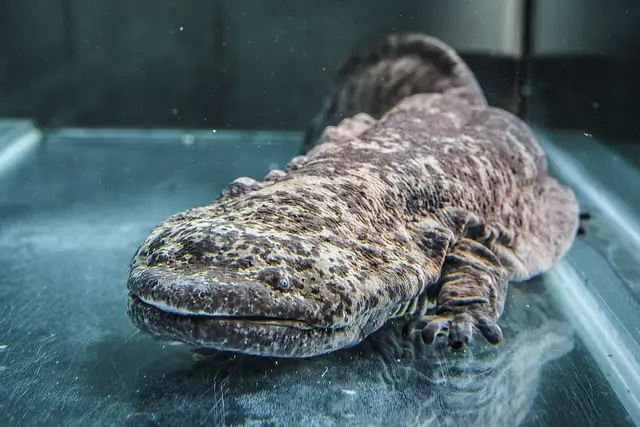
Rivers matter a great deal. The baiji dolphin fell from as many as 6,000 in the 1950s to 13 animals in a 1997 survey, and a 2006 survey found none; the Gezhouba and Three Gorges dams are named as factors. The Chinese giant salamander has fallen by an estimated 80% or more since the 1950s, mainly from hunting for food, plus habitat loss. A 2018 survey of 97 sites in 16 provinces could not confirm any surviving wild populations, though a later study questioned how thorough that survey was.
What is being done
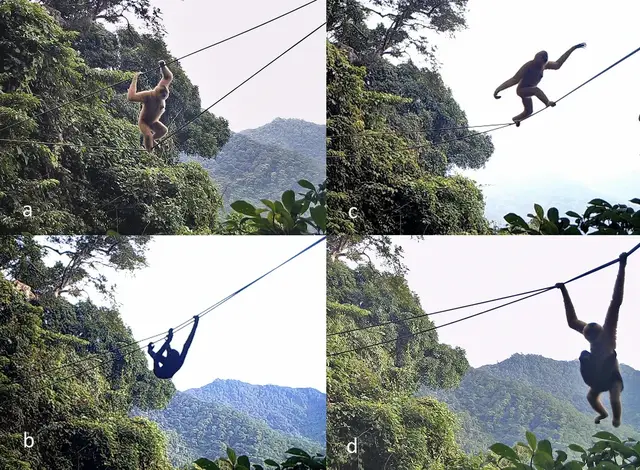
The profile counts 2,640 nature reserves covering 149.71 million hectares, 14.93% of land, at the end of 2011. The updated national biodiversity strategy covers 2011 to 2030; the first action plan came in 1994. All gibbons in China are Class I protected animals, but numbers stay tiny: fewer than 30 Hainan black crested gibbons are left (undated figure) in Bawangling National Nature Reserve.
Farming raises its own questions. Millions of giant salamanders are farmed, with breeding stock often wild-caught, and releases of captive-bred animals may carry disease and genetic risks to wild ones.
Reading the catalog for China
The catalog's list for China has 41 animals: 12 Critically Endangered, 28 Endangered and 1 Extinct in the Wild, the species Elaphurus davidianus. Mammals are the largest group with 15 records, then amphibians with 11. Cercopithecidae, the family of monkeys and langurs, is the largest family with 6.
Sources for this section
- CBD country profile, China: species counts, reserves, grassland and wetland degradation, threats, NBSAP years
- Wildlife of China (Wikipedia): endemism shares, baiji, Hainan gibbon, protection classes
- Chinese giant salamander (Wikipedia): decline, 2018 survey, hunting, farming and releases
What the catalog records for China
The catalog has 41 animals with a country pin for China: 12 Critically Endangered, 28 Endangered and 1 Extinct in the Wild. By GBIF class the largest groups are Mammalia (15), Amphibia (11), Squamata (4), unknown (4). The families with the most records are Cercopithecidae (6), Hynobiidae (4), Eublepharidae (3). A pin means a structured source (Wikidata or a GBIF match) places the animal in China; it does not say the animal lives only there.
 CR
Baiji
 CR
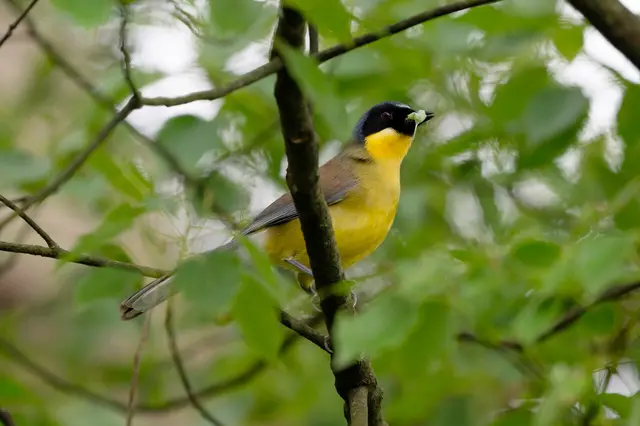
Blue-crowned Laughingthrush
 CR
Chinese giant salamander
 CR
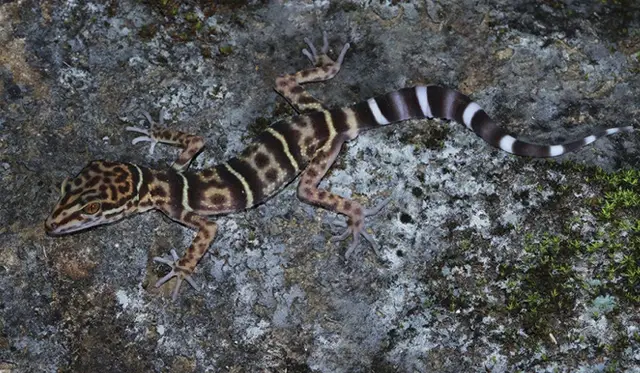
Yingde Leopard Gecko
 CR
Hainan black crested gibbon
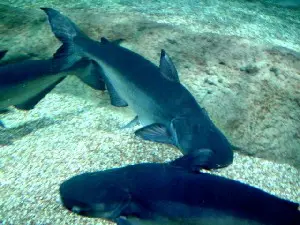 CR
Mekong giant catfish
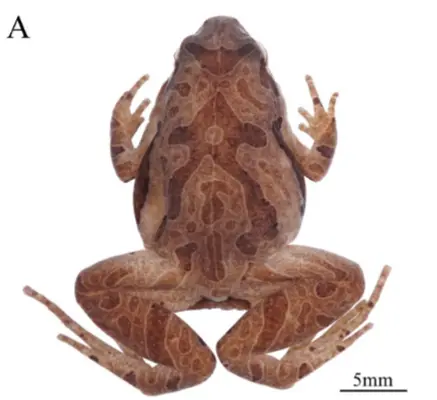 CR
Beilun Pygmy Frog
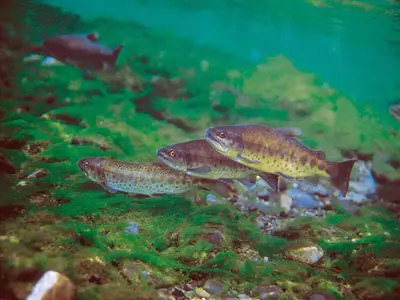 CR
Oncorhynchus formosanus
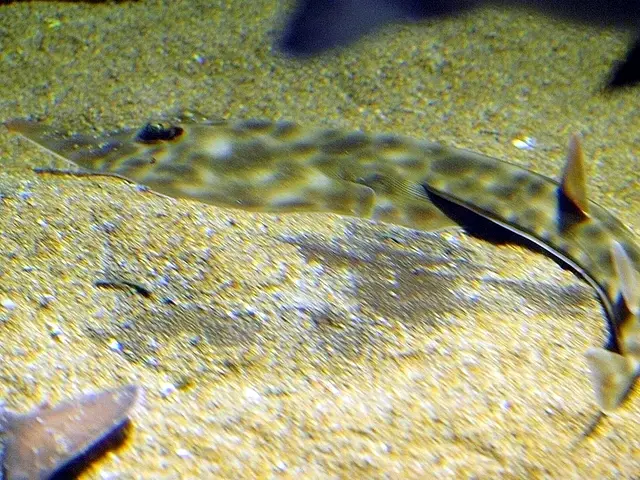 CR
Brown guitarfish
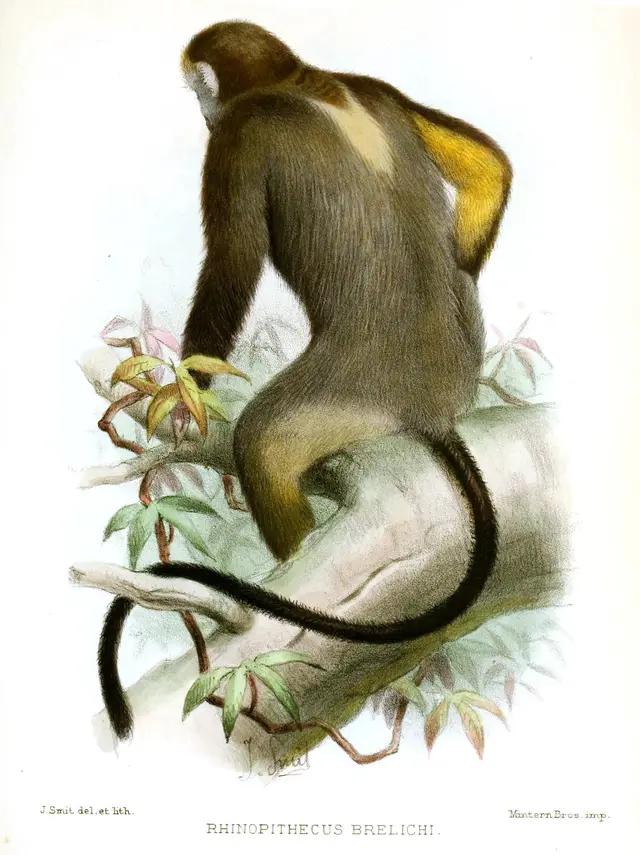 CR
Gray snub-nosed monkey
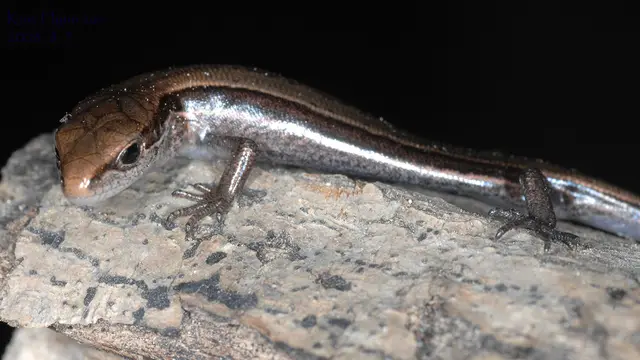 CR
Huaren Ground Skink
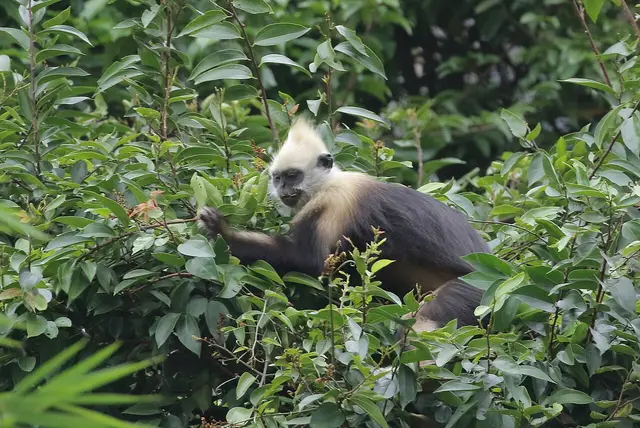 CR
White-headed langur
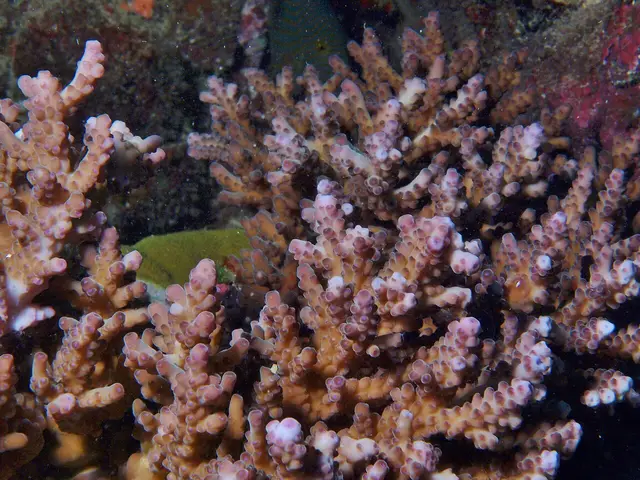 EN
Knobsnout parrotfish
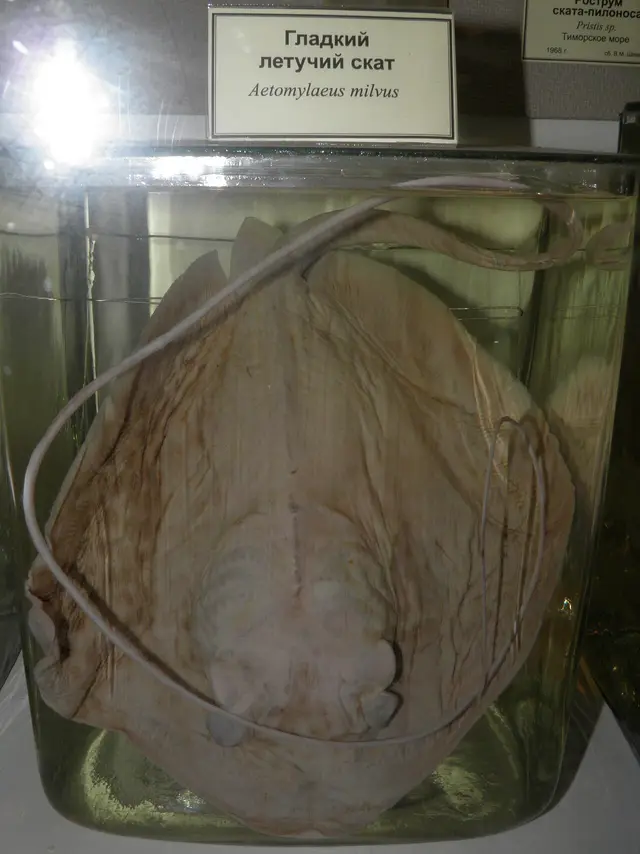 EN
Ocellate Eagle Ray
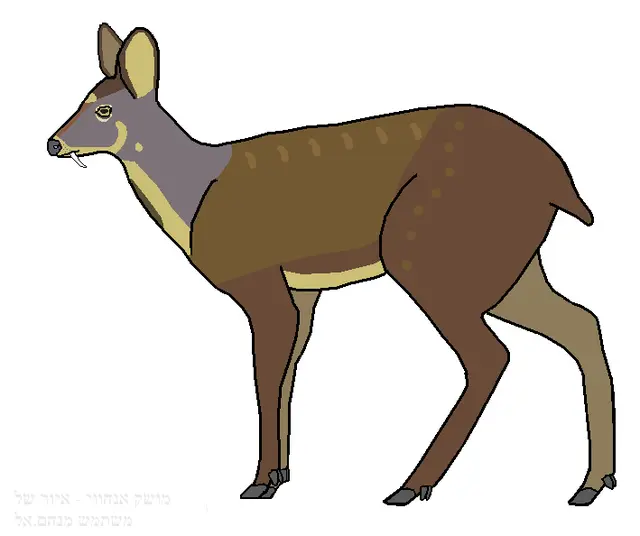 EN
Anhui musk deer
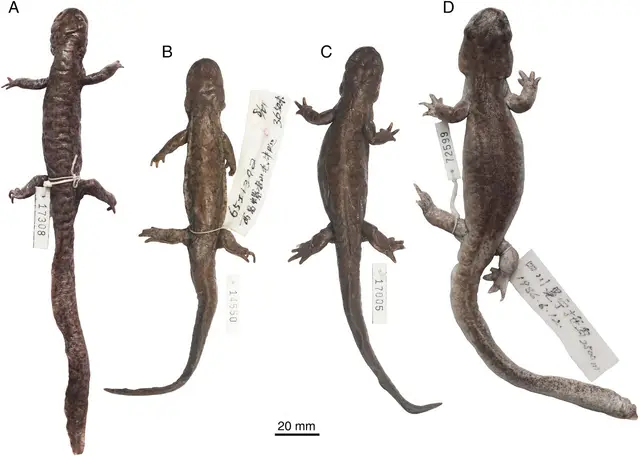 EN
Yenyuan stream salamander
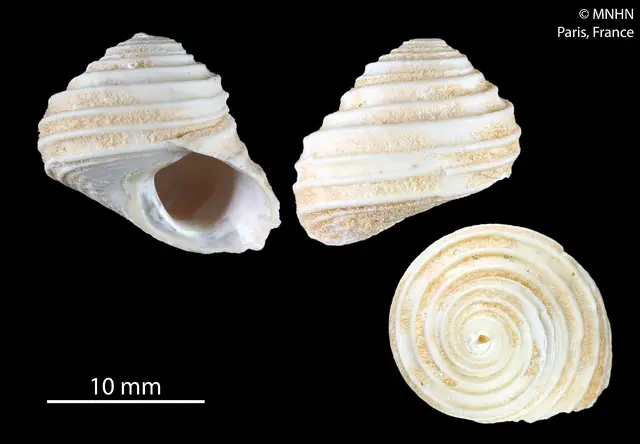 EN
Cantrainea jamsteci
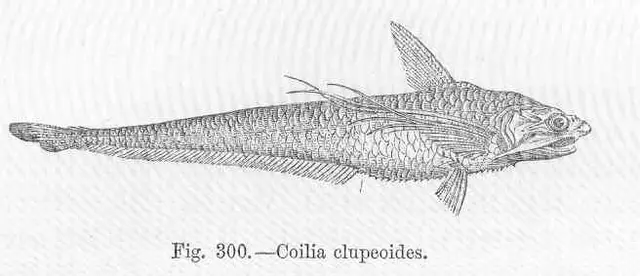 EN
Osbeck's grenadier anchovy
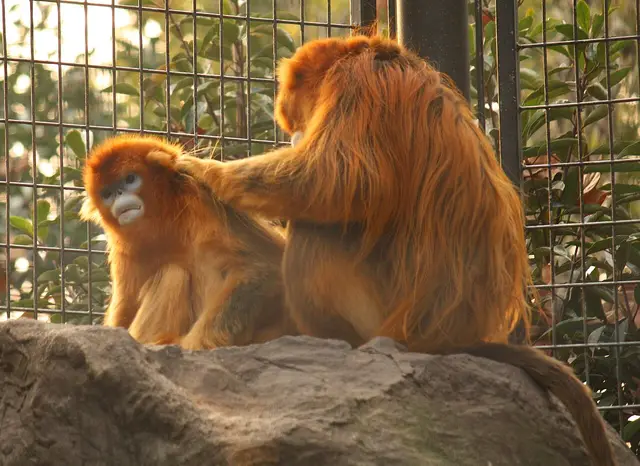 EN
Golden snub-nosed monkey
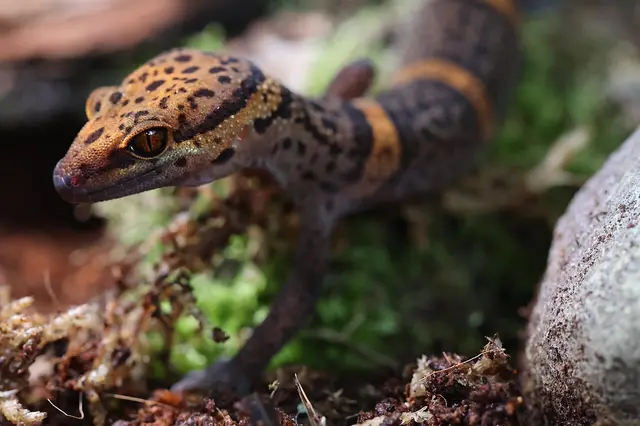 EN
Bawangling Leopard gecko
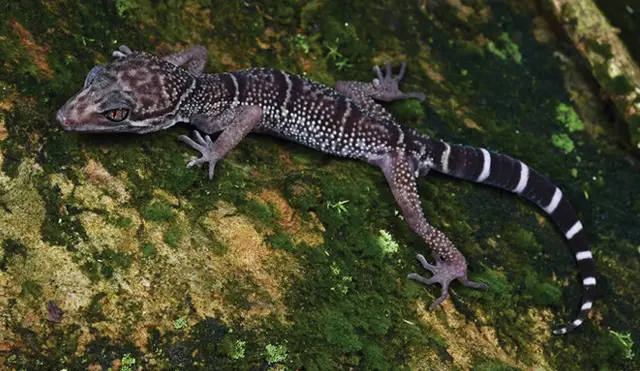 EN
Zhe-long's Leopard Gecko
 EN
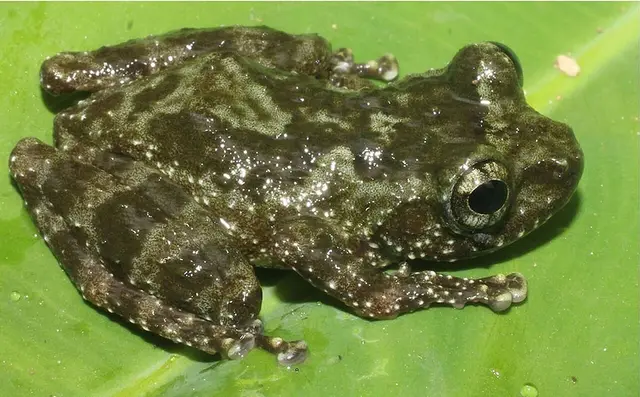
Gracixalus nonggangensis
 EN
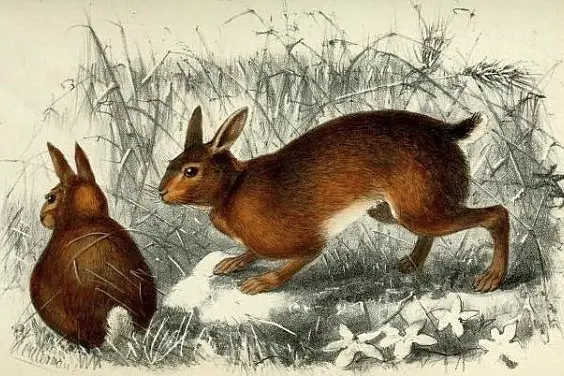
Hainan hare
Showing the first 24. Total pins: 42.
Quick answers
- Do all these animals live only in China?
- No. A pin means a Wikidata place field resolved here. Official ranges can be wider.
- Is this a government list?
- No. It is a slice of this catalog.