New Zealand
77 catalog pins
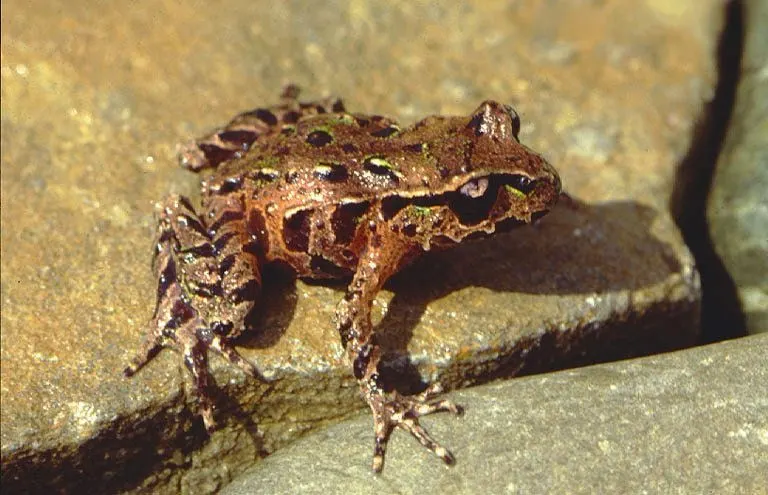
77 animals in this catalog carry a structured country pin for New Zealand. That is a filing fact, not a claim that the crisis is only here.
The photograph is one of those animals: Archey's frog. Open a dossier for the text, the status, and the map. Use the world map to jump to another country. Confirm official distributions on the Red List.
New Zealand is a group of islands that split from the ancient supercontinent Gondwana roughly 85 to 66 million years ago. For millions of years its only land mammals were bats, with seals on the shore, so birds, reptiles and insects filled the roles mammals play elsewhere. The country is also on the biodiversity hotspot list.
Its government's report to the Convention on Biological Diversity puts native species at about 80,000, with all native frogs and reptiles endemic. Of 245 bird species recorded in greater New Zealand, 174 are endemic.
Where the pressure comes from
Animals that evolved without mammalian predators were easy prey once people arrived around 1300 CE. First came the Polynesian rat, then hunting, then European settlement and more mammals. Today 33 introduced land mammal species live there, including possums, stoats, rats, feral cats and deer. More than half of the bird species are considered extinct.
The national report says invasive species have largely caused population declines since the 1970s. Freshwater fish are hit by introduced trout, which prey on the native galaxiids and compete with them, so many are now confined to the few remaining trout-free habitats. Only around 10% of the original wetland systems remain.
What is being done
About a third of the land area is legally protected for conservation, though the report says the network is not fully representative and lowland and fertile forests are poorly represented. Cuvier Island is the site of a long-running Department of Conservation project to remove introduced mammals. The national goal, Predator Free 2050, aims to eradicate the most harmful introduced predators from the whole country.
Reading the catalog for New Zealand
The list shows 77 animals, 35 Critically Endangered and 42 Endangered. Lizards and geckos (Squamata) are the largest named group with 27, and the skink family Scincidae alone has 21. Birds come next with 21 entries, then 6 snails. The galaxiid fish family (Galaxiidae) has 12 entries, and 14 entries have no class recorded.
Sources for this section
- CBD country profile, New Zealand: 80,000 species, endemic frogs and reptiles, invasive species since the 1970s, wetlands, protected land share
- Wildlife of New Zealand: Isolation, birds 174 of 245 endemic, extinction waves, 33 introduced mammals, Cuvier Island restoration project
- Predator Free 2050, Department of Conservation: Goal of removing the most harmful introduced predators
- Galaxias: Introduced trout threaten freshwater galaxiids
- Biodiversity hotspot: New Zealand on the hotspot list
What the catalog records for New Zealand
The catalog has 77 animals with a country pin for New Zealand: 35 Critically Endangered and 42 Endangered. By GBIF class the largest groups are Squamata (27), Aves (21), unknown (14), Gastropoda (6). The families with the most records are Scincidae (21), Galaxiidae (12), Diplodactylidae (6). A pin means a structured source (Wikidata or a GBIF match) places the animal in New Zealand; it does not say the animal lives only there.
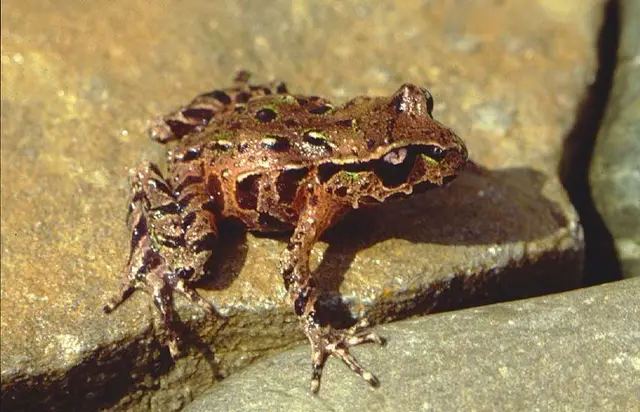 CR
Archey's frog
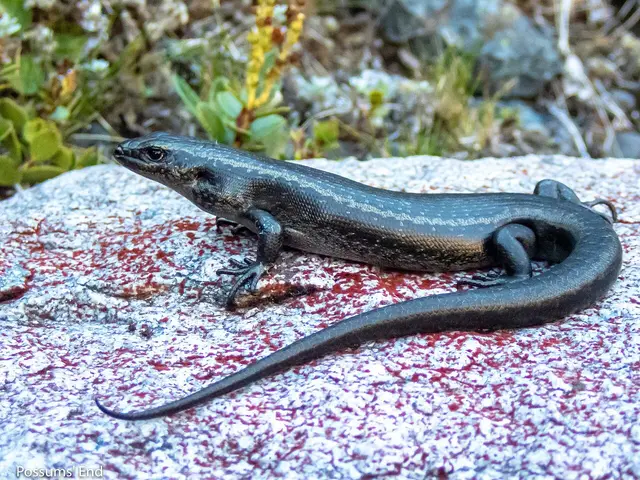 CR
Barrier skink
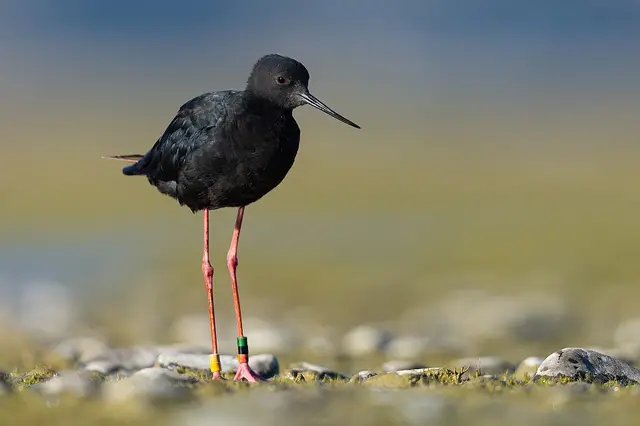 CR
Black Stilt
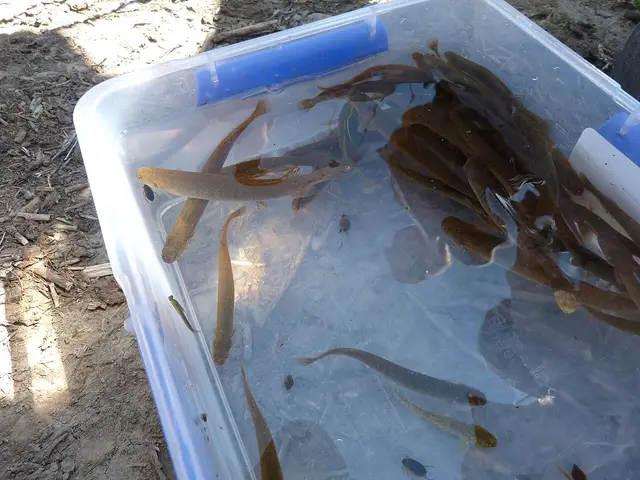 CR
Canterbury mudfish
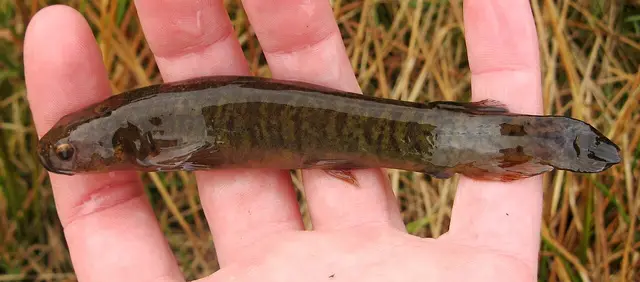 CR
Eldon's galaxias
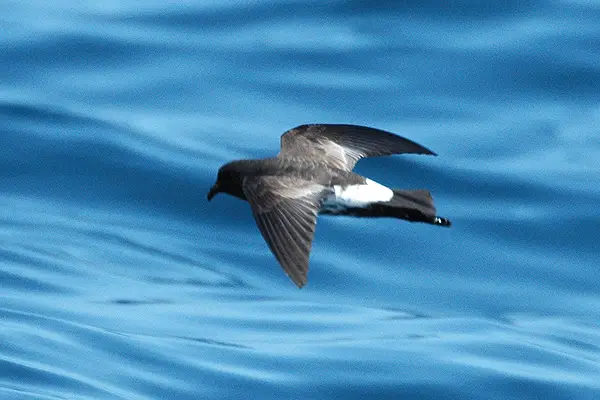 CR
New Zealand storm petrel
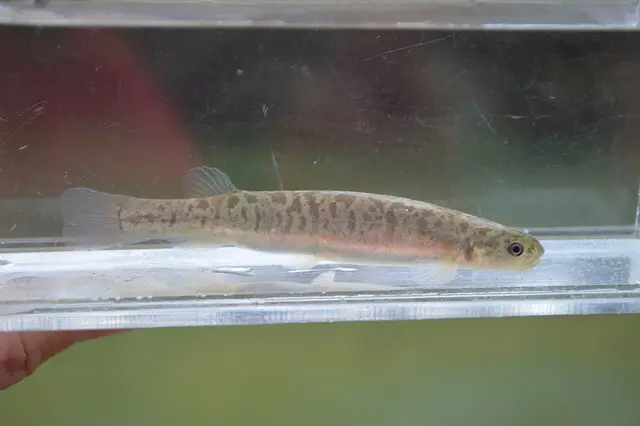 CR
Roundhead galaxias
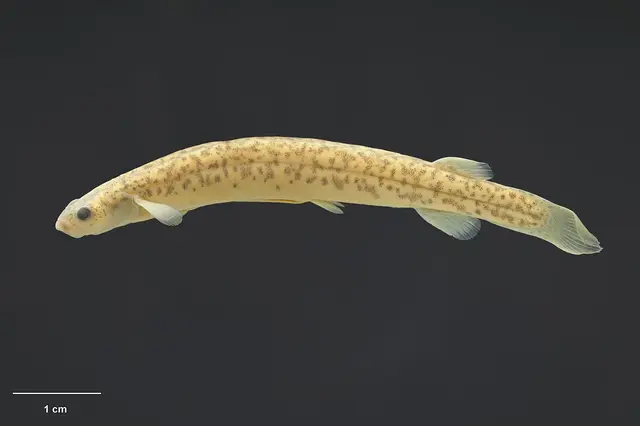 CR
Lowland longjaw galaxias
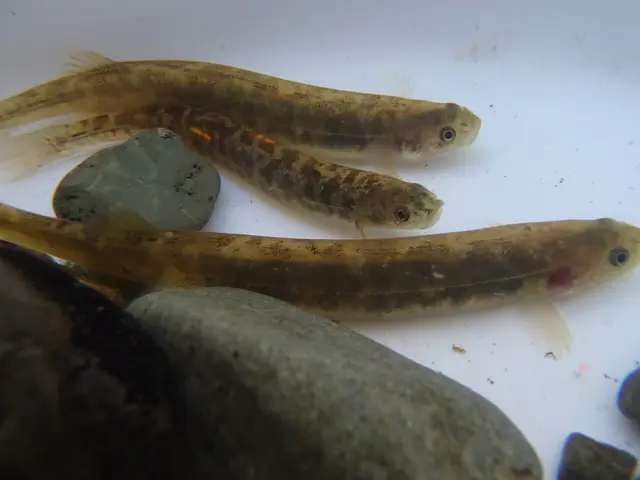 CR
Bignose galaxias
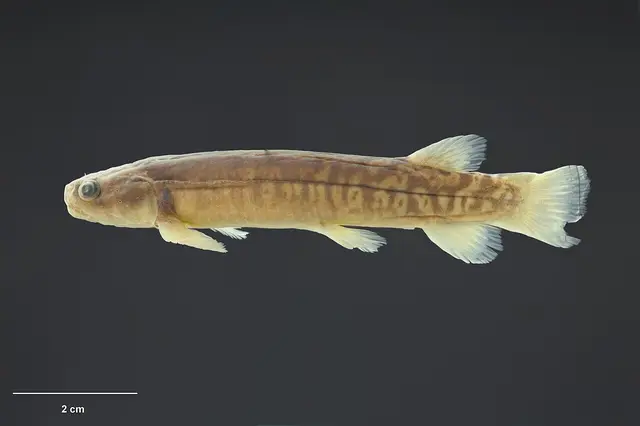 CR
Dusky Galaxias
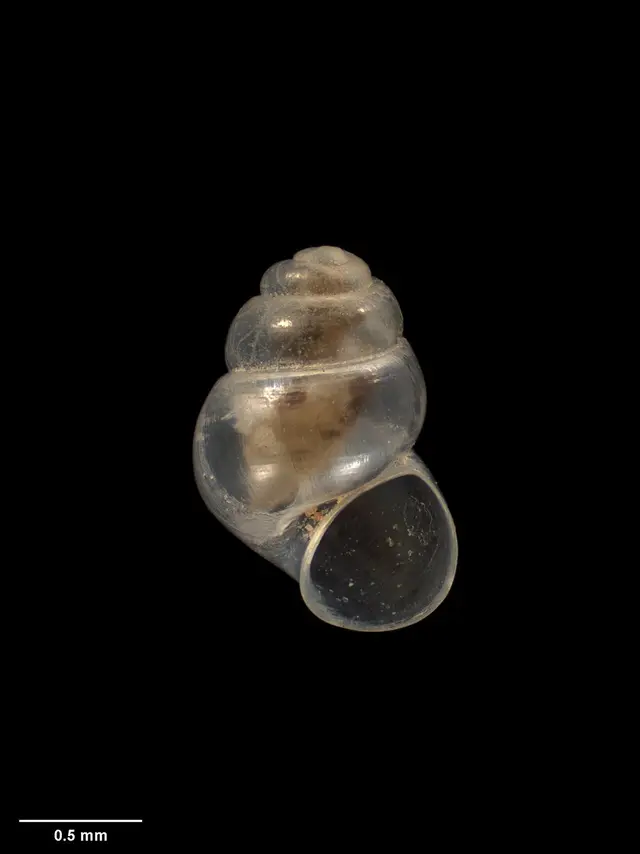 CR
Hadopyrgus ngataana
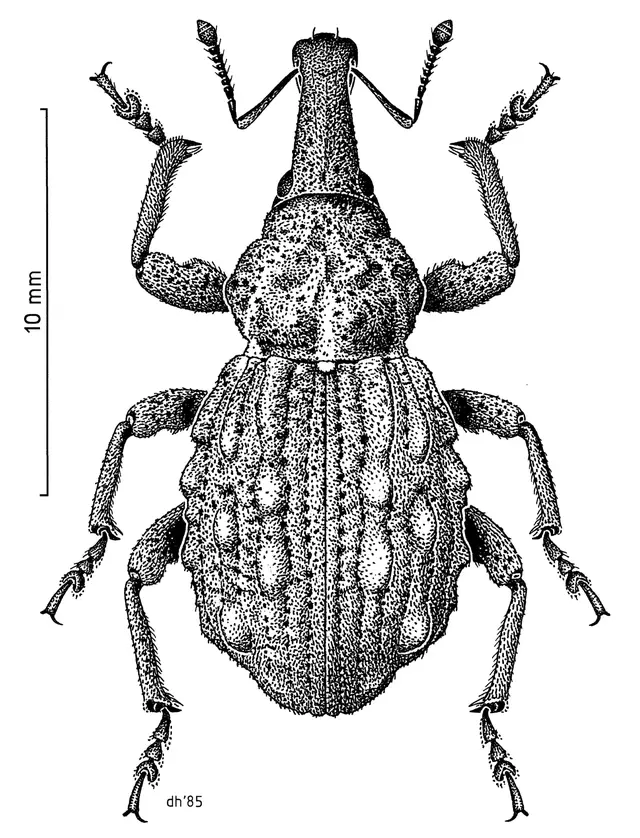 CR
Hadramphus tuberculatus
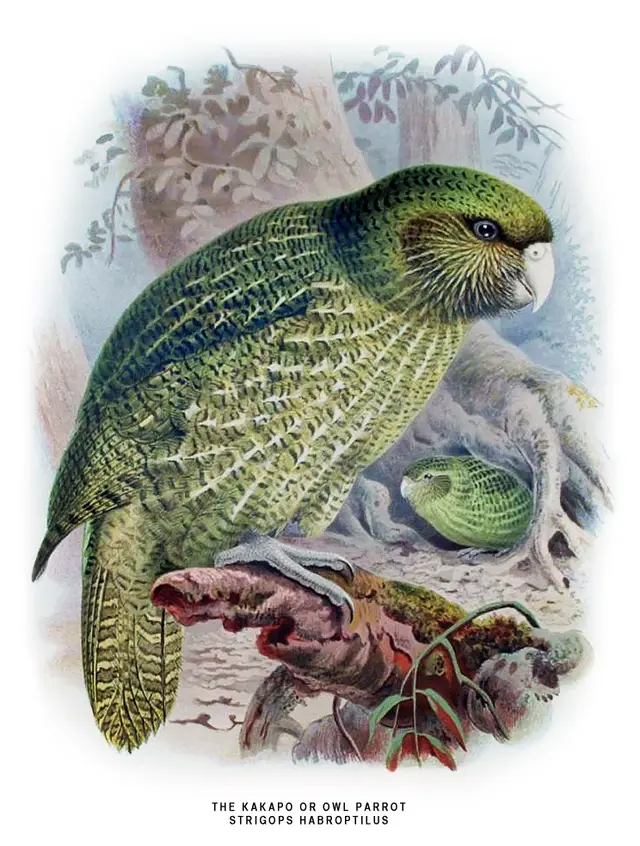 CR
Kakapo
CRLongjawed galaxias
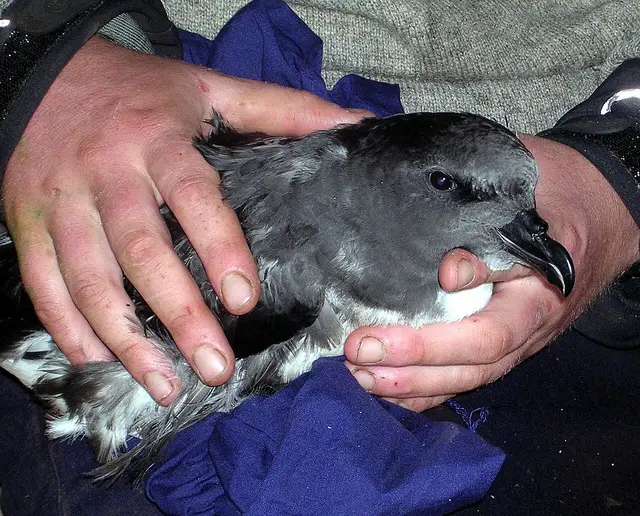 CR
Magenta Petrel
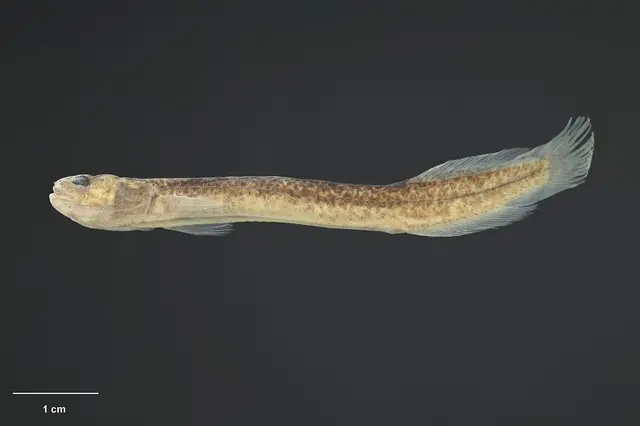 CR
Northland mudfish
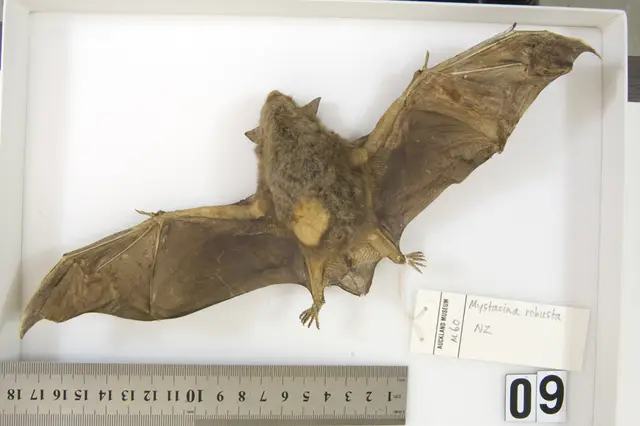 CR
New Zealand Greater Short-tailed Bat
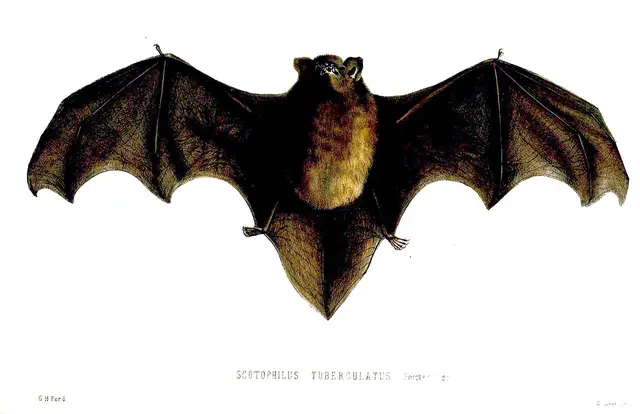 CR
New Zealand long-tailed bat
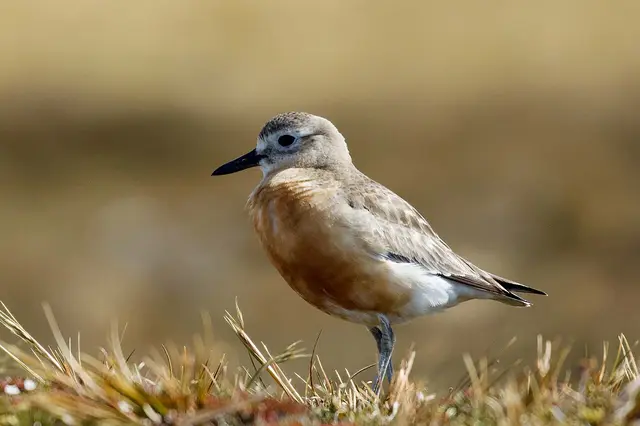 CR
New Zealand Plover
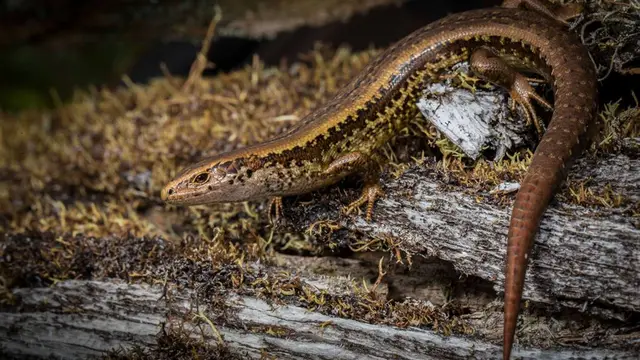 CR
Oligosoma albornense
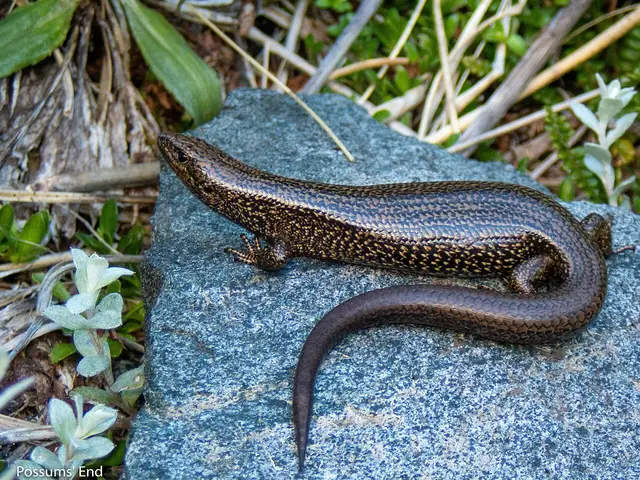 CR
Oligosoma awakopaka
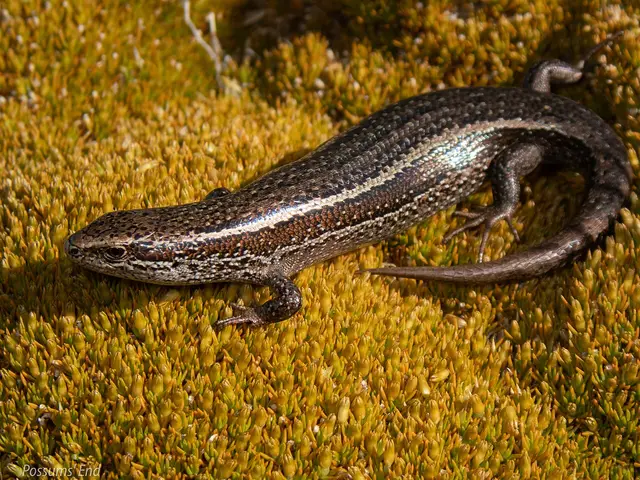 CR
Burgan skink
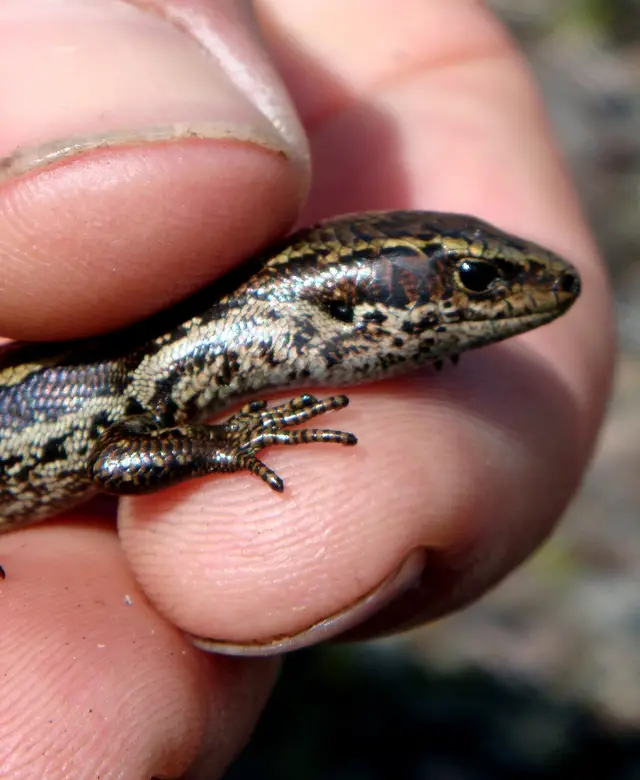 CR
Oligosoma infrapunctatum
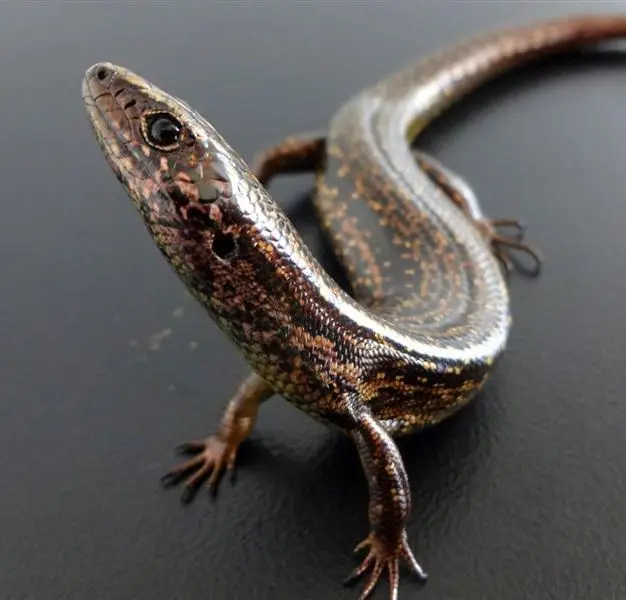 CR
Oligosoma salmo
Showing the first 24. Total pins: 77.
Quick answers
- Do all these animals live only in New Zealand?
- No. A pin means a Wikidata place field resolved here. Official ranges can be wider.
- Is this a government list?
- No. It is a slice of this catalog.